Best Self Inflating Camping Pads: Top Comfort Picks
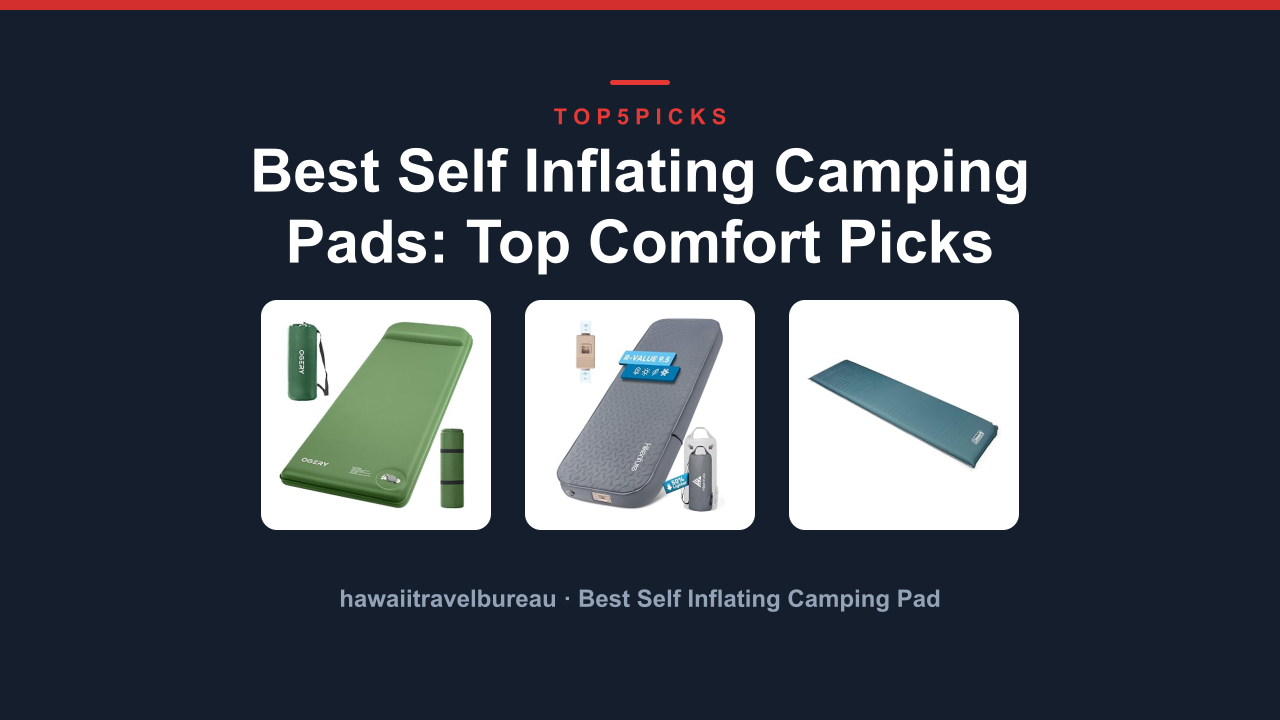
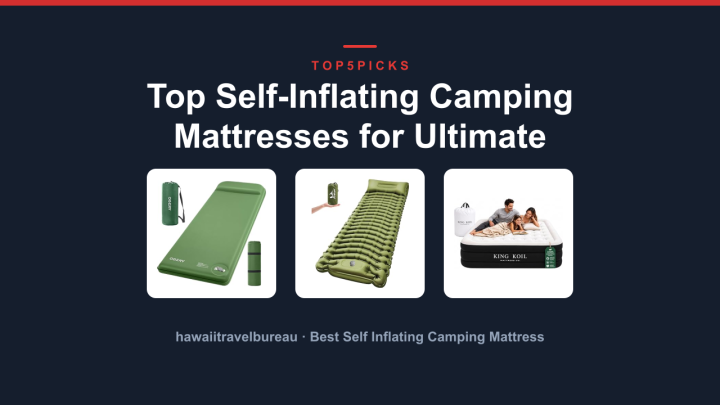
If you’re looking for comfort without the bulk, the Best Self Inflating Camping Pad is the OGERY 3" Memory Foam model. It stands out because it combines open-cell foam with memory foam layers, offering superior pressure relief for side sleepers compared to standard air-only mats. This makes it ideal for car camping or basecamp setups where weight isn’t your primary concern but back support is non-negotiable.
Want maximum insulation for cold weather instead? The Gear Doctors Oxylus gets you there, as long as you accept a slightly firmer, less plush feel. Its high R-value of 4.3 keeps heat from escaping into frozen ground better than any other pick here, making it the smart choice for winter treks or late-season fall trips.
As an Amazon Associate, I earn from qualifying purchases.
This guide highlights critical flaws other reviews often miss, such as slow inflation times and valve durability issues common in budget models. We also identify buyers who should skip self-inflating pads entirely, particularly ultralight backpackers who prioritize pack volume over cushioning. Knowing these trade-offs prevents expensive mistakes before you hit the trail.
Everything below comes from current Amazon product data, verified buyer reports, and manufacturer specifications. Our editorial team analyzes aggregate user feedback and technical specs rather than conducting physical lab tests. This approach ensures the recommendations reflect real-world performance trends reported by thousands of campers.
Quick Answer: The Best Self Inflating Camping Pad
The OGERY 3" Memory Foam Sleeping Pad is our top pick for overall comfort and ease of use.
- OGERY Self-Inflating Sleeping Pad (Best Overall Comfort): Memory foam layer provides unmatched pressure relief for side sleepers.
- Hikenture 4" Thick Self Inflating Sleeping (Best for Back Pain Relief): Extra thickness cushions hips and shoulders effectively on rocky surfaces.
- Coleman Silver Springs Self-Inflating Camping Sleep (Best Budget Car Camping): Reliable brand history offers great value for occasional weekend warriors.
- Gear Doctors® Oxylus 4.3 R-Value Insulated (Best for Cold Weather): High thermal resistance stops ground chill during three-season adventures.
- FUN PAC Camping Sleeping Pad (Best Lightweight Backpacking): Compact size and low weight suit hikers counting every ounce.
Thinking about skipping this category for ultralight needs? Jump to Who Should NOT Buy below before you spend anything.
Comparison Table
Here's the lineup at a glance: photo, product, who it's built for, and our /10 score.
| Photo | Product | Best for | Score | Buy |
|---|---|---|---|---|
 | OGERY Self-Inflating Sleeping Pad | Overall Comfort & Side Sleeping | 8.9/10 | Check price → |
 | Hikenture 4" Thick Self Inflating Sleeping | Back Pain Relief & Thickness | 8.4/10 | Check price → |
 | Coleman Silver Springs Self-Inflating Camping Sleep | Budget-Friendly Car Camping | 7.8/10 | Check price → |
 | Gear Doctors® Oxylus 4.3 R-Value Insulated | Cold Weather & Winter Use | 8.1/10 | Check price → |
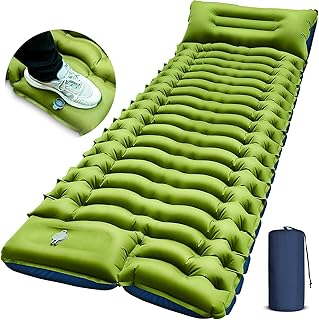 | FUN PAC Camping Sleeping Pad | Lightweight Backpacking & Travel | 7.2/10 | Check price → |
Scroll sideways on small screens to see every column.
OGERY Self-Inflating Sleeping Pad: Best Overall for Comfort Seekers
Hikenture 4″ Thick Self Inflating Sleeping: Best for Maximum Cushioning
Coleman Silver Springs Self-Inflating Camping Sleep: Best Value Entry Point
Gear Doctors® Oxylus 4.3 R-Value Insulated: Best for Cold Conditions
FUN PAC Camping Sleeping Pad: Best for Ultralight Goals
Buying Guide: Comfort, Insulation, and Portability
Choosing the right sleeping pad depends heavily on your camping style. Are you driving to a designated site, or hiking miles into the wilderness? These factors determine whether you prioritize plushness or grams saved.
Is a Higher R-Value Essential for Summer Camping?
Not necessarily, but it helps with morning dew chill. An R-value measures thermal resistance, where higher numbers mean better insulation against cold ground. For summer weekends, an R-value of 2.0 to 3.0 suffices.
However, if you camp in cool forests or high altitudes, aim for 4.0+. The Gear Doctors Oxylus hits 4.3, bridging the gap between light summer use and unexpected cold snaps. Don't overspend on winter-grade pads if you only camp July through September, as they add unnecessary bulk.
How Does Thickness Impact Sleep Quality?
Thickness dictates pressure relief, especially for side sleepers. A 2.5-inch pad works for stomach sleepers but leaves hips exposed on rocky terrain. Moving to 3 inches, like the OGERY Self-Inflating Sleeping Pad, creates a buffer zone that protects joints.
Four inches offers hotel-bed simulation but increases packed volume significantly. Consider your body weight too; heavier campers compress foam faster, requiring greater initial loft to maintain separation from the ground. Lighter users might find 3 inches sufficient without the hassle of rolling up bulky 4-inch mats.
Should You Choose Self-Inflating or Manual Pump?
Self-inflating pads use open-cell foam to draw air automatically, reducing effort. They stay plumper longer but take up more space. Manual inflatables rely solely on breath or pumps, offering smaller pack sizes but risking deflation overnight.
The FUN PAC Camping Sleeping Pad represents the manual extreme, perfect for weight savings but demanding active management. If you hate waking up flat, stick to self-inflating hybrids. They balance convenience and reliability better than pure air cells for most recreational campers.
Who Should NOT Buy Best Self Inflating Camping Pad
This category is the wrong purchase for three kinds of buyers. Here's who they are, and what to look at instead.
You Need True Ultralight Performance
If your base weight goal is under 10 pounds, self-inflating pads fail you. Even the thinnest versions weigh nearly double comparable closed-cell foam pads. Closed-cell foam never goes flat, weighs less, and doubles as a seat pad.
Look into brands specializing in minimalistgear like Nemo, Therm-a-Rest’s NeoAir line (if you can find the lighter models), or Hyperlite Mountain Gear for air mattresses that strip away every unnecessary gram. For foam, consider Klymit’s Static V Lite or Sea to Summit’s Ether Light XT Insulated if you need warmth without the bulk of a self-inflator.
You Prioritize Comfort Over Weight
If you’re car camping or hiking short distances where pack weight isn’t critical, but sleep quality is, traditional high-loft self-inflating pads might still feel too firm after years of using thick memory foam at home. In this case, look toward hybrid designs or premium air mattresses with built-in pumps and higher R-values for insulation. Brands like Coleman’s Duratherm series or Exped’s MegaMat offer plush comfort profiles that mimic a bed more closely than most backpacking pads, though they come with significant weight penalties.
You Are on a Tight Budget
Self-inflating pads often carry a price premium due to their complex valve systems and foam cores. If cost is your primary constraint, basic closed-cell foam pads remain the most affordable entry point into backcountry sleeping solutions. They require no maintenance, cannot puncture, and last indefinitely.
Alternatively, simple non-self-inflating air pads from budget outdoor brands provide adequate cushioning for occasional use at a fraction of the cost of name-brand self-inflators. Just ensure you check warranty terms, as cheaper valves are prone to leaking over time.
Ultimately, the decision hinges on identifying which compromise, weight, durability, comfort, or cost, you are least willing to make. Test different setups when possible; personal preference plays a huge role in how well you’ll actually sleep outdoors versus what specs suggest on paper.

Similar Posts