How Far Is Molokai from Oahu? Distance & Travel Time
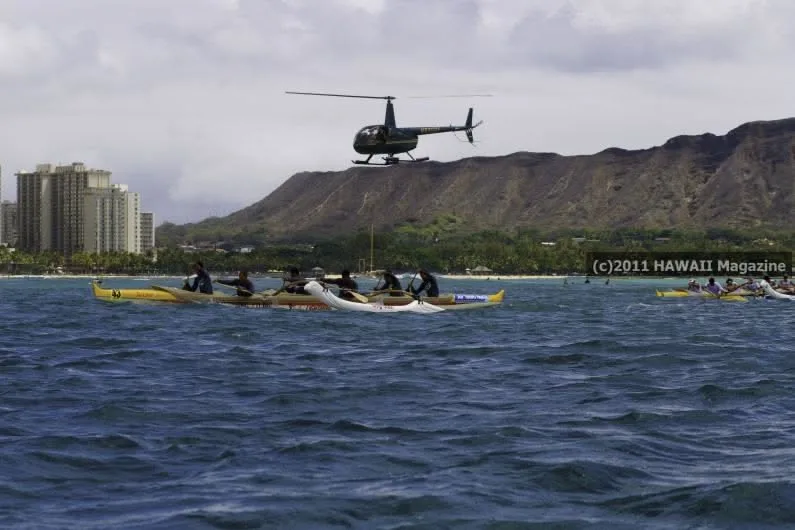
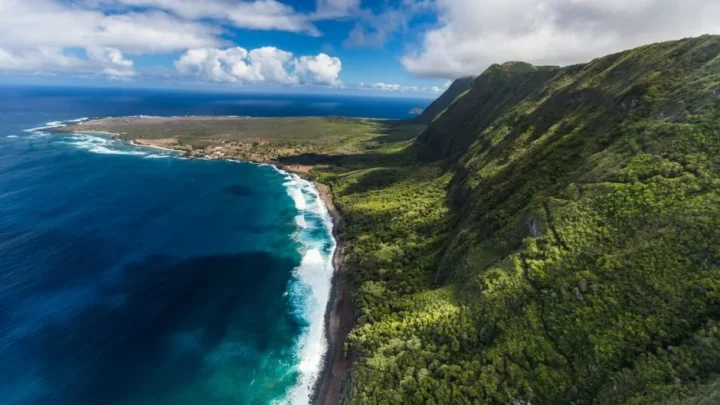
If you stand on the eastern cliffs of Oahu on a clear morning, the silhouette of Molokai rises directly across the open water. When planning a trip or simply scouting the horizon, figuring out how far is Molokai from Oahu depends entirely on how you measure the journey.
The shortest shore-to-shore gap across the Kaiwi Channel measures just 25.8 statute miles (41.5 kilometers). However, if you book a commercial flight from airport to airport, the actual travel distance is roughly 54 miles. Understanding these different measurements helps you plan sightlines, flights, and realistic day trips across the channel.
Quick Answer
🌺 Local Island Guide Quick Answer
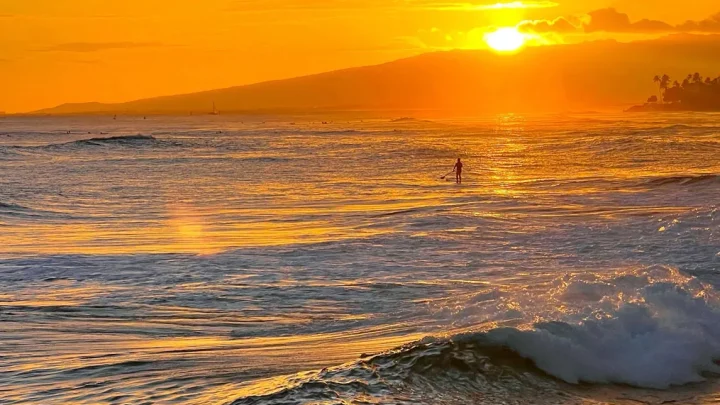
Molokai sits 25.8 miles east of Oahu across the Kaiwi Channel.
Commercial flights cover roughly 54 miles between Honolulu and Hoʻolehua.
Flight time takes 25 to 30 minutes.
No public passenger ferry operates between the islands.
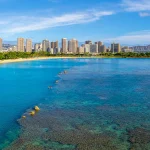
On clear days, Molokai is visible from East Oahu shorelines.
Image source: Web (Bing) / pinterest.com (Web image (fair-use with source credit))
The Exact Distance: Shoreline Gap vs. Flight Route
Measuring the distance between these two Hawaiian islands depends on whether you look at open water or aviation tracks. The physical gap between landmasses is remarkably short, but transit logistics require wider arcs.
Shore-to-Shore: The Kaiwi Channel Gap
The straight-line gap between the closest land points measures 25.8 statute miles (22.4 nautical miles). This measurement runs from Makapuʻu Point on the southeastern tip of Oahu to Ilio Point on the northwestern shore of Molokai.
The body of water separating them is the Kaiwi Channel. In the Hawaiian language, Kaiwi means "the bone." It reaches ocean depths of approximately 2,300 feet (700 meters). Because the channel is narrow and deep, it funnels trade winds and strong ocean swells between the islands.
Airport-to-Airport: Flying Between HNL and MKK
A flight route is longer than the physical shoreline gap. Aircraft must follow standard departure patterns, air traffic corridors, and approach vectors.
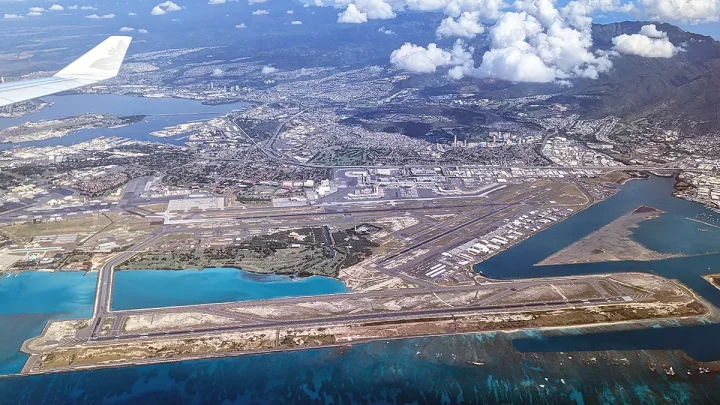
The flight path from Daniel K. Inouye International Airport (HNL) in Honolulu to Molokai Airport (MKK) in Hoʻolehua spans approximately 54 statute miles. If you fly to the remote Kalaupapa Airport (LUP) on Molokai's northern peninsula, the route covers about 58 miles.
| Route Type | Starting Point | Ending Point | Distance | Typical Travel Time |
|---|---|---|---|---|
| Shore-to-Shore (Channel) | Makapuʻu Point (Oahu) | Ilio Point (Molokai) | 25.8 miles (41.5 km) | 2 to 4+ hours (Private boat) |
| Commercial Air (Main) | Honolulu Intl (HNL) | Molokai Airport (MKK) | 54 miles (86.9 km) | 25 to 30 minutes |
| Commercial Air (Peninsula) | Honolulu Intl (HNL) | Kalaupapa (LUP) | 58 miles (93.3 km) | 30 minutes |
Spotting Molokai from Oahu: Best Shoreline Vantage Points
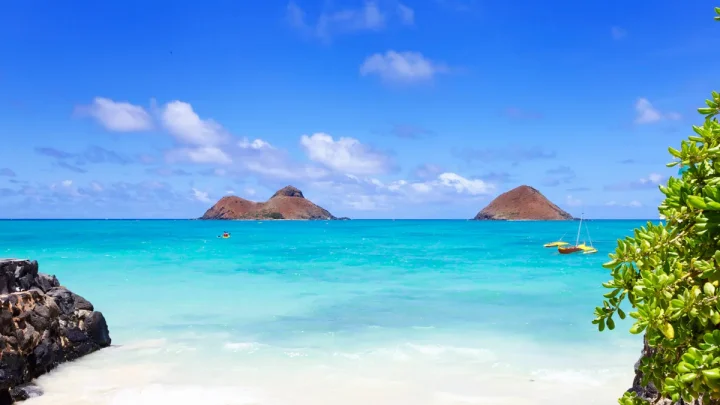
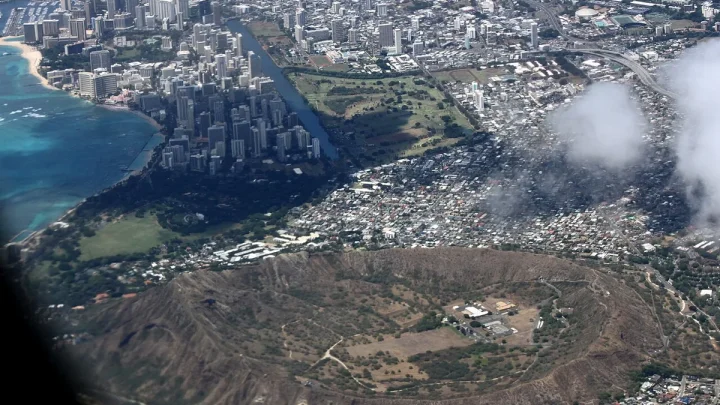
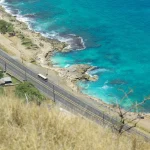
Because Molokai sits under 26 miles away, you can easily spot its high ridgelines from Oahu's eastern coastline. You do not need binoculars on a clear day to see the island's distinctive mountain profile.
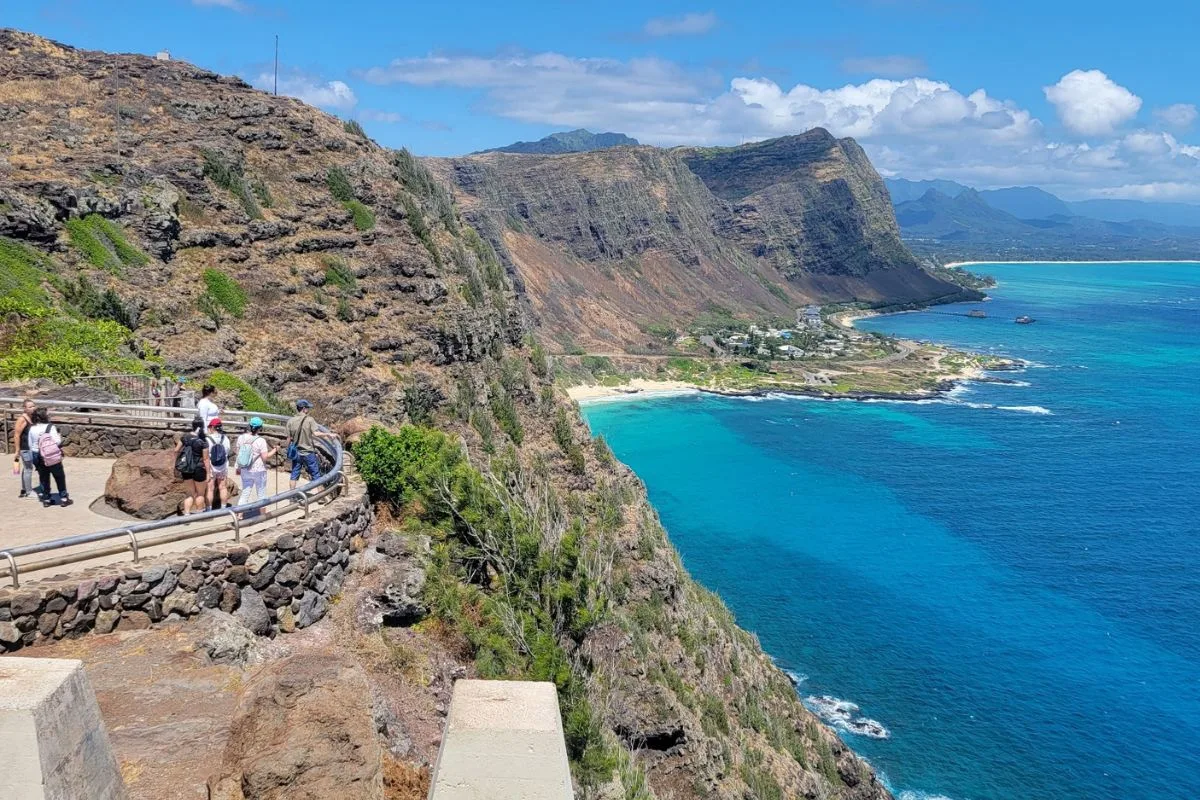
Image source: Web (Bing) / elwk.havytab.com (Web image (fair-use with source credit))
Top Line-of-Sight Locations on East Oahu
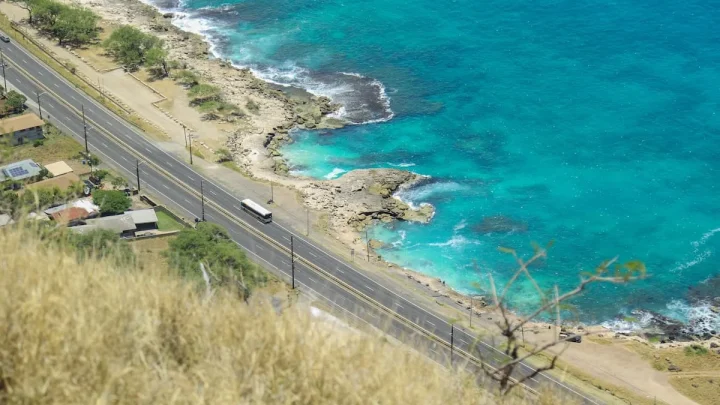
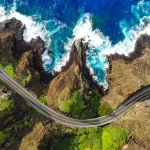
The best viewing areas sit along Kalanianaʻole Highway (Route 72) on Oahu's southeastern coast:
- Makapuʻu Point Lighthouse Trail: This paved ridge hike offers the closest public vantage point to Molokai on Oahu.
- Halona Blowhole Lookout: The elevated viewing platform gives an unobstructed panorama looking east across the channel.
- Sandy Beach Park: Standing at sea level here allows you to see Molokai right along the ocean horizon.
- Koko Head Crater Summit: Reaching the top of the Koko Crater stairs gives you high elevation and a clear view of Molokai and Lanai.
Ideal Weather and Visibility Conditions
Visibility depends on wind, rain, and atmospheric haze. In Hawaii, volcanic smog (vog) from the Big Island can occasionally create a gray horizon.
For the clearest view, visit East Oahu in the early morning after a trade wind pattern clears the air. Fresh northeasterly breezes push marine haze away, making Molokai's green slopes and West End bluffs stand out in sharp relief.
How to Fly from Oahu to Molokai: Airlines, Flight Times, and Airports
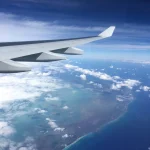
Flying is the only scheduled public transit method between Oahu and Molokai. As of 2026, major jet airlines do not fly this route because Molokai's runways and infrastructure cater to smaller turboprop aircraft.
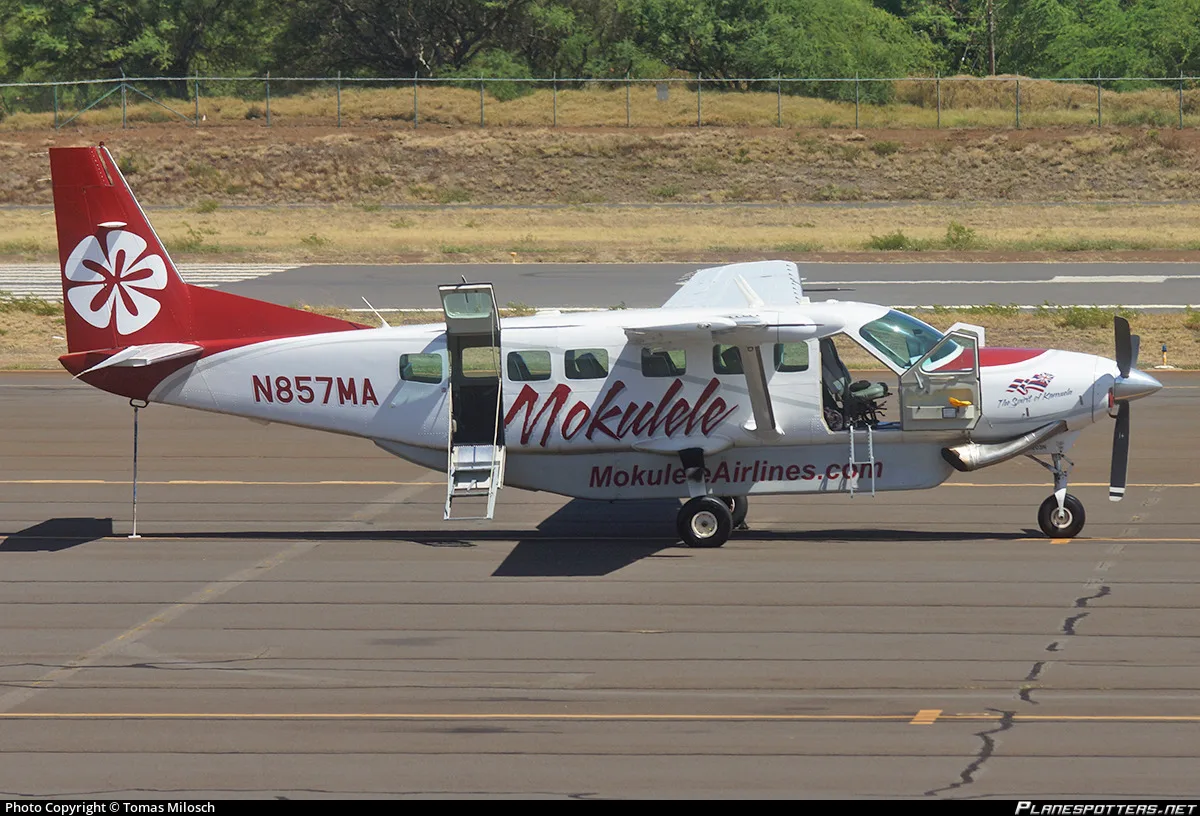
Image source: Bing (Web (fair-use with source credit))
Choosing Your Destination: Hoʻolehua (MKK) vs. Kalaupapa (LUP)
Molokai has two operational airfields serving distinct traveler needs:
- Molokai Airport (MKK): Located in central Hoʻolehua, this is the island's main commercial airport. It offers rental car desks, taxi pickups, and easy access to the central town of Kaunakakai.
- Kalaupapa Airport (LUP): Located on an isolated northern peninsula, this airstrip serves the historic settlement managed by the National Park Service. You cannot enter Kalaupapa as a casual tourist without pre-arranged state permits.
Commuter Airline Logistics and Baggage Realities
Mokulele Airlines (operated by Southern Airways Express) provides the primary scheduled passenger service between Oahu and Molokai. Flights depart from the dedicated commuter terminal at HNL rather than the main overseas gates.
The carrier flies 9-passenger Cessna 208B Grand Caravan aircraft. Because these planes are small, ground crews weigh each passenger and piece of luggage at check-in to satisfy strict balance rules from the Federal Aviation Administration.
Flight time from wheels up to touchdown is roughly 20 minutes. Gate-to-gate transit usually clocks in at just under half an hour.
Crossing by Water: The Kaiwi Channel and the Passenger Ferry Myth
A widespread travel myth suggests a public passenger ferry runs between Honolulu and Molokai. No commercial passenger ferry operates on this route.
The historical Hawaii Superferry ceased operations in 2009, and the former Maui Princess ferry only connected Maui to Molokai before ending service. Crossing by water today requires a private vessel, a chartered yacht, or an organized paddle race.
The Reality of Ocean Conditions in the Kaiwi Channel
The Kaiwi Channel is widely regarded by ocean navigators as one of the roughest channel crossings in the world. Open-ocean swells traveling thousands of miles across the Pacific collide with strong trade winds blowing through the 26-mile gap.
Real-time monitoring from the National Oceanic and Atmospheric Administration regularly records wave heights between 6 and 12 feet during standard trade wind cycles. During winter storms, channel swells frequently exceed 15 to 20 feet. These conditions produce severe pitching and rolling on small watercraft.
Boating and Paddling Across the Channel
Private motorized boats can make the crossing in 2 to 3 hours under moderate conditions. However, the transit demands an experienced ocean skipper, dual-engine redundancy, and full offshore safety gear.
The channel also hosts world-famous endurance competitions. The Molokai Hoe (outrigger canoe) and the Molokai 2 Oahu Paddleboard World Championships challenge elite athletes to cross the 26-mile channel entirely under human power.
Planning Your Trip: Day Trip vs. Multi-Day Stay Decision Framework
Because the flight takes under 30 minutes, Molokai seems like a simple day excursion from Waikiki. Whether a day trip makes sense depends on what you want to experience.
Is a Day Trip Right for You?
│
├── Want to see beaches, quiet roads, and grab a quick local lunch?
│   └── YES → Book morning departure (7:00 AM) and evening return (5:30 PM).
│
├── Want to hike Halawa Valley, explore east-end waterfalls, or relax deeply?
│   └── NO → Book an overnight stay (2 to 3 nights recommended).
│
└── Do you have a confirmed rental car on Molokai?
    ├── YES → Proceed with your flight booking.
    └── NO → STOP. Secure a vehicle first before buying plane tickets.
When a Fast Day Trip Works
A day trip is practical if you catch an early flight (around 7:00 AM) and a late afternoon return (around 5:30 PM). This schedule gives you roughly 8 hours on the ground.
During that window, you can drive to the vast sands of Papohaku Beach on the West End, visit the Kalaupapa Lookout at Palaʻau State Park, and pick up fresh bread in Kaunakakai.
When an Overnight Stay Is Necessary
An overnight trip is necessary if you plan to visit the lush Halawa Valley on the far eastern end. Driving to Halawa involves navigating a winding, single-lane coastal road that takes nearly two hours each way from the airport.
A multi-day stay also lets you adapt to the island's unhurried rhythm and limited business hours.
On-Island Transportation and Logistical Realities
Molokai has zero traffic lights and no public bus system. Ride-share services do not operate on the island.
If you fly over without a pre-booked rental car or a confirmed local tour guide, you will be stranded at the airport. Car supply on Molokai is extremely tight, so always lock in your vehicle reservation before purchasing non-refundable airfare.
Critical Mistakes to Avoid When Traveling from Oahu to Molokai
Crossing the channel between Oahu and Molokai is straightforward if you plan ahead. However, travelers frequently run into unexpected hurdles by treating Molokai like Oahu or Maui.
Here are the most common mistakes to avoid:
- Arriving at the wrong terminal at HNL: Mokulele Airlines departs from the commuter terminal on the far eastern side of Daniel K. Inouye International Airport. Do not go through the main TSA security checkpoints in the overseas terminal.
- Overpacking heavy bags: Commuter turboprop flights enforce strict weight policies. Checked bags over 50 pounds or bulky hard-sided cases may not fit in the aircraft hold and can get bumped to a later flight.
- Assuming you can wing your transportation: Rental car fleets on Molokai are tiny compared to Oahu. Always confirm your vehicle booking before purchasing non-refundable air tickets.
- Expecting late-night resort services: Most restaurants and grocery stores in Kaunakakai close by 6:00 PM or 7:00 PM. Plan your dinner and supply runs early in the day.
- Attempting an unpermitted visit to Kalaupapa: You cannot hike or drive down the sea cliffs into Kalaupapa on your own. Entry requires an authorized tour booking and state health approval.
Frequently Asked Questions About the Oahu to Molokai Distance
Can you see Molokai from Honolulu?
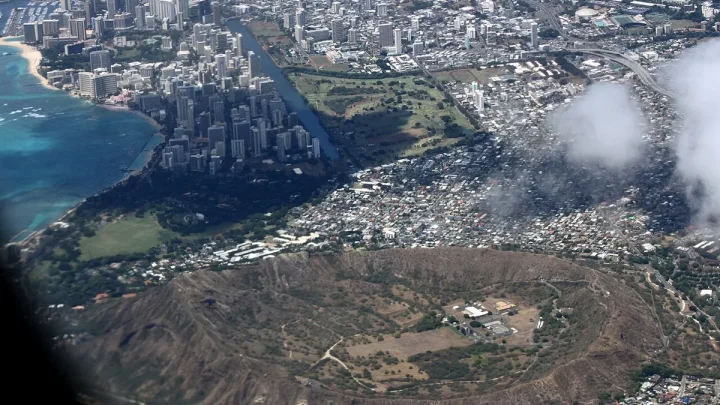
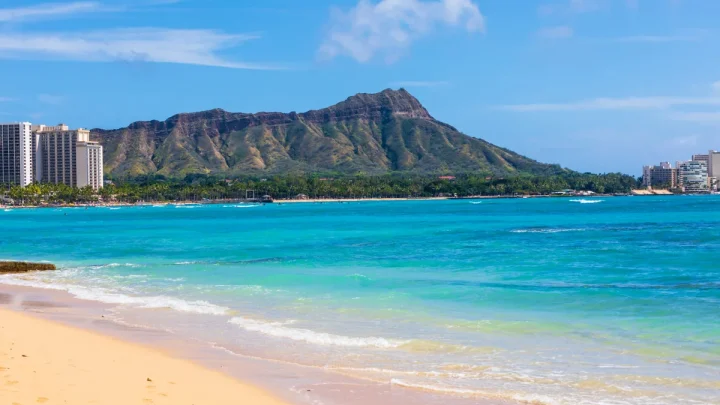
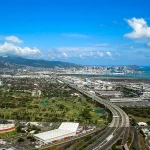
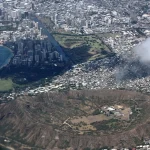
You generally cannot see Molokai from downtown Honolulu or Waikiki because Diamond Head blocks the eastern horizon. However, you can easily see Molokai once you drive past Diamond Head to areas like Hanauma Bay, Sandy Beach, and Makapuʻu Point.
Can you take a boat or ferry from Oahu to Molokai?
No commercial passenger ferry connects Oahu to Molokai. The only way to travel across the water is by booking a private ocean charter, taking your own seaworthy vessel, or joining an organized ocean paddle race.
How long is the flight from Oahu to Molokai?
The flight between Honolulu International Airport (HNL) and Molokai Airport (MKK) takes roughly 25 to 30 minutes gate-to-gate. The actual time spent in the air from takeoff to touchdown is only about 15 to 20 minutes.
What is the closest point on Oahu to Molokai?
The closest point is Makapuʻu Point on the southeastern tip of Oahu. From Makapuʻu across the Kaiwi Channel to Ilio Point on Molokai, the straight-line distance is exactly 25.8 statute miles (41.5 kilometers).
Can you swim from Oahu to Molokai?
Solo open-water endurance athletes have completed the 26-mile swim across the Kaiwi Channel. It is considered one of the toughest channel crossings on earth due to powerful currents, high ocean swells, and marine life. Swimmers always require dedicated support boats and safety crews.
🚗 Field-Tested Gear: Oahu Road Trips & Rental Car Protection
Avoid costly rental car detailing penalties from wet sand and keep navigation seamless across island mountain corridors with these road trip essentials:
- Waterproof Neoprene Car Seat Towel Covers:Check Waterproof Rental Seat Covers on Amazon →
- Magnetic Air Vent Car Phone Mount & GPS Companion:Check Travel Air Vent Car Mounts on Amazon →
*FTC Disclosure: As an Amazon Associate, Hawaii Travel Bureau earns from qualifying purchases. Learn more about our field-tested travel research methodology.*
🌺 Related Oahu Driving & Transit Guides:

Similar Posts