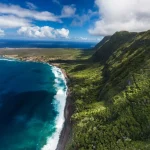
Where to Go in Hawaii: Best Islands & Must-See Spots

Where should tourists go in Hawaii? It's the question that stalls every trip plan. You have four main islands that feel like different countries.
Pick the wrong one and you'll spend your vacation driving or wishing you were somewhere else.
In our research, the Island of Hawaii alone covers 4,028 square miles as of 2026 data. That's larger than all the other islands combined. You cannot see it all in a single day.
Here's how to narrow your choice before you lock in flights and bases.
Why the Wrong Hawaiian Island Can Waste Your Whole Trip
Hawaii looks compact on a map. It is not. Getting between islands always means a flight, a rental car, and lost beach time.
Our research shows most first timers underestimate transit. An inter island flight is only 30 to 50 minutes in the air. The full airport to airport process eats four to six hours.
Do that twice in a seven day trip and you lose a full day.
The islands also reward different travel styles. That mismatch is where trips go wrong.
- You want nightlife, dining, and easy history. You book quiet Kauai and feel isolated.
- You want empty trails and dramatic cliffs. You book busy Waikiki and feel crowded.
- You want volcanoes and stargazing. You skip the Island of Hawaii entirely.
- You try to see four islands in one week. You spend more time in airports than on beaches.
Reservations add another trap as of 2026. Hanauma Bay, Diamond Head, Haleakala sunrise, and Haena State Park all require timed entry booked days or weeks ahead. The Hawaii Tourism Authority now lists advance booking as essential, not optional.
If you choose an island without checking these windows, you may miss the exact experience you flew for.
Where should tourists go in Hawaii?
Where should tourists go in Hawaii? First timers do best on Oahu or Maui. Families should pick Oahu for calm beaches and convenience.
Hikers and nature lovers belong on Kauai for dramatic trails. Volcano and stargazing fans belong on the Island of Hawaii.
That short answer works, but your best fit depends on four quick filters. Use them like a checklist before you book anything.
Filter 1: Trip length. If you have five to seven days, stick to one island. If you have eight to eleven days, you can split two. More than that and a slow two island stay still beats rushing three.
Filter 2: Travel party. Kids, mobility needs, and large groups favor convenience and calm water. Couples and solo adventurers can trade convenience for remoteness.
Filter 3: Primary want. Be honest about your number one joy. Is it beach time, hiking, surf, culture, or volcanoes. The islands are not interchangeable there.
Filter 4: Vibe and budget. Oahu gives you the most choice and the best value for short stays. Maui and Kauai cost more and feel more resort or nature focused. The Island of Hawaii needs more driving but offers the most variety in one place.
If you can name your length, party, want, and vibe, the decision tree below will route you cleanly.
Decision Tree: Which Island Should You Choose?
Use if then logic here. Start with your situation and follow the branch.
If it's your first time with 5 to 7 days: Oahu vs Maui
If you want the easiest classic Hawaii, pick Oahu. You get Waikiki beaches, Pearl Harbor, Diamond Head, and North Shore in one compact loop. You can stay in one base and day trip everything.
If you want a more resort heavy, honeymoon feel with great beaches and the Road to Hana, pick Maui. Maui is less city, more polished resort.
If you're traveling with kids: Calm beaches and convenience
If calm water and short drives matter most, pick Oahu. Base in Waikiki or Ko Olina for gentle lagoons and lots of food options. If your kids are older and love snorkeling, Maui's Kaanapali and Wailea also offer calm mornings and family friendly boat tours.
Save Kauai's strong currents and Big Island's long drives for a later trip.
If you want dramatic nature and hiking: Kauai vs Big Island
If you want lush, green, cliff filled hiking, pick Kauai. The Na Pali Coast and Waimea Canyon feel untouched and the island is small enough to explore without marathon drives. If you want raw volcanic hiking plus variety, pick the Island of Hawaii.
You can hike to overlooks of Kilauea one day and walk a rainforest the next.
If you want volcanoes, black sand, and stargazing: Island of Hawaii
If volcanoes are the priority, there is only one answer. Pick the Island of Hawaii. Hawaii Volcanoes National Park on the southeast side gives you Kilauea caldera views, lava fields, and Thurston Lava Tube.
The same island gives you black sand at Punaluu, green sand at Papakolea, and clear Mauna Kea stargazing above 9,000 feet.
If you want to get off the grid: Lanai and Molokai
If you truly want quiet and off grid, consider Lanai or Molokai as a second island. Lanai offers luxury seclusion with empty beaches. Molokai offers deep cultural roots and almost no development.
If you need nightlife or many restaurant choices, skip both. They are best as a two to three night add on after Oahu or Maui.
Where to Base Yourself on Each Island and What You Can Day-Trip
Your base decides your daily drive time. Pick one base per island. Avoid splitting hotels unless you stay eight nights or more.
| Island | Best Base for First Timers | Day Trip Radius | Good For |
|---|---|---|---|
| Oahu | Waikiki | Pearl Harbor, Diamond Head, Hanauma Bay within 30 minutes | Convenience, history, food |
| Maui | Kaanapali or Wailea | Road to Hana, Haleakala, Lahaina within 60 to 120 minutes | Beaches, resorts, whale season |
| Kauai | Poipu (south) or Hanalei Bay (north) | Waimea Canyon, Wailua Falls, Na Pali overlooks | Hiking, scenery, quiet |
| Island of Hawaii | Kona (west) and Hilo (east) split if 5 plus nights | Volcanoes National Park, Punaluu, Mauna Kea | Volcanoes, diversity, stargazing |
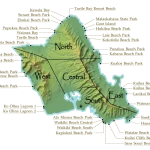
Oahu – Waikiki, North Shore, and Ko Olina
Waikiki puts you in the center. You can walk to beaches and restaurants and drive to Pearl Harbor or Diamond Head quickly. North Shore feels rural and surf focused.
It is best in summer for calm water or winter if you want to watch big surf. Ko Olina on the west side is quiet and lagoon based. It is great for families who want calm water without Waikiki crowds.
Maui – Kaanapali, Wailea, and Upcountry
Kaanapali is lively and beach front with easy snorkel tours to Molokini Crater. Wailea is polished and resort heavy with calmer beaches. Both keep you on the dry sunny side.
Upcountry and Haleakala are day trips, not bases. Plan Haleakala sunrise with a reservation and warm layers.
Kauai – Poipu, Lihue, and Hanalei Bay
Poipu stays sunny most of the year and gives you calm snorkel spots. Hanalei Bay is stunning and lush but wetter and more remote. Lihue is central for one night near the airport.
Do not try to drive the whole island daily. The road does not circle Kauai, so north and south feel separate.
Big Island – Kona, Hilo, and Hawaii Volcanoes National Park
Kona is dry and sunny with great snorkeling at Kealakekua Bay. Hilo is wet, green, and close to waterfalls and the volcano park. If you have four nights or fewer, pick Kona and do one long day to the park.
If you have five or more, split two nights in Volcano village to avoid four hours of driving in one day.
What to Book First: Inter-Island Flights, Rental Cars, and Timed-Entry Permits
Book in this order. It saves money and prevents sold out surprises.
Step 1: Lock inter island flights. Hawaiian Airlines and Southwest run frequent 30 to 50 minute hops. Prices range from 80 to 200 dollars one way. Morning flights waste less day.
Step 2: Reserve your rental car. Maui, Kauai, and the Island of Hawaii have limited inventory. Aggregate reviews report sellouts 60 to 90 days out in peak summer and winter. Oahu is easier with rideshares in Waikiki, but you still need a car for North Shore.
Step 3: Grab timed entry permits. As of 2026 these sell out first. Book them right after flights and cars.
- Hanauma Bay on Oahu requires a reservation two days ahead and costs about 25 dollars.
- Diamond Head requires a reservation.
- Haena State Park for the Kalalau Trail start on Kauai requires a reservation and often a shuttle.
- Haleakala sunrise on Maui requires a separate reservation plus the 30 dollar vehicle park entry.
Step 4: Build your days around the permits. Put beach days around calm mornings and hike days early to avoid heat. Save one flex day for weather. Trade winds bring brief showers to windward sides, so leeward bases stay drier.
Check surf and flash flood forecasts before ocean or canyon hikes.
In our research, travelers who book flights and cars first spend far less than those who chase last minute deals. Early booking also lets you choose a base that matches your branch in the decision tree, not just what is left.
Costly Mistakes Tourists Make Island-Hopping Hawaii
If you try to see everything, you will enjoy nothing. That is the most common regret we see in aggregate reviews.
These mistakes cost real time and money. Avoid them from the start.
- Booking three or four islands in seven days. You will lose two full days to airports, car returns, and check ins. Stick to one island for a week. Split two only if you have eight plus nights.
- Waiting to reserve a rental car. Maui, Kauai, and the Island of Hawaii sell out early. In our research, summer and winter holiday inventory often disappears 60 to 90 days ahead.
- Assuming you can walk up to top sites. Hanauma Bay, Diamond Head, Haleakala sunrise, and Haena State Park all need advance reservations. No reservation often means no entry.
- Ignoring windward versus leeward weather. Windward sides are wetter and lush. Leeward sides are dry and sunny. Picking the wrong side for your base can mean daily rain on your beach time.
- Underestimating Big Island drives. Kona to Hawaii Volcanoes National Park is about two hours each way. Kona to Hilo over Saddle Road is similar. Plan one long park day or split your stay.
- Crowding wildlife or touching reef. Federal law protects green sea turtles and Hawaiian monk seals. Keep at least 10 feet from turtles and 50 feet from monk seals. Use only reef safe sunscreen without oxybenzone or octinoxate.
Fix this with simple if then rules. If your trip is short, then stay put and go deep. If you must split islands, then fly early morning and keep the same rental company to save time.
If you want a famous hike or sunrise, then book that permit the day you book flights.
FAQs: Where Should Tourists Go in Hawaii?
What is the best Hawaiian island for first time visitors?
Oahu is best for most first timers. You get Waikiki beaches, Pearl Harbor, Diamond Head, and North Shore without inter island flights. Maui is the runner up if you want a more resort focused beach trip with easy day trips to Haleakala and the Road to Hana.
How many islands should you visit in one trip?
One island is ideal for five to seven days. Two islands work well for eight to eleven days if you plan one early inter island flight. More than two turns a vacation into transit.
You will spend more time in airports than exploring.
Which Hawaiian island is best for families with young kids?
Oahu and Maui are easiest for families. Oahu offers calm lagoons at Ko Olina, gentle Waikiki water, and short drives to attractions. Maui offers calm morning beaches at Kaanapali and Wailea plus family friendly snorkel tours.
Both have more dining and medical options close by.
Which island is best for hiking and dramatic nature?
Pick Kauai for lush coastal hikes and Waimea Canyon. The Na Pali Coast delivers the most dramatic scenery, but trails are steep and can be muddy. Pick the Island of Hawaii for volcanic hikes, lava fields, and rainforest in one trip.
Both require good shoes, water, and early starts.
Do you need a rental car on every island?
Yes on Kauai, Maui, and the Island of Hawaii. Buses are limited and top trailheads and beaches are spread out. On Oahu you can skip a car in Waikiki for a few days and use rideshares.
Add a car for any North Shore or windward side day trips.

Similar Posts