Why Is Maui More Expensive Than Oahu? The Real Reasons
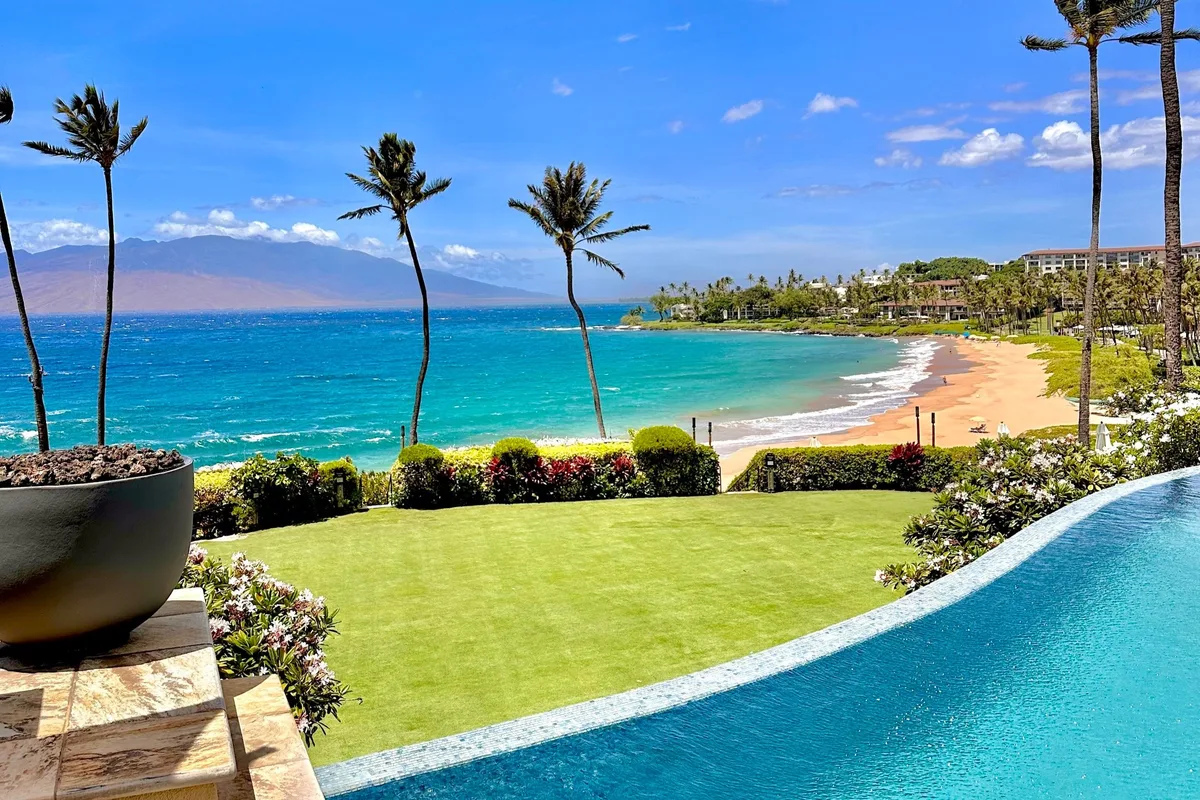
Image source: Bing (Web (fair-use with source credit))
Planning a Hawaiian vacation often leads to sticker shock when comparing destination budgets. If you are researching why is maui more expensive than oahu, the simple answer comes down to limited supply, freight logistics, and land zoning. Maui focuses on lower-density luxury escapes, while Oahu is built to handle high-volume tourism efficiently.
State tourism records show visitors on Maui consistently spend 20 to 30 percent more per day than those visiting Oahu. According to research from the Hawaii Tourism Authority, higher average hotel rates and mandatory car rentals drive most of this price gap. Looking at the fundamental economic differences between both islands explains exactly where your money goes.
Quick Answer
🌺 Local Island Guide Quick Answer
Maui is more expensive than Oahu due to lodging supply and transportation logistics. Oahu offers thousands of competitive hotel rooms across Waikiki. Maui features sprawling luxury resorts with high nightly rates.
Goods shipped to Maui also incur a secondary inter-island freight charge. You must also rent a car on Maui to explore the island.
The Real Economics Behind Maui's Higher Price Tag
The core price difference between the two islands stems from basic scale. Oahu is home to roughly one million permanent residents. That large local population supports massive commercial infrastructure, competitive wholesale distribution, and shared municipal services.
Maui has a resident population of around 165,000 people. As a result, businesses on Maui cannot rely on high local volume to offset overhead costs. Instead, merchants and service providers must charge higher margins to stay profitable.
As of 2026, daily visitor expenditures on Maui average well over $300 per person per day. Oahu averages closer to $240 per person per day. Oahu functions as a working metropolitan economy that happens to host tourists.
Maui operates primarily as a boutique resort economy where nearly every sector caters directly to the visitor market.
| Economic Factor | Oahu | Maui |
|---|---|---|
| Primary Commercial Focus | Diversified urban center and tourism | Resort tourism and agriculture |
| Resident Population | Approximately 1,000,000 | Approximately 165,000 |
| Hotel Inventory Strategy | High-density vertical towers | Low-density sprawling acreage |
| Freight Entry Point | Direct trans-Pacific deep-water port | Secondary inter-island barge transfer |
Lodging Dynamics: Waikiki High-Rises vs. Maui Luxury Enclaves
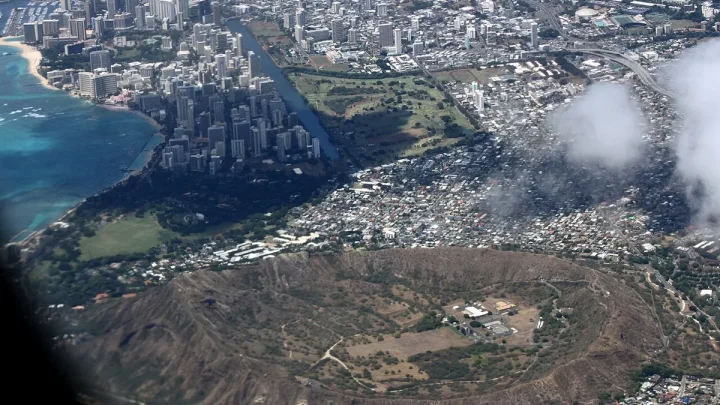
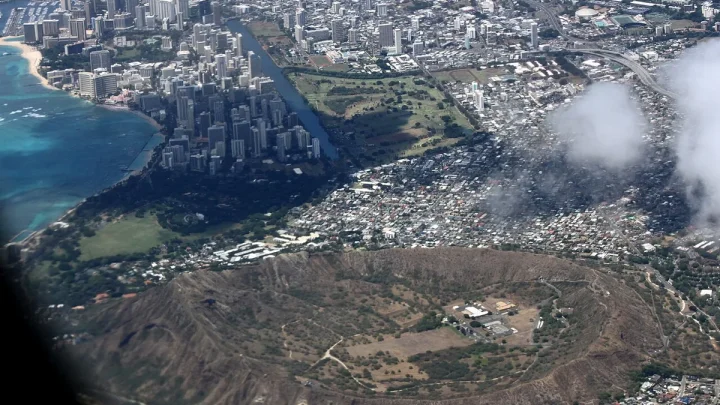
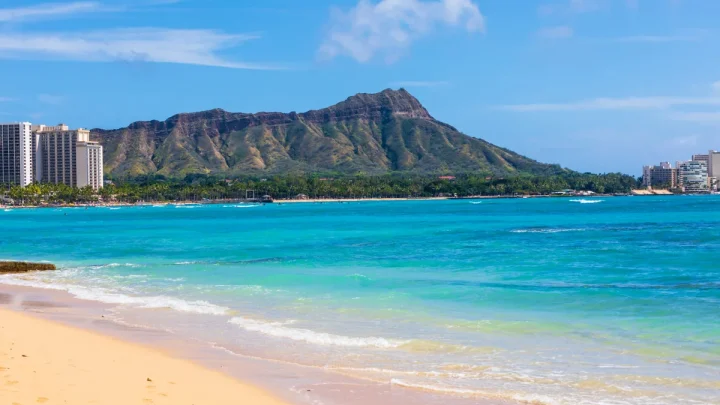
Lodging represents the single largest expense of any Hawaii trip. On Oahu, the vast majority of hotel rooms sit concentrated inside Waikiki. This dense two-mile strip holds more than 30,000 hotel rooms.
High inventory forces properties to compete vigorously across budget, mid-tier, and luxury brackets.
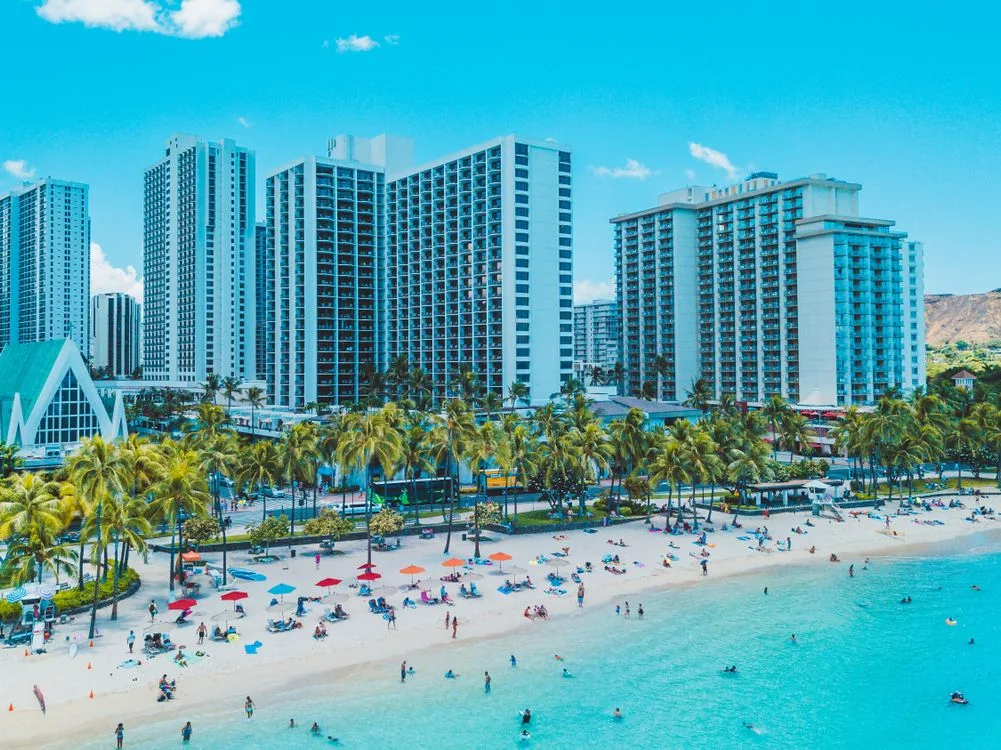
Image source: Bing (Web (fair-use with source credit))
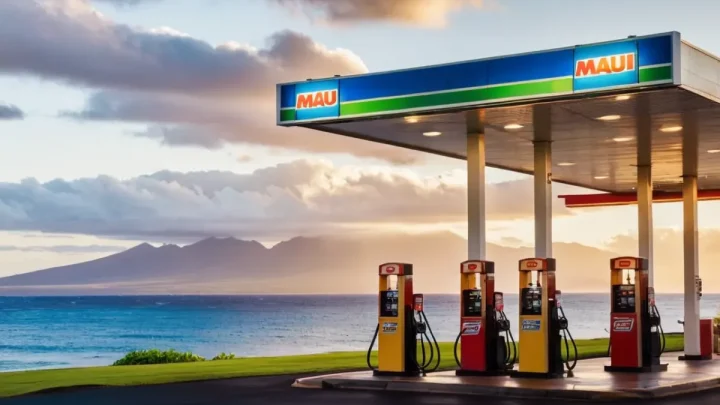
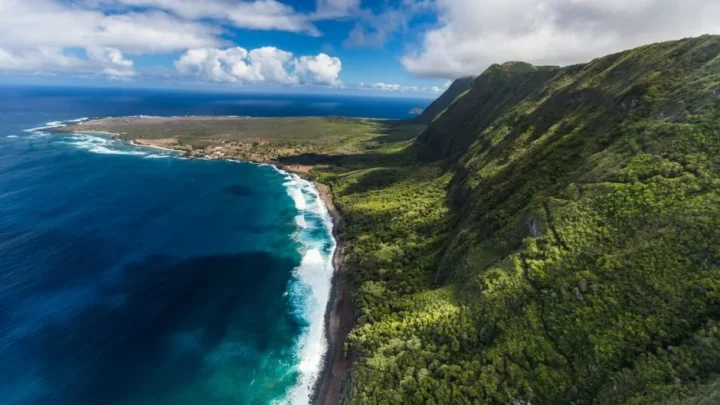
Maui takes the opposite architectural approach. Accommodations on the Valley Isle are clustered in master-planned resort communities like Wailea, Kapalua, and Kaʻanapali. These properties feature low-rise layouts, expansive oceanfront lawns, golf courses, and multi-pool complexes.
Maintaining low-density luxury requires vast acreage and substantial maintenance staff. The Average Daily Rate (ADR) on Maui routinely exceeds $550 to $650 per night. On Oahu, the ADR consistently hovers between $270 and $320 per night.
Maui also enforces tighter zoning restrictions on vacation rentals. Following county legislation and housing recovery initiatives, short-term rental supply outside designated resort zones remains heavily constrained. With fewer rooms available and strong global demand, Maui hoteliers have little incentive to discount their rates.
Freight and the "Double-Island" Supply Chain Surcharge
Almost 90 percent of all consumer goods and food consumed in Hawaii are imported from the mainland United States. How those goods arrive creates a permanent cost disparity between islands.
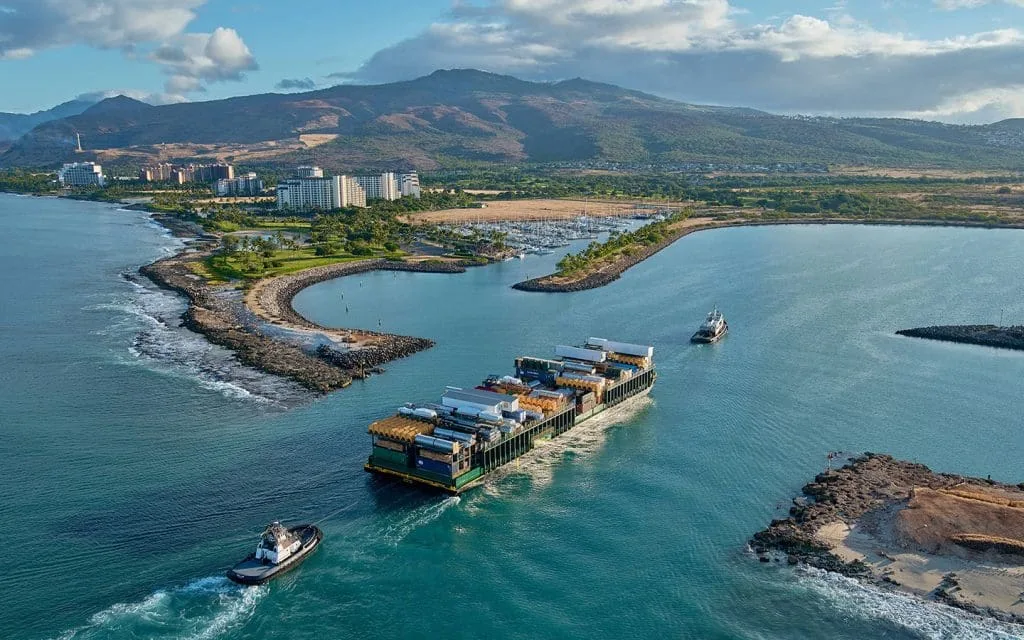
Image source: Bing (Web (fair-use with source credit))
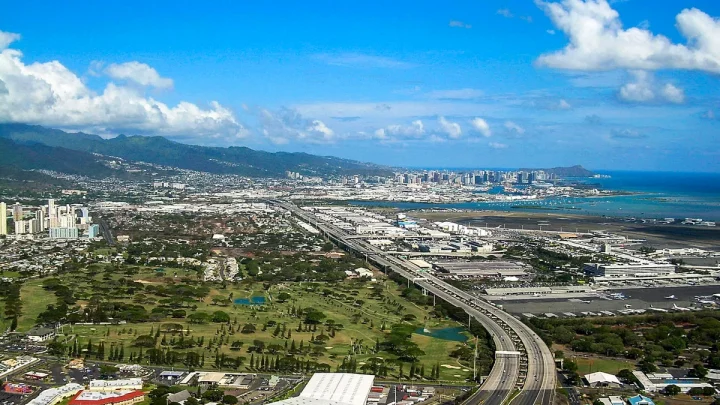
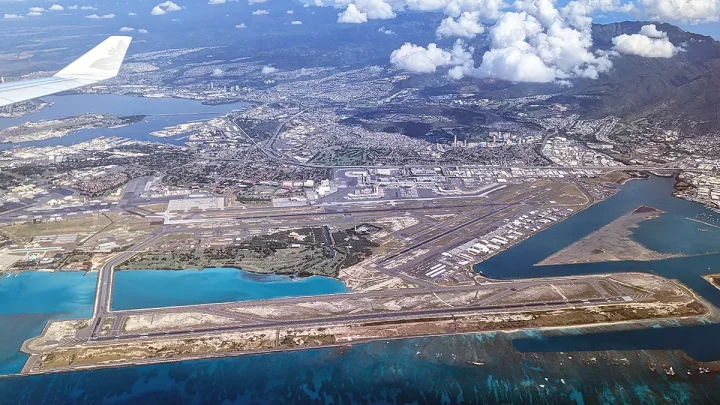
Honolulu Harbor on Oahu serves as the primary commercial shipping hub for the entire state. Ocean carriers such as Matson unload massive container ships directly at Oahu docks. Goods intended for Oahu stores move straight from the dock onto local delivery trucks.
Cargo bound for Maui faces an extra leg of travel. Containers must be offloaded in Honolulu, sorted, and reloaded onto inter-island tug-and-barge vessels operated by carriers like Young Brothers.
According to economic reports from the Hawaii Department of Business, Economic Development & Tourism, this secondary freight handling adds port fees, fuel surcharges, and maritime labor costs. By the time a pallet of milk, produce, or building materials arrives at Kahului Harbor on Maui, multiple freight surcharges have already inflated the base wholesale price.
Ground Transportation: The Car-Rental Trap vs. Public Transit
Transportation is another category where Maui trips become significantly more expensive. Maui's top attractions are spread out across dramatic geographic zones. To visit Haleakala National Park, explore the Road to Hana, or reach remote beach parks, you must have a dedicated rental car.
Rental cars on Maui carry high daily base rates, often running $75 to $120 per day. When you factor in airport concession fees, state taxes, gasoline prices hovering near $5 per gallon, and hotel parking fees that reach $40 to $60 per night, ground transportation on Maui easily adds $150 or more to your daily travel bill.
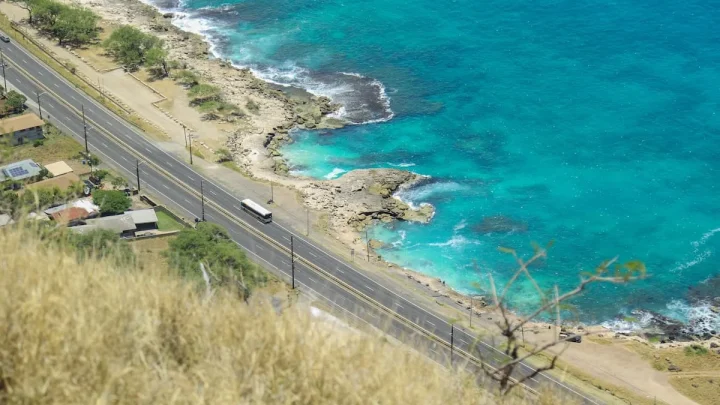
Oahu offers flexible alternatives that allow travelers to skip rental cars entirely. The City and County of Honolulu operates TheBus, an award-winning public transit network that reaches almost every corner of the island for just $3 per ride using a HOLO card.
Visitors staying in Waikiki can walk to hundreds of restaurants, shops, and surf breaks. Rideshares and tour shuttles are also widely available. Many Oahu visitors rent a car for just one or two days to explore the North Shore, saving hundreds of dollars compared to a week-long Maui car rental.
Dining Out and Groceries: Urban Variety vs. Resort-Dominated Menus
The food landscape on each island directly reflects its underlying economy. Because Oahu has a massive residential population, it features an enormous variety of budget-friendly dining options.
Honolulu boasts vibrant neighborhood eateries, Chinatown markets, noodle shops, food halls, and local plate-lunch counters. In these spots, a filling meal costs between $12 and $18. You can easily eat well on Oahu without stepping foot inside a resort dining room.
Maui has excellent dining, but its options skew heavily toward high-end resort restaurants and chef-driven concepts. In areas like Wailea or Kapalua, standard dinner entrees routinely start at $45 to $65. Casual dining exists in towns like Kahului, Kihei, and Wailuku, but options are far less concentrated than in Honolulu.
Grocery stores on Maui also reflect the inter-island shipping premium. Buying basic groceries in Kihei or Lahaina costs noticeably more than buying those same items at an Oahu supermarket. For families planning to cook meals in a condo kitchen, grocery receipts on Maui still reflect the higher cost of island distribution.
Head-to-Head Trip Cost Breakdown: A 7-Day Scenario
To see how these individual categories add up, compare realistic estimates for two travelers taking a week-long trip. This comparison assumes mid-tier accommodations, standard rental vehicles or transit, casual dining with a few nice dinners, and typical activities.
Taxes add a noticeable amount to the final bill on both islands. Hawaii applies a 10.25 percent State Transient Accommodations Tax, plus an additional 3 percent County Transient Accommodations Tax. When you include the standard 4 to 4.5 percent General Excise Tax, lodging taxes alone add roughly 18 percent to your base hotel rate.
| Expense Category (7 Nights, 2 Adults) | Oahu (Mid-Tier Vacation) | Maui (Mid-Tier Vacation) |
|---|---|---|
| Lodging (7 nights + taxes/fees) | $2,250 ($320/night) | $4,200 ($600/night) |
| Transportation (Car/Transit + Gas + Parking) | $450 (Mix of transit + 2-day rental) | $1,050 (Full-week rental + parking + fuel) |
| Food & Dining ($120/day vs $190/day) | $840 | $1,330 |
| Activities & Excursions | $500 | $650 |
| Estimated Total Trip Cost | $4,040 | $7,230 |
The resulting difference is substantial. A couple visiting Maui can easily spend $3,000 more for a one-week stay than they would on Oahu for a comparable tier of travel. Most of that surplus goes directly toward room rates, vehicle rental charges, and resort parking fees.
Practical Ways to Cut Costs on Both Islands
You can manage your travel budget on either island by making a few smart adjustments before booking. Strategic planning helps you avoid common tourist price traps and keep daily expenses reasonable.
- Split your lodging locations: On Oahu, look at boutique properties a few blocks back from Waikiki Beach to cut room costs in half. On Maui, consider staying in Kihei instead of Wailea or Kaʻanapali to secure lower nightly condo rates.
- Rethink your rental vehicle schedule: On Oahu, rely on TheBus, airport shuttles, and walking for the first few days. Rent a car only for a single day trip to the North Shore. On Maui, book through local peer-to-peer car sharing platforms to bypass standard airport concession fees.
- Shop at big-box wholesale clubs: Both islands have Costco locations near their main airports in Honolulu and Kahului. Stock up on snacks, drinks, breakfast supplies, and reef-safe sunscreen immediately after landing.
- Balance paid tours with free public recreation: Hawaii's best assets are its beaches, coastal trails, and state parks, which are free or require minimal entry fees. Swap expensive commercial catamaran cruises for shore snorkeling at protected marine preserves.
Frequently Asked Questions About Maui and Oahu Travel Costs
Is food significantly cheaper on Oahu than on Maui?
Yes, food is noticeably cheaper on Oahu. Oahu has a huge local population that supports diverse, low-cost neighborhood eateries, noodle shops, and supermarket delis. Maui dining relies heavily on resort-oriented restaurants and incurs secondary shipping fees on groceries, which drives up menu prices across the island.
Can you visit Maui without renting a car to save money?
Visiting Maui without a rental car is difficult and rarely practical. Maui lacks comprehensive public transit outside small town pockets, and rideshare fees between distant resort areas add up quickly. If you want to explore the island beyond your hotel grounds, a rental vehicle is necessary.
Which island is better for a budget-conscious family vacation?
Oahu is the better option for families traveling on a budget. The high volume of hotel inventory creates competitive rates, and many properties sit within walking distance of calm beaches, casual food options, and free attractions. You can also explore the island using public transit to eliminate rental car expenses.
Why are rental cars on Maui more expensive than on Oahu?
Maui has a smaller total fleet of vehicles and strict physical limits on rental storage lots. High visitor demand frequently outstrips available supply during peak travel seasons. Oahu maintains much larger rental fleets, which creates stronger price competition among major rental agencies.
Is Oahu cheaper than Maui for flights from the US mainland?
Flights to Oahu are generally cheaper because Daniel K. Inouye International Airport in Honolulu is the primary aviation hub for Hawaii. It handles more direct routes and higher passenger volume from major airlines.
Flights into Maui's Kahului Airport often carry higher base fares due to fewer daily flight slots.
🎒 Field-Tested Gear: Hawaii Vacation Planning & Daypack Essentials
Sudden tropical mountain showers and high-humidity hikes require versatile, lightweight packing essentials tested for Hawaii’s climate:
- Ultra-Light Packable Travel Daypack & Rain Shell:Check Lightweight Packable Daypacks on Amazon →
- Insulated Stainless Steel Travel Water Bottle:Check Insulated Island Travel Bottles on Amazon →
*FTC Disclosure: As an Amazon Associate, Hawaii Travel Bureau earns from qualifying purchases. Learn more about our field-tested travel research methodology.*
🌺 Related Oahu Vacation Planning & Seasonal Guides:

Similar Posts