What to Wear in Oahu: The Ultimate Packing Guide
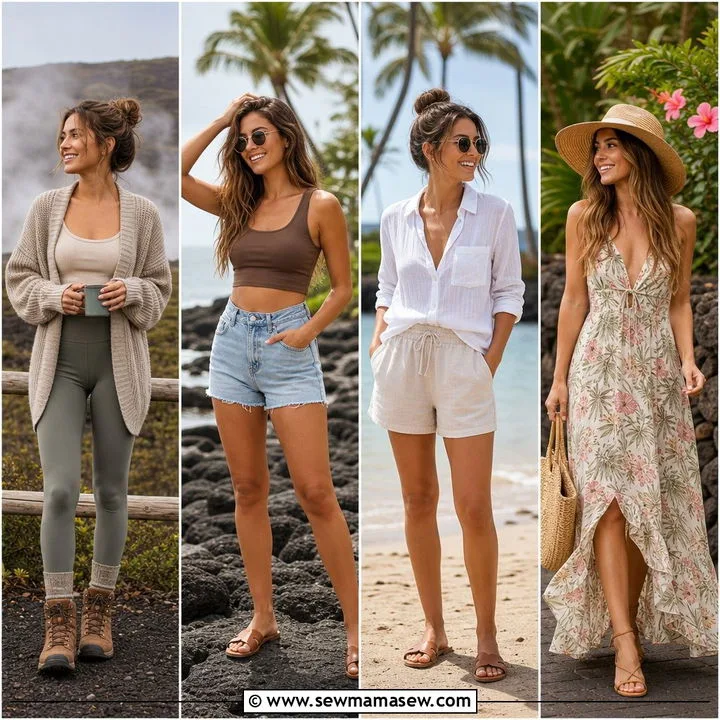
Packing for Hawaii often trips up first-time visitors because the island environment varies by the mile. Knowing what to wear in oahu requires balancing tropical heat, mountain rains, trade winds, and casual local style. You want comfortable clothes that transition easily from ocean shores to open-air restaurants.
The island averages daytime highs between 80°F and 88°F (27°C to 31°C) year-round, but microclimates create wildly different conditions across regions. Per National Oceanic and Atmospheric Administration records, windward ridges can receive over 100 inches of annual rain while leeward beaches stay dry. Planning your wardrobe around these distinct zones makes packing simple and stress-free.
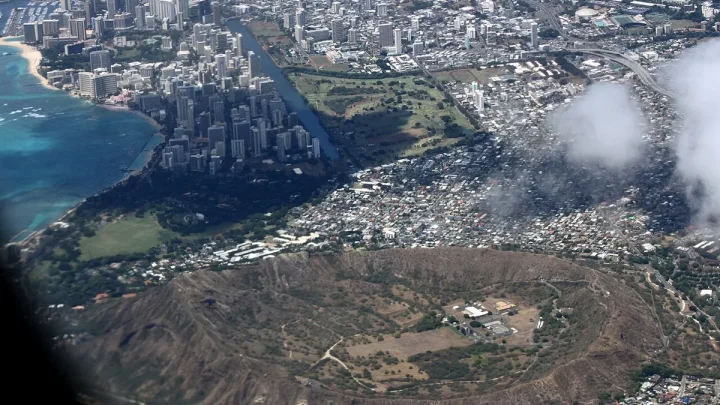
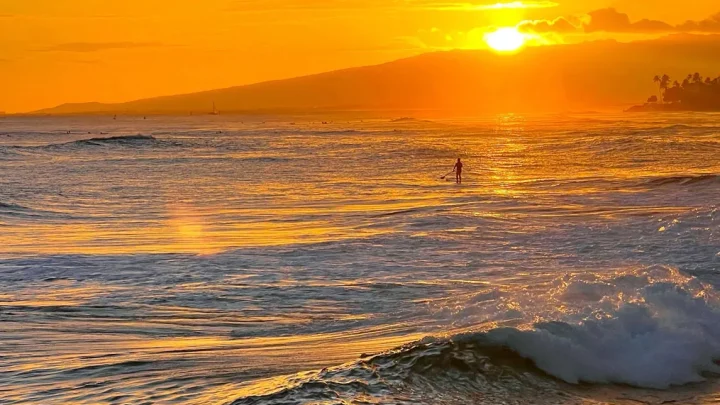
Image source: Bing (Web (fair-use with source credit))
Quick Answer
What to wear in Oahu comes down to breathable layers. Pack lightweight linen, cotton, and quick-drying athletic clothes. Bring rash guards and boardshorts for ocean activities.
Wear sturdy trail runners for muddy ridge hikes. Choose resort casual wear with aloha shirts for evening dining.
Oahu Microclimates and the Golden Rules of Island Dressing
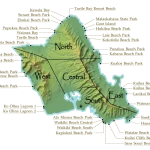
Oahu has several distinct weather zones. The Leeward coast, including Waikiki and Ko Olina, stays warm, sunny, and dry most of the year. The Windward side, including Kailua and Kaneohe, catches ocean breezes and frequent passing showers that keep the landscape lush.
As of 2026, climate patterns across the island continue to reward travelers who use a three-part daily clothing strategy. The foundation is a base swim layer, followed by a breathable daytime outfit, topped by a light shell for trade winds or heavy air conditioning.
Local style leans heavily toward casual comfort. Upscale venues welcome refined tropical attire rather than formal business wear. You will rarely need a suit jacket, tie, or formal evening gown anywhere on the island.
| Oahu Region | Typical Weather | Best Clothing Choice | Key Item to Carry |
|---|---|---|---|
| South Shore (Waikiki / Honolulu) | 82°F–88°F, sunny, dry | Linen shirts, shorts, sundresses | Polarized sunglasses |
| Windward Coast (Kailua / Kaneohe) | 78°F–84°F, breezy, showers | Quick-dry tops, boardshorts | Packable rain shell |
| North Shore (Haleiwa) | 80°F–86°F, sunny, surf spray | Casual tees, denim shorts, swim trunks | UPF sun hoodie |
| Central & Ridges (Manoa / Pali) | 72°F–78°F, rainy, windy | Moisture-wicking activewear | Mud-ready trail runners |
What to Wear by Activity: The Oahu Day-by-Day Outfit Matrix
Your daily itinerary dictates your clothing choices far more than the time of year. A morning spent hiking a muddy ridge requires entirely different gear than an afternoon catamaran cruise or an evening dinner in Waikiki.
Muddy Ridge Hikes and Inland Trails
If you plan to hike Manoa Falls, Kaau Crater, or the Lanikai Pillboxes, wear moisture-wicking athletic tops and synthetic shorts or leggings. Oahu trails feature slick volcanic clay and steep inclines.
Avoid wearing white or light-colored clothes on inland trails. The red volcanic soil contains iron oxide that stains light fabrics permanently after a single hike. Choose dark shorts and moisture-wicking synthetic socks.
Beaches, Snorkeling, and Catamaran Sails
For beach days at Hanauma Bay or Shark's Cove, pack UPF 50+ rash guards, comfortable boardshorts, and fitted swimsuits. A long-sleeve rash guard protects your back and shoulders from intense UV rays during extended snorkeling sessions.
Bring a dark, breathable cover-up or a dry change of clothes for the ride back. If you take a sunset catamaran cruise, bring a light windbreaker. Ocean spray combined with 20 mph trade winds feels brisk once the sun drops.
Resort Dining, Luaus, and Honolulu Nightlife
Evening dress codes across Oahu fall under the umbrella of resort casual. For men, a quality aloha shirt paired with tailored chino shorts or lightweight linen trousers is standard everywhere, including fine-dining spots like Merriman's and Senia.
For women, midi sundresses, maxi dresses, jumpsuits, or linen sets work perfectly. Pair them with stylish flat sandals or low wedges. High stiletto heels sink into beachfront lawns during luaus and catch on boardwalk slats.
Cultural and Historic Sites: Pearl Harbor and Iolani Palace
Visiting the USS Arizona Memorial requires respectful, modest attire managed under National Park Service visitor guidelines. Shirt and footwear are mandatory, and beachwear alone is not allowed.
Choose a short-sleeve shirt or blouse with walking shorts that reach near the knee. Keep in mind that Pearl Harbor enforces a strict no-bag policy for security. Wear clothing with secure zippered pockets to hold your phone, wallet, and keys.
The Oahu Footwear Decision Guide: What to Pack and What to Leave Behind
Footwear mistakes are the most common source of visitor discomfort in Oahu. You only need three or four specific pairs of shoes to cover every possible island activity.
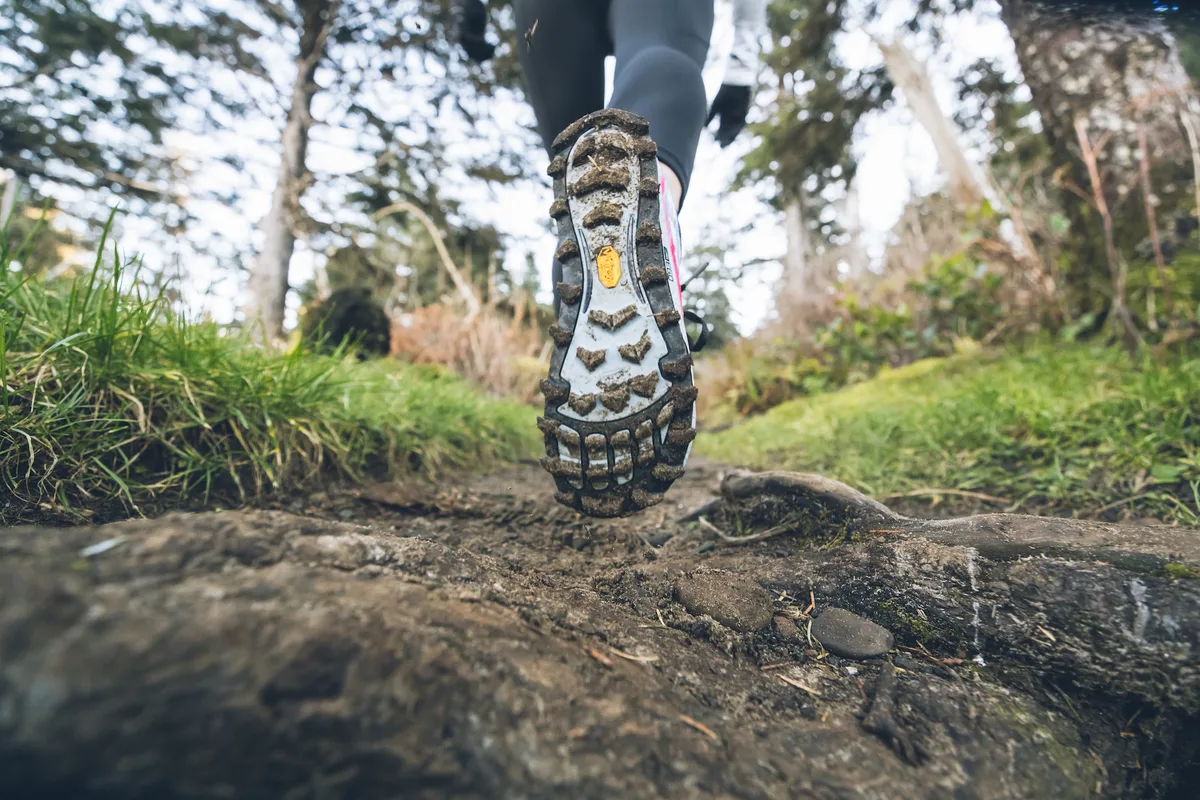
Image source: Web (Bing) / storage.googleapis.com (Web image (fair-use with source credit))
- Local Slippers (Flip-Flops): Pack high-support rubber or leather slippers for the beach, casual walks, and grocery runs. Local brands like OluKai or Scott Hawaii offer arch support for walking around town.
- Trail Running Shoes: Choose lightweight trail runners with aggressive rubber lugs for hiking. They grip wet clay better than flat-soled sneakers and dry much faster than heavy waterproof boots.
- Water Shoes: Bring neoprene slip-ons with sturdy rubber soles for rocky entries at North Shore tide pools and Shark's Cove. Sharp coral and volcanic lava rock can cut bare feet easily.
- Dress Sandals or Boat Shoes: Pack one pair of clean leather sandals, loafers, or canvas boat shoes for dinners, luaus, and shopping in Waikiki.
Leave heavy, waterproof Gore-Tex hiking boots at home. They trap moisture inside during humid hikes, add excess weight to your luggage, and take days to dry in island humidity.
Fabric and Sun Strategy: Dealing with UV, Humidity, and Trade Winds
Oahu sits close to the equator, meaning the UV index regularly reaches 11 or higher between 10:00 AM and 3:00 PM. High humidity also slows down sweat evaporation, making fabric choice critical.
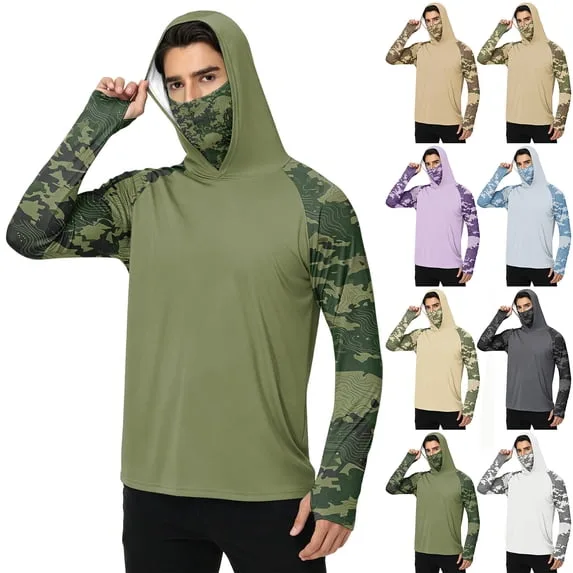
Image source: Web (Bing) / walmart.com (Web image (fair-use with source credit))
Natural fibers like pure linen, lightweight cotton voile, and Tencel allow air to circulate freely around your body. These fabrics feel cool during relaxed afternoons in Honolulu and coastal resort areas.
For active adventures, switch entirely to synthetics such as nylon, polyester, and spandex blends. Synthetic activewear pulls sweat away from your skin, resists chafing from trapped salt water, and dries quickly after sudden rain showers.
Trade winds blow steadily across the island at 15 to 25 mph. Choose wide-brim sun hats equipped with an adjustable chin cord so they do not blow away at lookout points like Nuuanu Pali. Opt for fitted wrap dresses or heavier midi skirts that stay grounded in gusty wind.
Packing Mistakes That Ruin Clothes (and How to Avoid Them)
Small packing errors can lead to stained garments, chafed skin, and wasted suitcase space. Knowing what hazards exist on the island helps you protect your favorite clothing.
- Wearing White Shoes on Hikes: Wet red dirt acts like liquid dye on white mesh sneakers. Designate an older, darker pair of trail runners for your outdoor adventures.
- Packing Heavy Denim: Heavy jeans absorb moisture, feel suffocating in 85-degree humidity, and refuse to air-dry inside hotel rooms. Stick to lightweight cotton chinos or linen pants.
- Forgetting a Dry Bag: Placing wet swimwear inside your daypack dampens your dry evening clothes and electronics. Use a compact 10-liter dry bag to isolate soaked beach gear.
- Wearing Wet Swimwear into Stores: Walking straight from the beach into air-conditioned grocery stores or restaurants feels freezing. Throw a dry shirt or dress over your suit before heading indoors.
- Bringing Dry-Clean-Only Silks: Humidity and tropical rain showers can water-spot delicate silk tops quickly. Choose washable rayon, modal, or linen instead.
Essential Oahu Packing Checklist: Men, Women, and Kids
A balanced packing list prevents overpacking while keeping you prepared for sudden microclimate changes. Aim for a 3-to-1 ratio of tops to bottoms. Tops get sweaty quickly in tropical humidity, while quality shorts and skirts can easily be worn multiple times.
Oahu Packing Checklist for Men
- Tops: 3 breathable cotton or linen tees, 2 authentic aloha shirts, 2 UPF 50+ athletic shirts, 1 long-sleeve rash guard.
- Bottoms: 2 pairs of stretch boardshorts, 2 pairs of casual chino shorts, 1 pair of lightweight linen trousers.
- Footwear: 1 pair of cushioned rubber slippers, 1 pair of dark trail runners, 1 pair of canvas slip-ons or boat shoes.
- Accessories: 1 polarized pair of sunglasses, 1 adjustable UPF sun hat, 1 lightweight windbreaker for breezy lookouts.
Oahu Packing Checklist for Women
- Tops & Dresses: 2 casual tank tops, 2 linen blouses, 2 breezy midi sundresses, 1 lightweight jumpsuit, 1 UPF sun hoodie.
- Bottoms & Swim: 3 swimsuits (mix of active and lounge styles), 2 pairs of lightweight shorts, 1 pair of dark athletic leggings for hikes.
- Footwear: 1 pair of supportive leather or rubber slippers, 1 pair of lugged trail running shoes, 1 pair of flat dress sandals.
- Accessories: 1 wide-brim sun hat with chin strap, 1 lightweight cardigan for chilled indoor restaurants, 1 compact dry bag.
Oahu Packing Checklist for Kids
- Clothing: 4 quick-dry athletic tees, 3 swim trunks or swimsuits, 2 rash guards, 3 pairs of breathable play shorts.
- Footwear: 1 pair of durable water shoes with rubber soles, 1 pair of everyday sneakers, 1 pair of slip-on sandals.
- Sun Protection: 2 UPF 50+ bucket hats, polarized children's sunglasses, 1 pack of reef-safe mineral sunscreen.
Frequently Asked Questions About What to Wear in Oahu
Do I need formal clothes for fine dining in Waikiki?
No, formal suits and cocktail gowns are unnecessary anywhere on Oahu. High-end restaurants welcome resort casual attire. For men, this means a clean aloha shirt, tailored shorts or trousers, and closed-toe shoes.
For women, a sundress or linen set with nice sandals is completely standard.
What should I wear on a catamaran cruise in Oahu?
Wear a swimsuit under a quick-drying shirt and shorts, and bring a light windbreaker or long-sleeve layer. Ocean trade winds feel cool once the boat starts moving, especially during sunset sails. Bare feet are standard on board, so wear slip-on sandals you can remove easily before boarding.
Can I wear flip-flops on Oahu hiking trails?
No, flip-flops lack the traction and ankle support needed for volcanic clay trails. Oahu hikes like Manoa Falls and Lanikai Pillboxes feature slick mud, loose rock, and uneven roots. Wear trail runners or hiking shoes with deep rubber lugs to prevent slips and twisted ankles.
What is the dress code for visiting Pearl Harbor?
Pearl Harbor requires respectful, modest everyday clothing. Shirts and footwear are mandatory at all times. Swimwear, bare midriffs, and excessively revealing clothing are not permitted inside the memorial.
Pearl Harbor also prohibits all bags, so choose clothing with deep, secure pockets for your personal items.
Is an aloha shirt considered formal wear in Hawaii?
Yes, a tailored, collared aloha shirt worn untucked functions as business formal and evening wear across Hawaii. Quality local prints made from cotton, rayon, or silk blend into any upscale venue. Pair your aloha shirt with neat shorts or trousers and clean footwear for a classic island look.
Final Outfit Decision Guide: Build Your Daily Oahu Kit
Choosing what to wear each morning takes just a few seconds when you follow a simple if/then routine. Before getting dressed, check your destination on the island and your main activity for the day.
If you are heading to the Windward coast or climbing mountain ridges, prioritize synthetic quick-dry tops, dark shorts, and rugged trail runners. Passing showers and red clay will ruin delicate fabrics and light shoes.
If your day revolves around Waikiki beaches, ocean tours, or shopping, wear breathable linen or cotton over your favorite swimsuit. Slip on supportive sandals, grab your polarized sunglasses, and keep a light layer ready for breezy evenings by the ocean. By sticking to breathable fabrics, comfortable footwear, and adaptable layers, you will stay cool and comfortable everywhere on Oahu.

Similar Posts