Can You Drink on the Beach in Oahu? Hawaii Laws
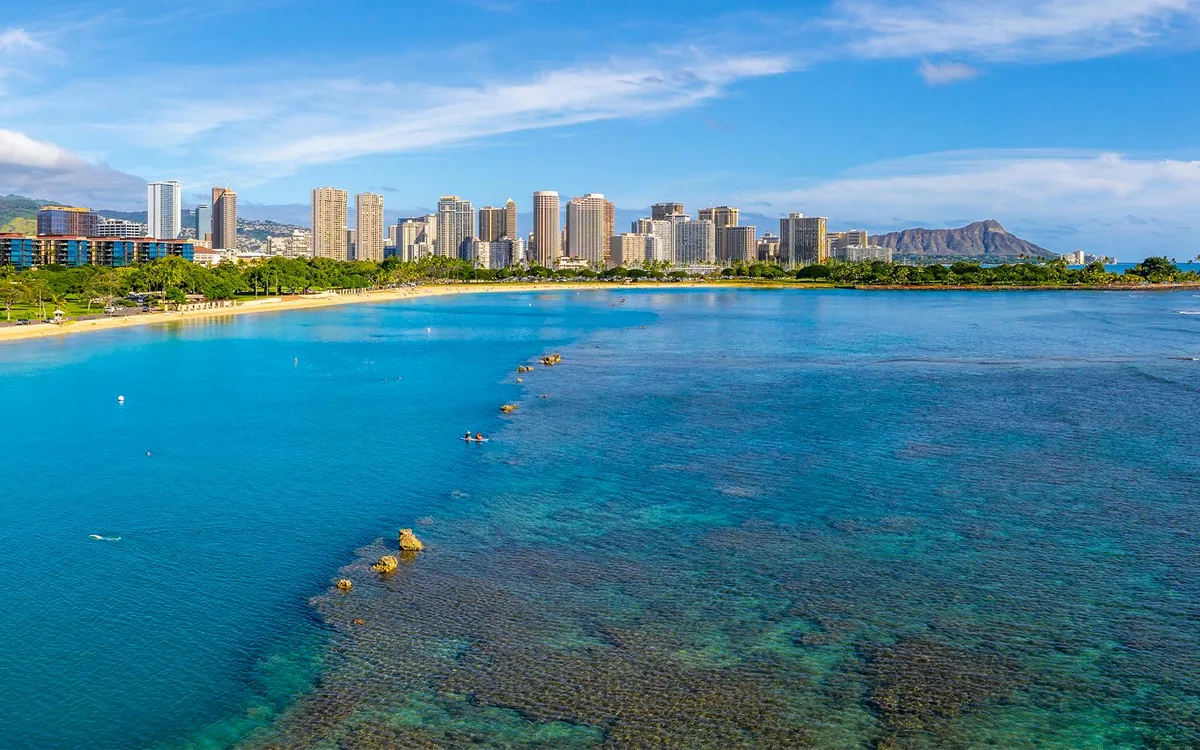
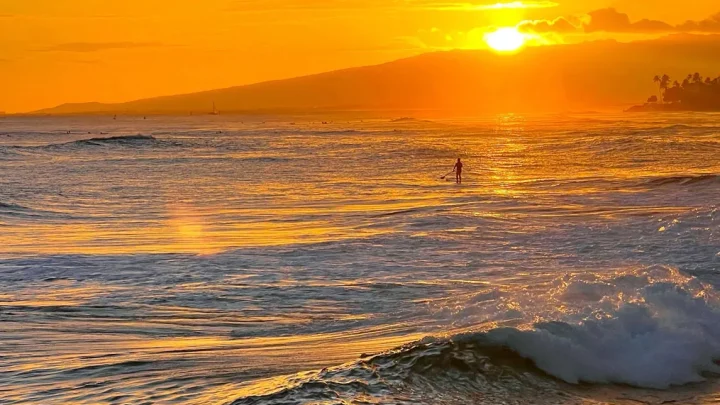
Planning a beach day on Oahu often comes with a simple question: can you drink on the beach in oahu? Many visitors imagine cracking open a cold beer on the sand while watching the sunset over Waikiki. The reality of local law is much stricter than most travelers expect.
Under the Revised Ordinances of Honolulu, possessing open alcoholic beverages in public parks and beaches is illegal across the entire island. Hawaii maintains strict open container laws to protect public recreation areas and marine environments. Understanding the exact property lines and local enforcement helps you avoid costly citations during your trip.
Quick Answer
🌺 Local Island Guide Quick Answer
No, you cannot legally drink alcohol on any public beach in Oahu. State and county laws strictly prohibit open alcoholic containers on all public sand. This rule applies to Waikiki, the North Shore, and state parks.
Violations can result in fines up to 500 dollars. Legal drinking is limited to licensed oceanfront venues and private property.
Image source: Bing (Web (fair-use with source credit))
The Direct Answer: Hawaii's Open Container Laws on Oahu Beaches
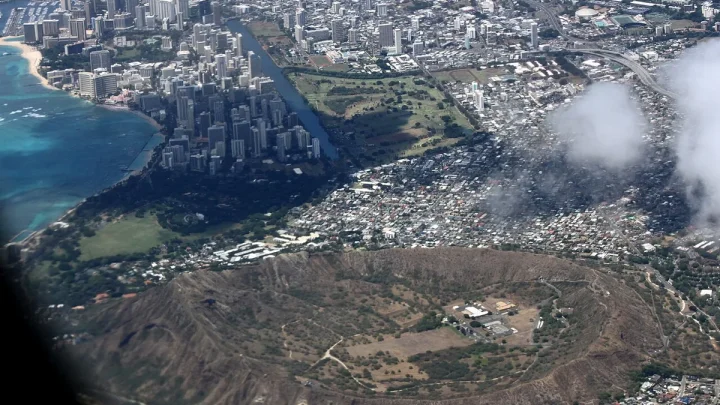
Oahu operates under a unified municipal and county system known as the City and County of Honolulu. The county controls virtually all municipal beach parks, from Ala Moana Regional Park to Kailua Beach. Under Revised Ordinances of Honolulu Section 10-1.2, possessing any open container of intoxicating liquor in a public park is completely prohibited.
State-managed coastal areas share the exact same restrictions. Under Hawaii Revised Statutes Chapter 281, open containers of alcohol are barred from all public streets, sidewalks, and public park lands. This statewide ban means there is no loophole for state beaches like Kaena Point or Malaekahana.
These laws apply at all hours of the day. As of 2026, county ordinances do not offer individual day-use alcohol permits for beachgoers. Whether you are holding a sealed craft beer or a mixed drink in a plastic cup, breaking the seal on public park property constitutes a violation.
The goal behind these regulations involves public safety and conservation. Alcohol-related ocean accidents remain a major hazard for emergency responders. Banning alcohol on public shorelines significantly reduces coastal injuries and keeps coastal ecosystems free of discarded debris.
Where the Law Applies: Understanding Public Shorelines vs. Resort Grounds
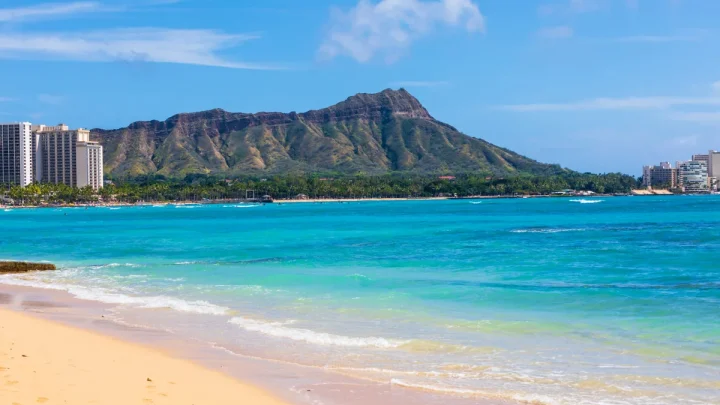
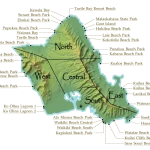
A frequent point of confusion for visitors is the legal boundary between hotel grounds and public sand. Hawaii law mandates that all beaches up to the upper reaches of the wash of the waves are public property under the Hawaii Public Trust Doctrine. This means no resort or private homeowner owns the sandy shoreline.
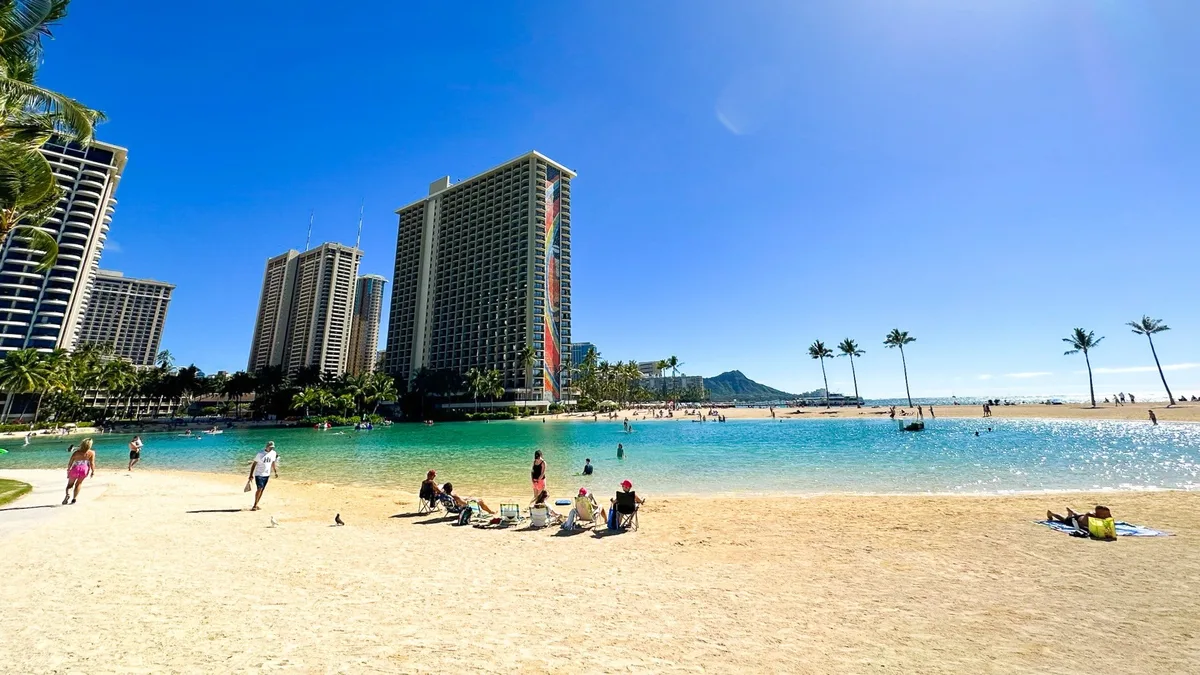
Image source: Web (Bing) / invest.heimwerkr.de (Web image (fair-use with source credit))
The dividing line is defined by the vegetation line or the debris mark left by the highest annual wash of the waves. Everything seaward of that line is public land managed by the Hawaii Department of Land and Natural Resources or the county.
Resorts in areas like Waikiki and Ko Olina frequently own land immediately adjacent to the public beach. A hotel may hold a valid liquor license for its pool deck, lawn, or patio. The moment your feet touch the dry public sand, that liquor license no longer protects you.
| Location Zone | Land Jurisdiction | Can You Drink Here? | Key Rule or Boundary |
|---|---|---|---|
| Public Sand / Shoreline | State / County DLNR | No | Prohibited past the upper wash of the waves |
| County Beach Parks | City & County of Honolulu | No | ROH § 10-1.2 open container ban |
| Resort Pool Decks & Lawns | Private Licensed Premises | Yes | Permitted within designated liquor license borders |
| Offshore Vessels / Charters | Navigable State Waters | Yes | Permitted on licensed or BYOB commercial boat tours |
Resort staff will strictly prevent you from carrying hotel drinks across the property line. Stepping from a licensed oceanfront restaurant onto the sand with a drink creates an immediate legal liability for both you and the venue.
The Decision Workflow: Can You Legally Have an Alcoholic Drink Right Here?
Determining whether you can legally drink near the water requires checking your exact physical location and the surrounding licensing. Follow this step-by-step workflow before opening any beverage.
Step 1: Check your physical ground.
   ├── If your feet are on public sand, a beach towel, or park grass -> STOP: Drinking is illegal.
   └── If you are on an elevated patio, pool deck, or lawn -> Go to Step 2.

Step 2: Check for commercial liquor licensing.
   ├── If the venue is a licensed bar, restaurant, or hotel perimeter -> GO: Drinking is legal.
   └── If it is an unlicensed public overlook or pavilion -> STOP: Drinking is illegal.

Step 3: Check if you are on an ocean vessel.
   ├── If you are on a licensed charter or permitted BYOB boat -> GO: Drinking is legal offshore.
   └── If you are on a public pier, jetty, or swimming platform -> STOP: Drinking is illegal.
Condition 1: You are on public sand or a public park
If you are sitting on the sand, beneath a palm tree on public grass, or at a county park picnic table, the answer is always no. County parks, state recreation areas, and public coastal walkways maintain an absolute prohibition on open alcoholic beverages.
Condition 2: You are seated at a beachfront hotel or restaurant
If you are seated at a table on a resort lanai or an oceanfront restaurant patio, drinking is completely legal. The establishment holds a commercial liquor license for that footprint. You must finish your beverage before stepping down onto the public sand.
Condition 3: You are on an offshore boat or catamaran
If you board a licensed sunset catamaran or ocean charter, drinking is legal once the boat is underway. These operators operate in navigable waters under maritime regulations and relevant commercial licenses.
Penalties and Enforcement: What Happens If You Get Caught?
Enforcement across Oahu is handled by two main law enforcement agencies. The Honolulu Police Department patrols neighborhood beach parks and high-traffic tourist hubs like Waikiki Beach. The State Division of Conservation and Resources Enforcement monitors state park reserves and offshore waters.
Officers regularly patrol popular beaches on foot, on all-terrain vehicles, and on bicycles. If an officer spots an open container, they will approach you and demand identification.
Standard Citation Process on Oahu Beaches:
1. Law enforcement approaches after observing open containers or suspicious cups.
2. Officers verify identification and inspect the contents of the container.
3. The officer orders the immediate disposal of all remaining alcohol into the sand or trash.
4. A written criminal citation is issued to the individual.
5. The offender must pay the fine or attend a mandatory district court hearing.
Open container violations on Oahu are generally classified as petty misdemeanors or county park infractions. Fines typically range from 100 dollars up to 500 dollars for a first offense.
For out-of-state visitors, a beach citation creates a massive logistical headache. Certain citations require a mandatory court appearance at the Honolulu District Court. Resolving a mandatory appearance without flying back to Oahu often requires hiring a local defense attorney to appear on your behalf.
Common Misconceptions About Drinking on Oahu Beaches
Dozens of myths circulate online regarding how to bypass open container laws in Hawaii. Relying on these tricks routinely leads to fines and confiscated property.
- Tumbler and flask myth: Putting alcohol in an insulated flask or a generic plastic cup does not make it legal. Officers are trained to spot discreet drinking and have full authority to inspect unlabelled cups when they observe reasonable suspicion.
- The brown paper bag myth: Concealing a bottle or can in a brown paper bag provides zero legal protection. An open container is defined by the state as any vessel holding alcohol with a broken seal, regardless of how it is wrapped.
- The rental chair assumption: Renting an umbrella or chair from a beach concession does not grant private property rights. The concession operates on public state land, so open container laws remain fully active around your chair.
- Floating in the ocean loophole: Drifting on an inflatable raft just past the shoreline does not exempt you from state liquor laws. Conservation officers patrol nearshore waters and actively enforce public safety rules along the surf line.
- The red Solo cup assumption: Pouring canned beer or wine into party cups is the single most obvious visual cue for beach patrol units. Using disposable cups on the beach often invites immediate police inspection.
Glass containers of any kind are also strictly banned under Honolulu park rules. Even if you are drinking water, juice, or soda, bringing glass bottles onto Oahu beaches brings an independent citation. Broken glass in the sand creates severe laceration risks for barefoot beachgoers and wildlife.
Always stick to reusable, non-glass drinkware for non-alcoholic beverages.
Legal Ways to Enjoy a Drink with an Ocean View on Oahu
You do not need to break the law to enjoy a tropical drink while watching the waves on Oahu. Multiple legal alternatives provide stunning ocean views alongside full beverage service or permitted BYOB options.
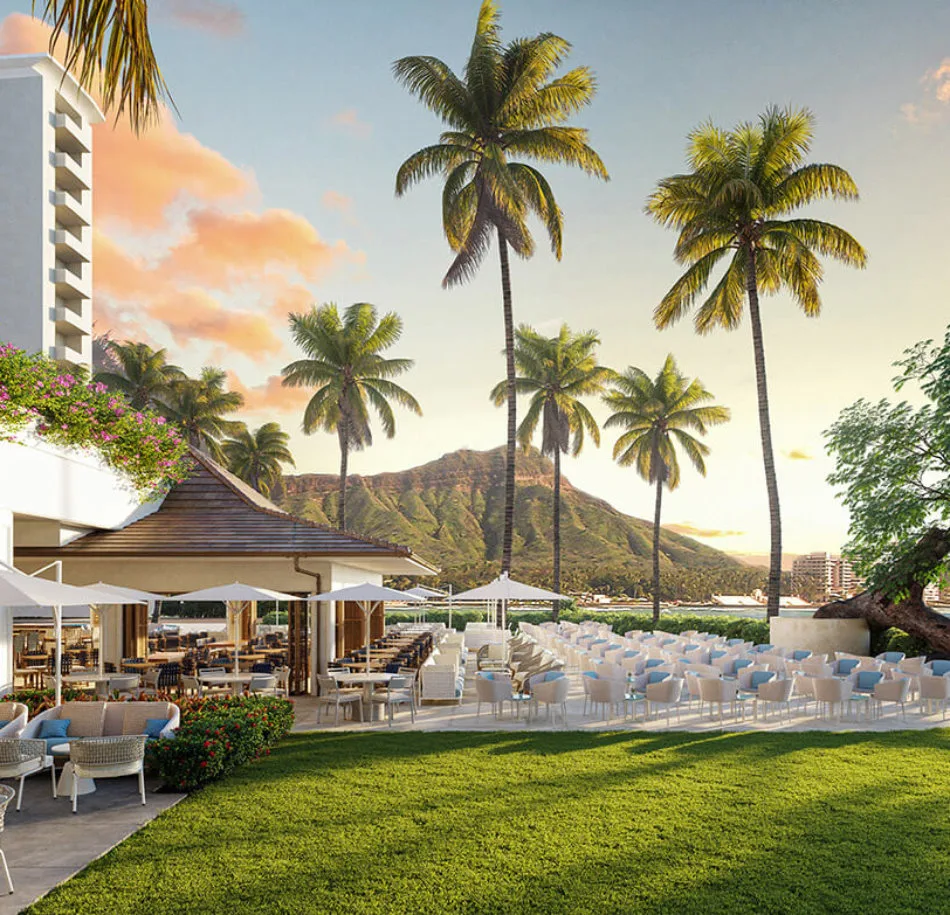
Image source: Bing (Web (fair-use with source credit))
Oceanfront hotel lounges offer the closest experience to beachside drinking without crossing legal boundaries. Venues like the Mai Tai Bar at the Royal Hawaiian, House Without A Key at Halekulani, and Barefoot Beach Cafe at Queen's Surf Beach sit directly on the water's edge. These establishments hold private commercial liquor licenses for their open-air patios, offering full ocean views just feet from the sand.
Legal Ocean-View Drinking Options:
1. Licensed oceanfront patios (Mai Tai Bar, House Without A Key, Barefoot Beach Cafe)
2. Sunset catamaran cruises operating out of Waikiki or Kewalo Basin
3. Private hotel balconies, lanais, and designated resort pool decks
4. Oceanfront vacation rental private grounds situated above the vegetation line
Commercial sunset boat charters provide another fully legal alternative. Catamarans launching from Waikiki Beach or Kewalo Basin operate in navigable waters where state park land bans do not apply. Many charters include complimentary bar service or allow passengers to bring their own drinks aboard once the vessel leaves shore.
If you prefer a relaxed, private setting, booking an oceanfront hotel room or vacation rental is the most straightforward route. Drinking on your private lanai is completely legal and gives you unrestricted views of the water without any risk of law enforcement intervention.
Frequently Asked Questions About Drinking on Oahu Beaches
Can you drink alcohol on Waikiki Beach?
No, you cannot drink alcohol on Waikiki Beach. Waikiki is a public shoreline heavily patrolled by the Honolulu Police Department. Open alcoholic containers on the sand will lead to an immediate citation, discarded drinks, and potential fines up to 500 dollars.
What happens if you get caught drinking on a beach in Oahu?
Officers will confiscate and dump your alcohol, check your identification, and issue a written citation. Depending on the violation, you may receive a fine between 100 and 500 dollars. Some citations require a mandatory appearance at the Honolulu District Court.
Can you bring beer in a cooler to Oahu beach parks?
You can bring a cooler to beach parks, but it cannot contain open or unsealed alcoholic beverages. Police and conservation officers have legal authority to inspect coolers if they observe public consumption or reasonable suspicion of illegal activity in county parks.
Are red Solo cups or Hydro Flasks allowed on Oahu beaches?
Insulated tumblers and plastic cups are allowed for non-alcoholic drinks, but using them to hide alcohol remains illegal. Officers regularly check unmarked cups when they suspect open container violations, and hiding the liquid does not protect you from penalties.
Can you drink on beaches in Ko Olina or the North Shore?
No, public beaches in Ko Olina and the North Shore share the same restrictions as Waikiki. While Ko Olina features private resort lagoons, the sandy areas up to the high-water mark remain public property where alcohol consumption is strictly illegal.
ðŸ–ï¸ Field-Tested Gear: Hawaii Beach & Ocean Protection
To protect Oahu’s fragile coral reef ecosystems and navigate sharp volcanic basalt shorelines comfortably, our on-island team recommends packing these certified travel essentials:
- Hawaii Act 104 Reef-Safe Mineral Sunscreen:Check Certified Mineral Reef Sunscreen on Amazon →
- Heavy-Duty Waterproof Dry Bag & Phone Pouch:Check Waterproof Ocean Dry Bags on Amazon →
*FTC Disclosure: As an Amazon Associate, Hawaii Travel Bureau earns from qualifying purchases. Learn more about our field-tested travel research methodology.*
🌺 Related Oahu Ocean, Beach & Snorkel Guides:

Similar Posts