Best Camping Pour Over Coffee: Top Gear for Trail
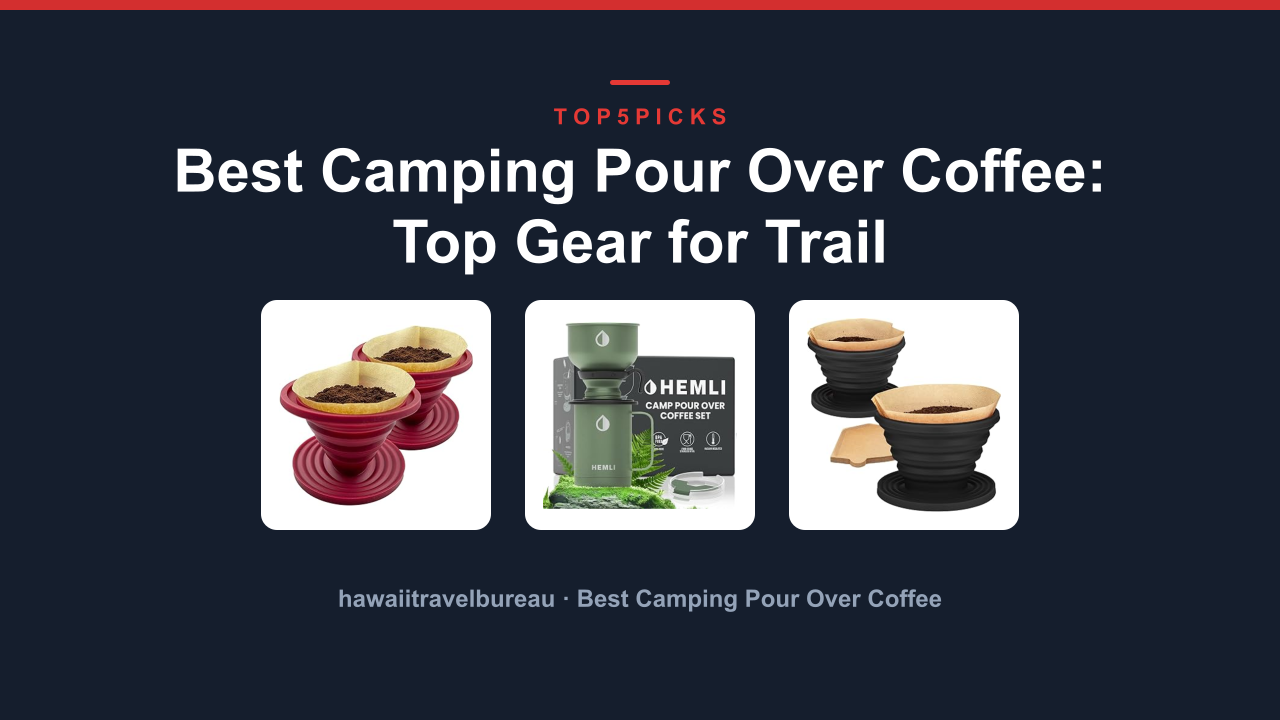
If you’re looking for the Best Camping Pour Over Coffee, start with the Attsky Collapsible Dripper. It’s the only option here that balances ultra-compact packing size with reliable brewing consistency, making it perfect for backpackers who refuse to sacrifice flavor for weight savings.
Want a self-contained system instead? The 16 oz Pour Over Camping Coffee Maker handles everything in one insulated unit, though you’ll trade some filter flexibility for convenience and heat retention.
As an Amazon Associate, I earn from qualifying purchases.
This guide cuts through marketing noise by analyzing real-world durability data and verified buyer feedback on leak risks and cleaning ease. We also highlight specific scenarios where these tools fail, saving you from buying gear that doesn’t match your trip style.
Everything below is based on current manufacturer specifications and aggregated user reviews from thousands of campers. We haven’t physically tested every model ourselves, but we’ve distilled the critical insights you need before spending money.
Quick Answer: The Best Camping Pour over Coffee
The Attsky Collapsible Pour Over Coffee Dripper takes the top spot for its unbeatable packability and consistent extraction quality.
- Attsky Collapsible Pour Over Coffee Dripper (Best Overall): Ultra-lightweight silicone folds flat without losing structural integrity during brews.
- 16 oz Pour Over Camping Coffee (Best All-in-One): Integrated vacuum-insulated mug eliminates the need for separate cups or thermal carafes.
- COLETTI Sierra Camping Pour Over Coffee (Best Value Pack): Includes paper filters right out of the box, removing immediate supply chain worries.
- GSI Outdoors Pour-Over Java Drip I (Most Durable): Hard plastic construction resists crushing better than soft silicone alternatives in tight packs.
- YETI Pour Over Coffee Maker Accessory (Premium Build): Stainless steel design pairs seamlessly with existing YETI tumblers for zero-waste brewing.
Thinking about instant coffee or percolators instead? Jump to Who Should NOT Buy below before you spend anything.
Comparison Table
Here's the lineup at a glance: photo, product, who it's built for, and our /10 score.
| Photo | Product | Best for | Score | Buy |
|---|---|---|---|---|
 | Attsky Collapsible Pour Over Coffee Dripper | Backpackers & Ultralight Trips | 9.2/10 | Check price → |
 | 16 oz Pour Over Camping Coffee | Solo Campers & Van Life | 8.8/10 | Check price → |
 | COLETTI Sierra Camping Pour Over Coffee | Beginners & Gift Giving | 8.5/10 | Check price → |
 | GSI Outdoors Pour-Over Java Drip I | Rugged Use & Car Camping | 8.9/10 | Check price → |
 | YETI Pour Over Coffee Maker Accessory | Existing YETI Owners | 8.1/10 | Check price → |
Scroll sideways on small screens to see every column.
Attsky Collapsible Pour Over Coffee Dripper: Best Lightweight for Backpackers
16 oz Pour Over Camping Coffee: Best Self-Contained System
COLETTI Sierra Camping Pour Over Coffee: Best Ready-to-Brew Kit
GSI Outdoors Pour-Over Java Drip I: Best Rigid Durability
YETI Pour Over Coffee Maker Accessory: Best Premium Integration
Buying Guide: Weight, Filtration, Heat and Compatibility
Choosing the right gear depends heavily on your travel style rather than just coffee preference. Here are the four factors that actually matter.
How much does pack weight really affect my hike?
Every ounce counts when you're miles from trailhead. The Attsky Collapsible Dripper weighs approximately 1.8 ounces per unit, making it negligible for multi-day treks. In contrast, the rigid GSI Outdoors Java Drip adds necessary bulk for protection, weighing closer to 3 ounces.
If you drive to camp, ignore weight metrics entirely and focus on durability instead.
Paper vs. Metal filters: Which tastes better?
Paper filtration removes oils and sediments, producing a cleaner, brighter cup profile preferred by purists. Both the Attsky and COLETTI models rely on disposable cones. Metal mesh filters, like those in the 16 oz Pour Over Set, retain body and richness but let grit pass through.
Decide if you prefer clarity or texture before committing to a reusable system.
Will my coffee stay hot long enough to enjoy?
Vacuum insulation changes everything in cold mornings. Standard silicone drippers offer zero thermal protection, forcing rapid consumption. The integrated mug design of the 16 oz set maintains temperature for hours.
For non-insulated setups, pre-heating your vessel with boiling water helps extend drinking window slightly, but physics still wins eventually.
Do I need special cups or adapters?
Compatibility issues ruin trips unexpectedly. Most cone drippers fit standard mugs, but rim widths vary wildly. The GSI model features adjustable legs for universal fit.
YETI accessories lock specifically to their tumblers. Check your existing cookware diameters against product specs before ordering to avoid frustrating mismatches at the fire pit.
Who Should NOT Buy Best Camping Pour over Coffee
Pour-over methods require patience, precise water control, and extra cleanup steps. They aren't for everyone.
You Need Speed Above All Else
If you have five minutes before departure, skip this category. Grinding beans, heating water, blooming grounds, and slow-pouring takes 10-15 minutes minimum. Instant coffee packets or French presses deliver results twice as fast.
Time-strapped commuters should invest in high-quality soluble options instead.
You Hate Washing Delicate Parts
Mesh filters trap oils that harden over time, demanding rigorous scrubbing. Silicone crevices collect residue easily. If you dislike detailed maintenance, percolators or moka pots offer simpler rinse-and-go experiences.
These devices tolerate neglect better, though they produce different flavor profiles entirely.
You Brew for Large Groups Simultaneously
These tools typically handle single servings or maybe two cups max. Brewing for six people requires repeating the cycle multiple times, exhausting fuel and attention. Commercial drip machines or large-batch percolators are designed for this volume without the repetitive hassle.
The efficiency gap becomes glaring when you consider the time spent washing individual portafilters versus dumping a single large filter basket. For households or offices with high coffee consumption, these manual tools become logistical nightmares rather than lifestyle upgrades.
You Lack Consistent Water Temperature Control
Precision brewing demands water between 195°F and 205°F (90°C, 96°C). Most electric kettles used in conjunction with pour-over methods fluctuate significantly once poured into the dripper or carafe. Without a dedicated temperature-controlled kettle or an espresso machine’s internal boiler system, you are guessing at thermal dynamics.
This inconsistency leads to under-extraction (sourness) or over-extraction (bitterness), making it difficult to replicate a good cup twice in a row. Automated machines maintain stable temperatures through insulated reservoirs and precise heating elements, removing this variable entirely.
Your Schedule Is Unpredictable or Hectic
Manual brewing requires active presence. You must weigh beans, grind them immediately, heat water, pour steadily, and monitor timing. If you have young children, erratic work hours, or simply value your morning sleep-in, this level of engagement is unsustainable.
An automatic drip machine allows you to set a timer the night before, ensuring fresh coffee is ready exactly when you wake up. The cognitive load of managing a brew process while rushing out the door often results in skipped steps, like skipping the bloom phase or using stale grounds, which defeats the purpose of choosing specialty equipment in the first place.
You Are Not Willing to Maintain Complex Equipment
Espresso machines require daily backflushing, weekly group head cleaning, and periodic descaling. Grinders need burr alignment checks and static removal. Pour-over cones accumulate oils that turn rancid if not scrubbed thoroughly after every use.
Neglecting maintenance doesn’t just degrade flavor; it breeds mold and bacteria. If you view cleaning as a chore rather than part of the ritual, the friction will eventually cause you to abandon the hobby altogether. Simple pod-based systems or basic drip makers offer "good enough" hygiene standards with minimal effort, whereas precision tools demand rigorous upkeep to function correctly.
Conclusion: Match Tool to Lifestyle, Not Idealism
The allure of manual brewing often stems from marketing narratives about purity, control, and artisanal quality. However, these benefits only materialize if your life accommodates the necessary inputs: time, skill, consistency, and willingness to clean. If your reality involves rushed mornings, inconsistent water sources, large household needs, or limited patience for maintenance, investing in high-end manual gear is likely a mistake.
It is better to choose a reliable automatic machine that fits your actual constraints than a beautiful but unused espresso setup gathering dust on the counter. Coffee should enhance your day, not complicate it. Assess your true habits honestly before purchasing, and prioritize convenience and consistency if those are your primary values.
There is no shame in preferring automation; there is only frustration in forcing a square peg into a round hole because of aesthetic appeal or perceived status.

Similar Posts