Can You Drive All the Way Around Oahu? What to Know
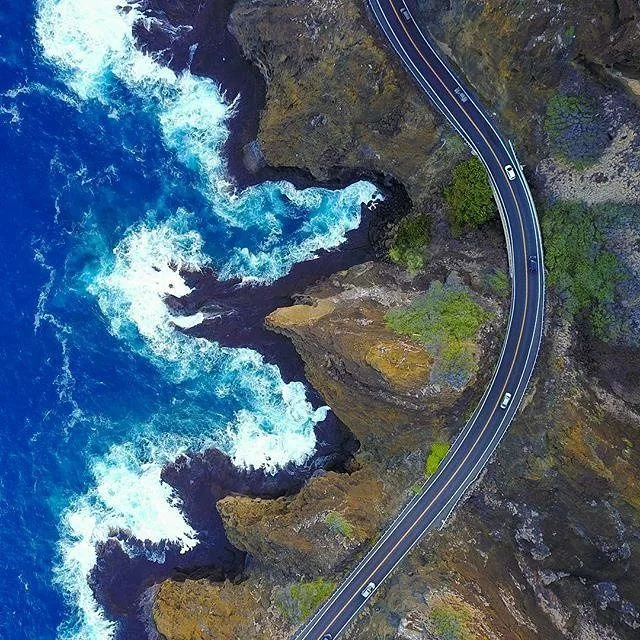
Planning a scenic road trip leads many travelers to ask: can you drive around Oahu in a single unbroken loop? The short answer is almost, but not quite. Rugged volcanic geography on the western tip prevents the coastal highway from linking all the way through.
You can still tour roughly 80 percent of the island on a continuous drive of about 120 miles. As of 2026, standard highway guidelines from the Hawaii Department of Transportation route drivers inland across the central plateau to connect the North Shore with Honolulu.
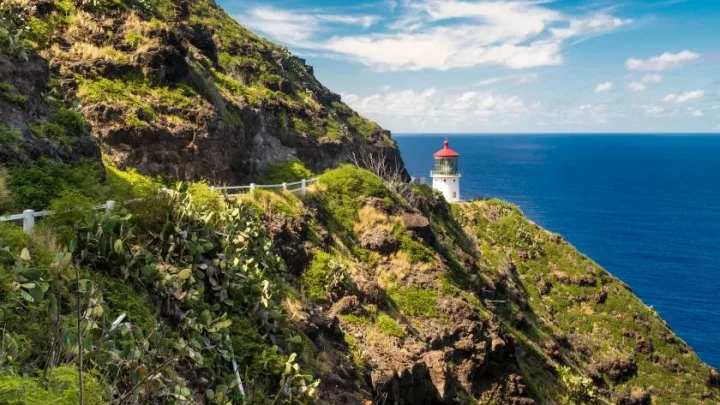
Image source: Web (Bing) / de.pinterest.com (Web image (fair-use with source credit))
Quick Answer
You cannot drive around Oahu in a complete 360-degree loop.
The coastal road ends abruptly at Kaʻena Point on the northwest tip.
You can still explore most of the coastline in one day.
Drivers simply turn inland through central Oahu to complete their circle route.
The Direct Answer: Can You Complete a Full 360-Degree Loop?
You cannot drive an unbroken perimeter loop around Oahu. Many visitors expect a continuous coastal highway like the ring roads on other islands. Instead, Oahu features a horseshoe-shaped highway network.
The gap sits at Kaʻena Point on the northwest tip of the island. Farrington Highway (Route 930) ends on the North Shore side just past Mokuleʻia. On the western Leeward side, Farrington Highway (Route 93) ends past Makaha.
Between those two paved dead ends lies a protected coastal reserve. No paved or standard vehicle road connects them.
To drive the island effectively, you bypass this gap. You drive up the Windward Coast, cross the North Shore, and then cut south through the central valley using Kamehameha Highway (Route 99) and Interstate H-2.
Why You Hit a Dead End at Kaʻena Point
The physical road terminates because Kaʻena Point is a protected natural reserve. State authorities intentionally keep the area undeveloped to protect nesting seabirds and native Hawaiian monk seals.
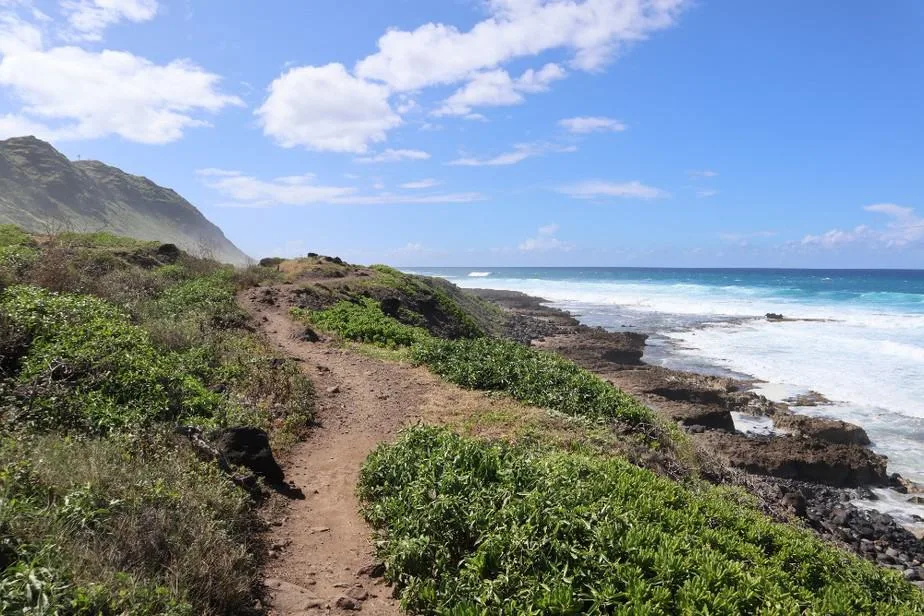
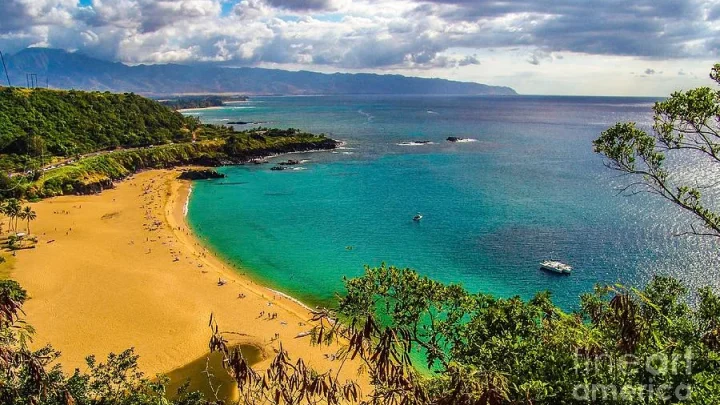
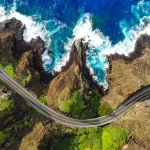
Image source: Web (Bing) / thistraveldream.com (Web image (fair-use with source credit))
The terrain is also hostile to road construction. Steep volcanic ridges plunge directly into rough ocean surf, creating unstable cliffs and shifting sand dunes. Maintaining a paved highway through this corridor would require constant repairs.
Official regulations from the Hawaii Department of Land and Natural Resources restrict vehicle access to protect the fragile coastal ecosystem. Street vehicles cannot pass through. Exploring this remote tip requires parking at either trailhead and completing a rugged, unpaved hike on foot.
The 3 Best Driving Routes Around Oahu (Decision Framework)
Choosing the right driving route depends on your available time, your departure point, and the sights you want to prioritize.
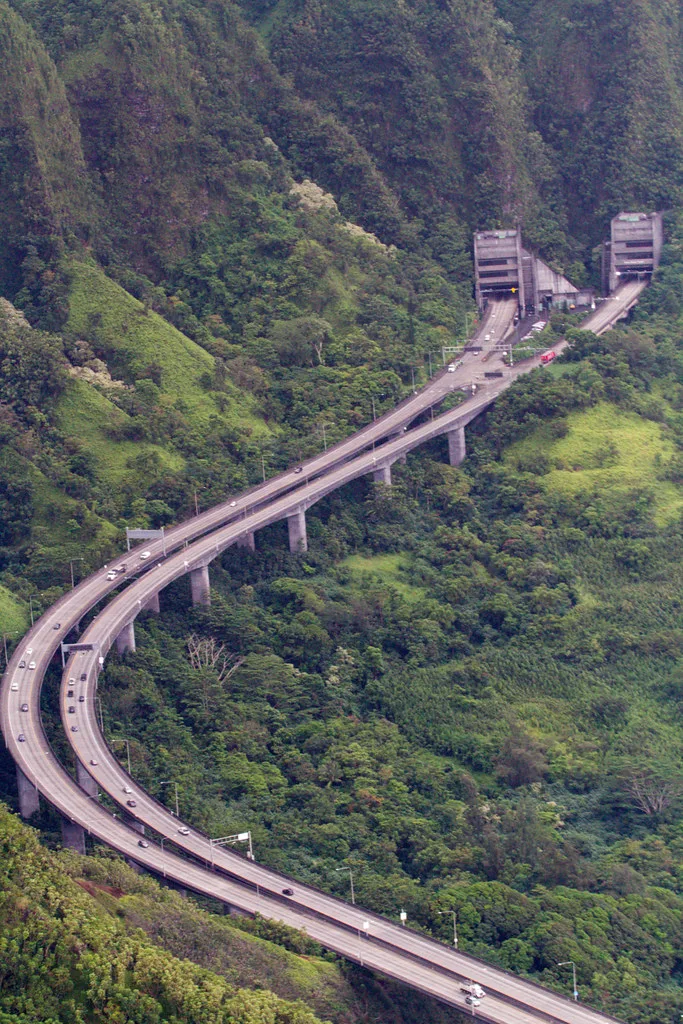
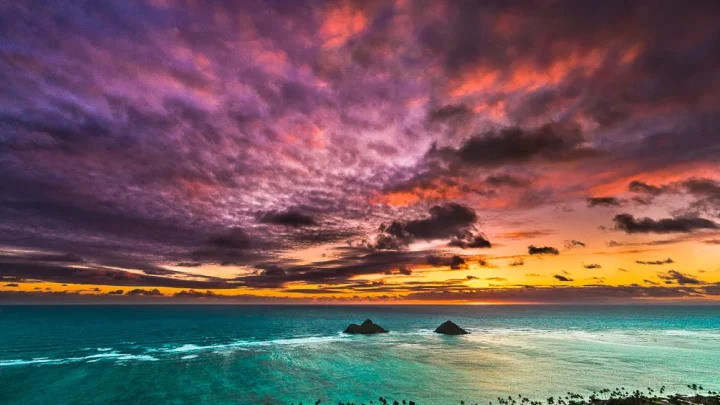
Image source: Bing (Web (fair-use with source credit))
Route 1: The Classic Grand Circle (Southeast, Windward, and North Shore)
- If you have a full day (8 to 10 hours) and want to see the main highlights, choose this route.
- Start in Waikiki and head east on Kalanianaʻole Highway (Route 72).
- Follow Kamehameha Highway (Route 83) past Kualoa and along the North Shore.
- Turn south onto Route 99 through Wahiawa, then take Interstate H-2 back to Honolulu.
Route 2: The Leeward Coast Out-and-Back (West Oahu)
- If you want uncrowded beaches, dramatic mountain ridges, and fewer tourists, choose this route.
- Head west on Interstate H-1 from Honolulu, transitioning onto Farrington Highway (Route 93).
- Drive north along the dry, sunny coast through Ko Olina, Waianae, and Makaha.
- Turn around at the western Kaʻena Point trailhead and return via the same highway.
Route 3: The Windward Coast & Mountain Express (Pali & H-3)
- If you only have half a day (4 to 5 hours) and want dramatic mountain scenery, choose this route.
- Cross the Koʻolau Mountains via the Pali Highway (Route 61) to Kailua.
- Drive up the coast through Kaneohe to Kualoa Regional Park.
- Return to Honolulu through the mountain tunnels of the Interstate H-3 freeway.
Step-by-Step Grand Circle Itinerary and Drive Times
The Grand Circle route is the most popular way to see the island. Starting early helps you avoid morning commuter traffic leaving Honolulu.
[Start: Waikiki (7:30 AM)]
       │
       ▼ (35 mins)
[Halona Blowhole & Makapuʻu Lookout]
       │
       ▼ (45 mins)
[Kailua Town / Lanikai Beach]
       │
       ▼ (30 mins)
[Kualoa Regional Park]
       │
       ▼ (40 mins)
[Kahuku Food Trucks (Lunch)]
       │
       ▼ (30 mins)
[North Shore Beaches & Haleiwa Town]
       │
       ▼ (45 mins via H-2)
[Return: Honolulu / Waikiki]
Depart Waikiki by 7:30 AM to beat the rush hour congestion. Drive east past Diamond Head and Hanauma Bay toward the Halona Blowhole. The morning light on this southeastern coastline offers clear ocean views.
Continue north past Makapuʻu Point toward Kailua and Kaneohe. The drive along Kamehameha Highway hugs the coastline tightly beneath vertical green cliffs. Stop at Kualoa Regional Park to view the offshore islet of Mokoliʻi.
Reach the town of Kahuku around midday. This area is famous for local food trucks serving garlic shrimp and fresh fruit.
Spend your afternoon exploring the world-famous surf breaks along the North Shore, including Sunset Beach, Banzai Pipeline, and Waimea Bay. Finish with a stroll through historic Haleiwa Town before taking Interstate H-2 back to Honolulu.
Route Comparison: Drive Times, Distances, and Best Scenery
| Route Name | Distance | Driving Time (No Stops) | Best Scenery Highlights | Ideal For |
|---|---|---|---|---|
| Grand Circle | 110–120 miles | 3.5 to 4.5 hours | Halona Blowhole, Kualoa, North Shore beaches | First-time visitors wanting a complete day trip |
| Leeward Coast | 70–80 miles (round trip) | 2.5 to 3 hours | Makaha Beach, Kaneana Cave, dry mountain ridges | Travelers seeking remote beaches and sunset views |
| Windward Express | 45–55 miles | 1.5 to 2 hours | Nuʻuanu Pali Lookout, H-3 mountain tunnels, Kailua | Travelers with limited time or half-day schedules |
The Grand Circle delivers the greatest variety of landscapes, transitioning from arid volcanic craters to lush tropical rainforests and surf coastlines. The Leeward route offers a drier, sunnier landscape with massive sea cliffs. The Windward Express focuses heavily on the sheer vertical walls of the Koʻolau Range.
Critical Mistakes to Avoid on Your Oahu Road Trip
Timing errors create the biggest headaches for island drivers. Heading west out of Honolulu between 3:30 PM and 6:30 PM puts you directly into heavy commuter gridlock on Interstate H-1. Always plan to finish your loop and return to town before the afternoon rush or after 7:00 PM.
Another frequent error is underestimating North Shore traffic bottlenecks during the winter surf season. Large swells draw massive crowds to narrow, two-lane sections of Kamehameha Highway. A drive between Haleiwa and Turtle Bay that takes 15 minutes in summer can easily stretch past an hour between November and February.
- Leaving bags or valuables visible inside your rental car invites smash-and-grab theft at beach parks and trailheads. Always lock your gear completely out of sight in the trunk before you arrive at your destination.
- Trusting standard GPS arrival times without accounting for single-lane bottlenecks, pedestrian crosswalks at popular beaches, or slow-moving tour vehicles.
- Forgetting that gas stations and electric vehicle chargers become scarce along the rural stretch between Kaneohe and Haleiwa. Fuel up before leaving town.
- Attempting to force a vehicle through unpaved access tracks at Kaʻena Point, which violates standard rental car agreements and risks steep towing fees.
Essential Rules of the Road, Parking, and Local Etiquette
Driving in Hawaii requires a calm, patient mindset. Honking your horn is rarely heard on local roads. Drivers reserve horns strictly for imminent safety emergencies, not for expressing frustration in traffic.
Always yield the right-of-way when local traffic tries to merge onto single-lane coastal highways. If another driver lets you into a line of traffic, offer a friendly shaka hand gesture or wave out your open window as a sign of appreciation.
State traffic laws strictly prohibit the use of handheld mobile devices while operating a vehicle. Keep your phone mounted or let a passenger manage navigation. Speed limits on coastal routes drop quickly from 45 mph down to 25 mph through small residential towns, and local police strictly enforce these school and community zones.
Parking regulations near popular beaches are rigid. Never park on private property or block residential driveways. Make sure all four tires sit fully outside the white fog line on rural roads to avoid getting ticketed or towed.
Frequently Asked Questions About Driving Around Oahu
How long does it take to drive around Oahu without stopping?
A non-stop drive along the classic Grand Circle route takes approximately 3.5 to 4.5 hours. Total travel time depends on traffic congestion along the North Shore and the time of day you leave Honolulu.
Which direction is best to drive around Oahu?
Driving clockwise is best for first-time visitors. This direction places your vehicle on the ocean side of the highway for better views along the Windward Coast and sets up an easy arrival on the North Shore for lunch and afternoon sightseeing.
Can you drive a rental car to Kaʻena Point?
You can drive a rental car to the paved parking lots at either end of Kaʻena Point State Park. Standard rental agreements prohibit driving on the unpaved dirt tracks beyond those designated lots.
Is driving on Oahu difficult for tourists?
Driving on Oahu is straightforward because the main routes follow clearly marked state highways and interstates. Navigating two-lane coastal roads requires patience during peak beach hours, but road conditions are generally modern and well-maintained.
Do you need a four-wheel-drive vehicle to drive around Oahu?
A standard sedan or compact car is completely sufficient for driving around Oahu. All major scenic routes, lookouts, and circle itineraries run entirely on paved public roads where four-wheel drive is unnecessary.

Similar Posts