The Best Free Things to Do in Oahu You Can’t Miss
Planning a trip to Hawaii can quickly strain your travel wallet. Knowing what to do in Oahu for free lets you experience stunning beaches, rich history, and lush mountain ranges without spending a fortune. You do not need expensive tour packages to enjoy the island.
Under the Hawaii Public Beach Doctrine, all shoreline below the upper wave line is open to the public. That legal standard guarantees free access to hundreds of coastal areas across every side of the island. Understanding how to organize your days makes low-cost island travel simple.
Image source: Web (Bing) / hawaiiactivities.com (Web image (fair-use with source credit))
Quick Answer
Wondering what to do in Oahu for free?
You can explore world-class public beaches across every shore.
Visit Pearl Harbor National Memorial for free historic exhibits.
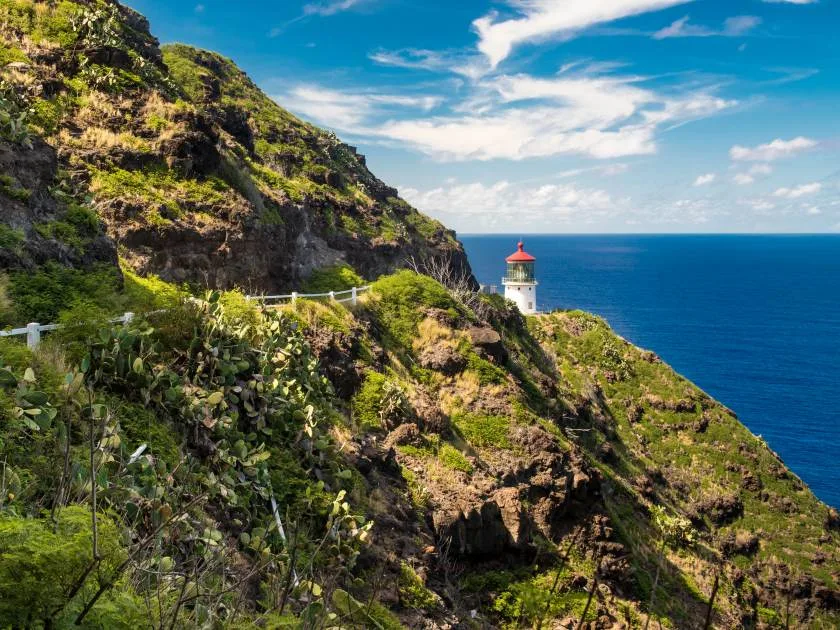
Hike scenic coastal paths like the Makapuʻu Point Lighthouse Trail.
Wander through lush collections at Hoʻomaluhia Botanical Garden.
Catch free weekly hula shows right on Waikīkī Beach.
Navigating Oahu on a Budget: Key Variables Before You Plan
Your daily itinerary on Oahu depends on three main factors. These factors determine what you can do for free and how smoothly your trip runs.
First, your transportation choice sets your range. If you have a rental car, you can reach remote trailheads like Kaʻena Point or quiet windward beaches. If you rely on public transit, the municipal bus system (TheBus) reaches most major attractions for a small flat fare.
Waikīkī itself is fully walkable.
Second, ocean seasons change the conditions entirely. Winter brings massive swells of 20 to 40 feet to the North Shore between November and April. That makes swimming dangerous, but it creates world-class surf spectating.
Summer brings calm, flat water to the North Shore, which is ideal for snorkeling in tide pools.
Third, free does not always mean showing up without planning. Several popular federal and state sites require advance online time slots. Checking entry rules before you head out saves you from unexpected delays.
Honolulu and Waikīkī: Free Cultural Classes, Historic Sites, and Sunset Shows
You can spend multiple days exploring urban Honolulu without opening your wallet. Waikīkī offers far more than expensive beach resorts.
Cultural centers in the heart of Waikīkī host free public workshops every week. The Royal Hawaiian Center offers complimentary lessons in ʻukulele playing, lei making, and hula on select mornings. Near the shoreline, the Kūhiō Beach Hula Show takes place by the Duke Kahanamoku statue on Tuesday and Saturday evenings.
It features authentic traditional dancing and torch lighting at sunset.
For historic exploration, downtown Honolulu is home to significant civic landmarks. You can take a self-guided walking tour around Aliʻiōlani Hale and view the famous King Kamehameha I statue. Just across the lawn sits ʻIolani Palace, where you can stroll the royal grounds for free.
Art enthusiasts can visit Capitol Modern, formerly known as the Hawaii State Art Museum. Admission is always free. The museum showcases rotating collections from native Hawaiian and local artists in an airy historic building.
A short drive west brings you to the National Park Service Pearl Harbor National Memorial. Access to the visitor center, outdoor exhibits, and historic museums is completely free. If you want to ride the boat shuttle to the USS Arizona Memorial, book the reservation on Recreation.gov.
The ticket is free, though a small one-dollar processing fee applies as of 2026.
East Coast and Windward Oahu: Dramatic Lookouts, Botanical Gardens, and Public Bays
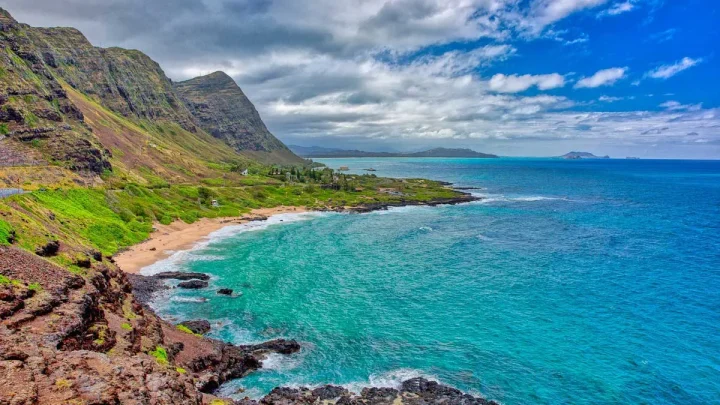
The Windward side of Oahu delivers dramatic green mountain peaks that drop straight into clear turquoise bays. This coast is home to some of the best free nature walks in the state.
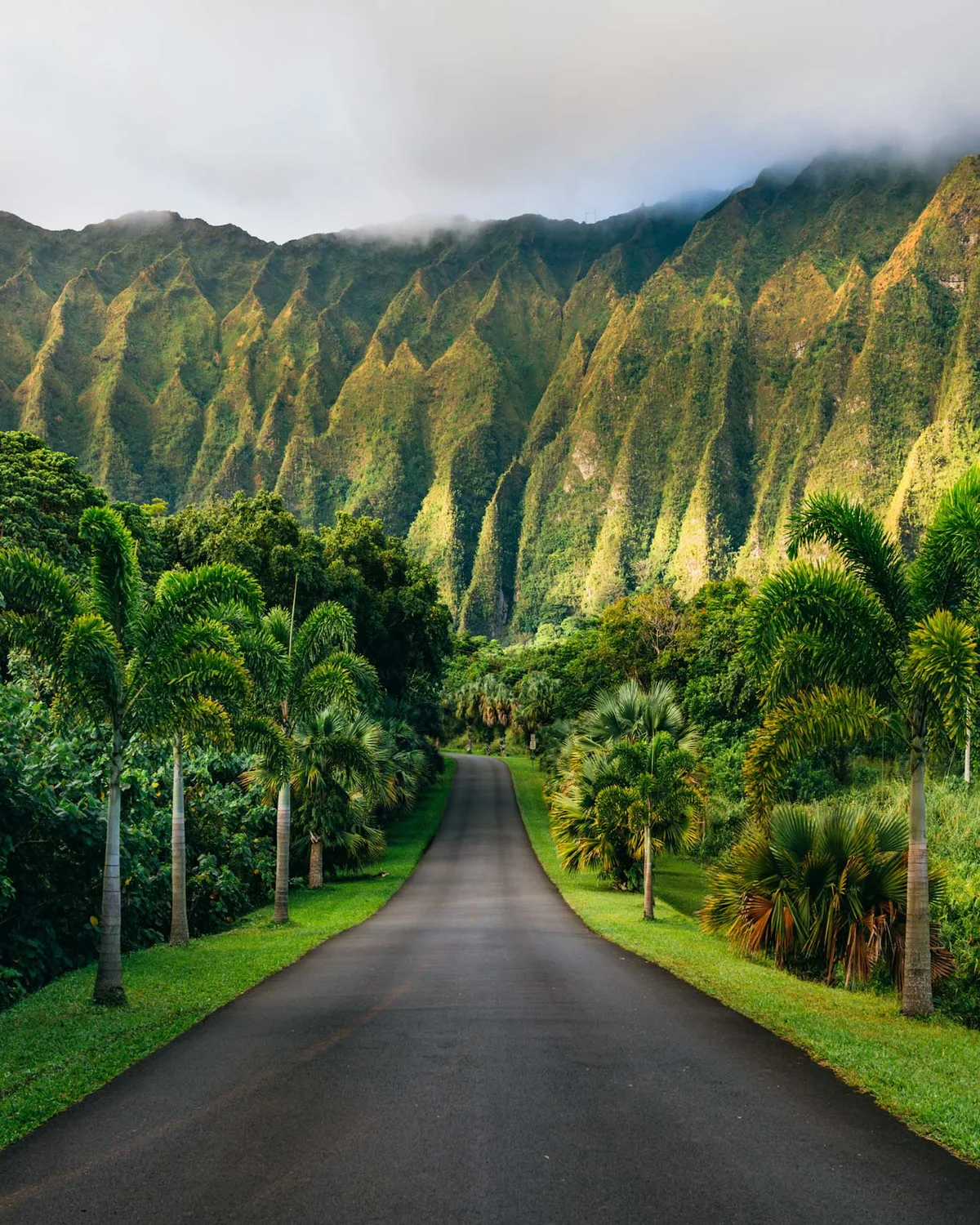
Image source: Web (Bing) / littlewhitebird-sean.blogspot.com (Web image (fair-use with source credit))
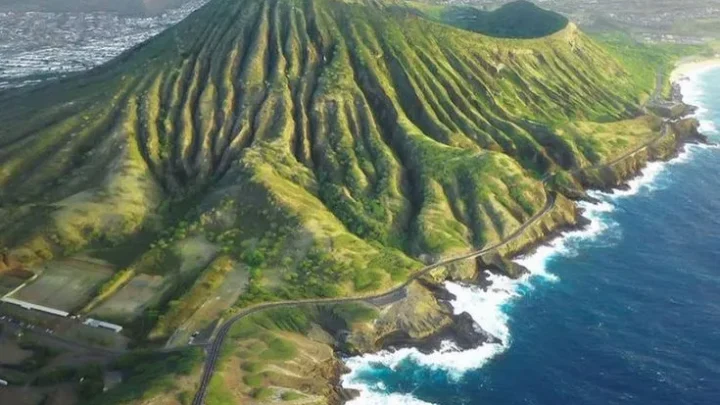
Start your morning at the Makapuʻu Point Lighthouse Trail. This paved two-mile roundtrip walk climbs 500 feet along a dry coastal cliff. The trail provides sweeping views of the windward coastline and offshore seabird sanctuaries.
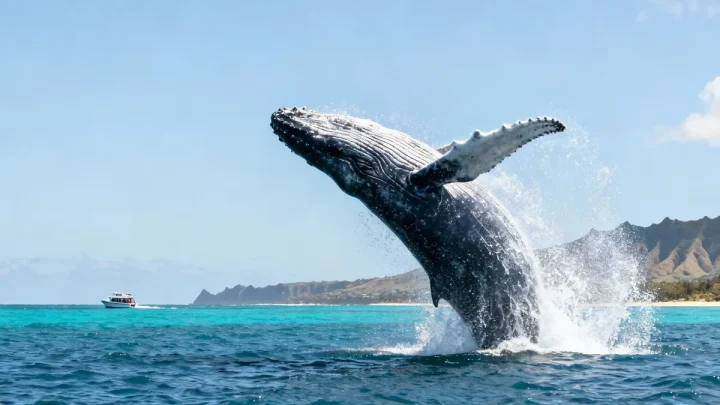
From December through April, you can frequently spot migrating humpback whales breaching offshore.
Further north in Kāneʻohe, you will find Hoʻomaluhia Botanical Garden. This 400-acre preserve is managed by the City and County of Honolulu and is free to enter. The grounds feature walking paths lined with tropical plant collections from across the globe, set against the massive Koʻolau mountain range.
For beach time, head toward Kailua and Lanikai. Both feature soft white sand and calm, sheltered water. Street parking in residential Lanikai is extremely limited, so arriving before 8:30 AM is essential.
Check these scenic stops along the windward drive:
- Halona Blowhole: Watch ocean swells force water dozens of feet into the air through a natural volcanic tube.
- Nuʻuanu Pali Lookout: Enjoy panoramic views of Kāneʻohe and Kailua from a mountain pass known for extreme trade winds.
- Waimānalo Beach Park: Relax along an expansive three-mile stretch of sand with ample shade and public facilities.
The North Shore and Leeward Coast: Historic Surf Breaks, Tide Pools, and Nature Preserves
The North Shore represents the historic roots of modern surfing culture. Driving along Kamehameha Highway gives you direct access to legendary beach parks.
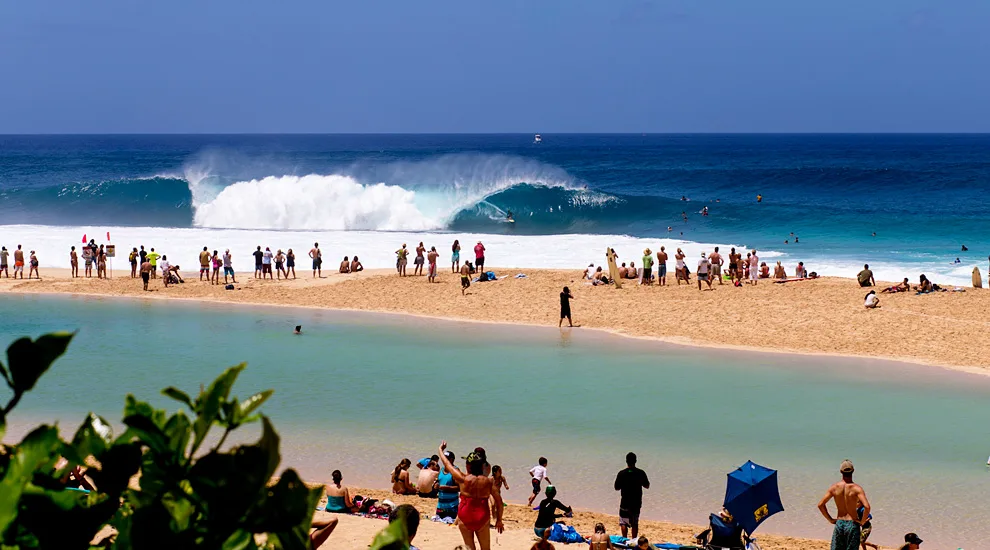
Image source: Web (Bing) / nathalianbastnews.blogspot.com (Web image (fair-use with source credit))
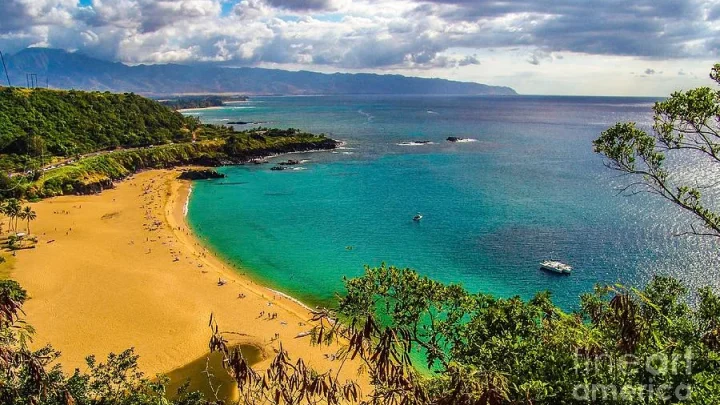
Ehukai Beach Park is home to the famous Banzai Pipeline. In the winter months, you can sit on the sand and watch top professional surfers ride heavy barreling waves. A mile down the road, Sunset Beach and Waimea Bay offer huge shorebreaks and dramatic coastal views.
During the calm summer season, Shark's Cove turns into a marine haven. The outer reef protects an extensive network of lava rock tide pools. You can wade in shallow, clear water to see reef fish, urchins, and coral formations at no cost.
If you spot green sea turtles (honu) resting at Laniakea Beach, keep state wildlife regulations in mind. You must maintain a minimum distance of 10 feet from sea turtles and 50 feet from endangered Hawaiian monk seals.
On the western tip of the island, Kaʻena Point State Park provides a rugged coastal trail. The flat dirt path runs 2.5 miles each way along unpaved volcanic shoreline. It leads to a predator-fenced wildlife sanctuary where nesting Laysan albatrosses and monk seals rest in peace.
Smart Swaps: Free Alternatives to Oahu’s Pricey Tourist Attractions
Commercial tours on Oahu often carry steep admission prices. You can save hundreds of dollars by choosing public, state-managed alternatives that offer similar views and experiences.
| Pricey Commercial Attraction | Free Public Alternative | What You Save |
|---|---|---|
| Diamond Head State Monument ($5 entry + $10 parking + reservation) | Makapuʻu Point Lighthouse Trail (Paved coastal ridge path) | $15+ per party |
| Waimea Valley Botanical Walk ($25 per adult admission) | Hoʻomaluhia Botanical Garden (400-acre city garden) | $50+ per couple |
| Hanauma Bay Nature Preserve ($25 per adult + parking fee) | Shark’s Cove & Pupukea Tide Pools (Public marine life area) | $50+ per couple |
| Commercial Resort Luau ($150 to $220 per adult) | Kūhiō Beach Hula & Torch Lighting (Authentic public performance) | $300+ per couple |
| Paid Snorkel Boat Charters ($100 to $180 per person) | Ko Olina Public Lagoons (Calm public ocean coves) | $200+ per couple |
Making just two or three of these swaps keeps your vacation budget under control. You get the same dramatic scenery, clean ocean water, and cultural exposure without paying commercial markup rates.
Hidden Traps, Parking Fees, and Local Ocean Safety Regulations
A free attraction can turn expensive if you ignore local rules. Understanding common travel traps will protect your safety and your wallet.
Parking fees are common at state and municipal sites. Places like the Nuʻuanu Pali Lookout charge non-residents a parking fee of seven dollars. Look for clearly marked municipal lots or legal street parking to avoid unexpected tickets.
Never leave valuables in a rental car at scenic lookouts or trailheads. Vehicle break-ins happen quickly at unmonitored coastal pullouts. Take your bags, wallets, and electronics with you every time you step away from the car.
Stay off closed or restricted trails. Hiking the Haʻikū Stairs or Sacred Falls is strictly illegal. The Hawaii Department of Land and Natural Resources actively patrols these areas.
Trespassing citations carry fines that can exceed one thousand dollars.
Ocean conditions demand constant respect. Box jellyfish regularly arrive on south-facing shores eight to ten days after a full moon. Always check lifeguard warning flags for strong rip currents, high shorebreaks, and sharp coral heads before wading into the surf.
Hawaii law also protects the marine environment. Act 104 bans sunscreens that contain oxybenzone and octinoxate. Always pack mineral-based sunscreen made with zinc oxide or titanium dioxide to protect local coral reefs from toxic chemical runoff.
The Decision Workflow: How to Route Your Free Days on the Island
Choosing where to go depends on your transportation, location, and the current season. Use this simple guide to map out your days.
Start Here: What is your main situation?
│
├── No Rental Car (Staying in Waikīkī / Honolulu)
│   └── Action: Walk to Capitol Modern, join Royal Hawaiian cultural classes,
│       and watch the evening Kūhiō Beach Hula Show.
│
├── Have a Rental Car + Seeking Dramatic Mountain Views
│   └── Action: Drive Windward. Hike Makapuʻu Point at sunrise, visit
│       Halona Blowhole, and walk through Hoʻomaluhia Botanical Garden.
│
├── Visiting in Winter (November to April)
│   └── Action: Head to the North Shore. Watch massive surf swells at Banzai
│       Pipeline, Waimea Bay, and Sunset Beach.
│
└── Visiting in Summer (May to October)
    └── Action: Pack snorkel gear. Explore the calm tide pools at Shark's Cove
        or swim in the protected Ko Olina public lagoons.
If you do not have a car, stay focused on Honolulu and Waikīkī. You can walk to historical civic sites, browse free art exhibits, and attend weekly beach hula performances. You can also take TheBus directly to the Pearl Harbor visitor center.
If you have a car and want mountain scenery, choose the Windward route. Hike the paved Makapuʻu Point trail in the early morning to beat the heat. Afterward, spend a relaxing afternoon walking the shaded paths of Hoʻomaluhia Botanical Garden.
If you travel during the winter months, head straight to the North Shore. Watch elite surfers ride heavy waves at Pipeline and Waimea Bay from the safety of the dry sand. If you visit during the summer, head to Shark's Cove instead to snorkel in calm, clear water.
Frequently Asked Questions About Visiting Oahu for Free
Do you need a rental car to do free things on Oahu?
No, you can do plenty without a car. Waikīkī offers free beach hula shows, cultural workshops, and walkable historic sites in downtown Honolulu. The public bus system also connects you to Pearl Harbor, Ala Moana Beach Park, and several popular hiking paths for a low daily fare.
Is Pearl Harbor completely free to visit?
Yes, entry to the Pearl Harbor National Memorial visitor center and its outdoor museums is free. The boat ride to the USS Arizona Memorial is also free. If you book your boat ticket online in advance, you only pay a non-refundable one-dollar processing fee.
Are all beaches on Oahu open to the public for free?
Yes, Hawaii state law guarantees public access to all beaches. Any area below the highest annual wave mark is open to everyone. Even luxury resort areas, such as the Ko Olina lagoons, must provide free public parking spaces and open access walkways to the shore.
What is the best free beginner hike on Oahu?
The Makapuʻu Point Lighthouse Trail is the best option for beginners. The entire two-mile roundtrip path is paved and well maintained. It features gradual incline sections, resting benches, and panoramic ocean lookouts where you can spot humpback whales during the winter months.
Can you hike the Stairway to Heaven for free?
No, hiking the Haʻikū Stairs is strictly illegal. The trail is closed to the public due to hazardous structural damage and severe safety risks. Local police and state conservation officers patrol the area daily, and trespassers face mandatory court appearances alongside fines up to one thousand dollars.

Similar Posts