Do You Really Need to Rent a Car in Oahu?
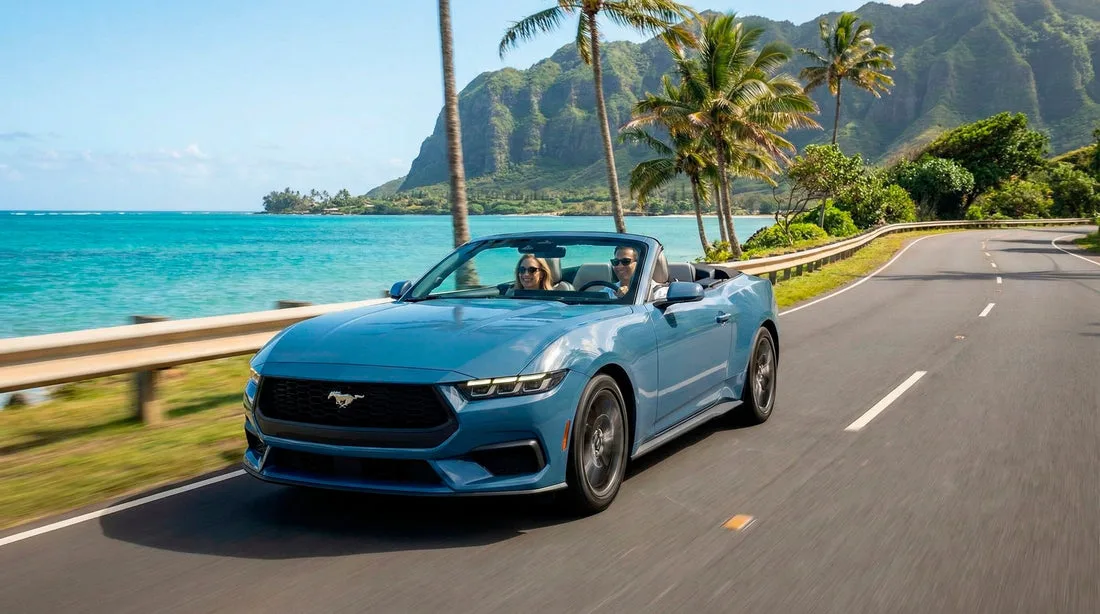
Planning a trip to Hawaii brings up one major logistical question: should i rent a car in oahu? The answer is rarely a simple yes or no. It depends entirely on where you stay, what you want to see, and your daily travel style.
Waikiki hotel parking easily adds $45 to $75 per night to your travel expenses. Meanwhile, public transit fares on the island remain capped at just $7.50 per day with a transit card. Here is how to evaluate the costs, traffic realities, and travel options for your stay.
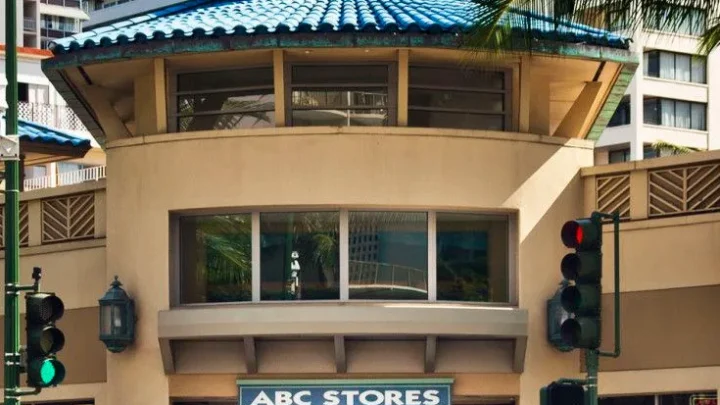
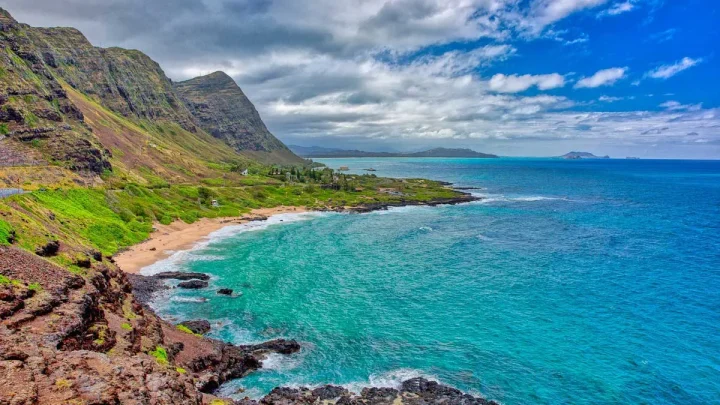
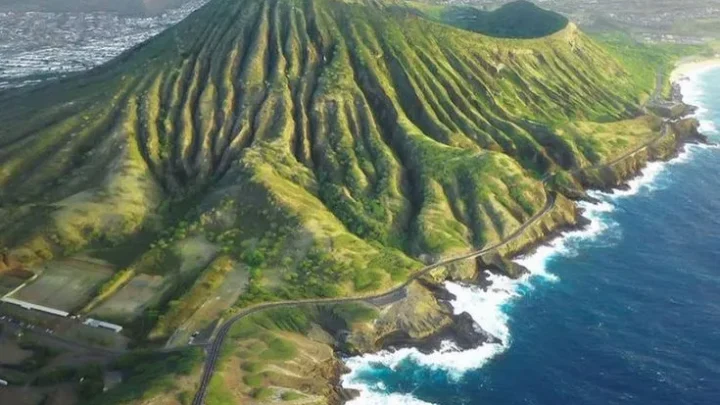
Image source: Web (Bing) / holacarrentals.com (Web image (fair-use with source credit))
Quick Answer
You should rent a car in Oahu only for specific travel days. Waikiki is walkable, and public transit reaches major sights easily. High hotel parking fees make full-week rentals very expensive.
Rent a car for one or two days to tour remote coasts.
The Real Cost of Renting a Car: Math You Need to Do First
Many travelers look only at the advertised daily car rate. That base rate rarely reflects the actual price you pay on the island. When you tally up local taxes, resort parking, and fuel, the total can double your vehicle budget.
As of 2026, daily parking at standard Waikiki hotels ranges between $45 and $80 per night plus tax. Valet services push that number higher. Add Hawaii general excise taxes, customer facility charges at the airport, and island gas prices that consistently rank among the highest in the country.
| Expense Category | Daily Full-Week Rental | 2-Day Hybrid Rental | Transit and Rideshare Only |
|---|---|---|---|
| Base Vehicle Rate | $45 to $85 | $55 to $95 | $0 |
| Waikiki Overnight Parking | $45 to $75 | $0 (same-day return) | $0 |
| Taxes and Airport Surcharges | $15 to $25 | $8 to $12 | $0 |
| Fuel Estimate | $10 to $15 | $10 to $15 | $0 |
| Fares, Shuttles, and Ubers | $0 | $15 to $20 | $25 to $40 |
| Estimated Daily Average | $115 to $200 | $45 to $65 (averaged over 5 days) | $25 to $40 |
If you keep a rental parked in Waikiki while you spend the day on the beach, you are paying over $100 just to let a car sit. Calculating your total parking overhead before you book prevents costly budget surprises.
The Oahu Car Rental Decision Framework: Which Traveler Are You?
Your itinerary should dictate your transportation, not the other way around. Match your travel profile to the right approach below.
Stay-Put Waikiki Vacationer
If your plans center on Waikiki Beach, local shopping, dining, and boat tours out of Ala Wai Harbor, do not rent a car. Waikiki is dense, highly walkable, and packed with flat sidewalks. You can walk from one end of the main strip to the other in 25 minutes.
The All-Island Road Tripper
If you are staying outside Honolulu, a car is mandatory. Locations on the North Shore, Kailua, or the Leeward Coast offer limited public transit access. Having your own wheels allows you to reach remote hiking trailheads, uncrowded sunrise lookouts, and surf breaks before crowds arrive.
The Hybrid Explorer
If you are based in Waikiki but want to explore the North Shore, Kualoa, and the Windward Coast for a day or two, choose a hybrid rental strategy. Book a car from an in-town desk in Waikiki for 24 to 48 hours. Pick the vehicle up in the morning and return it before hotel overnight parking fees apply.
The Ko Olina or North Shore Resort Guest
If you booked a resort in Ko Olina or Turtle Bay, consider your off-property plans. If you intend to stay on the resort grounds, take a direct airport shuttle. If you want to explore local food trucks and nearby towns daily, rent a car directly at the airport.
Alternative Ways to Get Around Oahu (and When They Make Sense)
You do not need personal wheels to see the best parts of the island. Several low-stress alternatives let you skip parking hassles entirely.
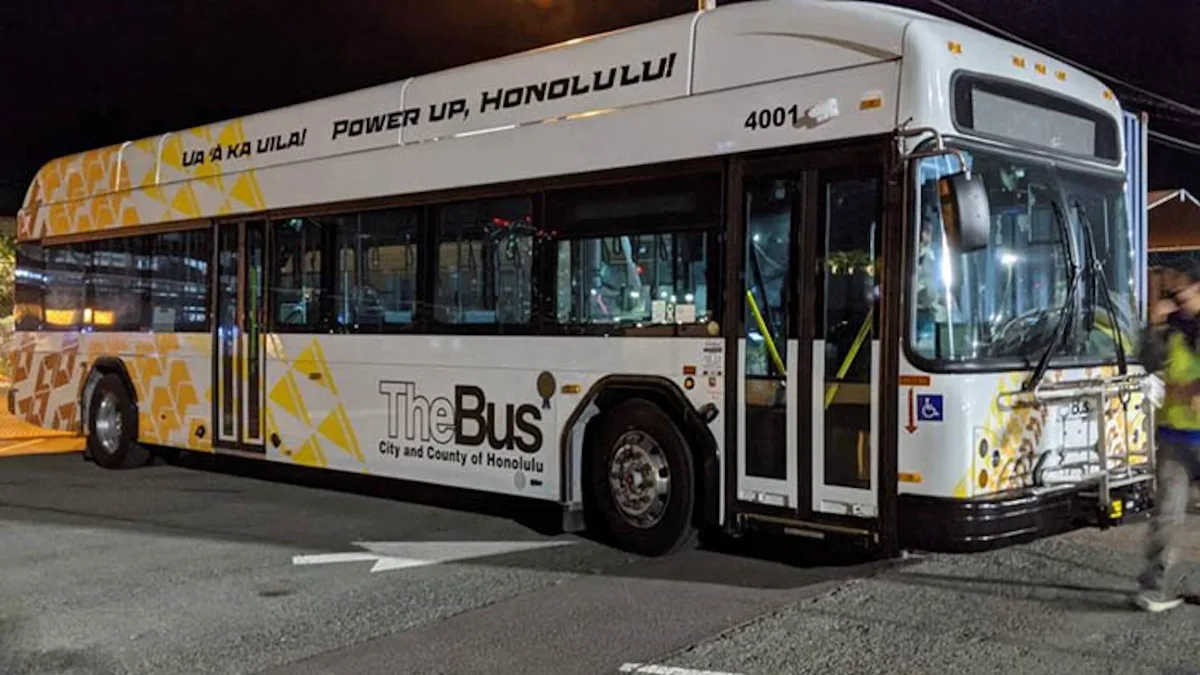
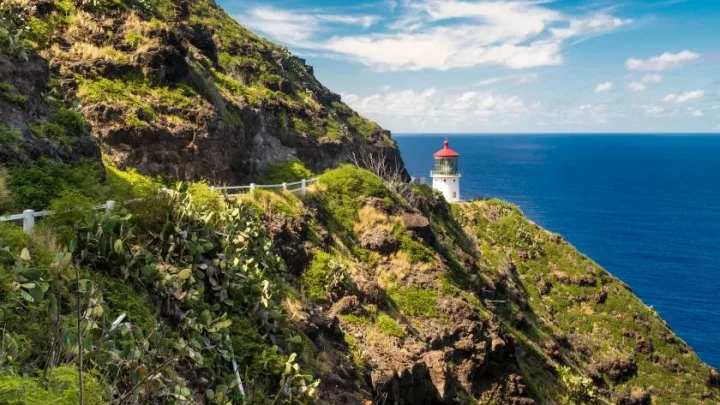
Image source: Bing (Web (fair-use with source credit))
TheBus and the HOLO Card
Oahu operates one of the most comprehensive public transit networks in the United States, managed by the City and County of Honolulu Department of Transportation Services. The transit system, known locally as TheBus, covers nearly every major tourist attraction, including Pearl Harbor, Hanauma Bay, and Haleiwa.
Fares require a HOLO smart card or exact cash. Adult fares run $3.00 per single ride, with daily spending capped at $7.50 once you tap your card multiple times. While it takes longer than driving, it is exceptionally reliable and cost-effective.
Rideshares and Airport Transfers
Uber and Lyft operate across Honolulu and surrounding regions. A rideshare from Daniel K. Inouye International Airport to Waikiki typically costs $35 to $55, depending on the time of day.
Pre-arranged flat-rate airport taxi services also provide reliable curb-to-hotel transfers without dynamic surge pricing.
Hop-On Tours and Organized Excursions
Private tour companies handle transport directly for destination activities. Attractions like Kualoa Ranch, Polynesian Cultural Center, and Diamond Head offer direct shuttle pickups from central Waikiki hotels. The private Waikiki Trolley system also provides multi-line passes linking Ala Moana Center, Diamond Head, and historic downtown landmarks.
Driving and Parking Realities: What Nobody Warns You About
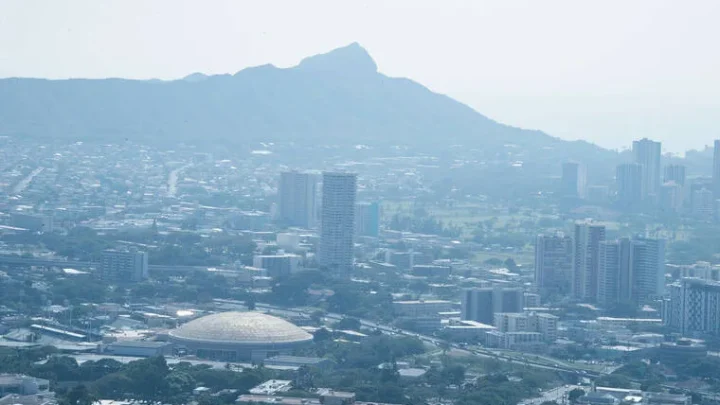
Driving on Oahu is not always a breezy coastal cruise. Honolulu experiences heavy metropolitan traffic congestion, particularly along the Interstate H-1 corridor during morning and evening rush hours.
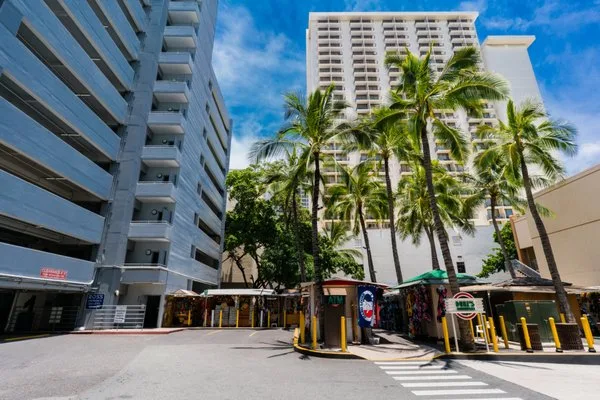
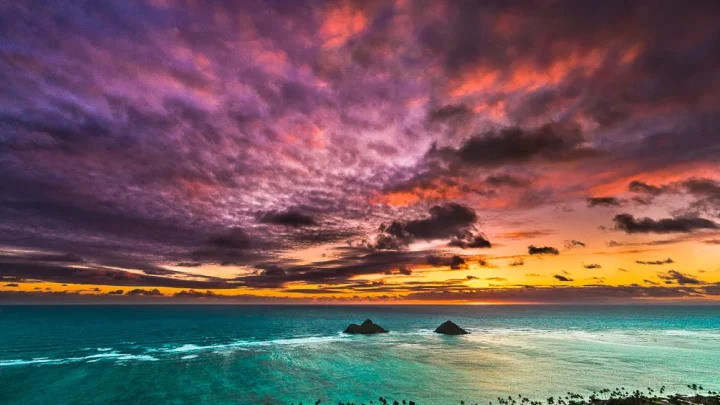
Image source: Bing (Web (fair-use with source credit))
Two-lane coastal roads create severe bottlenecks. Kamehameha Highway along the North Shore often crawls to a standstill near Laniakea Beach when visitors stop for sea turtle sightings. Highway safety guidelines and road project notices are published regularly by the Hawaii Department of Transportation.
Parking availability is strictly limited outside commercial garages:
- Lanikai Beach has no dedicated public parking lot, and residential street parking is heavily ticketed on weekends and holidays.
- Popular state parks like Diamond Head State Monument and Hanauma Bay require advance reservations for parking stalls.
- Vehicle break-ins can occur at unattended beach lots and remote trailheads. Never leave luggage, bags, or visible items inside a parked vehicle anywhere on the island.
Common Rental Mistakes That Drain Your Budget and Time
Booking a full-week rental straight from the airport is the most frequent mistake visitors make. If you spend your first three days exploring Waikiki or lounging by your hotel pool, you pay rental rates and steep parking fees for an idle vehicle.
Another common pitfall is ignoring Hawaii child safety laws. Hawaii law (HRS § 291-11.5) requires children under age 10 to use an approved child safety seat or booster when traveling in a motor vehicle. Rental companies charge premium daily fees for child seats.
Bringing your own car seat on the airplane avoids these add-on costs.
Renting an oversized SUV or Jeep Wrangler can also cause unexpected friction. Oahu parking spots in Waikiki garages are notoriously narrow. Standard sedans or compact crossovers make parking far simpler and save significant money on fuel.
Finally, failing to download offline maps before heading to remote coastal roads leads to navigation headaches. Cellular service drops along stretches of the Windward Coast and near Kaena Point State Park. Saving local maps to your phone beforehand ensures seamless directions.
Frequently Asked Questions About Renting a Car in Oahu
Can you get around Oahu without a car?
Yes, you can easily get around Oahu without a car, especially in the Honolulu and Waikiki areas. TheBus offers extensive routes to major sights like Pearl Harbor, Hanauma Bay, and the North Shore. Rideshare services, hotel shuttles, and walking cover nearly all remaining travel needs.
How much does car rental parking cost at Waikiki hotels?
Waikiki hotel parking typically costs between $45 and $80 per night plus local tax. Valet service usually sits at the top end of that range. Free street parking in Waikiki is extremely scarce, with strict tow-away zones enforced throughout the week.
Is it better to rent a car at Honolulu airport or in Waikiki?
It depends on your overall itinerary and where you plan to spend your time. Renting at the airport makes sense if you stay outside Waikiki. If you stay in Waikiki, renting from a neighborhood desk in town for one or two days saves substantial parking fees.
Is driving on Oahu difficult for first-time visitors?
No, driving on Oahu is straightforward because roads are well-marked and highways follow standard US rules. However, traffic congestion on Interstate H-1 and two-lane coastal roads like Kamehameha Highway can cause long delays during morning and evening rush hours.
Do I need a four-wheel drive vehicle in Oahu?
No, you do not need a four-wheel drive vehicle on Oahu. All standard tourist destinations, scenic lookouts, and beaches are accessible via paved public roads. Most rental agreements strictly prohibit driving on unpaved surfaces anyway.
Final Verdict: Step-by-Step Action Plan for Your Trip
To make the most of your budget and time, follow this practical booking plan:
- Audit your accommodation location first. If staying in Waikiki, do not book a car for your entire vacation. If staying in Ko Olina, Turtle Bay, or an Airbnb outside Honolulu, reserve a car for your full stay.
- Cluster your distant adventures together. Group your North Shore surfing, Windward Coast scenic drives, and East Oahu hikes into one or two back-to-back days.
- Book a local Waikiki rental desk. Reserve a car for just those specific excursion days from a downtown hotel desk. Pick it up at 8:00 AM, explore the island, and return it by evening or the next morning.
- Use rideshares and transit for city sights. Rely on walking, TheBus, and flat-rate airport transfers for your urban, dining, and beach days.
This hybrid approach gives you complete freedom to explore Oahu while saving hundreds of dollars on overnight parking and vehicle rental fees.

Similar Posts