When Is Whale Season in Oahu? Best Months to Visit
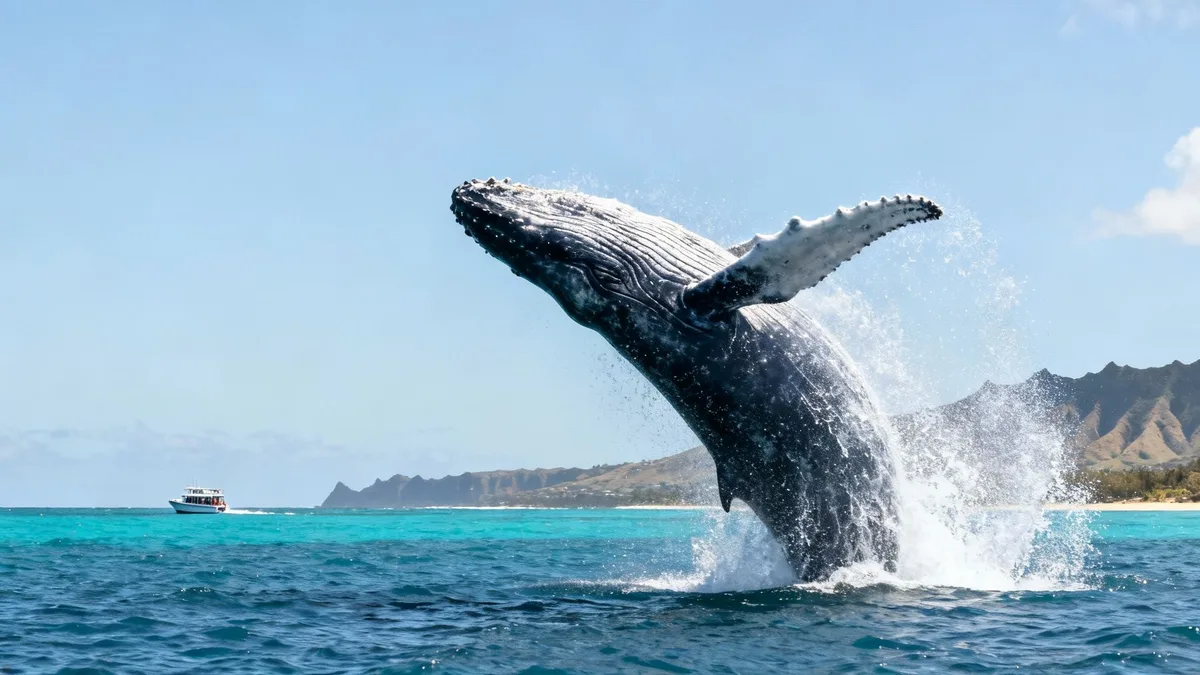
Planning an ocean getaway requires knowing exactly when is whale season in oahu so you do not miss the migration. Thousands of North Pacific humpback whales (Megaptera novaeangliae, known locally as koholā) travel roughly 3,000 miles from Alaskan feeding grounds to Hawaii every winter. Catching a glimpse of these massive marine mammals breaching off the coast is an unforgettable experience.
Official monitoring data shows that around 10,000 to 12,000 humpbacks visit Hawaiian waters annually to mate, give birth, and nurse their calves. As of 2026, survey counts confirm that your travel timing dictates whether you see solitary early arrivals or dense pods. Let us look at the seasonal timeline and ocean conditions so you can plan the perfect sighting.
Image source: Web (Bing) / livingoceantours.com (Web image (fair-use with source credit))
Quick Answer: The Oahu Whale Season Timeline
Whale season in Oahu runs from November through May each year. Peak whale watching activity occurs between January and March. The first migrating whales typically arrive by mid-November.
Mother and calf pairs remain active through early April. Most humpbacks depart back to cold feeding grounds by May.
Month-by-Month Breakdown: What to Expect from November to May
Humpback numbers fluctuate throughout the winter. Knowing what happens each month helps you set realistic expectations for your trip.
| Month | Whale Density | Typical Behaviors | Best Viewing Strategy |
|---|---|---|---|
| November | Low | Solitary adults, early scouts | Elevated shore lookouts |
| December | Moderate | Fast-moving adults, early competition pods | Shore lookouts and early boat tours |
| January | High | Breaching, surface tail slaps, courting | Boat charters and coastal trails |
| February | Peak | Active nursery pairs, high pod density | All viewing methods |
| March | High | Calves learning behaviors, escort males | Leeward boat tours and east lookouts |
| April | Moderate to Low | Resting cow-calf pairs, late departures | Calmer morning boat tours |
| May | Very Low | Lingering stragglers heading north | Dedicated shore scanning |
November to December: The Arrival
The first whales usually appear off Oahu in late October or November. These early arrivals are often mature males and lone adults traveling fast. Sightings during November are sporadic, so spotting one requires patience and binoculars.
By mid-December, arrivals ramp up significantly. Commercial whale watching boat tours launch their daily schedules around December 15 as pod numbers swell across the channels.
January to March: The Peak Season
If maximum whale activity is your priority, visit between January and March. Late January through late February represents the absolute peak of the migration.
During these months, you will witness dramatic surface behaviors. Male competition pods thrash across the surface chasing females, while newborn calves practice breaching alongside their mothers.
April to May: The Departure Tail
Whale numbers begin tapering off in April. Mature adults without calves depart first for northern feeding grounds.
Mothers with young calves linger longer in shallow coastal waters to allow the calves to gain strength for the long journey north. By May, sightings become rare as the final pods clear Hawaiian waters.
The Viewing Decision Framework: Boat Tour vs. Shore Spotting
Deciding between a dedicated boat charter and viewing from shore comes down to your budget, ocean comfort, and mobility. Use this simple workflow to choose your best option.
Start Here: What is your primary priority?
 │
 ├── Prone to motion sickness or traveling on a budget?
 │    └── CHOOSE: Elevated Shore Lookouts
 │         • Cost: Free
 │         • Experience: Stable ground, wide-angle views, family-friendly
 │         • Gear needed: Binoculars, polarized sunglasses, windbreaker
 │
 └── Want close-range viewing and hydrophone audio?
      └── CHOOSE: Dedicated Boat Tour
           • Cost: $60 to $150+ per person
           • Experience: Water-level perspectives, expert narration, whale songs
           • Requirement: Basic sea legs (or motion sickness remedies)
If you choose a boat tour, select your vessel size carefully. Large catamarans offer stable decks, restrooms, and shaded seating, making them ideal for families and casual viewers. Rigid inflatable boats (RIBs) and smaller zodiacs sit lower in the water for thrilling perspectives, but they experience much more chop.
If you choose shore spotting, elevation is your friend. High coastal cliffs give you an expanded field of view over the ocean surface, making it easy to spot distant water plumes.
Best Places to See Whales on Oahu (By Coast and Ocean Conditions)
Oahu features distinct microclimates and ocean conditions on each shore. Choosing where to go depends heavily on trade winds and winter swells.
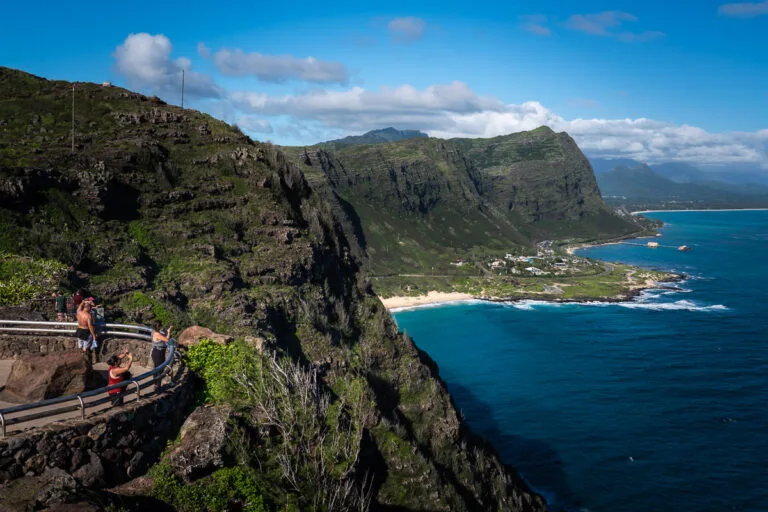
Image source: Bing (Web (fair-use with source credit))
East Coast: The Kaiwi Channel Lookouts
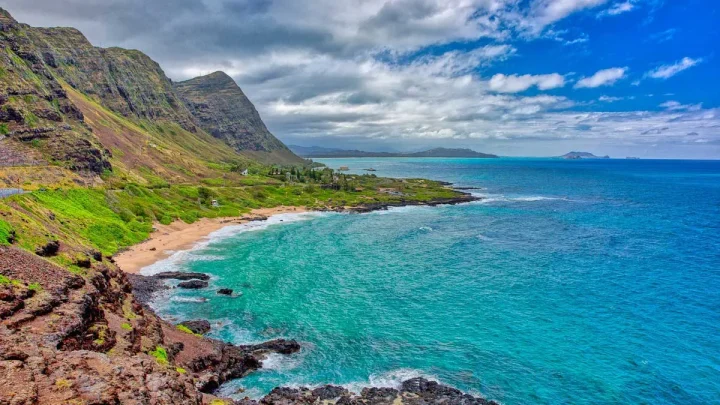
The southeastern tip of Oahu overlooks the Kaiwi Channel, one of the primary transit paths for humpbacks moving between Molokai and Oahu.
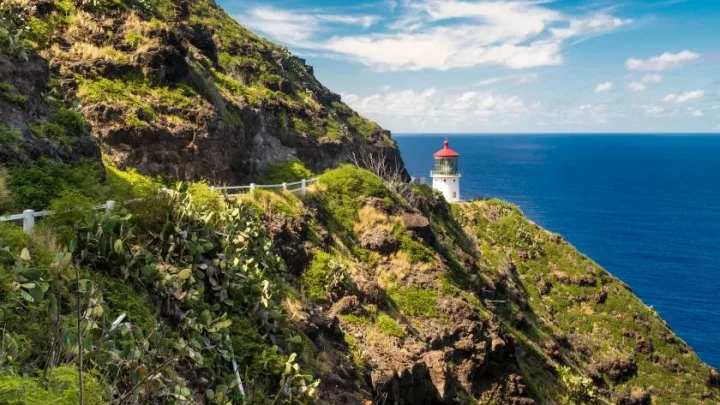
- Makapuʻu Point Lighthouse Trail: This paved two-mile round-trip trail offers elevated viewing platforms equipped with mounted spotting scopes. It is widely considered the top shore-spotting location on the island.
- Halona Blowhole and Lanaʻi Lookout: These roadside pull-offs along Kalanianaʻole Highway provide sweeping views of the open channel without any hiking required.
West Coast (Leeward): Calm Waters for Boat Tours
The Waianae coast sits in the rain shadow of the Waianae mountain range, protecting it from brisk trade winds. If you are booking a boat tour, departing from Waianae Small Boat Harbor or Ko Olina gives you the smoothest water conditions on Oahu.
According to research supported by NOAA Fisheries, these protected leeward waters serve as vital resting and nursery zones for mothers and their newborn calves.
South Shore: Convenient Urban Spotting
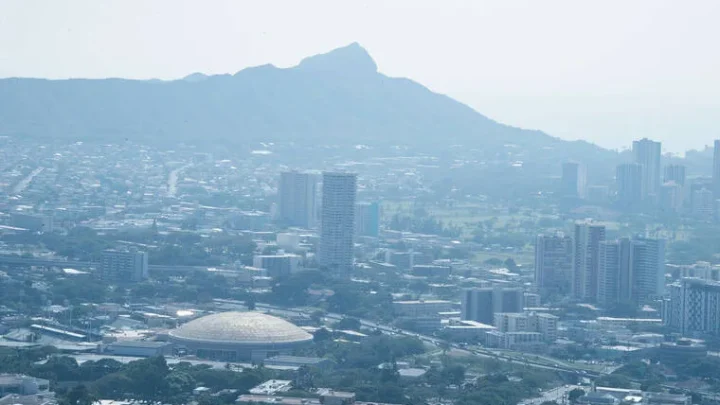
The waters off Waikiki and Diamond Head host regular whale traffic. Diamond Head Beach Lookout provides an excellent high-perch view over the surf. Catamarans departing directly from Waikiki Beach offer fast, convenient access to whale territory right outside the city center.
North Shore: High Surf Shore Scanning
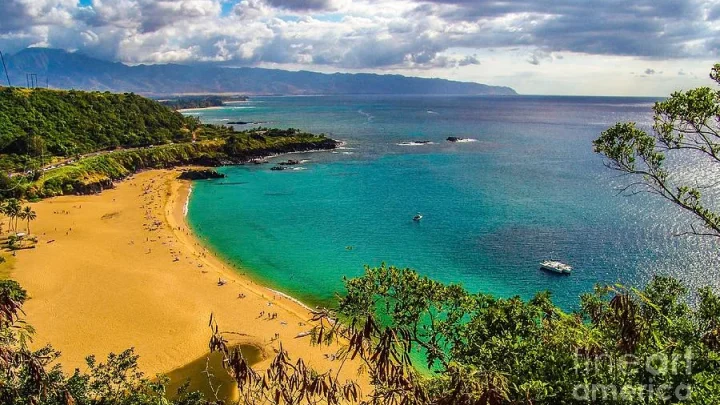
Winter brings massive ocean swells to the North Shore, creating legendary 20-to-40-foot waves. Small boat tours do not operate in these hazardous conditions.
However, shore viewing from spots like Waimea Bay, Sunset Beach, and Turtle Bay Point can be rewarding. You can often see humpbacks breaching beyond the outer break while surfers ride the inner reef.
How to Spot Humpbacks Like a Local: Visual Cues and Daily Timing
Scanning a vast ocean can feel overwhelming if you do not know what visual signs to look for. Train your eyes to identify specific disruptions on the surface.
Visual Cue Reference:
┌─────────────────────┬──────────────────────────────────────────────────────┐
│ Visual Sign         │ What It Looks Like                                   │
├─────────────────────┼──────────────────────────────────────────────────────┤
│ The Blow (Spout)    │ A tall, white vapor plume rising 10 to 15 feet.      │
│ The Footprint       │ A flat, glassy circular patch of calm water.         │
│ The Breach          │ A massive splash throwing white spray into the air.  │
│ Pectoral Slap       │ A long white fin slapping the surface repeatedly.    │
└─────────────────────┴──────────────────────────────────────────────────────┘
Read the Surface
Start by scanning the horizon horizontally across a 45-degree arc. Do not stare at one single spot.
Look for the blow first. A humpback exhales through its blowhole under tremendous pressure, creating a dense column of water vapor that lingers in the air for several seconds.
Once you spot a blow, watch the area immediately surrounding it. A smooth, glassy circle on the surface, known as a whale footprint, appears right after a whale dives beneath the surface. This shows you exactly where the animal was swimming.
Pick the Best Time of Day
Whales are active around the clock, but ocean viewing conditions change dramatically throughout the day.
- Early Morning (7:00 AM to 10:00 AM): Trade winds are usually calmest early in the morning, leaving the ocean surface flat. Flat water makes it much easier to detect spouts and surface splashes.
- Midday (11:00 AM to 2:00 PM): The sun sits directly overhead, causing heavy surface glare that strains your eyes.
- Late Afternoon (3:00 PM to 5:30 PM): The low angle of the setting sun creates strong contrast, making distant white splashes stand out sharply against dark blue water.
Wildlife Laws and Safe Ocean Practices: The 100-Yard Rule
Federal regulations strictly protect humpback whales in all Hawaiian waters. Under the Marine Mammal Protection Act and state wildlife laws, you must stay at least 100 yards away from any humpback whale. This distance applies to everyone on the water.
It includes motorized tour boats, sailboats, kayaks, stand-up paddleboards, and swimmers.
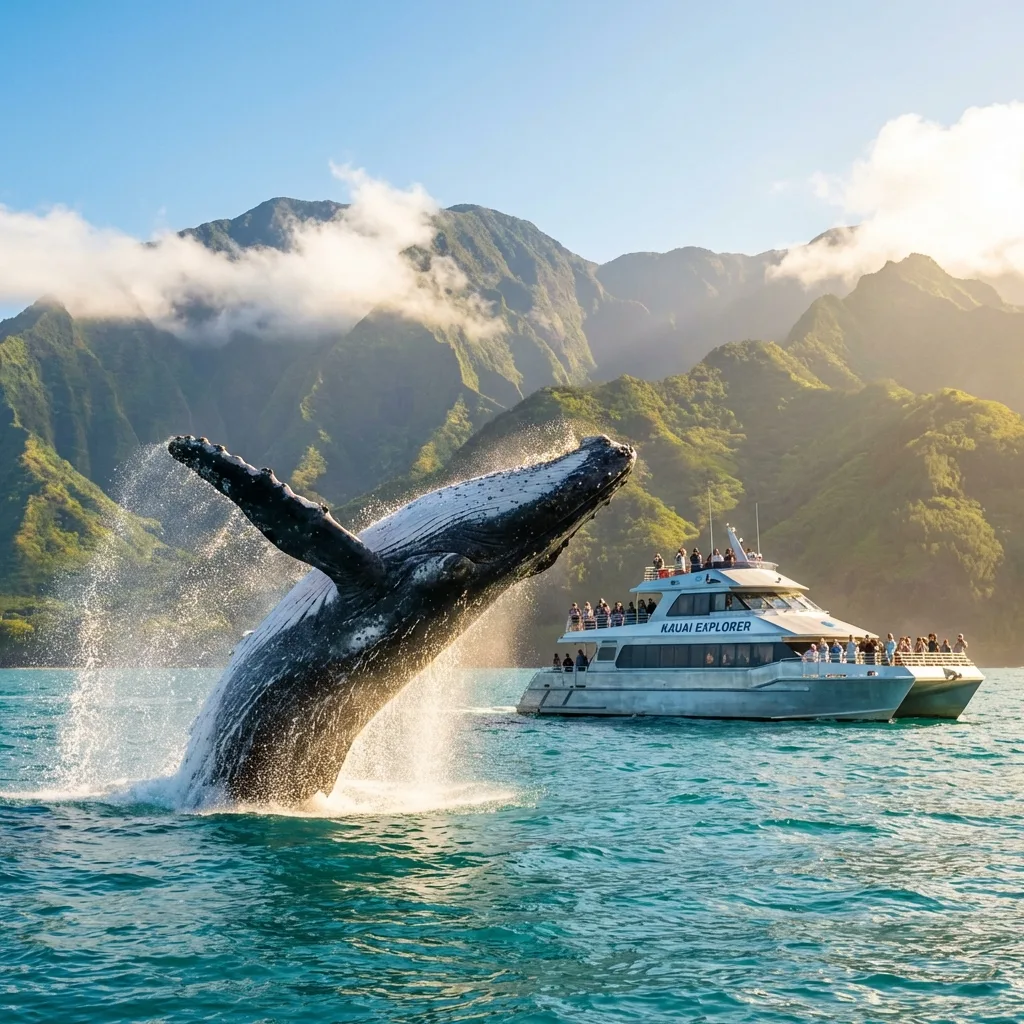
Image source: Bing (Web (fair-use with source credit))
Approach Rules Summary:
• Ocean Vessels / Swimmers: Must maintain a 100-yard perimeter (the length of a football field).
• Aircraft & Drones: Must maintain a 1,000-foot minimum altitude above marine mammals.
• Accidental Approaches: If a whale surfaces inside 100 yards of your vessel, you must put the engine in neutral until the animal swims clear.
The Hawaiian Islands Humpback Whale National Marine Sanctuary monitors these boundaries to protect nursing mothers and resting calves. Harassing or pursuing a pod can disrupt feeding, nursing, and resting behaviors. Violations carry substantial federal fines.
If you fly a recreational camera drone, keep it well above the 1,000-foot ceiling. Drone noise disturbs resting pods and can cause sudden avoidance dives.
Frequently Asked Questions About Oahu Whale Watching
Can you see whales from Waikiki Beach?
Yes, you can see whales directly from Waikiki Beach during peak winter months. Look past the outer surf break toward the horizon for vertical water spouts. For the best view, walk out onto the Magic Island peninsula or hike up to the Diamond Head lookout.
What time of day is best for whale watching on Oahu?
Early morning between 7:00 AM and 10:00 AM is the best time for whale watching. Morning ocean conditions usually feature light trade winds and minimal surface chop. Calmer water makes distant blows and fin slaps much easier to identify than during windy afternoons.
Are boat tours guaranteed to see whales on Oahu?
Most reputable tour operators offer a sighting guarantee between late December and late March. If your vessel does not encounter a whale during this peak window, most companies offer a free return voucher for another trip. Always confirm the specific guarantee terms before booking.
Is whale watching better on Oahu or Maui?
Maui has higher whale concentrations because the shallow Auau Channel creates a protected sanctuary basin. However, Oahu offers exceptional viewing with far fewer tourist boats on the water. Oahu also features dramatic elevated cliff hikes, like Makapuu Point, that Maui lacks.
Can you swim or snorkel with humpback whales in Oahu?
No, intentionally swimming or snorkeling with humpback whales is illegal in Hawaii. Federal law requires swimmers, divers, and boaters to maintain a 100-yard buffer. If a whale approaches you unexpectedly while you are in the water, you must slowly back away.
Final Decision Guide: Planning Your Perfect Oahu Whale Trip
To make the most of your trip, align your schedule with seasonal migration patterns and regional ocean conditions.
Your Action Checklist:
1. Target Mid-January Through Late March:
   Book your trip during this window for the highest sighting numbers and active calf behaviors.

2. Select the Right Coast for Your Style:
   • For calm water boat tours: Depart from the West Coast (Waianae Harbor or Ko Olina).
   • For free, dramatic shore spotting: Hike the paved Makapuʻu Point Lighthouse Trail on the East Coast.
   • For casual city viewing: Take a Waikiki catamaran or scan from the Diamond Head lookout.

3. Pack the Proper Viewing Gear:
   • 8x42 or 10x42 waterproof binoculars for crisp shore spotting.
   • Polarized sunglasses to cut through ocean surface glare.
   • Non-drowsy motion sickness remedies taken one hour before boat departures.
Planning around these core timeframes and coastal locations ensures you get the absolute best views of Hawaii's visiting humpbacks.

Similar Posts