Oahu Weather Guide: What to Expect Month by Month
If you check your smartphone before a trip, you might wonder what's the weather in oahu when the app predicts rain every single day. Most standard weather apps pull data from a single station that flags any passing shower as a rainy day. That simple icon paints a misleading picture of what is happening across the island.
Oahu averages over 270 sunny or partly sunny days each year. Rainfall is concentrated along high ridgelines rather than spreading across the resort beaches. Understanding how the island geography shapes the daily forecast helps you plan every outing with confidence.
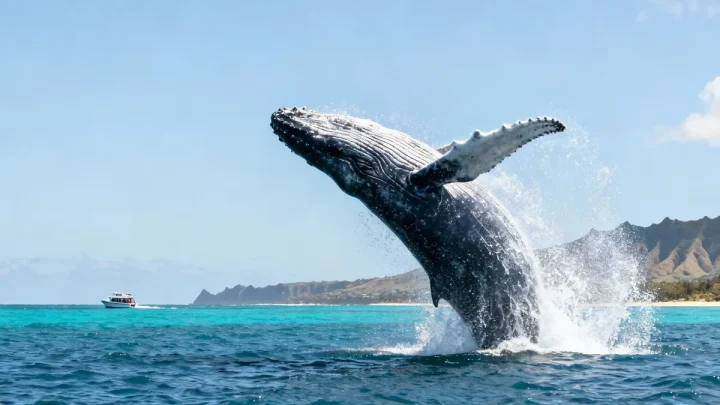
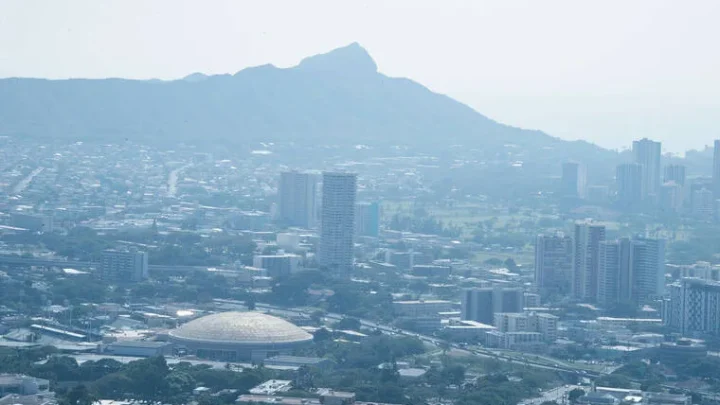
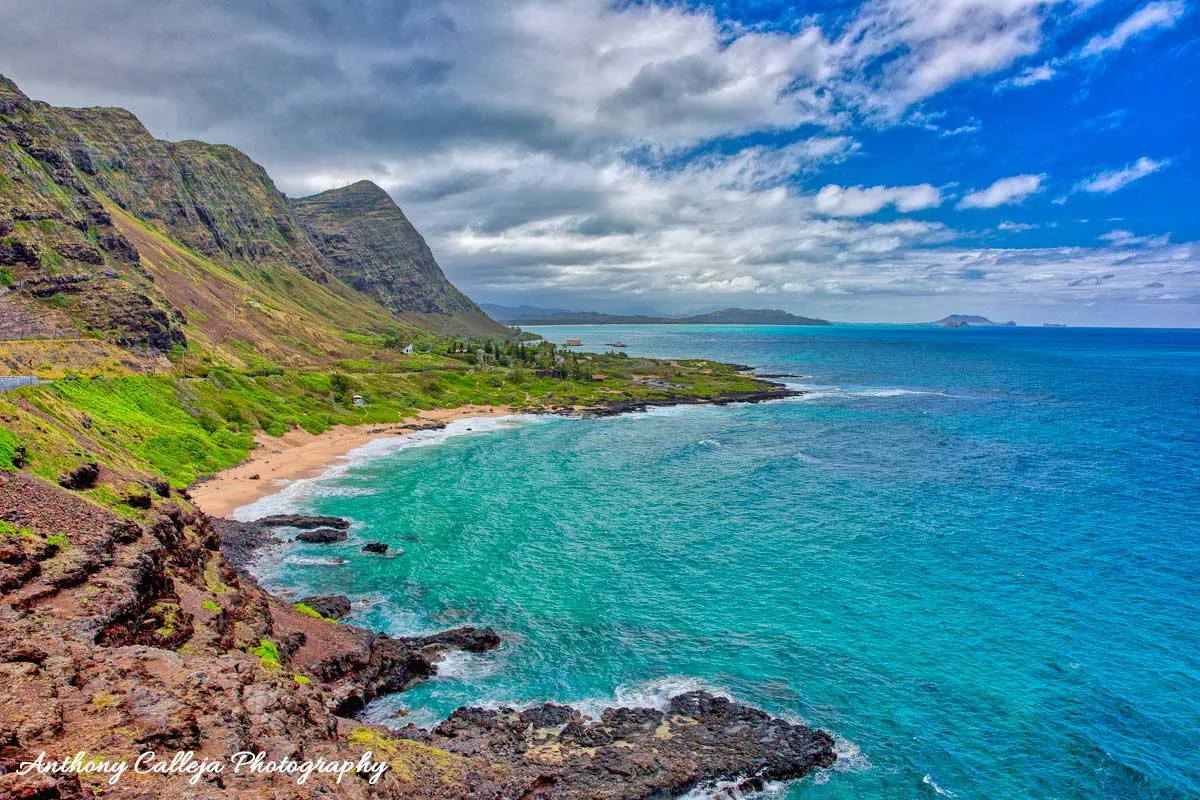
Image source: Web (Bing) / anthonycalleja.com (Web image (fair-use with source credit))
Quick Answer
Oahu weather is warm and tropical throughout the year. Daytime temperatures stay between 78 and 89 degrees Fahrenheit. Steady trade winds provide natural ocean cooling.
Most rain falls along the windward mountains. The south and west coasts stay mostly dry and sunny.
Why Your Phone Weather App Is Lying to You About Oahu
Standard smartphone apps usually show a 40 to 60 percent chance of rain for Oahu almost every day of the year. That single percentage makes people assume their beach vacation will be washed out. In reality, that number simply means there is a chance of rain falling somewhere within the forecast zone.
Oahu features extreme elevation changes that create isolated weather pockets. Warm ocean air hits the steep mountain ridges and cools quickly. This causes moisture to condense into localized showers over the mountains.
The coast just two miles away often stays completely dry under full sun.
The National Weather Service Honolulu Office tracks these distinct microclimates across the island. When an app shows a rain icon, that shower might last only ten minutes over the peaks. Learning how trade winds move these clouds allows you to outsmart the generic forecast.
Oahu’s 4 Microclimates: Windward, Leeward, South Shore, and North Shore
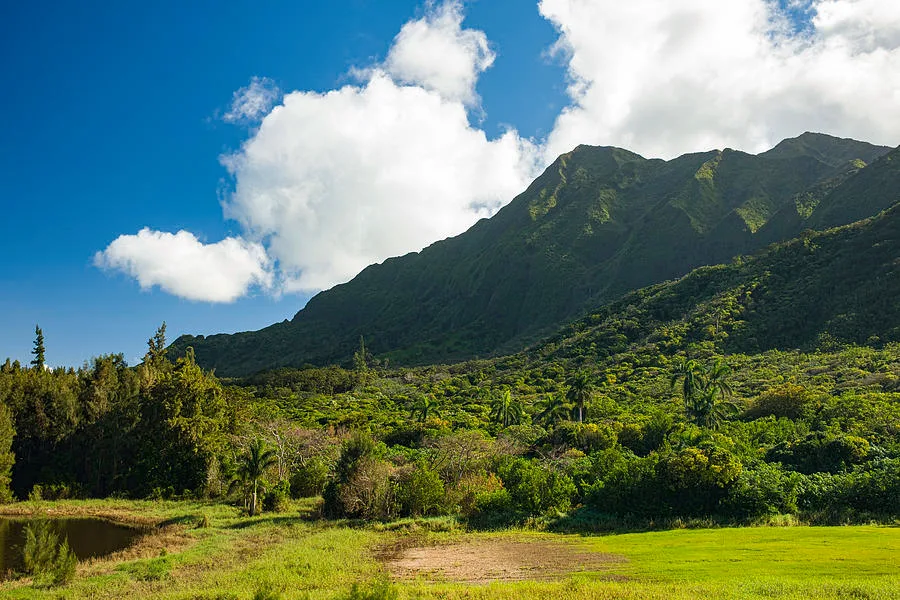
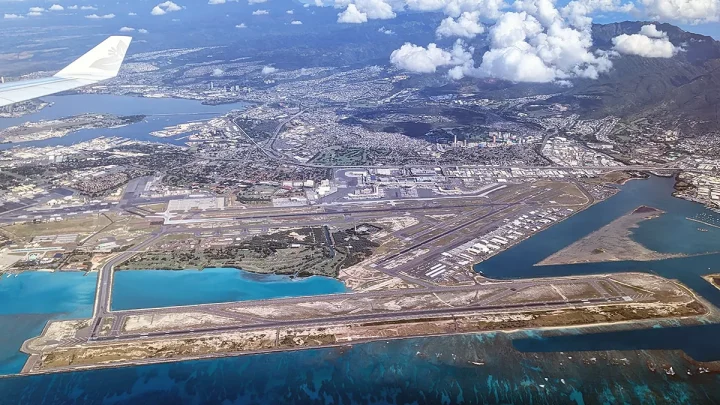
Image source: Bing (Web (fair-use with source credit))
Oahu is split by two major mountain ridges: the Koʻolau Mountain Range in the east and the Waiʻanae Mountain Range in the west. These natural barriers divide the island into four distinct weather regions. Knowing the differences helps you pick the right coast for your plans.
South Shore (Waikiki & Honolulu): Reliable Sunshine and Urban Heat
The South Shore sits in the rain shadow of the Koʻolau mountains. Waikiki and downtown Honolulu receive steady sun, light breezes, and minimal rainfall throughout the year. Daytime temperatures regularly hover around 85 degrees Fahrenheit.
The dense concentration of hotels and concrete absorbs heat during the day. This keeps evening temperatures slightly warmer than other coastal areas. Ocean waters along Waikiki remain gentle and warm, making it ideal for swimming year-round.
Leeward Coast (Ko Olina & Waiʻanae): The Driest, Sunniest Pocket
The Leeward Coast on the western edge is the sunniest part of Oahu. The Waiʻanae range blocks incoming trade wind showers, leaving areas like Ko Olina and Makaha with under 20 inches of rain annually.
If it is raining across the rest of the island, this coast is almost always clear. The trade-off is higher daytime heat and less wind. Summer afternoons here can feel hot and dry, so bring extra water and sun protection.
Windward Coast (Kailua & Kāneʻohe): Lush Views, Trade Winds, and Quick Showers
The Windward Coast faces the incoming northeast trade winds directly. Towns like Kailua and Kāneʻohe receive frequent, passing rain showers that keep the landscape deep green.
Showers here usually arrive in short bands that pass in 5 to 15 minutes. The persistent ocean breeze keeps humidity levels comfortable, even during the warmest summer months.
North Shore (Haleiwa): Seasonal Drama, Winter Swells, and Summer Calm
The North Shore changes dramatically depending on the season. Summer brings calm, glass-like water and warm beach days perfect for snorkeling at Sharks Cove.
Winter completely transforms this coast. Massive North Pacific swells generate world-famous surf breaks, accompanied by cooler ocean breezes and occasional heavy rain squalls.
Month-by-Month Breakdown: Temperatures, Rainfall, and Water Conditions
Oahu does not have four distinct seasons. Instead, the climate features two main periods: summer (Kau) from May through October, and winter (Hoʻoilo) from November through April. As of 2026, climate monitoring confirms that average coastal high temperatures vary by only 7 to 10 degrees between seasons.
| Season / Month | Average High (°F) | Average Low (°F) | Water Temp (°F) | Rainfall Pattern |
|---|---|---|---|---|
| Jan – Feb | 79°F – 81°F | 65°F – 68°F | 76°F – 77°F | Highest winter rainfall, active surf |
| Mar – Apr | 81°F – 83°F | 67°F – 70°F | 77°F – 78°F | Transition months, tapering rain |
| May – Jun | 84°F – 86°F | 70°F – 73°F | 78°F – 80°F | Warm, sunny, consistent trade winds |
| Jul – Aug | 87°F – 89°F | 73°F – 75°F | 80°F – 82°F | Peak summer heat, lowest rainfall |
| Sep – Oct | 86°F – 88°F | 72°F – 74°F | 80°F – 81°F | High humidity, occasional wind lulls |
| Nov – Dec | 80°F – 83°F | 68°F – 71°F | 77°F – 79°F | Winter swells start, passing showers |
Summer days bring steady trade winds blowing between 15 and 25 miles per hour. These winds keep humidity manageable while ocean temperatures reach their annual peak. Winter brings cooler nights, larger waves on north-facing beaches, and a higher chance of low-pressure storm systems.
The Daily Weather Decision Tree: Where to Go Based on Today’s Forecast
You never need to cancel outdoor activities because of a poor morning forecast. You just need to follow a simple decision process based on wind direction and radar updates.
Is the wind blowing from the Northeast (Trade Winds)?
├── YES:
│   ├── Want guaranteed dry sun? -> Head to Ko Olina / Waiʻanae (Leeward).
│   ├── Want beach breeze & turquoise water? -> Head to Kailua / Lanikai (Windward).
│   └── Hiking a mountain ridge? -> Start before 9:00 AM before cloud build-up.
└── NO (Kona Winds / South Wind):
    ├── Expect high humidity and vog.
    ├── South Shore may see choppier water.
    └── Windward Coast (Kailua) becomes unusually calm and clear.
Scenario 1: Steady Trade Winds with Mountain Clouds (The Classic Pattern)
- If you see fluffy clouds stacked against the Koʻolau mountains, stick to normal plans.
- Head to the Windward Coast for kayaking, kitesurfing, or enjoying breezy beaches.
- Drive west toward Ko Olina if you want completely clear, cloudless skies for sunbathing.
Scenario 2: Kona Winds with Sticky Air and Southern Breezes
- If trade winds drop and winds blow from the south, expect higher humidity and volcanic haze (vog).
- Avoid crowded south-facing beaches, which may experience rougher chop.
- Take advantage of the North Shore and Windward beaches, which become flat, calm, and glassy under southern winds.
Scenario 3: Heavy Winter Rain or Flash Flood Watches
- If a low-pressure system parks over the island, avoid all valley and ridge hikes.
- Skip waterfall trails entirely due to dangerous flash flooding and falling rocks.
- Pivot to indoor cultural activities in Honolulu, such as the Bishop Museum or Iolani Palace, until the front clears.
Common Oahu Weather Traps and How to Avoid Them
The biggest trap is letting a cloudy morning in Waikiki ruin your day. Coastal clouds often burn off by 10:00 AM as the land heats up. If the sky looks gray when you wake up, check a live beach camera on the Leeward coast before canceling outdoor plans.
Another common mistake is hiking ridge trails after midday during trade wind patterns. Mountain clouds gather rapidly by early afternoon. This drops visibility and creates slick clay conditions.
Always schedule ridge hikes for early morning to catch clear summit views.
- Do not trust single-point island forecasts.
- Do not hike during flash flood watches.
- Do not assume a sunny morning stays clear on windward peaks.
- Always check real-time radar for moving rain bands.
Ocean Conditions and Weather Safety: Surf, Currents, and Sun

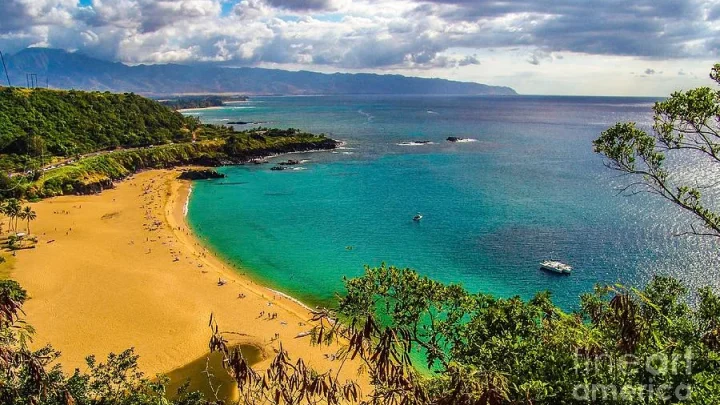
Image source: Bing (Web (fair-use with source credit))
Ocean safety on Oahu is directly tied to seasonal weather shifts. Between November and March, low-pressure systems near Alaska generate powerful waves across the North Shore. These swells create hazardous rip currents and dangerous shorebreaks.
Always verify conditions through Hawaii Beach Safety before entering the water.
During summer, the South Shore experiences its own smaller swell cycle, but conditions remain much gentler. Year-round, Oahu sits close to the equator where the UV Index routinely hits 11 or higher. Trade wind breezes can mask the heat, leading to severe sunburns in under thirty minutes.
- Check posted lifeguard warning flags at every beach.
- Never turn your back on the ocean during high surf advisories.
- Wear mineral sunscreen complying with Hawaii Act 104 to protect coral reefs.
- Avoid south-facing waters 8 to 10 days after a full moon due to box jellyfish arrivals.
Frequently Asked Questions About Oahu Weather
What is the rainiest month in Oahu?
December is historically the wettest month on Oahu, averaging around 3 inches of rain along the coast. However, rainfall mostly falls in short, passing showers over the mountains. The Leeward coast remains largely dry even during peak winter months.
Does it get cold at night in Oahu?
Nighttime temperatures in coastal areas rarely drop below 65 degrees Fahrenheit in winter. Summer nights stay warmer, averaging between 72 and 75 degrees. You only need light layers if you visit higher elevations like Tantalus or hike early in the morning.
When is hurricane season in Oahu?
The Central Pacific hurricane season runs from June 1 through November 30. Direct hurricane hits are exceptionally rare on Oahu due to surrounding ocean currents and wind shear. Tropical systems more commonly bring increased humidity, muggy Kona winds, and localized heavy downpours.
What is the best month to visit Oahu for good weather?
May and September offer ideal weather conditions across the island. These shoulder months feature warm temperatures, consistent trade winds, minimal rainfall, and calm ocean conditions on nearly every coastline.
The Oahu Weather Packing and Planning Playbook
Packing for Oahu is simple once you account for the microclimates. Lightweight, breathable clothing made of linen or moisture-wicking synthetics works best for daytime activities. Even during the warmest months, coastal trade winds keep conditions comfortable.
Always pack a lightweight, packable rain shell if you plan to explore the Windward coast or hike inland waterfalls. Sturdy trail shoes with aggressive traction are essential for muddy ridge paths. For sun protection, bring polarized sunglasses, a wide-brim hat, and UPF-rated rash guards for extended water activities.

Similar Posts