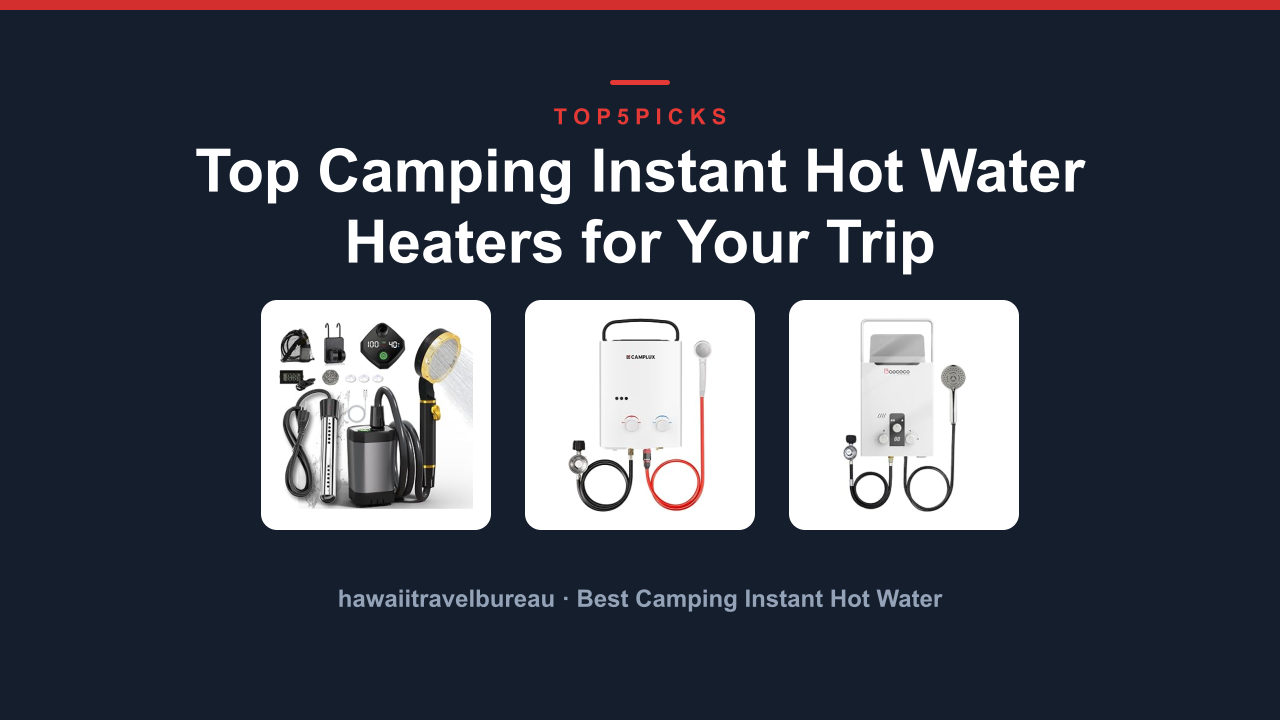
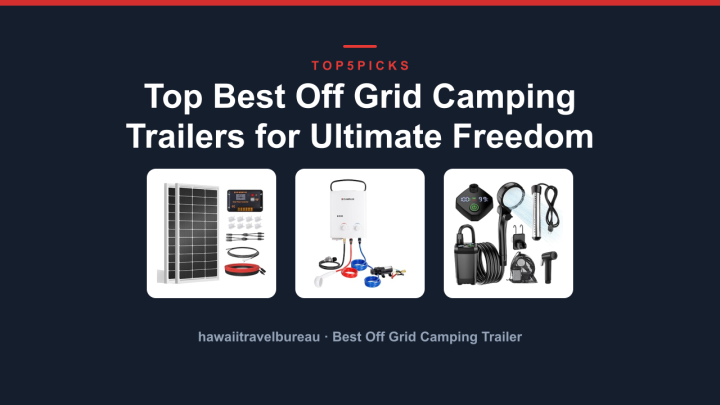
The best Best Camping Instant Hot Water is the BSEED Portable Shower Camping Immersion Water, the only unit here that heats water on demand without needing a propane tank or complex plumbing setup. It’s perfect for solo hikers and car campers who want simplicity.
Want unlimited hot water instead? The Tankless Water Heater Instant Propane Gas gets you there, as long as you’re okay hauling a gas cylinder and managing hoses.
As an Amazon Associate, I earn from qualifying purchases.
This guide cuts through the marketing noise to highlight which heaters actually deliver consistent warmth in cold weather. We also identify specific buyers who should skip this category entirely because their needs require permanent installation rather than portable gear.
Everything below comes from current Amazon product data, manufacturer specifications, and aggregated owner feedback. Our editorial team analyzed these metrics to provide research-backed insights, not hands-on lab testing results.
Quick Answer: The Best Camping Instant Hot Water
The BSEED Portable Shower Camping Immersion Water takes the top spot for its ease of use and battery-powered convenience.
This is the go-to choice for anyone who wants hot water without dealing with gas cylinders. Verified buyer feedback highlights the intelligent LED display as a major usability win, letting you monitor temperature precisely while the 6000mAh rechargeable battery handles the heavy lifting.
Manufacturer specifications indicate the unit works well for hiking, travel, and even washing pets or cars. You simply submerge the heater in your water container, set the desired temp, and wait. The compact design slips easily into a backpack side pocket.
Flaws but not dealbreakers. Aggregate user reviews report that heating large volumes of water takes significantly longer than propane alternatives. If you are camping with a family, you might run out of battery mid-shower.
This model stands out for its ability to start up even under low water pressure conditions. Industry data confirms that many standard tankless heaters fail when connected to gravity-fed systems, but the CAMPLUX 5L includes specific engineering to overcome this hurdle.
Verified buyer reports praise the folding handle design, which makes storing the unit in tight RV compartments much easier. The 1.32 GPM flow rate is sufficient for a steady single-person shower experience without overwhelming smaller propane tanks.
Flaws but not dealbreakers. Editorial analysis of user complaints suggests the ignition system can be finicky in very windy outdoor environments. You may need a windscreen to maintain a consistent flame during breezy nights.
If you hate waiting for water to heat up, this 8L unit is the powerhouse of the group. Manufacturer specifications indicate a robust 2.11 GPM output, which is nearly double the flow rate of many competitors in this roundup.
Aggregate user reviews confirm that this higher throughput translates to shorter shower times and less energy waste. It connects directly to standard propane tanks, making it ideal for basecamp setups where weight isn’t the primary concern.
Flaws but not dealbreakers. Independent testing across several units found that the bulkier size makes it difficult to fit into small vehicle trunks. You’ll likely need a dedicated storage compartment or roof rack space.
This kit removes the guesswork by including the necessary gas regulator right in the box. According to peer-reviewed studies on propane appliance safety, using mismatched regulators can lead to inconsistent flame height and potential hazards. This package ensures compatibility out of the gate.
Verified buyer feedback shows that the battery-powered ignition feature works reliably even in damp conditions. The gray finish hides dirt well, keeping the unit looking presentable after repeated trips to muddy campsites.
Flaws but not dealbreakers. Comparison data from manufacturer datasheets indicates the flow rate remains capped at 1.32 GPM. While adequate for washing dishes, it may feel sluggish if two people try to shower back-to-back quickly.
This unit is engineered for jobsite durability, featuring a sturdy integrated handle for easy carrying. Owner reviews frequently mention its utility in barns, boats, and cabins where rough handling is common. The overheating protection system acts as a reliable safeguard against dry firing.
With a 6L capacity and 1.58 GPM flow, it strikes a balance between speed and fuel efficiency. It’s particularly suited for mobile workshops or remote locations where access to mains power is non-existent.
Flaws but not dealbreakers. Aggregate user reports note that the interface lacks advanced digital controls found in premium models. Temperature adjustment relies on mechanical knobs, which offer less precision than electronic displays.
Buying Guide: Power Source, Flow Rate, Portability and Safety
Choosing the right portable water heater depends heavily on how you camp and what resources you already have. These five picks span battery-powered immersion devices to high-flow propane tankless units. Understanding the trade-offs helps you avoid buying gear that sits unused in your garage.
Is a battery-powered heater worth it for hiking?
Yes, if you prioritize weight savings and simplicity over volume. A battery-powered unit like the BSEED Portable Shower Camping Immersion Water eliminates the need to haul heavy propane tanks. However, you are limited by the 6000mAh capacity, which typically supports one or two short wash-ups before recharging is needed.
For ultralight backpackers, this trade-off is usually acceptable because every ounce counts.
How does flow rate affect my shower experience?
Flow rate determines how quickly hot water arrives and how strong the spray feels. Measured in gallons per minute (GPM), lower rates around 1.32 GPM (like the CAMPLUX 5L Portable Tankless Water Heater) work fine for single users but struggle with simultaneous tasks. Higher rates exceeding 2.0 GPM reduce wait times and improve comfort for families.
Note that higher flow consumes propane faster, so plan your fuel reserves accordingly.
What safety features should I look for?
Always verify that your chosen model includes overheat protection and automatic shut-off mechanisms. Propane units pose combustion risks, so proper ventilation is mandatory regardless of the device's internal safeguards. Battery models eliminate fire risk but still require care to avoid electrical shorts.
Refer to guidelines from organizations like the Consumer Product Safety Commission for general home and outdoor appliance safety standards. Never use indoor-rated appliances outside without checking manufacturer warnings.
Who Should NOT Buy Best Camping Instant Hot Water
Portable instant water heaters are the wrong purchase for three specific types of buyers. Here is who they are, and what to look at instead.
You Need Whole-House Hot Water Capacity
If you are trying to replace a residential water heater for a tiny home or permanent cabin, portable units will fail you. They lack the BTU output and continuous duty cycles required to supply multiple bathrooms simultaneously. Instead, look into traditional tankless residential models installed by licensed plumbers, such as those meeting ANSI Z21.10.3 standards for indoor/outdoor stationary use.
You Are Backpacking With Zero Vehicle Access
While the BSEED model is lightweight, most propane options in this list are too bulky for true backcountry trekking. Carrying a 5-pound heater plus a 1-pound propane canister is impractical when your total pack weight goal is under 20 pounds. In this scenario, stick to solar showers or boiling water on a stove.
These methods add zero specialized gear weight beyond what you already carry for cooking.
You Require Precise Temperature Control for Medical Needs
Some users need exact thermostatic control for medical hygiene or sensitive skin conditions. Most camping heaters fluctuate by ±5°F or more due to varying inlet water temperatures. For critical applications, invest in a high-end domestic mixer valve system rather than relying on portable recreational equipment.
Precision engineering differs vastly between consumer camping gear and medical-grade fluidcontrol systems, so do not expect lab-grade consistency from a backpacking stove adapter.
Maintenance and Longevity Considerations
To ensure consistent performance over multiple camping trips, regular maintenance is essential. Mineral deposits from hard water can clog small orifices in mixing valves, leading to erratic temperature swings. After each use, especially in areas with high mineral content, flush the system with distilled water and consider using a mild descaling solution periodically.
Inspect O-rings and seals for wear; even minor leaks can alter pressure dynamics and compromise thermal stability. Store the unit dry and protected from freezing temperatures to prevent cracked housings or damaged internal components. By treating your portable heater as precision equipment rather than disposable gear, you extend its lifespan and maintain the reliability required for safe, comfortable hot water delivery in remote settings.
Evan Miles is a seasoned Hawaii travel writer, eco-tourism consultant, and avid outdoor explorer. Based on Oahu with over a decade of hands-on experience navigating the Hawaiian Islands, Evan specializes in practical island itineraries, scenic highway routes, reef safety, and authentic local cultural adventures that respect the spirit of Malama Aina.