How Many Beaches Are on Oahu? Here’s the Official Count
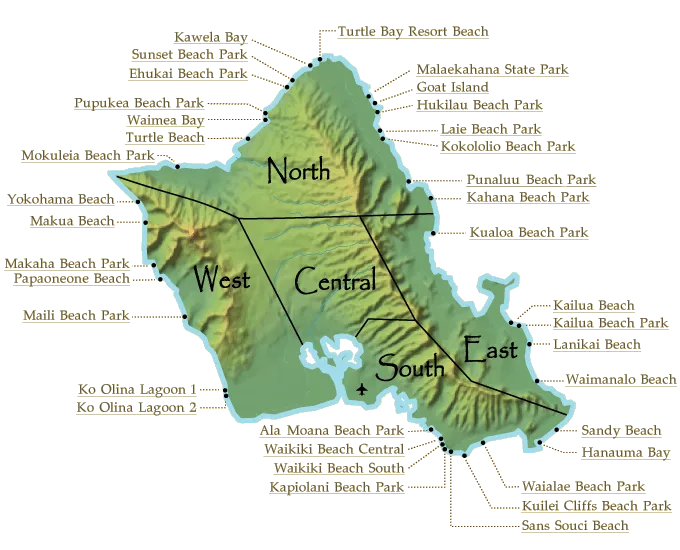
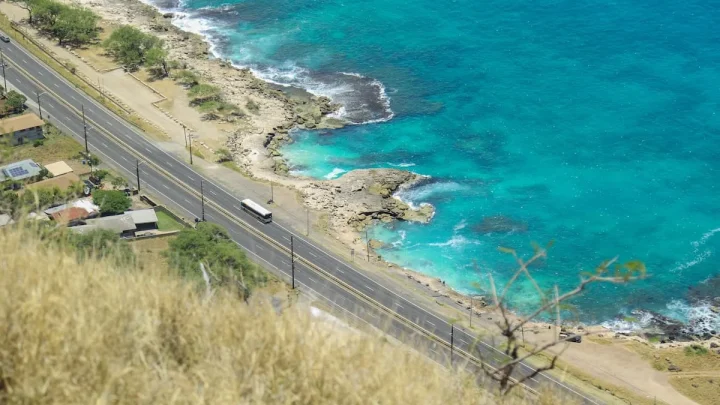
Finding out how many beaches are on Oahu depends on whether you count developed parks or every stretch of sand. The island features roughly 112 miles of open coastline with dozens of distinct shoreline areas to explore. Planning your itinerary means knowing which spots offer facilities and which are wild, secluded pockets.
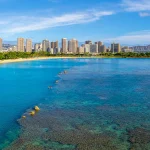
Official coastal surveys list 227 named beaches and 125 developed public beach parks across the island. The City and County of Honolulu Department of Parks and Recreation maintains most of these sites for public recreation. Here is what you need to know about the numbers, regional conditions, and access rules.
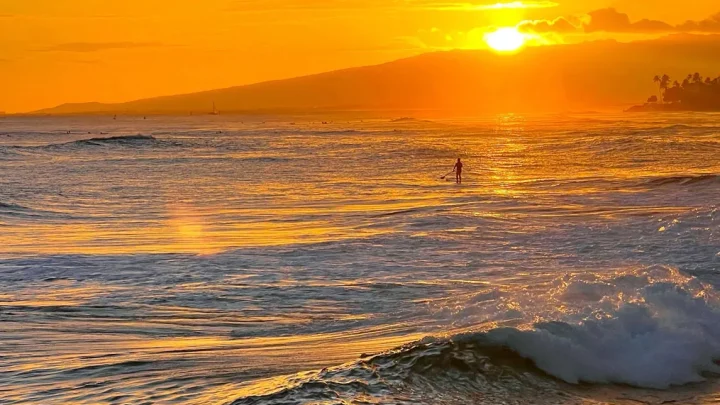
Image source: Bing (Web (fair-use with source credit))
Quick Answer
🌺 Local Island Guide Quick Answer
Oahu has 227 named sandy beaches along its shoreline. The island also features 125 official public beach parks. Over 40 beaches have dedicated lifeguard towers on site.
Public access to every sandy shore is guaranteed by state law.
The Short Answer: How Many Beaches Are Really on Oahu?
Oahu is home to 227 distinctly named beaches along its shoreline. If you look strictly at official public beach parks managed by municipal and state agencies, the number is 125.
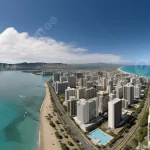
The difference comes down to management and naming conventions. A single continuous strip of sand often carries several names depending on the neighborhood or local surf break. For example, the Waikiki shoreline contains eight distinct beach sections across a two-mile span.
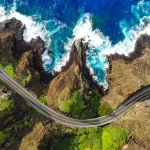
As of 2026, coastal resource databases record roughly 50 linear miles of sandy shoreline on Oahu. The remaining shoreline consists of volcanic sea cliffs, rocky ledges, and developed seawalls.
Around 40 of these locations feature permanent lifeguard towers operated by the Honolulu Ocean Safety Division. The rest are wilder stretches where you must rely on your own ocean awareness.
Why the Beach Count Changes (Parks vs. Sandy Stretches)
The number of beaches changes depending on how a resource agency classifies the coast. State and county records separate developed recreational parks from raw sandy parcels.
Beach parks are officially designated recreation zones. They include paved parking lots, public restrooms, outdoor showers, and trash collection. Unimproved beaches are natural sandy corridors between the ocean and residential lots or coastal highways.
| Feature | Official Beach Parks | Unimproved Sandy Stretches |
|---|---|---|
| Total Count | 125 parks | ~102 named coves and strips |
| Restrooms & Showers | Yes (standard) | Rare or nonexistent |
| Dedicated Parking | Marked stalls | Street or roadside only |
| Lifeguard Presence | High percentage | Very rare |
| Access Points | Paved walkways and gates | Public right-of-way footpaths |
Unimproved beaches often sit tucked behind residential neighborhoods. While the land above the vegetation line may be private, the sandy beach itself remains fully public under Hawaii law.
Oahu Beaches by Coast: Regional Breakdown and Conditions
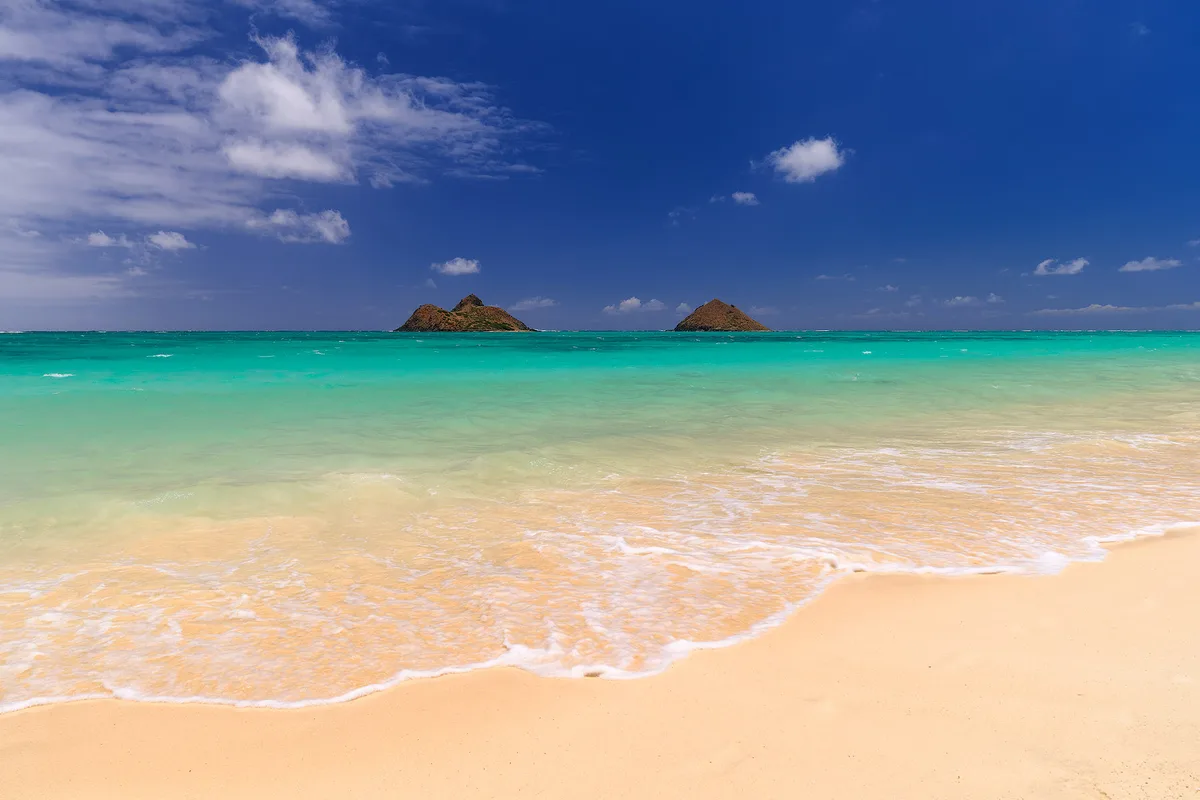
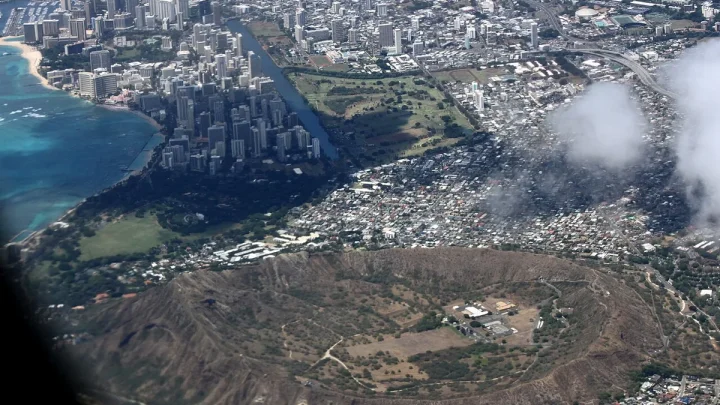
Image source: Web (Bing) / andrewshoemaker.com (Web image (fair-use with source credit))
Oahu is split into four distinct coastal regions. Each side of the island has unique ocean conditions, weather patterns, and sand types.
South Shore: Gentle Waves and City Conveniences
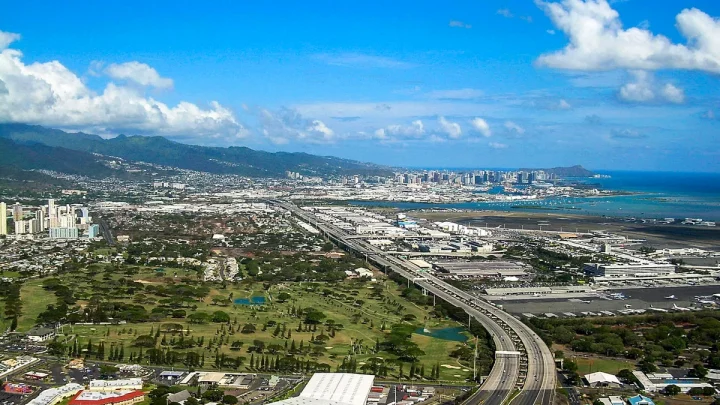
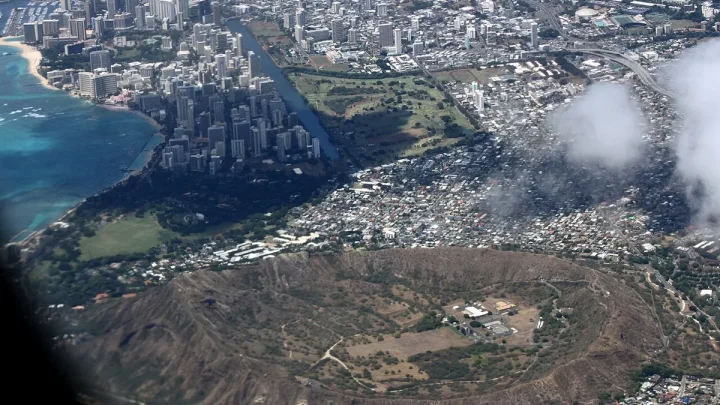
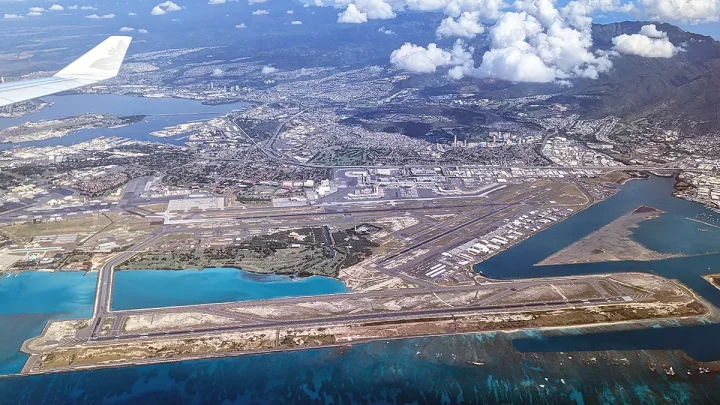
The South Shore runs from Diamond Head past downtown Honolulu to Pearl Harbor. This coast is home to Waikiki Beach, Ala Moana Regional Park, and Sandy Beach.
Summer brings southern ocean swells that create consistent surf breaks here. Winter months deliver calm, glassy swimming conditions across most south-facing bays. Most beaches in this zone offer full facilities, paved walking paths, and on-duty lifeguards.
Windward Coast: Powder Sands and Steady Trade Winds
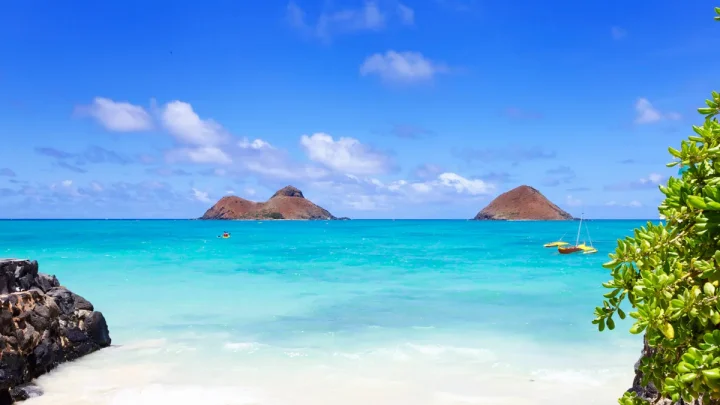
The eastern Windward Coast catches steady onshore trade winds year-round. Key spots include Kailua Beach, Lanikai Beach, and Waimanalo Bay.
These beaches feature fine, powdery white sand and broad shallow sandbars protected by outer barrier reefs. The water stays turquoise and calm near shore, making this coast popular for kayaking, paddleboarding, and family swimming.
North Shore: Winter Monster Waves and Summer Glass
The North Shore includes legendary surf breaks like Waimea Bay, Sunset Beach, and Ehukai Beach (home to the Banzai Pipeline).
Seasonal shifts completely transform this coast:
- Winter (November to April): Massive North Pacific swells produce dangerous 20-to-40-foot waves. Swimming is strictly prohibited during high surf advisories.
- Summer (May to September): The ocean goes flat as a lake. Waimea Bay and Shark's Cove become clear swimming and snorkeling havens.
Leeward Coast: Dry Heat, Sunsets, and Secluded Bays
The western Leeward Coast sits in the rain shadow of the Waianae Mountain Range. It receives minimal rainfall and stays sunny almost every day.
Popular stops include the protected Ko Olina Lagoons, Makaha Beach Park, and Yokohama Bay. The Leeward Coast has fewer crowds than Waikiki, deep golden sand, and great sunset vantage points.
Beach Decision Framework: How to Pick the Right Shore for Your Day
Choosing the best beach depends on the season, who you are traveling with, and what activities you want to do. Use this workflow to match your plans with the right coast:
- If you have small children or want calm wading:
- Visit the calm lagoons at Ko Olina (West) or the protected swimming enclosure at Ala Moana Regional Park (South).
- Choose Kailua Beach (East) for shallow sandbars and gentle, rolling shorelines.
- If you want world-class snorkeling:
- Book an advance reservation for Hanauma Bay Nature Preserve (East/South).
- Head to Shark's Cove or Kuilima Cove (North), but only during calm summer months.
- Avoid the North Shore in winter, as high surf strips away visibility and creates hazardous surge.
- If you want to watch professional surfing:
- Head to Sunset Beach, Waimea Bay, or Ehukai Beach on the North Shore between December and February.
- Park early, as highway shoulder spaces fill quickly during surf competitions.
- If you want secluded walks away from crowds:
- Drive to Waimanalo Beach (East) for a three-mile continuous strip of soft sand and ironwood trees.
- Head to the end of the road at Yokohama Bay (West) for wild coastal views and dramatic mountain backdrops.
Hawaii Beach Laws and Ocean Safety Essentials
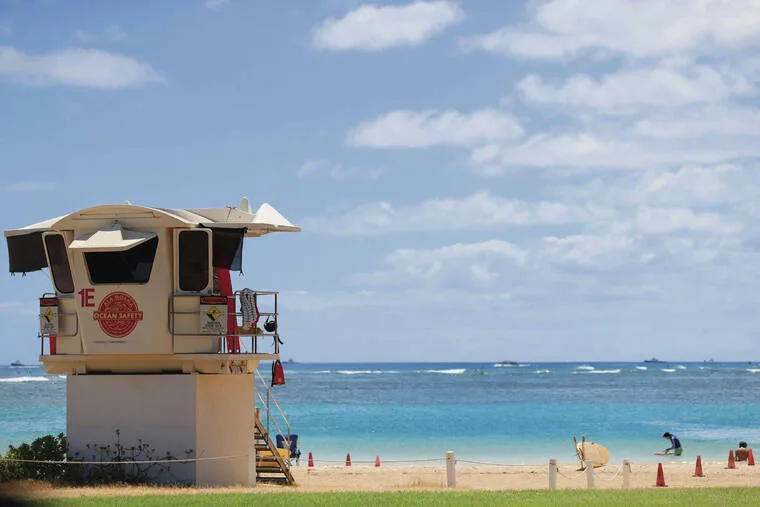
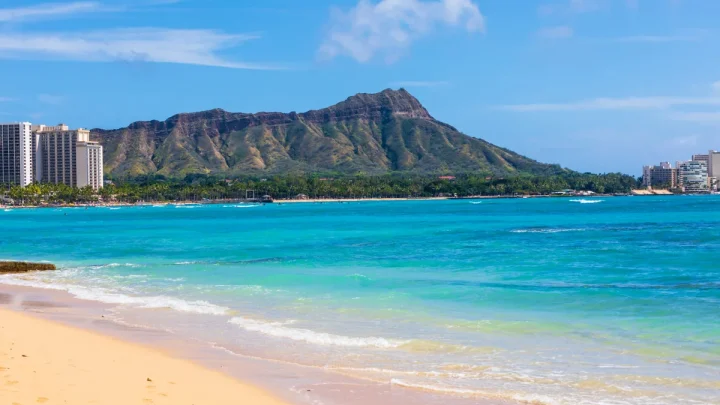
Image source: Web (Bing) / staradvertiser.com (Web image (fair-use with source credit))
Every beach in Hawaii is open to the public. Under the Hawaii Public Trust Doctrine and state statutes enforced by the Hawaii Department of Land and Natural Resources, private land ownership ends at the highest wash of the waves.
Private property owners cannot block designated public shoreline access paths. If you see a blue-and-white "Shoreline Public Access" sign, that pathway is a legal public right-of-way to the sand.
Stay safe in the water by following core safety protocols:
- Check the daily surf forecast: Check the local swell direction before driving out. North swells create strong rip currents along northern beaches, while south swells create heavy shorebreaks in Honolulu.
- Swim near a lifeguard: Always consult lifeguards at posted towers about hidden reef ledges and rip currents before entering the water.
- Respect marine life laws: Federal regulations require staying at least 10 feet away from Hawaiian green sea turtles (honu) and 50 feet away from Hawaiian monk seals.
- Use mineral sunscreen only: Hawaii law bans the sale and use of sunscreens containing oxybenzone and octinoxate to protect nearshore coral reefs.
Common Mistakes Visitors Make on Oahu's Shoreline
Even seasoned swimmers run into trouble by misunderstanding island ocean patterns. Avoiding a few simple mistakes will keep your beach days safe and stress-free.
Never turn your back on the ocean. Shorebreak beaches like Sandy Beach and Makapuʻu dump powerful waves directly onto shallow sandbanks. This sudden force can cause serious spinal and neck injuries.
Always watch the water for several minutes before stepping in.
Do not ignore neighborhood parking rules. Areas like Lanikai Beach have strict no-parking zones on weekends and holidays. Parking enforcement officers ticket heavily in these corridors.
Park in the designated stalls at Kailua Beach Park instead, then take the ten-minute walk over.
Avoid leaving personal items in parked cars. Coastal parking areas can be targets for rental car break-ins. Take your wallet, keys, and cameras with you in a dry bag, or leave them locked in your room safe.
Watch the lunar calendar for box jellyfish. Box jellyfish predictably arrive along South Shore waters eight to ten days after a full moon. Check posted warning signs at lifeguard towers before diving into Waikiki or Ala Moana waters during these windows.
Frequently Asked Questions About Oahu Beaches
Which side of Oahu has the calmest beaches?
The Windward Coast and the man-made Ko Olina lagoons offer the calmest waters year-round. Kailua and Lanikai feature outer reefs that stop large ocean swells from reaching the sand. During the summer months, North Shore spots like Waimea Bay also become flat and tranquil.
Are all beaches on Oahu free to access?
Yes, Hawaii state law guarantees free public access to all sandy shorelines up to the upper vegetation line. The only major exception is Hanauma Bay Nature Preserve. Non-residents must purchase an entry ticket and reserve an entry time slot in advance to access that marine reserve.
How many beaches on Oahu have lifeguards?
Over 40 designated beach parks across Oahu have active lifeguard towers. The Honolulu Ocean Safety Division staffs these stations daily from morning until sundown. Major guarded spots include Waikiki, Ala Moana, Kailua, Sandy Beach, and Waimea Bay.
What is the longest beach on Oahu?
Waimanalo Beach on the Windward Coast is the longest continuous stretch of sand on Oahu. It spans roughly three miles of uninterrupted white sand backed by ironwood trees. The wide shoreline provides plenty of space to spread out away from large crowds.
Can you walk around the entire island along the beach?
No, you cannot walk around the island purely on sand. While Oahu has over 112 miles of coastline, only about 50 miles consist of sandy beach. Rocky volcanic cliffs, private harbor walls, and restricted military land break up the shoreline at several points.
ðŸ–ï¸ Field-Tested Gear: Hawaii Beach & Ocean Protection
To protect Oahu’s fragile coral reef ecosystems and navigate sharp volcanic basalt shorelines comfortably, our on-island team recommends packing these certified travel essentials:
- Hawaii Act 104 Reef-Safe Mineral Sunscreen:Check Certified Mineral Reef Sunscreen on Amazon →
- Heavy-Duty Waterproof Dry Bag & Phone Pouch:Check Waterproof Ocean Dry Bags on Amazon →
*FTC Disclosure: As an Amazon Associate, Hawaii Travel Bureau earns from qualifying purchases. Learn more about our field-tested travel research methodology.*
🌺 Related Oahu Ocean, Beach & Snorkel Guides:

Similar Posts