Is Oahu a Good Place to Live? The Real Pros and Cons
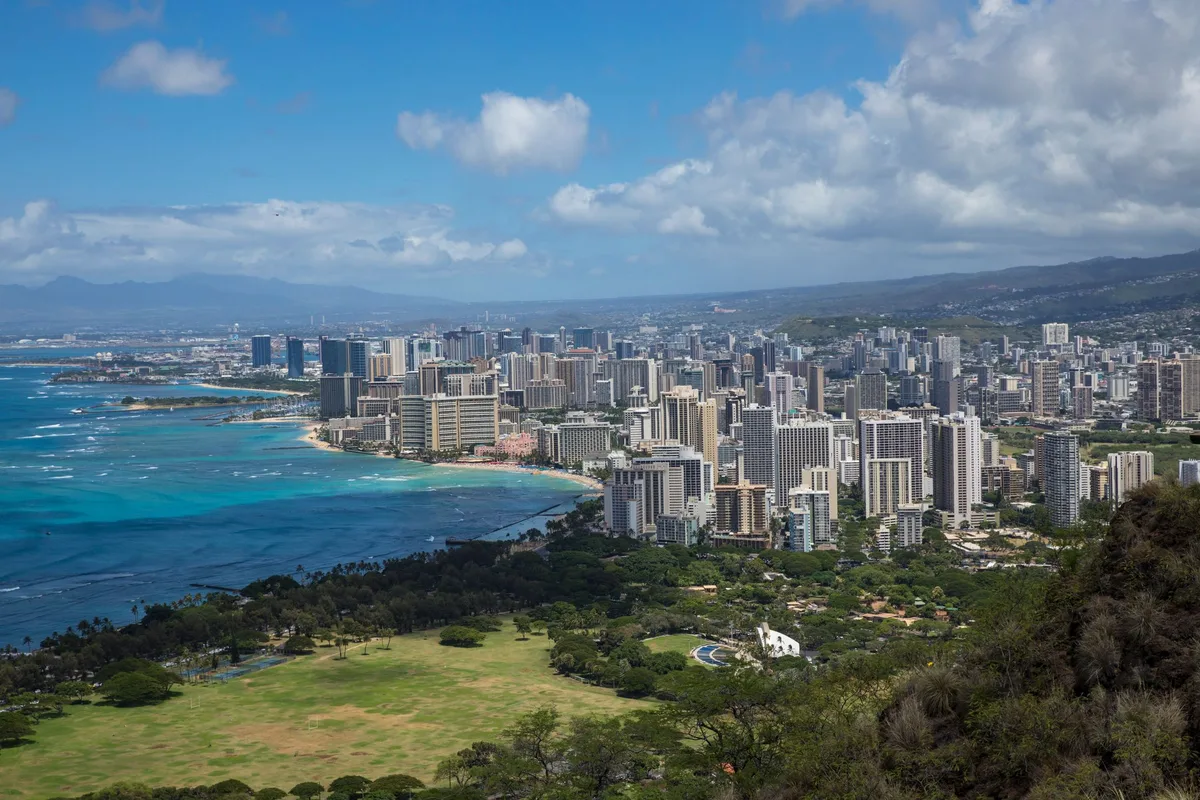
Image source: Web (Bing) / pexels.com (Web image (fair-use with source credit))
Deciding whether Oahu is a good place to live comes down to your personal priorities and financial flexibility. The island offers world-class beaches, incredible hiking, and warm weather throughout the year. At the same time, it brings steep housing expenses, heavy traffic, and geographic isolation.
Economic data from the U.S. Bureau of Labor Statistics ranks the Honolulu area among the highest in consumer costs nationwide. Groceries, utilities, and services all carry an island premium.
Understanding these daily realities helps you look past the vacation postcard and make an informed choice.
Quick Answer
🌺 Local Island Guide Quick Answer
Oahu is a good place to live for financially stable outdoor enthusiasts. The island provides warm weather, rich culture, and excellent healthcare. However, living costs and home prices remain among the highest in the country.
Daily traffic congestion can also create significant friction. Most households need strong incomes to live comfortably here.
The Reality of Island Life: Honolulu vs. The Mainland
Living on Oahu feels fundamentally different from life on the US mainland. You gain immediate access to ocean sports, mountain trails, and a unique multicultural community. The pace of life is noticeably slower and more relaxed.
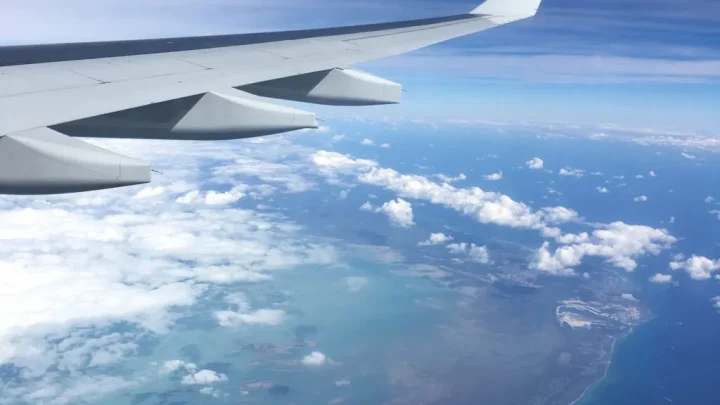
However, island life requires real lifestyle adjustments. You cannot simply hop in a car for a weekend road trip to another state. A flight to the West Coast takes at least five to six hours.
This distance makes spontaneous travel expensive and time-consuming.
Daily convenience looks different as well. Mainland staples like two-day delivery often take a week or longer. Many online retailers refuse to ship large items to Hawaii entirely.
You quickly learn to adapt your shopping habits and rely on local options.
Financial Viability: Breaking Down the "Paradise Tax" and True Living Costs
The "Paradise Tax" refers to the premium you pay on virtually everything shipped across the Pacific. Groceries, construction materials, and retail goods cost significantly more than mainland averages. Hawaii also applies a general excise tax of around 4.5% on Oahu across business transactions.
As of 2026, housing remains the single largest financial hurdle for incoming residents. According to data from the University of Hawaii Economic Research Organization, median home prices consistently stay above national records.
| Expense Category | Oahu Average Benchmark | Notes and Context |
|---|---|---|
| Median Single-Family Home | $1,050,000 to $1,150,000 | Highly competitive market with low inventory |
| Median Condo Price | $500,000 to $530,000 | Often includes monthly HOA fees of $500 to $1,000 |
| Average 2-Bedroom Rent | $2,600 to $3,400 / month | Excludes utilities in most rental agreements |
| Electricity Rate (HECO) | $0.38 to $0.44 / kWh | Roughly triple the national average |
| Target Household Income | $160,000 to $200,000+ | Recommended baseline for comfortable family living |
Electricity bills shock most newcomers. Running central air conditioning every afternoon can push a monthly utility bill past $500. Many residents rely on ceiling fans, trade winds, or rooftop solar panels to keep energy costs under control.
The Oahu Relocation Decision Tree: Should You Make the Move?
Use this decision framework to see if moving to Oahu matches your financial situation and lifestyle:
- Step 1: Check your household income baseline.
- If your household earns over $160,000 annually: You can afford standard market rent or a condo while building savings.
- If your household earns under $100,000: You will likely need roommates, a smaller rental unit, or strict monthly budgeting.
- Step 2: Evaluate your career and employment type.
- If you work in healthcare, specialized trades, or government: Local job demand is strong and provides stable compensation.
- If you work remotely for a mainland company: Confirm your employer permits working from Hawaii tax jurisdictions and consider the three to six hour time zone difference.
- If you rely on the general service or hospitality industry: Be prepared to work multiple jobs to cover basic housing expenses.
- Step 3: Assess your lifestyle requirements.
- If your happiness depends on outdoor recreation, ocean access, and community: Oahu offers an unmatched quality of life.
- If you need sprawling suburban acreage, frequent interstate travel, or low taxes: The mainland remains a better fit.
Choosing Your Region: Microclimates, Commutes, and Neighborhood Profiles

Image source: Web (Bing) / pixels.com (Web image (fair-use with source credit))
Oahu features distinct microclimates shaped by the Koolau and Waianae mountain ranges. Trade winds push moisture against the mountains, creating lush, rainy conditions on one side and dry, sunny weather on the other.
The Urban Core (Honolulu, Kakaako, Waikiki)
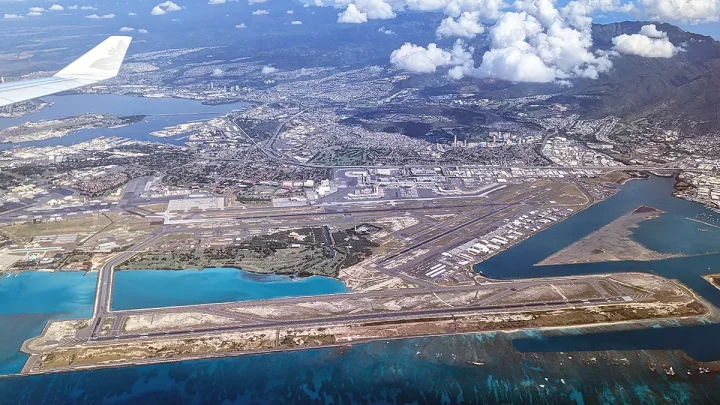
Best for professionals and retirees who want walkable neighborhoods. You will find high-rise condominiums, varied dining, and short commutes to major business districts. Living here minimizes driving, but you trade square footage for urban convenience.
The Windward Side (Kailua, Kaneohe)
Best for families and outdoor lovers who prefer green landscapes and quieter coastal communities. This region catches regular rainfall, keeping yards lush and temperatures slightly cooler. Housing here is primarily single-family homes, with higher price tags in beachside Kailua.
The Leeward and West Side (Kapolei, Ewa Beach)
Best for buyers seeking newer, master-planned suburban homes. Kapolei offers modern shopping centers and expanded city services. The trade-off is intense afternoon heat and a grueling commute into Honolulu during peak hours.
The North Shore (Haleiwa, Waialua)
Best for surfers and those wanting a rural, small-town atmosphere. Life moves slowly here, surrounded by farmland and legendary surf breaks. However, job opportunities are limited, and basic errands often require driving south.
Daily Life Realities: Logistics, Island Fever, and Cultural Integration

Image source: Web (Bing) / etsy.com (Web image (fair-use with source credit))
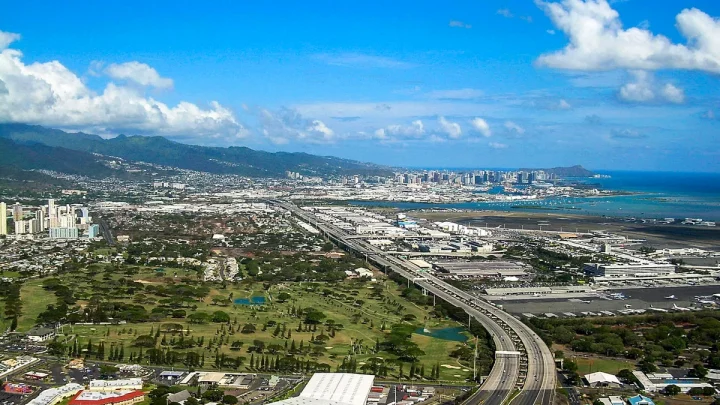
Traffic along the H-1 Freeway corridor is notorious. Morning commuters traveling eastbound from Ewa Beach or Kapolei toward downtown Honolulu frequently face 60 to 90 minutes of gridlock. Planning your home location close to your workplace is the single best way to protect your quality of life.
Island fever is another genuine reality. After twelve to eighteen months, some residents begin to feel confined by the physical boundaries of an island that measures 44 miles long and 30 miles wide. Budgeting for an annual trip back to the mainland helps relieve this feeling.
Moving pets requires careful advance planning. Hawaii is rabies-free, and the Department of Agriculture enforces strict quarantine rules. You must complete rabies blood testing and multi-step paperwork months before arrival to qualify for direct airport release.
Finally, successful relocation requires respect for local culture and history. Embracing the spirit of aloha means listening first, practicing humility, and valuing community connections over mainland corporate urgency. Being a good neighbor opens doors to lifelong friendships and a deep sense of belonging.
Critical Mistakes That Cause New Residents to Move Back Within Two Years
Moving without a six-month financial reserve is the most frequent mistake newcomers make. Moving shipping costs, pet quarantine fees, and vehicle transport can drain your savings before your first lease begins. Without a cash cushion, unexpected medical bills or vehicle repairs can quickly become unmanageable.
Another common error is signing a long-term lease in an unfamiliar neighborhood without testing the daily commute. Living on the Leeward side while working in Downtown Honolulu can easily steal ten to fifteen hours each week in traffic. Renting a short-term unit first lets you test drive routes during peak morning hours.
Finally, trying to recreate a mainland lifestyle on an island leads to fast burnout. Buying identical mainland grocery brands, running central air conditioning constantly, and expecting rapid delivery services will drain your budget. Thriving on Oahu requires adjusting your habits, shopping at local markets, and embracing a simpler, outdoor-focused routine.
Frequently Asked Questions About Moving to and Living on Oahu
How much money do you need to live comfortably on Oahu?
A single adult needs at least $120,000 annually to rent a comfortable apartment, own a reliable vehicle, and build savings. For a family of four renting a home or paying a mortgage, a combined household income of $180,000 to $220,000 provides a secure baseline.
Is Oahu safe for families?
Honolulu consistently ranks among the lowest in violent crime rates for major metropolitan areas in the United States. Property crime and vehicle break-ins do occur near tourist hubs and beach parks. Exercising normal urban caution keeps most neighborhoods very safe for raising children.
Do I need a car on Oahu?
You will need a car if you live outside the urban core of Honolulu. While TheBus system is reliable and the Skyline rail connects parts of the west side, reaching hiking trails, surf breaks, and north shore beaches requires your own vehicle.
Are public schools good on Oahu?
Public school quality varies significantly across school districts on the island. While some public schools in East Honolulu perform very well, many families choose private education. Hawaii has one of the highest private school enrollment rates in the country.
How bad is island fever on Oahu?
Island fever affects people differently, but it typically peaks between months twelve and eighteen. Because Oahu offers urban amenities, cultural events, and diverse topography, residents experience it less intensely than on the quieter Neighbor Islands. Annual travel off-island effectively mitigates the feeling.
The Final Verdict: Is Living on Oahu Right for You?
Oahu is an exceptional place to live if you value outdoor recreation, cultural depth, and close community ties above material square footage. The year-round warm climate, world-class ocean access, and multi-generational family culture create an enriching daily environment that few mainland cities can rival.
However, the island requires clear-eyed financial discipline and flexibility. If your budget is tight, high living costs and housing expenses will create constant stress. If you enter the move with realistic financial expectations, respect for the local community, and an adaptable mindset, living on Oahu can be an incredible long-term experience.
🎒 Field-Tested Gear: Hawaii Vacation Planning & Daypack Essentials
Sudden tropical mountain showers and high-humidity hikes require versatile, lightweight packing essentials tested for Hawaii’s climate:
- Ultra-Light Packable Travel Daypack & Rain Shell:Check Lightweight Packable Daypacks on Amazon →
- Insulated Stainless Steel Travel Water Bottle:Check Insulated Island Travel Bottles on Amazon →
*FTC Disclosure: As an Amazon Associate, Hawaii Travel Bureau earns from qualifying purchases. Learn more about our field-tested travel research methodology.*
🌺 Related Oahu Vacation Planning & Seasonal Guides:

Similar Posts