Are There Sharks in Oahu? What Swimmers Need to Know
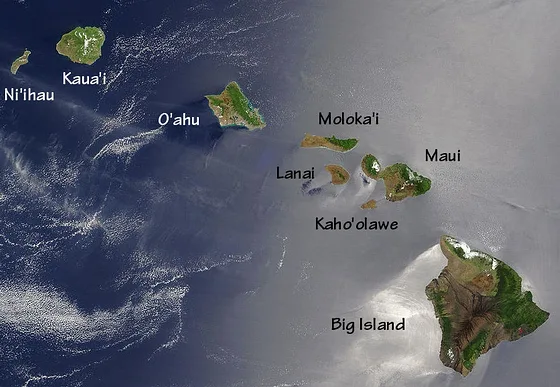
If you are planning a trip to Hawaii, you might wonder: are there sharks in oahu? The direct answer is yes. Oahu sits in the middle of the Pacific Ocean, which is a thriving marine ecosystem.
Sharks live here naturally, just like sea turtles, monk seals, and coral reef fish.
Records from the Hawaii Department of Land and Natural Resources show that actual encounters remain rare despite millions of annual beach visits. Understanding how these animals live near the coast helps you stay safe in the water. Here is what you should know about Oahu shark species, local ocean behavior, and realistic safety rules.
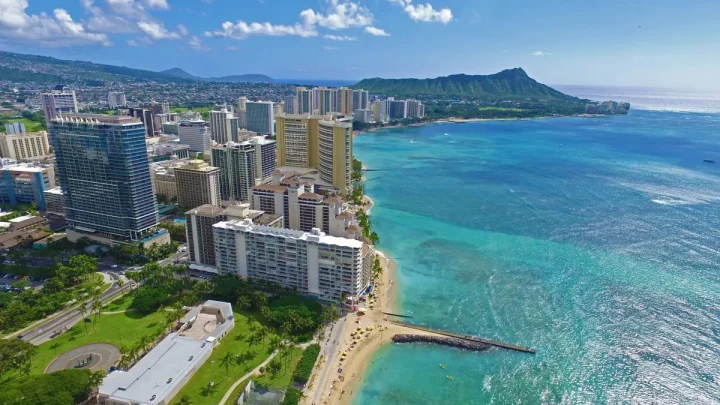
Image source: Web (Bing) / fity.club (Web image (fair-use with source credit))
Quick Answer
Yes, sharks live in the waters around Oahu.
Most local species are small and harmless reef sharks.
Larger apex predators like tiger sharks patrol deeper coastal drop-offs.
Unprovoked shark bites remain extremely rare across all Hawaiian islands.
Lifeguards monitor popular beaches daily to protect ocean swimmers.
Yes, There Are Sharks in Oahu (And What That Actually Means for Swimmers)
Sharks have lived in Hawaiian waters for millions of years. In native Hawaiian culture, sharks hold a place of deep respect. Many families revere certain sharks as ‘aumakua, or ancestral spiritual guardians.
They are vital apex predators that keep the marine ecosystem clean and balanced.
For casual beachgoers, their presence rarely disrupts a vacation. Most sharks around the island spend their days patrolling deep channels or resting on the sea floor. They do not hunt humans.
When sharks approach coastal reefs, they are usually hunting reef fish, squid, or crustaceans.
As of 2026, millions of locals and visitors swim, snorkel, and surf around Oahu every year. The vast majority never spot a shark during their stay. Knowing they exist is about ocean awareness, not fear.
When you enter the open ocean, you enter a wild habitat that requires respect and basic caution.
The Species You Might Actually Cross Paths With
Oahu is home to roughly 40 species of sharks, but you will only ever encounter a small handful near shore. Each species behaves differently depending on depth, water clarity, and food availability.
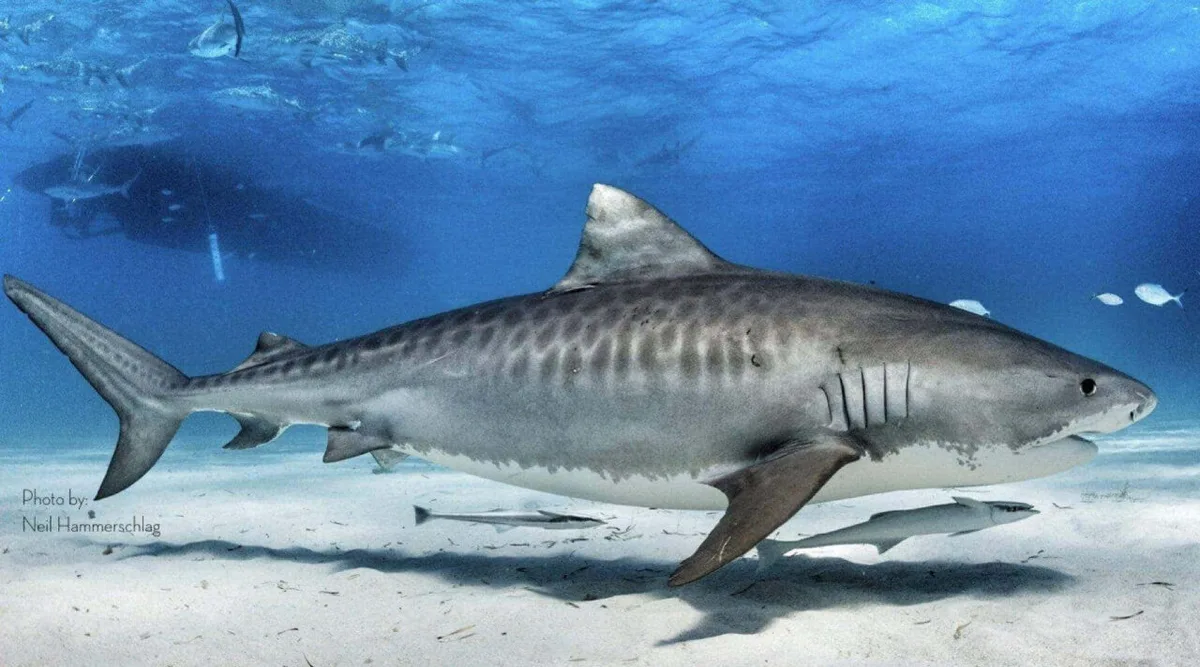
Image source: Web (Bing) / vulplex.com (Web image (fair-use with source credit))
Whitetip Reef Shark (Triaenodon obesus)
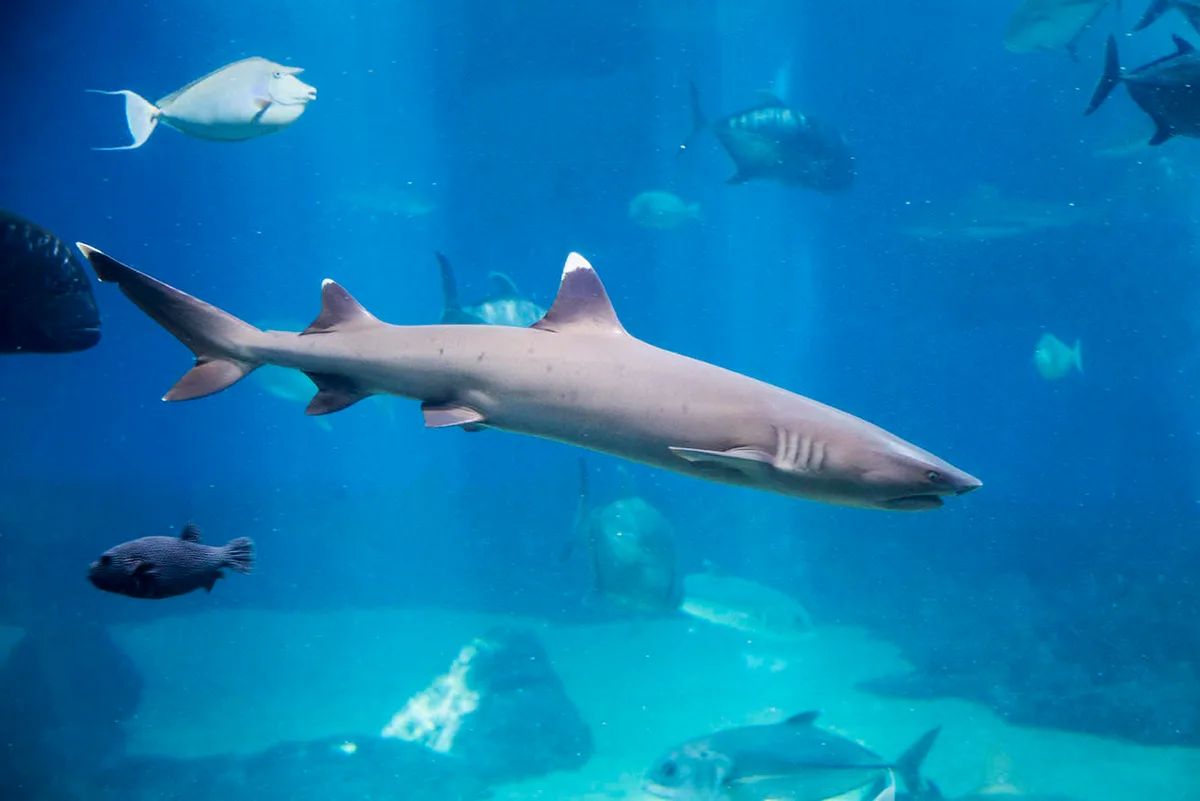
Whitetip reef sharks are the most common species seen by snorkelers and divers. They grow to about five feet long and have distinct white tips on their dorsal and tail fins. They are nocturnal hunters that spend daylight hours resting quietly inside reef caves and under ledges.
These sharks are generally docile and will swim away if approached.
Scalloped Hammerhead (Sphyrna lewini)
Scalloped hammerheads frequently use shallow, turbid bays as breeding and nursery grounds. Kaneohe Bay on the windward coast serves as one of the largest hammerhead nurseries in the world. Pups and juveniles stay in shallow water where larger predators cannot easily reach them.
Adults stay mostly in deep offshore waters.
Tiger Shark (Galeocerdo cuvier)
Tiger sharks are Oahu's primary apex marine predators. They can reach lengths over 14 feet and have broad, blunt snouts with faint vertical stripes along their flanks. Unlike reef sharks, tiger sharks are opportunistic feeders that hunt large prey like sea turtles and rays.
They travel long distances between islands and occasionally visit nearshore reefs, particularly during low-light hours.
Galapagos and Sandbar Sharks
Galapagos and sandbar sharks prefer deep, open water offshore. You will rarely see them near crowded public beaches. They are most commonly encountered on guided pelagic boat tours miles off the North Shore, where deep ocean currents attract pelagic wildlife.
Understanding the Real Numbers: Shark Incidents on Oahu
Fear of sharks often comes from dramatic movies rather than measurable data. When you look at verified incident statistics, the risk profile becomes clear.
Data maintained by the International Shark Attack File confirms that Hawaii experiences only a handful of shark bites each year statewide. On Oahu specifically, serious incidents average fewer than two per year. This occurs alongside tens of millions of individual ocean entries by swimmers, surfers, and divers.
| Metric | Statewide Hawaii Average | Oahu Specific Average |
|---|---|---|
| Annual Unprovoked Incidents | 3 to 5 per year | 1 to 2 per year |
| Annual Ocean Entries | Tens of millions | Tens of millions |
| Most Common Species Involved | Tiger shark | Tiger shark |
| Primary Activity During Incident | Surfing / Board sports | Surfing / Snorkeling |
Statistically, ocean recreation on Oahu carries far higher risks from strong rip currents and shorebreak injuries than from marine wildlife. Taking simple precautions reduces your risk to near zero.
Oahu Shark Hotspots vs. Calm Swimming Havens
Ocean topography and water flow dictate where sharks spend their time around Oahu. Some areas naturally attract more marine life, while other beaches provide calm, shallow waters with minimal predator activity.
Open Ocean and Deep Water Zones
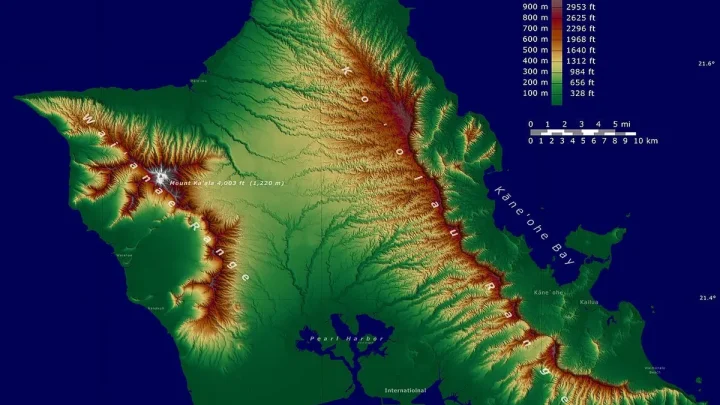
The North Shore features deep drops close to shore that draw pelagic species. The Windward coast near Kaneohe Bay contains extensive reef complexes and hammerhead nursery zones. Surfers at outside reef breaks sit in open water where deeper channels meet reef ledges.
Protected Swimming Havens
If you want peaceful swimming with minimal worry, choose protected lagoons and monitored bays:
- Ko Olina Lagoons: Four man-made ocean lagoons on the west coast with rock barriers that block large marine life while allowing fresh sea water to circulate.
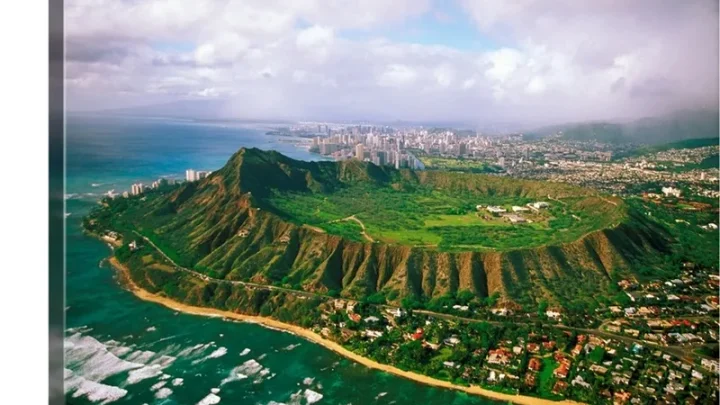
- Hanauma Bay: A shallow, sheltered volcanic crater managed as a marine life conservation district. It offers exceptional visibility and close lifeguard supervision.
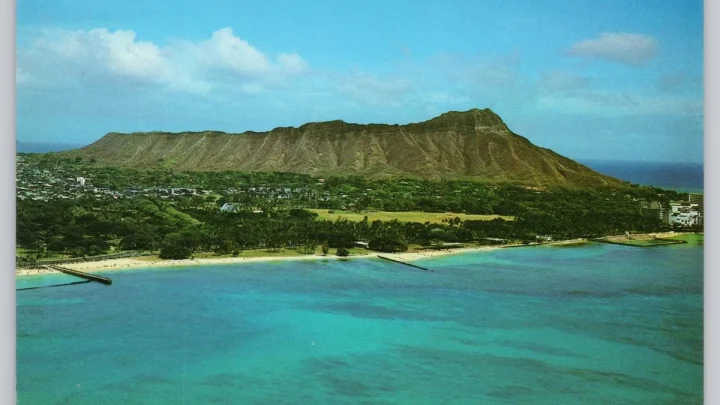
- Waikiki Beach: Heavily patrolled South Shore waters with shallow, sandy bottoms and continuous lifeguard oversight.
- Lanikai Beach: Calm windward waters protected by a wide outer barrier reef that keeps larger open-ocean species far offshore.
High-Risk Conditions: When and Where to Stay Out of the Water
Sharks do not hunt humans, but they are opportunistic feeders with specialized sensory systems. Environmental conditions can confuse a shark or draw them closer to shore. Avoiding specific water conditions dramatically lowers your exposure to an unexpected encounter.
Heavy Rain and Brown Water Runoff
After major storms, island streams flush soil, debris, and dead organic matter into coastal bays. The Hawaii Department of Health issues Brown Water Advisories during these events. Turbid water reduces visibility to near zero.
Sharks move into murky runoff zones to feed on dead animals washed downstream, using their keen sense of smell rather than sight.
Harbor Mouths, River Inlets, and Canal Exits
Waterways like the Ala Wai Canal mouth and Kewalo Basin channel carry nutrient runoff that attracts baitfish schools. Larger predators follow schools of halalu and akule directly into these channel openings. Avoid swimming near active harbor channels, fish cleaning stations, or stream mouths.
Low-Light Hours (Dawn and Dusk)
Tiger sharks and reef hunters are crepuscular, meaning their feeding activity peaks during sunrise and sunset. In dim light, sharks hold a visual advantage over prey. Avoid swimming alone at first light or after the sun dips below the horizon.
Late Fall Season (Pupping Season)
Marine biology research shows a minor seasonal spike in tiger shark activity between October and December. Mature female tiger sharks migrate from the Northwestern Hawaiian Islands to main island waters to give birth. Expect extra vigilance and heed all posted warning signs during these months.
Ocean Safety Rules That Significantly Lower Your Risk
Following basic ocean protocols keeps your time in the water safe and stress-free. Most safety measures simply involve respecting wildlife boundaries and paying attention to local conditions.
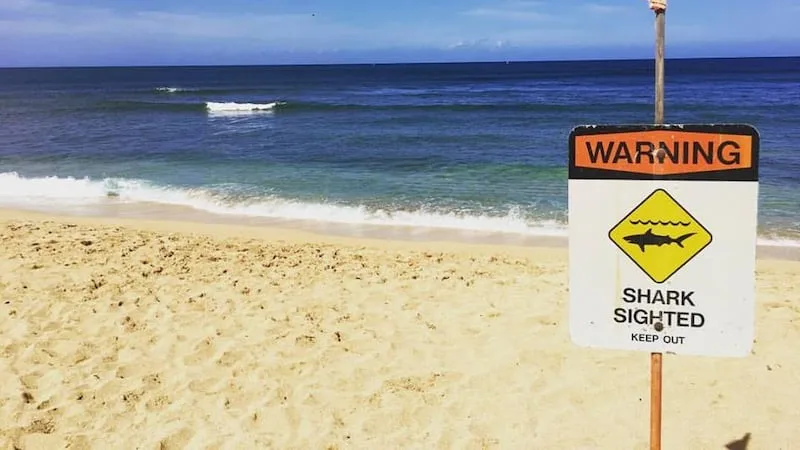
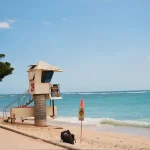
Image source: Web (Bing) / hawaiinewsnow.com (Web image (fair-use with source credit))
Essential Ocean Guidelines
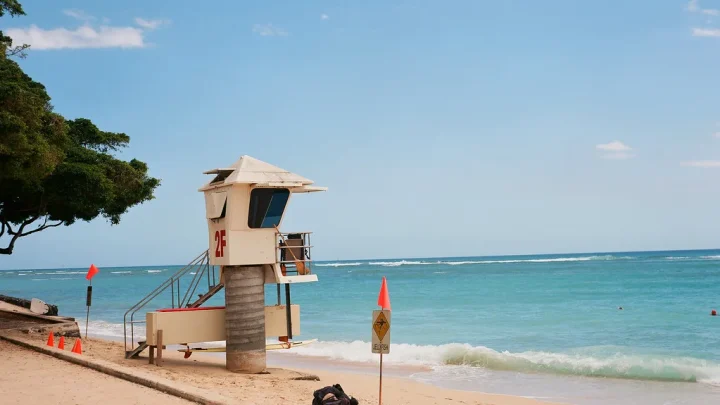
- Swim near active lifeguard towers: Lifeguards maintain radio contact with water rescue teams and spotters. If a predator is sighted, they immediately raise warning flags and clear the water.
- Always swim with a buddy: Solitary swimmers are far more vulnerable in any ocean emergency. Group movement also deters curious marine life.
- Leave shiny jewelry on shore: Flashing silver or gold reflects sunlight underwater. This mimics the silver scales of injured baitfish and draws unwanted attention.
- Avoid excessive splashing: Erratic surface splashing creates low-frequency acoustic vibrations. Predatory fish track these vibrations when hunting distressed prey.
- Never enter the water with open wounds: Blood and bodily fluids trigger a shark's acute olfactory senses from considerable distances.
- Separate spearfishing catches quickly: If you spearfish, never tether harvested fish to your waist. Tow your catch on a long float line far behind you or load it onto a kayak right away.
How to React During a Close Sighting
If you spot a shark while swimming or snorkeling, stay calm. Do not thrash or paddle frantically toward shore. Turn your body to face the animal and maintain visual contact.
Sharks rely on ambush tactics and rarely approach targets that are watching them directly.
Keep your movements deliberate and slow. Back away toward the beach, your boat, or a shallow reef ledge while keeping the animal in your field of vision. If you have gear like a dive fin or a GoPro pole, hold it out between yourself and the animal to maintain a barrier.
Frequently Asked Questions About Oahu Sharks
Are shark attacks common in Waikiki?
No, shark attacks in Waikiki are exceptionally rare. The area features extensive shallow reef flats, heavy boat traffic, and hundreds of daily ocean users. These factors naturally deter large apex predators from entering the inner swimming zones.
Is it safe to snorkel in Oahu?
Yes, snorkeling in Oahu is very safe when you stick to designated areas like Hanauma Bay or Shark's Cove during calm summer seas. Always snorkel with a partner, check current surf conditions, and stay out of murky water after heavy rains.
What is the most dangerous shark in Oahu?
The tiger shark is considered the most dangerous species in Hawaiian waters due to its size and opportunistic feeding habits. Encounters remain rare because these predators prefer deep channels and offshore waters over shallow, crowded tourist beaches.
Why is Shark's Cove called that if there are few sharks?
Shark's Cove on the North Shore got its name from the shape of its offshore reef, which looks like a shark from above. The cove itself is a shallow, protected tide pool area filled with sea turtles and colorful reef fish.
Should I swim at dawn or dusk in Oahu?
You should avoid swimming during dawn and dusk. Many large ocean predators feed actively during these low-light periods. Low ambient light also makes it difficult for lifeguards or swimmers to spot changing water conditions or approaching marine life.

Similar Posts