How to Get Around Oahu Without a Car: Complete Guide
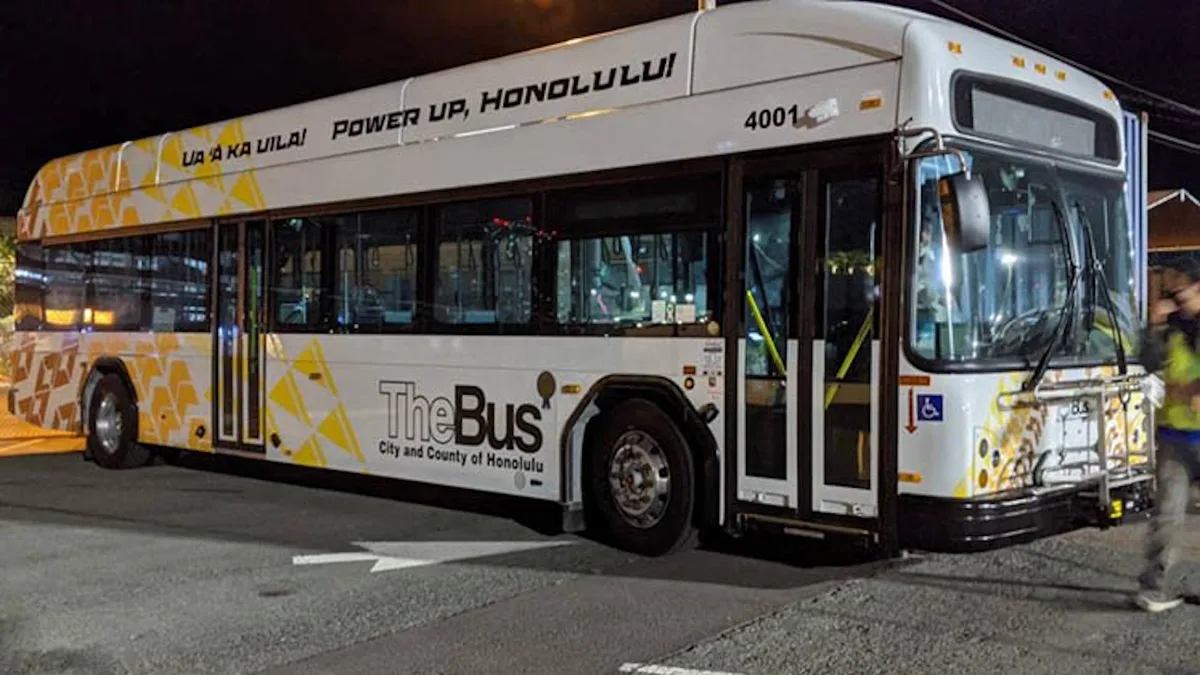
Figuring out how to get around Oahu without a car is one of the smartest ways to save money and avoid traffic headaches. Hotel parking in Waikiki easily costs between $45 and $65 per night, and rental car rates add up fast. You can easily reach beaches, historical sites, and shopping districts by combining public transit, rideshares, shuttles, and bicycles.
The island operates one of the most comprehensive public bus networks in the United States, running more than 100 routes daily. The City and County of Honolulu manages municipal transit alongside the Skyline rail system, giving visitors reliable options across the island. Here is the complete breakdown of how to travel across Oahu without driving yourself.
Image source: Web (Bing) / mannmitblitz.de (Web image (fair-use with source credit))
Quick Answer
🌺 Local Island Guide Quick Answer
You can easily get around Oahu without a car using public transit, bikes, and rideshares.
TheBus covers major island towns for $3.00 per ride.
A contactless HOLO card caps daily fares at $7.50.
Biki bikeshare handles quick trips across Honolulu and Waikiki.
Use flat-rate taxis or airport shuttles for heavy luggage.
The Reality of Skipping the Rental Car on Oahu
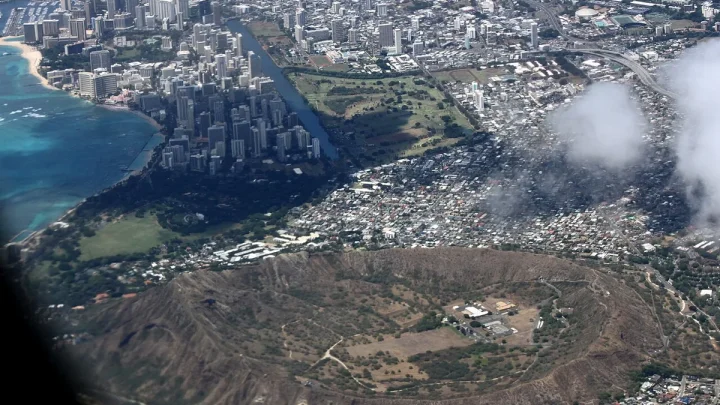
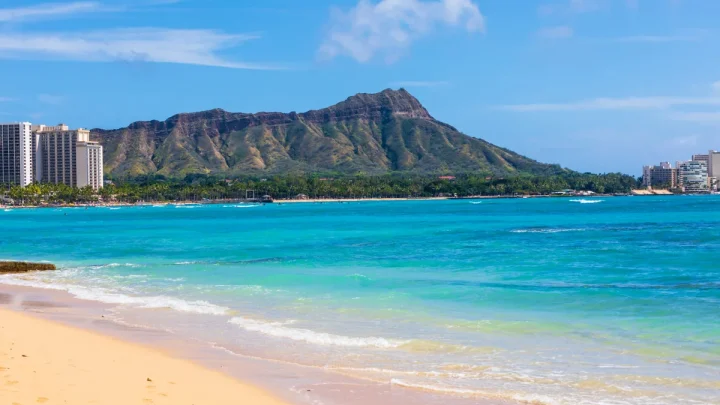
Going car-free on Oahu comes down to a simple trade between time and money. If your trip centers on Honolulu, Waikiki, Diamond Head, and Pearl Harbor, you do not need a rental car. These urban areas offer dense transit stops, bike stations, and frequent bus service.
Venturing to the North Shore or the Windward coast without a car takes extra planning. A drive from Waikiki to Haleiwa takes roughly 45 minutes by car, but riding the public bus takes around two hours each way. You will trade travel time for significant cost savings and zero parking stress.
| Factor | Rental Car | Car-Free Transit (Bus, Biki, Rideshare) |
|---|---|---|
| Average Daily Cost | $80 to $140 (Rental + Gas + Hotel Parking) | $7.50 to $30 (Transit pass + occasional rideshare) |
| Parking Stress | High (Valet lines, scarce beach parking) | None |
| Travel Flexibility | High (Leave on your own schedule) | Moderate (Tied to transit timetables) |
| Best Suited For | Multi-stop rural exploration | Honolulu, south shore, and planned day tours |
Skipping the car eliminates fuel costs, rental insurance decisions, and vehicle security worries at remote trailheads. For most travelers, using public transit for local travel and booking guided day shuttles for distant sights provides the ideal balance.
Transit Decision Framework: Matching Your Route to the Right Option
The right transit mode depends on your destination, travel distance, and whether you are carrying luggage. Use this simple routing framework to choose the fastest and most cost-effective method for each trip.
- For quick trips within Waikiki, Kakaako, and Downtown Honolulu: Use the Biki bikeshare system or simply walk. The terrain is flat, and bike stations sit every two to three blocks.
- For sightseeing at Pearl Harbor, Ala Moana Center, or Diamond Head: Take TheBus. Routes run frequently from Waikiki directly to these major attractions without transfers.
- For airport transfers with standard luggage: Book a flat-rate airport taxi or rideshare. City buses do not allow large suitcases on board.
- For full-day excursions to Kualoa Ranch or the North Shore: Book an organized excursion shuttle or take an express bus route early in the morning.
- For late-night dining or remote sunset viewing: Request an Uber or Lyft to avoid late-night bus schedules in quieter neighborhoods.
Following this workflow ensures you spend minimal time waiting while keeping your total transportation expenses low.
The Core Tools: TheBus, HOLO Card, and Skyline Rail
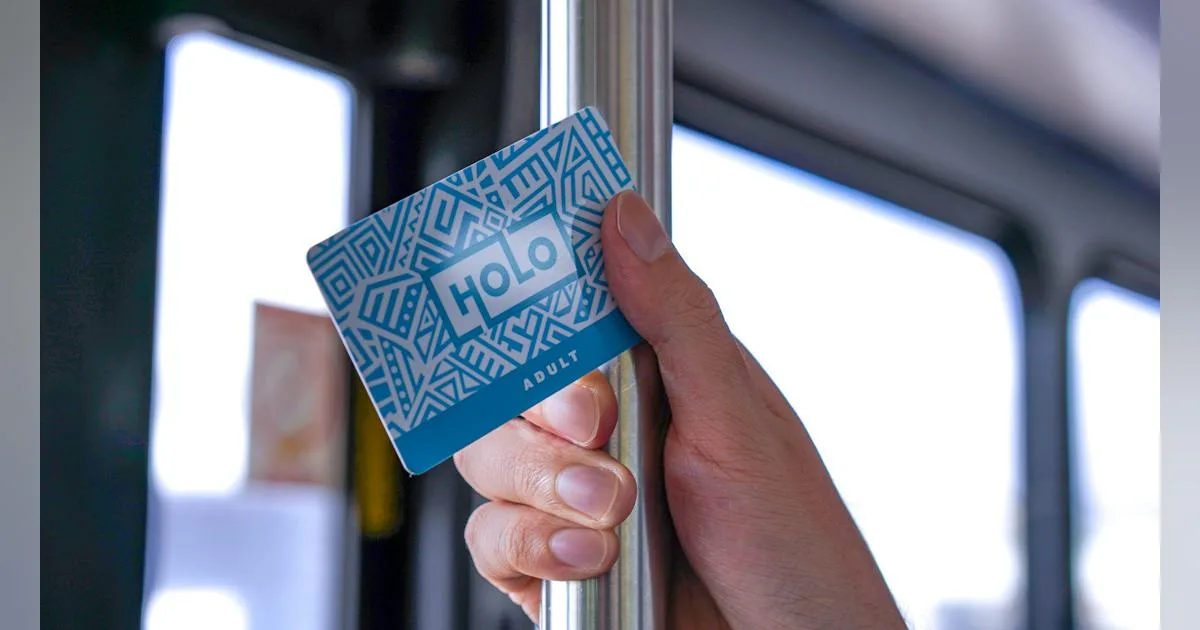
Image source: Web (Bing) / flashpackingamerica.com (Web image (fair-use with source credit))
The backbone of car-free travel on Oahu is TheBus, the island-wide public bus service. Single adult fares cost $3.00 in cash, but buying an electronic HOLO card makes payment effortless. HOLO cards allow tap-to-pay boarding and automatically calculate fare caps.
With a HOLO card, your daily transit spend caps at $7.50 no matter how many times you ride. Once you reach that amount in a single calendar day, all subsequent rides on TheBus and the Skyline rail are free. You can buy and load a physical HOLO card at local ABC Stores, 7-Eleven locations, and Foodland supermarkets across the island.
Skyline is Oahu's modern light metro rail line, managed by the Honolulu Department of Transportation Services. As of 2026, Skyline serves the Leeward corridor between East Kapolei and Aloha Stadium. It connects useful western hubs, but travelers staying in Waikiki will rely primarily on TheBus for central Honolulu travel.
To track bus schedules in real time, download apps like DaBus2 or use Google Maps transit directions. Bus stops feature unique identification numbers that provide live arrival updates when entered into transit tracking apps.
Short-Haul Urban Mobility: Biki Bikes, Walking, and the Waikiki Trolley
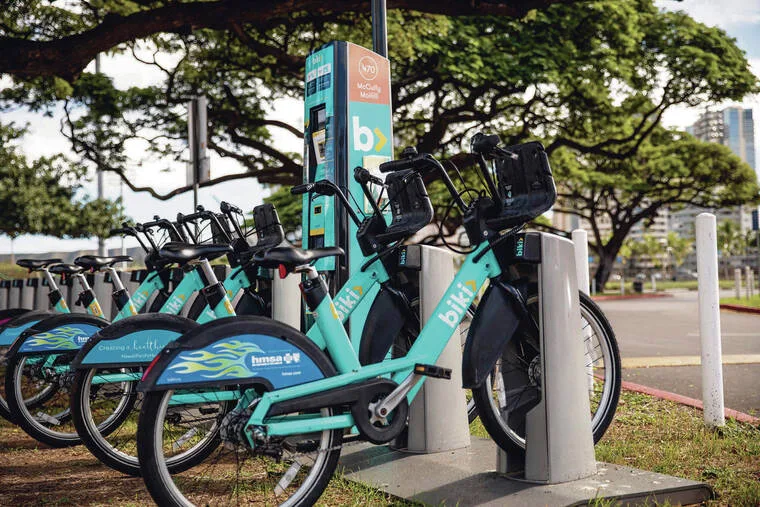
Image source: Web (Bing) / yelp.com (Web image (fair-use with source credit))
For short hops across Honolulu, municipal micro-mobility options are faster than waiting for a bus. Biki is Honolulu's station-based bikeshare network, featuring over 130 docking stations between Diamond Head and downtown Honolulu.
You can unlock a Biki bike directly at any station kiosk or through the Biki smartphone app. Single rides cost $4.50 for up to 30 minutes, or you can purchase multi-hour pass bundles. Remember that Hawaii state law bans riding bicycles on sidewalks within commercial business districts, so stick to designated bike lanes on streets like King Street and Ala Wai Boulevard.
Walking remains the easiest way to explore Waikiki. The resort area spans roughly two miles from end to end, with wide sidewalks and pedestrian-friendly beach access paths.
The Waikiki Trolley offers an open-air alternative geared specifically toward sightseeing. It runs distinct color-coded routes:
- Pink Line: Provides direct shopping shuttle service between Waikiki hotels and Ala Moana Center.
- Blue Line: Runs along the scenic southeast coastline past Hanauma Bay and Halona Blowhole.
- Red Line: Focuses on cultural and historical stops throughout downtown Honolulu and Chinatown.
Airport Transfers and Remote Hotspots: Rideshares, Taxis, and Shuttles
Transferring from Daniel K. Inouye International Airport (HNL) requires specific planning because of strict baggage regulations on public buses. TheBus enforces a clear rule: all luggage must fit on your lap or beneath your seat without blocking the aisle.
Standard large rolling suitcases are routinely turned away by drivers at airport stops.
Flat-rate taxi services provide predictable pricing from HNL to Waikiki hotels. Charley's Taxi offers a dedicated flat rate of roughly $33 to $38 before tip, avoiding surge pricing during flight arrival rushes. You can book airport pickups online in advance or call upon arrival after retrieving your bags.
Rideshare services like Uber and Lyft operate dedicated pickup zones on the airport upper departures level. Fares fluctuate based on local demand, typically ranging from $30 to $55 for a one-way trip into Waikiki.
For remote attractions like Kualoa Ranch or the Polynesian Cultural Center, dedicated tour transport is your best choice. Most major activity operators offer round-trip motorcoach pickups directly from major Waikiki resort hubs, eliminating the multi-hour bus commute entirely.
Realistic Transit Times and Cost Breakdown Across Major Oahu Routes
Understanding actual transit durations prevents unexpected delays when moving between popular destinations. The table below compares typical travel times and expenses between public transit and private rideshare vehicles across primary island corridors.
| Route from Waikiki | Transit Option | Average Travel Time | Estimated One-Way Cost |
|---|---|---|---|
| Pearl Harbor | TheBus (Route 20 or 42) | 65 to 75 minutes | $3.00 (or HOLO fare) |
| Pearl Harbor | Uber / Lyft / Taxi | 25 to 35 minutes | $30 to $45 |
| Haleiwa (North Shore) | TheBus (Route 52 via Wahiawa) | 105 to 120 minutes | $3.00 (or HOLO fare) |
| Haleiwa (North Shore) | Tour Shuttle / Rideshare | 45 to 60 minutes | $45 to $85 |
| Kailua Beach Park | TheBus (Route 67 via Ala Moana) | 70 to 85 minutes | $3.00 (or HOLO fare) |
| Kailua Beach Park | Uber / Lyft / Taxi | 30 to 40 minutes | $35 to $50 |
| Diamond Head Monument | TheBus (Route 2) / Biki Bike | 15 to 25 minutes | $3.00 to $4.50 |
Taking TheBus to Pearl Harbor requires zero route transfers and drops you directly at the visitor center gates. Traveling to Kailua or Haleiwa involves longer travel times because municipal buses make frequent local stops along Kamehameha Highway.
If you plan to visit multiple far-flung spots in a single day, booking an organized tour shuttle saves significant time over municipal transit. For single-destination days, public buses deliver massive savings.
Common Mistakes When Navigating Oahu Without a Car
Failing to check return transit schedules on rural routes is one of the most common visitor mistakes. While buses run every 10 to 15 minutes in Waikiki, rural routes along the North Shore or East Oahu run at 30 to 60-minute intervals. Missing the last scheduled evening bus can leave you stranded in areas where rideshare drivers are rare.
Another frequent misstep is trying to carry oversized beach gear or checked luggage onto TheBus. Municipal drivers enforce property size restrictions strictly. If your gear cannot rest comfortably on your lap or between your feet, you will be denied entry at the curb.
Many travelers also make the mistake of relying on cash for every bus trip. Cash fares require exact change since drivers cannot break large bills or provide change. Using a loaded HOLO card avoids change issues and instantly unlocks the daily $7.50 fare cap.
Finally, do not rely on rideshare services for late-night pickups at remote trailheads like Kaena Point or Makapuu Lighthouse. Cell reception can be spotty, and available drivers rarely patrol these outer corridors after dark.
Frequently Asked Questions About Getting Around Oahu Car-Free
Can you get to the North Shore from Waikiki without a car?
Yes, you can take TheBus Route 52 from the Ala Moana Center directly to Haleiwa. The one-way journey takes roughly two hours. Alternatively, book a commercial North Shore day shuttle for direct round-trip transport with scheduled beach stops.
Does Oahu public transit take credit cards directly?
No, you cannot tap a credit card directly on bus readers. You must pay with exact cash ($3.00 per ride) or tap a physical HOLO card. You can purchase and reload HOLO cards using credit cards at ABC Stores and local grocery markets.
Is Waikiki walkable without public transit?
Yes, Waikiki is exceptionally walkable and pedestrian-friendly. Most hotels, restaurants, surf breaks, and shopping avenues sit within a flat, 20-minute walk along Kalakaua and Kuhio avenues. Crosswalks are frequent, and sidewalks are wide and well-lit.
How much does an Uber cost from Honolulu Airport to Waikiki?
Standard rideshare fares from HNL Airport to Waikiki generally range from $30 to $55. Fares fluctuate based on arrival traffic and passenger demand. Dedicated flat-rate airport taxi operators like Charley's Taxi provide fixed pricing around $33 to $38 before tip.
Are Biki bikes allowed on sidewalks in Honolulu?
No, riding bicycles on sidewalks within designated business districts like Waikiki and Downtown Honolulu is illegal under Hawaii state law. Riders must use street bike lanes or shared road lanes. Sidewalk riding is permitted only in designated residential zones outside business districts.
🚗 Field-Tested Gear: Oahu Road Trips & Rental Car Protection
Avoid costly rental car detailing penalties from wet sand and keep navigation seamless across island mountain corridors with these road trip essentials:
- Waterproof Neoprene Car Seat Towel Covers:Check Waterproof Rental Seat Covers on Amazon →
- Magnetic Air Vent Car Phone Mount & GPS Companion:Check Travel Air Vent Car Mounts on Amazon →
*FTC Disclosure: As an Amazon Associate, Hawaii Travel Bureau earns from qualifying purchases. Learn more about our field-tested travel research methodology.*
🌺 Related Oahu Driving & Transit Guides:

Similar Posts