Does Oahu Have an Airport? Guide to Flying to Oahu
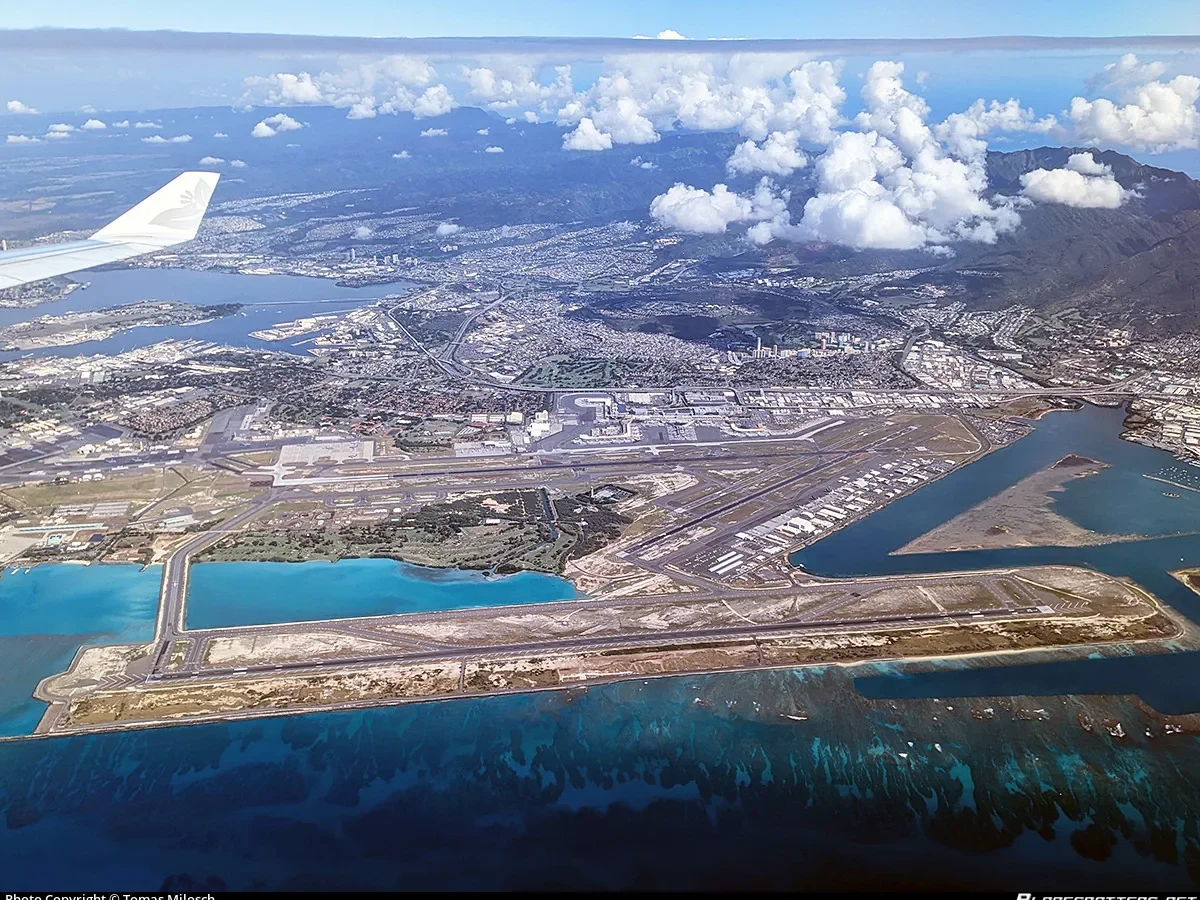
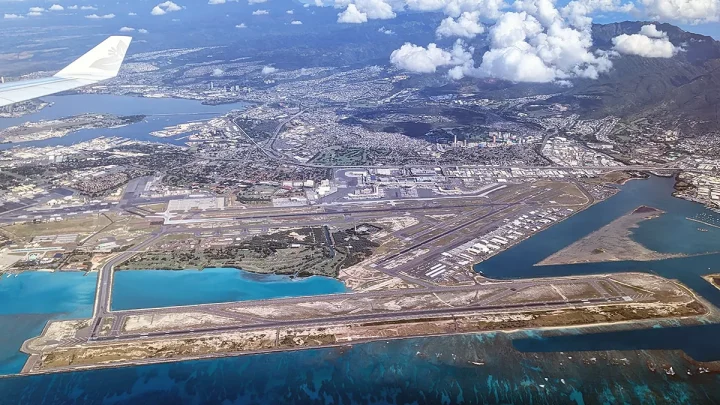
If you are planning a trip to Hawaii, you might wonder: does Oahu have an airport? Yes, Oahu has one major international commercial airport along with two smaller public airfields. Most travelers arrive through the capital city of Honolulu on the south shore of the island.
The island handles over twenty million air passengers each year through its main hub. Official facility records from the Hawaii Department of Transportation Airports Division show that it serves as the central aviation gateway for the entire state. Knowing how this airport operates helps you plan your route from the runway straight to your accommodations.
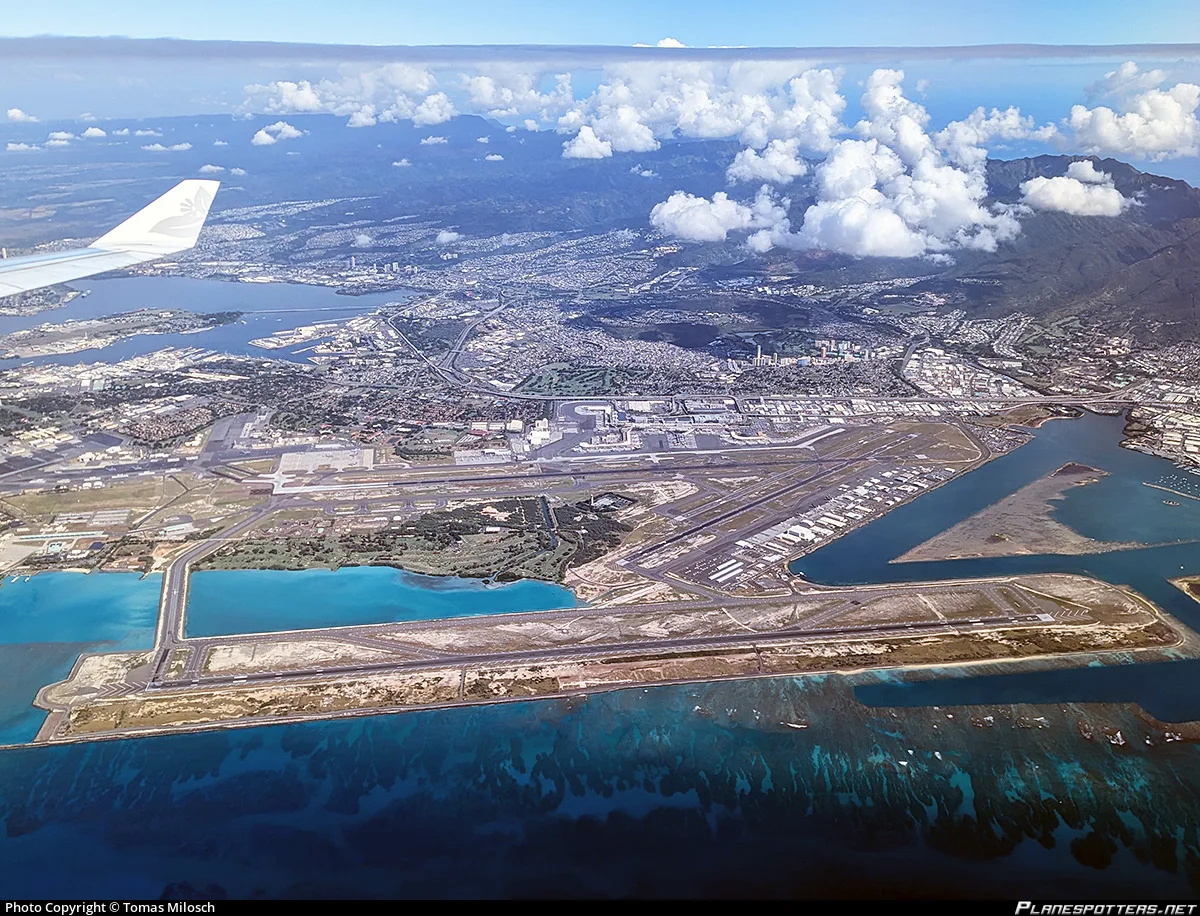
Image source: Web (Bing) / planespotters.net (Web image (fair-use with source credit))
Quick Answer
Oahu has one primary commercial airport for all major passenger travel. It is Daniel K. Inouye International Airport in Honolulu.
Its standard airport code is HNL. The facility sits three miles west of downtown Honolulu. It operates domestic, international, and inter-island flights daily.
The Short Answer: Oahu’s Primary Airport and Smaller Airfields
Daniel K. Inouye International Airport (HNL) is the main commercial airport on Oahu. As of 2026, virtually all scheduled passenger flights from the US mainland and international destinations land here.
If you book a commercial flight to Oahu, this is where you will arrive.
Oahu also features two secondary public airfields that serve specialized aviation needs:
- Kalaeloa Airport (JRF): Located in West Oahu near Kapolei, this reliever airfield handles general aviation, flight training, and charter services.
- Dillingham Airfield (HDH): Located on the North Shore near Mokuleia, this airfield hosts glider flights, skydiving operations, and civilian light aircraft.
The island also hosts military facilities such as Wheeler Army Airfield and Marine Corps Base Hawaii. However, these installations do not accept civilian passenger flights.
| Airfield Name | Airport Code | Location | Primary Function |
|---|---|---|---|
| Daniel K. Inouye International | HNL | Honolulu (South Shore) | Commercial, mainland, and international flights |
| Kalaeloa Airport | JRF | Kapolei (West Oahu) | General aviation, charter flights, and pilot training |
| Dillingham Airfield | HDH | Mokuleia (North Shore) | Skydiving, gliders, and recreational aviation |
Inside Daniel K. Inouye International Airport (HNL): Terminals and Layout
Navigating HNL is simple once you understand the terminal layout. The airport features an open-air architectural design with three distinct terminal areas.
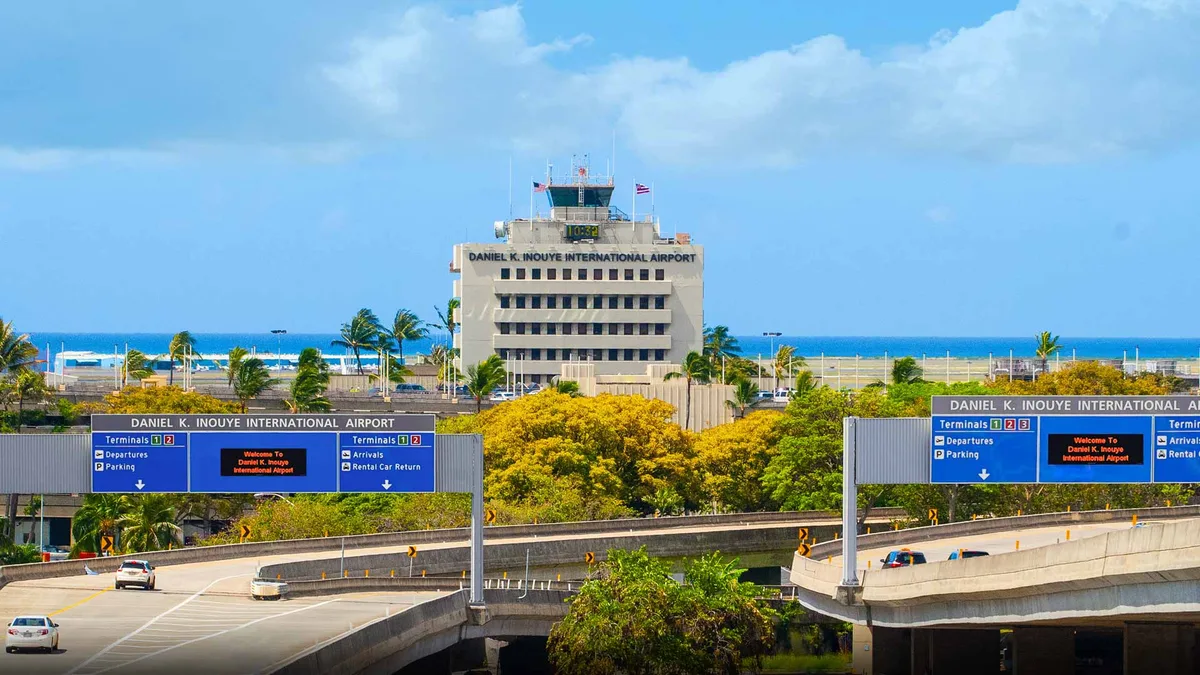
Image source: Bing (Web (fair-use with source credit))
Terminal 1
Terminal 1 serves as the main hub for Hawaiian Airlines. It handles inter-island flights between Oahu, Maui, Kauai, and the Big Island. It also manages select Hawaiian Airlines flights arriving from the US mainland.
Terminal 2
Terminal 2 is the largest facility on site. It handles all overseas flights from major domestic carriers like Delta, United, American, Southwest, and Alaska Airlines. It also processes all international arrivals, routing passengers through federal customs and passport control on the ground level.
Terminal 3
Terminal 3 is a separate, smaller facility located on the northern perimeter along Aolele Street. It handles commuter operations for regional operators like Mokulele Airlines. If you fly with Mokulele, you will check in and board directly at this separate building.
The Wiki Wiki Shuttle bus runs on the upper level to transfer passengers between Terminal 1 and Terminal 2. If you prefer to walk, covered open-air walkways connect these two main terminals directly.
The Decision Flow: Planning Your Arrival Based on Your Destination
Your travel route after landing depends on where your hotel or rental property is located on the island. Use this decision path to plan your driving time:
- If your destination is Waikiki or Downtown Honolulu: Head east via Interstate H-1 or the Nimitz Highway. The drive covers 9 miles. Expect 20 to 30 minutes in light traffic, or up to 60 minutes during afternoon rush hours.
- If your destination is Ko Olina or Kapolei: Head west on Interstate H-1. The trip covers roughly 20 miles and takes 25 to 40 minutes under typical traffic conditions.
- If your destination is the North Shore (Haleiwa or Turtle Bay): Take Interstate H-1 West to Interstate H-2 North, then follow Route 99 through Wahiawa. The 30-mile journey takes 45 to 65 minutes.
- If your destination is Kailua or Kaneohe (Windward Oahu): Take Interstate H-1 East to the H-3 Freeway through the mountains. This scenic 18-mile drive takes approximately 25 to 35 minutes.
Ground Transportation Breakdown: Rental Cars, Rideshares, Taxis, and Shuttles
Choosing the right ground transportation at HNL depends on your budget, party size, and itinerary.
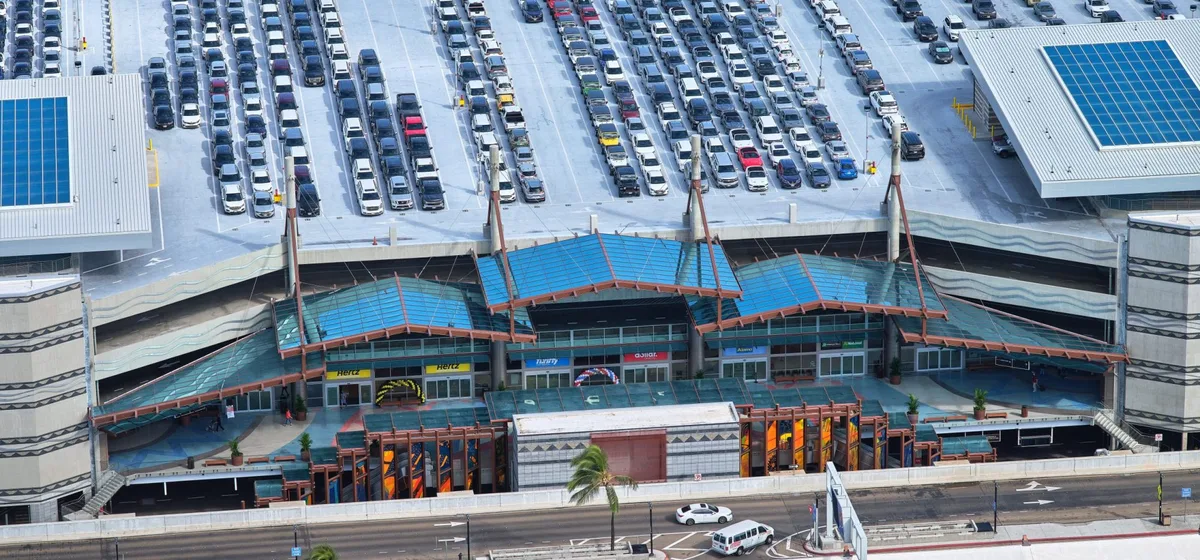
Image source: Web (Bing) / weitz.com (Web image (fair-use with source credit))
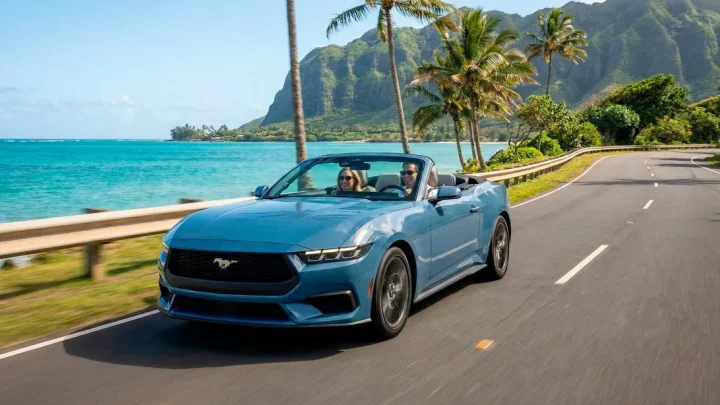
Consolidated Rent-A-Car (CONRAC) Facility
The CONRAC facility sits directly across from Terminal 2. Most major rental brands operate inside this multi-level center. You can walk straight to the rental counters from baggage claim without boarding an off-site shuttle bus.
Rideshares and App-Based Pickups
Uber and Lyft operate dedicated pickup zones at HNL. These zones are located on the second level (Departures) across from Terminal 1 and Terminal 2. You must head upstairs after claiming your luggage on the ground floor to meet your driver.
Taxis and Pre-Arranged Shuttles
Official airport taxis wait curbside outside the baggage claim areas on the ground level. Flat-rate taxi services and shared-ride hotel shuttles must be booked in advance.
Public Transit and Rail
The local municipal bus system, TheBus, runs routes past the airport. However, TheBus enforces strict baggage rules: you cannot bring large suitcases that do not fit on your lap or beneath your seat.
| Transport Option | Pickup Location | Average Cost to Waikiki | Best For |
|---|---|---|---|
| Rental Car (CONRAC) | Across from Terminal 2 | Varies by day/season | Travelers exploring outside Honolulu |
| Rideshare (Uber/Lyft) | 2nd Floor (Departures curb) | $35 to $55 | Direct transit for 1 to 3 passengers |
| Flat-Rate Taxi | Ground level / Curbside | $35 to $45 (pre-booked) | Predictable pricing with heavy luggage |
| Shared Shuttle | Ground level pickup zone | $20 to $25 per person | Solo travelers on a fixed budget |
Connecting Flights and Inter-Island Travel: How HNL Works for Island Hoppers
If Oahu is not your final stop, HNL functions as the primary inter-island transfer hub for the state of Hawaii.
When you land on a mainland flight in Terminal 2 and connect to an inter-island flight on Hawaiian Airlines in Terminal 1, follow these steps:
- Deplane and check your connecting gate: Locate flight display monitors near your arrival gate to confirm your next departure gate in Terminal 1.
- Transfer between terminals: Walk through the central connecting corridor or board the Wiki Wiki Shuttle on the third level.
- Manage checked bags: If your flights are booked on a single itinerary ticket, your bags transfer automatically between flights. If you booked separate tickets on different airlines, you must collect your bags in Terminal 2 baggage claim and re-check them at Terminal 1.
- Security screening: If you remain inside the secured airside zone, you do not need to pass through TSA security again. If you exit the building to re-check luggage, you must clear security at Terminal 1 before boarding.
Plan at least 90 minutes between flights if your bags are checked through on one ticket. Allow at least two to two and a half hours if you must collect luggage and check in with a separate regional carrier.
Crucial Airport Logistics: Traffic Patterns, Luggage Rules, and Agricultural Screenings
Driving around Honolulu requires planning for local traffic patterns. The Interstate H-1 corridor connecting HNL to Waikiki experiences heavy congestion during weekday morning and afternoon commutes. If you land between 3:30 PM and 6:30 PM, plan for your drive to Waikiki to take twice as long.
Departing flights bound for the US mainland require a mandatory agricultural screening. The USDA Animal and Plant Health Inspection Service inspects all checked and carry-on bags before departure. Officers screen luggage for restricted items such as fresh mangoes, whole citrus, and untreated soil.
You must pass your checked bags through the USDA scanners before approaching your airline check-in desk. Keep any certified agricultural exports, like inspected fresh pineapples or pre-packaged flower leis, ready for inspection at the checkpoint.
Luggage retrieval can also take extra time during peak afternoon arrival banks. Widebody flights from the West Coast and Asia often arrive within minutes of each other. Build at least 45 minutes into your itinerary between landing and meeting your ground transportation.
Frequently Asked Questions About Flying Into Oahu
What is the main airport code for Oahu?
The main airport code for Oahu is HNL. It represents Daniel K. Inouye International Airport in Honolulu.
Use this three-letter code when searching for commercial flights, checking baggage tags, or booking rental cars on the island.
How many commercial airports are on Oahu?
Oahu has only one major commercial airport, which is Daniel K. Inouye International Airport (HNL). The island also has two smaller general aviation airfields: Kalaeloa Airport (JRF) in Kapolei and Dillingham Airfield (HDH) on the North Shore.
Can you fly directly to Oahu from the US mainland?
Yes, you can fly nonstop to Oahu from dozens of major US mainland cities. Direct routes depart daily from West Coast hubs like Los Angeles, Seattle, and San Francisco. Several nonstop options also operate from central and eastern cities like Chicago, Atlanta, and New York.
How far is Daniel K. Inouye International Airport from Waikiki?
Daniel K. Inouye International Airport sits about 9 miles west of Waikiki. Drive times usually range from 20 to 30 minutes in normal traffic.
The drive can stretch to 45 or 60 minutes during weekday evening rush hours.
Do you need a passport to fly to Oahu from the mainland US?
No, US citizens flying from another US state do not need a passport to enter Hawaii. Hawaii is the 50th US state, so standard domestic travel rules apply. You only need a valid REAL ID or other government-issued photo ID.
Practical Arrival Checklist for a Smooth Landing on Oahu
Following a simple plan helps you get out of the airport and start your trip without delays.
- Verify your terminal before landing: Check your arrival terminal on your airline app. This tells you whether you will exit at Terminal 1 or Terminal 2.
- Collect your bags on Level 1: Follow the signs down the escalators to the ground floor baggage claim carousels.
- Locate your ride: If you booked a rental car, walk directly to the CONRAC facility across from Terminal 2. If you called an Uber or Lyft, take the elevator up to the second floor departure level.
- Mind the agricultural inspection on your return: On your flight home, scan your checked luggage at the USDA agricultural station before you step up to the airline counter.

Similar Posts