Where to See Turtles on Oahu: Best Beaches & Spots
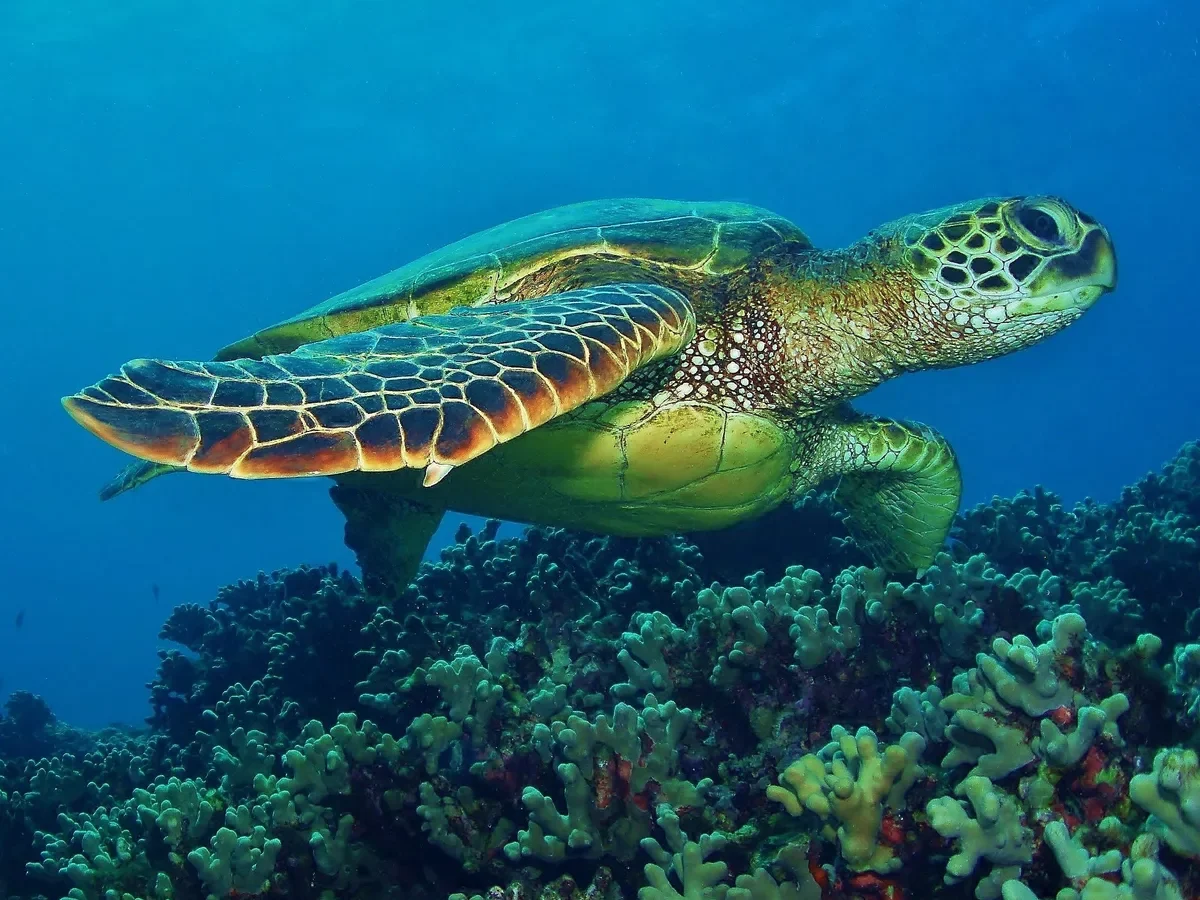
Knowing where to see turtles on Oahu comes down to understanding seasonal ocean swells and daily feeding habits. Hawaiian green sea turtles, known locally as honu (Chelonia mydas), frequent specific shallow reefs and sandy shorelines across the island. You do not need expensive boat tours or remote hikes to find them.
Our research shows that sighting success rates exceed 90 percent when you match your destination to current surf conditions. For example, calm summer waters open up legendary North Shore reefs, while winter months push safe viewing to leeward coves or dry sand. Here is how to pick the right spot for your trip.
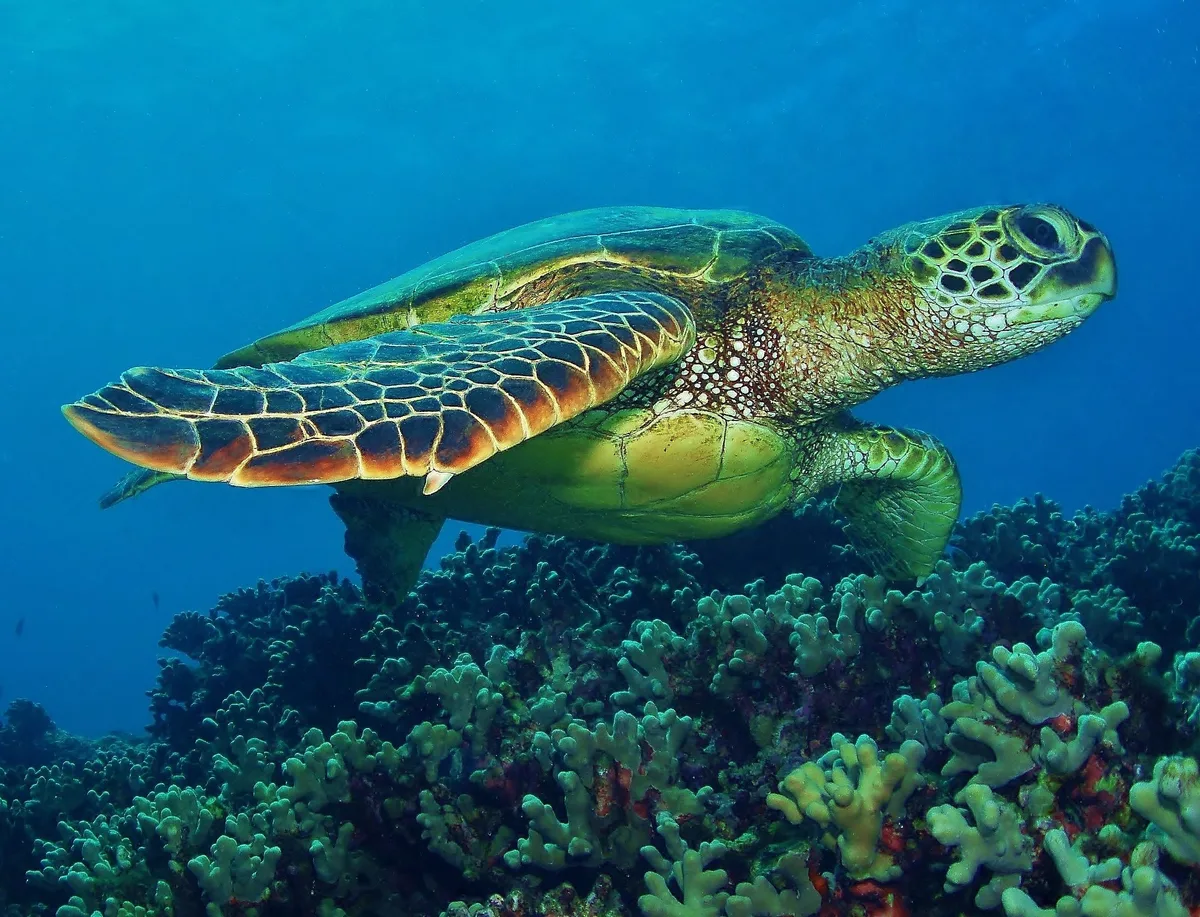
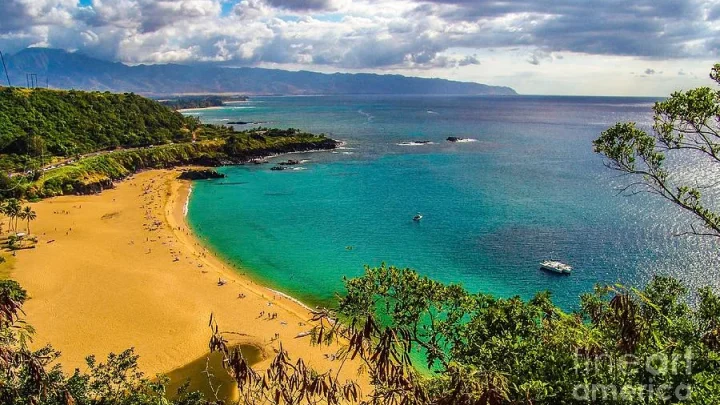
Image source: Web (Bing) / pinterest.com (Web image (fair-use with source credit))
Quick Answer
The best spots for where to see turtles on Oahu are Laniakea Beach for dry-sand viewing and Shark's Cove or Kahe Point for snorkeling. Laniakea offers reliable sightings of resting turtles year-round. Shark's Cove provides clear, calm water from May to September.
Electric Beach offers deep water viewing near warm outflow pipes. Turtle Canyon requires a short boat ride from Waikiki. Always stay at least 10 feet away from every sea turtle.
Oahu Turtle Sighting Decision Framework: Choosing Your Spot by Season, Ability, and Conditions
Choosing the right location requires filtering by season and swimming ability. Oahu features two distinct marine environments: the exposed North Shore and the sheltered Leeward and South shores.
If you visit between October and April, avoid entering the water on the North Shore. Massive winter swells create life-threatening shorebreaks and rip currents. Instead, choose dry-sand viewing at Laniakea Beach, or head south to Turtle Canyon on an organized catamaran tour.
If you visit between May and September, North Shore waters flatten out. Intermediate snorkelers can safely explore Shark's Cove or Kuilima Cove.
If you are traveling with small children or non-swimmers, stick to protected dry viewing or shallow lagoons. Kuilima Cove at Turtle Bay provides an enclosed rock barrier that stays calm in most weather.
Best Dry-Sand Basking Beaches (For Non-Swimmers and Families)
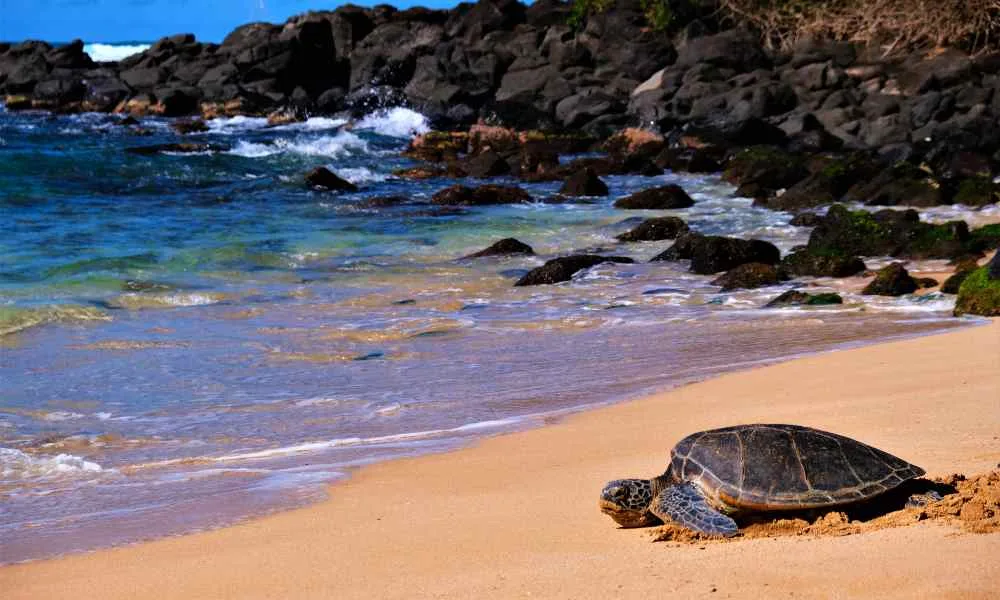
Image source: Bing (Web (fair-use with source credit))
Hawaiian green sea turtles exhibit a rare behavior called basking. They haul their heavy bodies out of the surf onto warm sand to regulate body temperature and rest. This terrestrial habit allows you to watch them comfortably from dry land.
Laniakea Beach (North Shore)
Laniakea Beach is the most famous turtle viewing spot on Oahu. Located along Kamehameha Highway, this golden sand beach hosts resident honu almost daily between 11:00 AM and 3:00 PM. Trained volunteers from the Malama Honu program often place red perimeter ropes on the sand to mark safe viewing zones.
Parking sits across a busy two-lane highway. Cross carefully at the designated pedestrian crosswalk. The shorebreak here can be rough, so plan to watch from the dry sand rather than wading out.
Haleiwa Aliʻi Beach Park (North Shore)
Located just south of Haleiwa town, Aliʻi Beach Park provides a quieter alternative to Laniakea. Turtles frequently rest on the flat sand spit near the harbor breakwall. The park features paved parking stalls, public restrooms, outdoor showers, and working lifeguard towers.
The shallow inner reef makes it easy to spot dark turtle silhouettes surfacing for air right from the shoreline park benches.
Top Snorkel Spots for In-Water Encounters
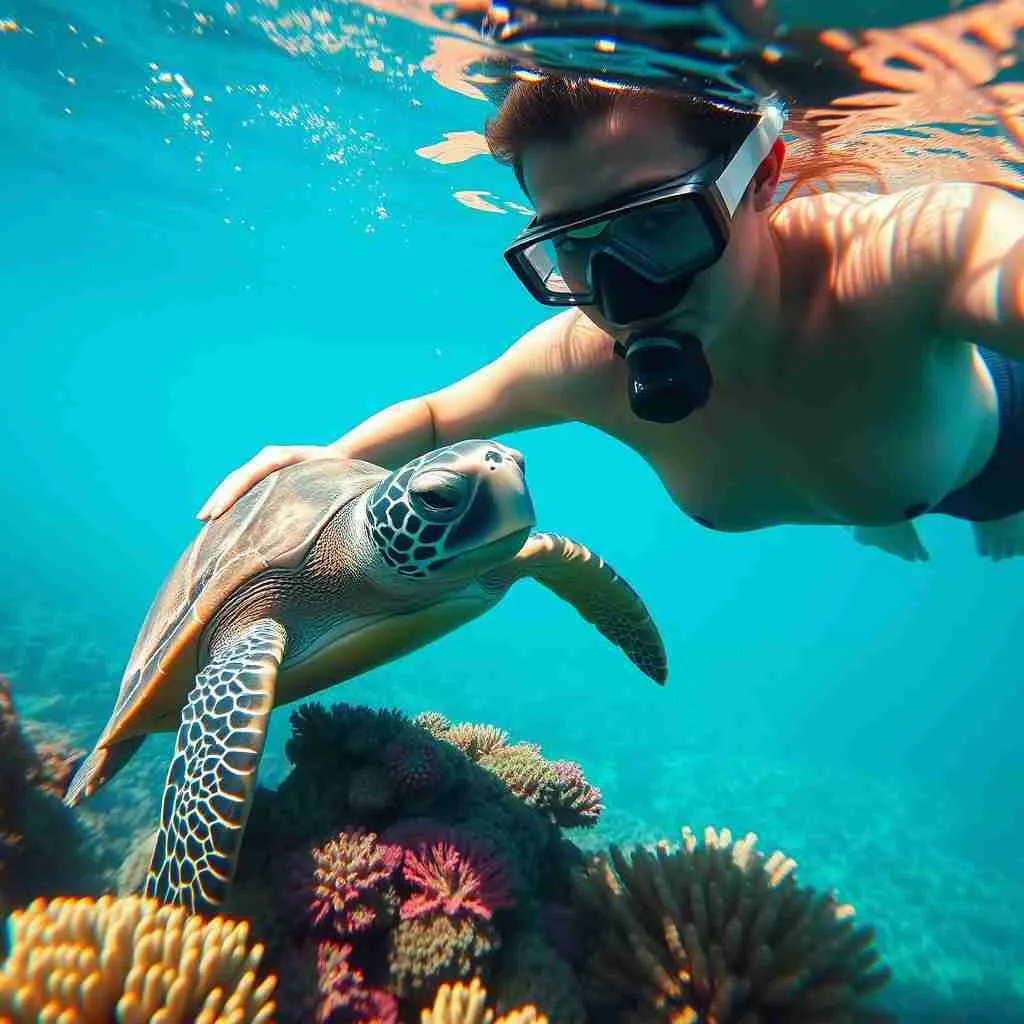
Image source: Web (Bing) / watersportsportal.com (Web image (fair-use with source credit))
Snorkeling alongside a cruising honu is an unforgettable experience. In the water, turtles visit cleaning stations where surgeonfish and tangs pluck algae off their carapaces.
Shark’s Cove and Pupukea Marine Life Conservation District (North Shore)
Shark's Cove is a premier summer snorkeling destination. Part of a protected marine life conservation district, its rocky ledges and lava tubes teem with marine life. Turtles feed on native limu (marine algae) covering the basalt shelves.
Only enter the water here during summer when ocean conditions are flat.
Kuilima Cove at Turtle Bay (North Shore)
Kuilima Cove sits directly in front of the Turtle Bay Resort. A natural stone barrier shields the cove from open ocean swells, making it the safest North Shore swim spot for beginner snorkelers. Honu regularly graze on the shallow reef flats just yards from the sandy beach.
Kahe Point Beach Park / Electric Beach (West Oahu)
Located on the leeward Waianae coast, Electric Beach gets its nickname from the adjacent power plant. Warm, clean cooling water discharges through offshore pipes, attracting dense schools of fish and foraging turtles. Entry requires swimming across a short shorebreak into 15 to 30 feet of water, so this spot is best for confident swimmers.
Turtle Canyon (South Shore / Waikiki Boat Access)
Turtle Canyon is a famous underwater cleaning station located about a half-mile off the coast of Waikiki. Because it sits in deeper offshore water, access requires a boat charter or kayak paddle. Visibility is consistently high, and turtle sightings here are virtually guaranteed year-round.
Hanauma Bay Nature Preserve (East Oahu)
Hanauma Bay is a protected volcanic crater on Oahu's southeastern tip. The bay hosts a healthy population of green sea turtles feeding inside the inner reef. As of 2026, non-residents must secure online reservations through the City and County of Honolulu portal up to 48 hours in advance and pay a $25 entry fee.
The preserve is closed on Mondays and Tuesdays to let marine life rest.
Comparing Oahu's Premier Turtle Locations: Sighting Rates, Difficulty, and Seasonality
Every beach on Oahu offers distinct entry conditions, seasonal safety windows, and viewing styles. Use this comparison table to pick the right destination for your group's skill level.
| Location | Best For | Entry Type | Optimal Season | Sighting Rate |
|---|---|---|---|---|
| Laniakea Beach | Non-swimmers, families, photos | Dry sand viewing | Year-round | Very High (90%+) |
| Haleiwa Aliʻi Beach | Casual beachgoers, picnickers | Sandy shoreline | Year-round | Moderate (60-70%) |
| Shark’s Cove | Confident snorkelers, freedivers | Rocky lava shelf | May to September only | High (80%+) |
| Kuilima Cove | Beginner snorkelers, kids | Protected sandy cove | Year-round (best in summer) | High (75-85%) |
| Electric Beach | Advanced snorkelers, freedivers | Beach shorebreak to deep reef | Year-round | High (80-90%) |
| Turtle Canyon | Boat tour guests, all swimmers | Deep water boat mooring | Year-round | Very High (95%+) |
| Hanauma Bay | Beginners, reef snorkelers | Sandy walk-in reef flat | Year-round | Moderate (65-75%) |
If your main goal is simple viewing without swimming, choose Laniakea. If you want guaranteed in-water sightings without fighting ocean currents, book a morning boat tour to Turtle Canyon. For independent summer snorkeling, Shark's Cove offers the most dynamic underwater terrain on the island.
How Season, Tides, and Time of Day Dictate Turtle Behavior
Sea turtles follow strict daily and seasonal routines. Understanding these natural patterns helps you time your visits for maximum visibility and safety.
Winter Swells vs. Summer Calms: Ocean Safety Realities
Winter on Oahu brings world-class surf, but it also creates severe hazards for snorkelers. Massive low-pressure systems in the North Pacific push swells of 15 to 30 feet onto the North Shore between October and April.
During these months, rocky entries at Shark's Cove become inaccessible. Strong rip currents can pull even strong swimmers out to sea. In contrast, summer months bring flat, lake-like ocean conditions to the northern coastline, creating ideal snorkeling environments.
Sunlight, Tide Cycles, and Basking Patterns
Honu are cold-blooded reptiles. They rely on the tropical sun to warm their core temperature and aid digestion. Because of this, basking activity peaks during midday hours between 11:00 AM and 3:00 PM.
Tidal movements also drive feeding behavior. Incoming high tides allow turtles to float over shallow reef flats to nibble on fresh limu. If you want to watch turtles grazing near the shoreline, plan your snorkel session one hour before peak high tide.
Essential Rules, Reef Etiquette, and Hawaii Turtle Laws
Hawaiian green sea turtles are protected under both federal and state laws. Following wildlife rules ensures both your safety and the well-being of the animals.
Safe Distance Guidelines and Legal Protections
Both the Endangered Species Act and Hawaii state law strictly prohibit touching, chasing, riding, or harassing sea turtles. The NOAA Fisheries guidelines recommend maintaining a buffer of at least 10 feet (3 meters) on land and in the water.
If a turtle swims toward you while snorkeling, stop swimming and let it pass. Never block a turtle's path to the surface, as they must surface regularly to breathe air. Violations carry severe fines reaching thousands of dollars.
Sunscreen Compliance and Reef Preservation
Hawaii law prohibits the sale of non-prescription sunscreens containing oxybenzone and octinoxate. These chemicals bleach living corals and harm delicate reef systems.
Always choose mineral-based formulas that use non-nano zinc oxide or titanium dioxide. Better yet, wear UV rash guards and swim leggings to reduce the amount of sunscreen entering the water.
Critical Mistakes That Ruin Oahu Turtle Encounters
Avoiding common trip mistakes will save you time, money, and frustration.
- Crossing Kamehameha Highway outside crosswalks: Traffic near Laniakea Beach is heavy and fast. Always use designated crossing areas.
- Stepping on shallow coral heads: Standing on live coral destroys centuries of growth and can cause painful reef cuts.
- Snorkeling in murky runoff: Heavy rains wash red dirt and bacteria into coastal bays. Low visibility ruins sightings and attracts predators.
- Ignoring ocean warning signs: Always check with on-duty lifeguards about rip currents and shorebreak conditions before entering the water.
- Crowding turtles on the beach: Surrounding a resting turtle causes stress and forces the animal back into the cold surf prematurely.
Frequently Asked Questions About Seeing Turtles on Oahu
What is the best time of day to see turtles on Oahu?
The best time for dry-sand viewing is between 11:00 AM and 3:00 PM when the sun is warmest. For snorkeling, early mornings between 7:00 AM and 9:00 AM provide the calmest winds and clearest underwater visibility.
Can you touch a sea turtle if it swims up to you?
No, you may never touch a sea turtle in Hawaii under any circumstances. If a turtle approaches you while swimming, float still, keep your hands to your chest, and let the animal swim past uninterrupted.
Is Laniakea Beach free to visit?
Yes, Laniakea Beach is completely free and open to the public. Free parking is available in dirt pullout lots located across Kamehameha Highway directly opposite the beach access paths.
Where can you see turtles in Waikiki without a boat?
You can occasionally spot turtles feeding on the reef off Queen's Beach and the Waikiki Wall near Kapiolani Park. However, visibility is lower and sightings are less frequent compared to offshore boat locations like Turtle Canyon.
What should you do if you see an injured turtle on Oahu?
If you spot an injured, entangled, or stranded sea turtle, maintain your distance. Report the sighting immediately to the official Hawaii Department of Land and Natural Resources wildlife hotline for professional rescue assistance.

Similar Posts