Is Oahu Safe for Tourists? What You Need to Know
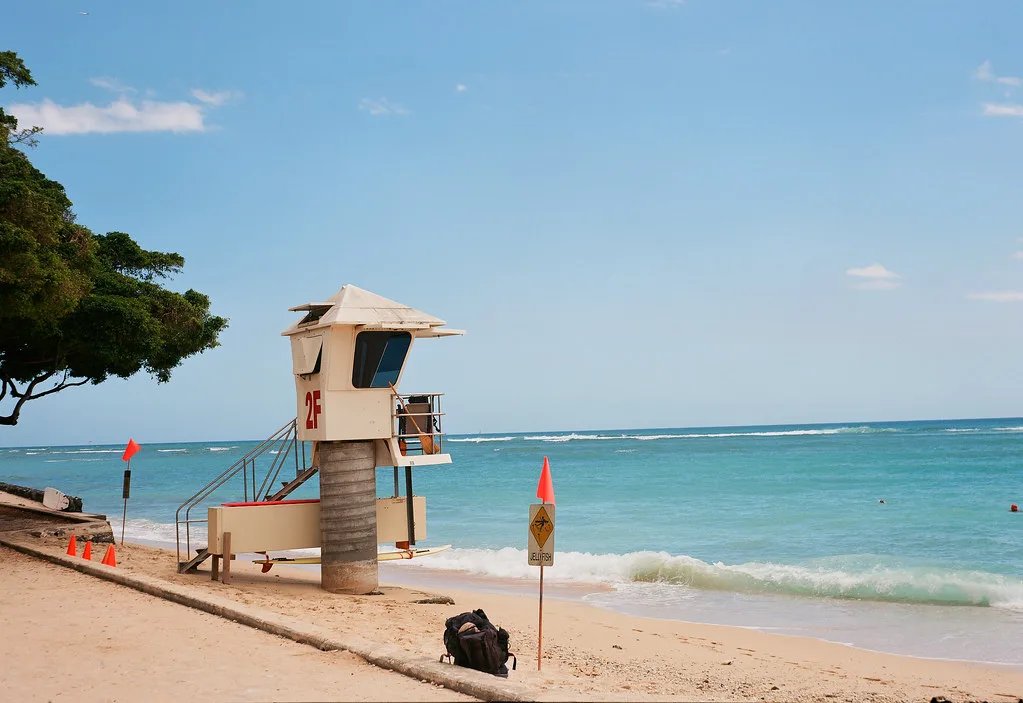
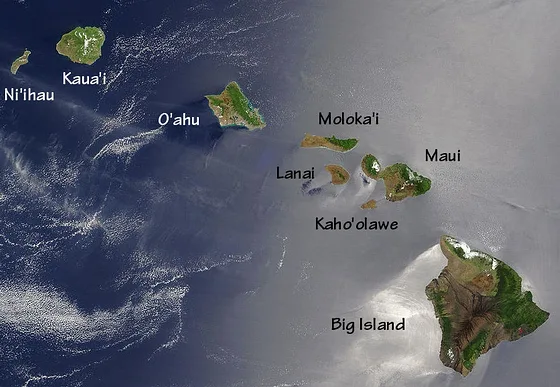
Planning a tropical getaway often brings practical questions, and you might be wondering if Oahu is safe for tourists. The short answer is yes. Oahu is widely considered one of the safest island destinations in the world, welcoming over five million travelers each year with low rates of violent crime.
Official crime reports from the Honolulu Police Department show that violent offenses occur well below the national average for major metropolitan areas. Most tourist visits are trouble-free, provided you respect local ocean conditions and take basic precautions against petty theft. Here is what you need to know about the real safety landscape across the island.
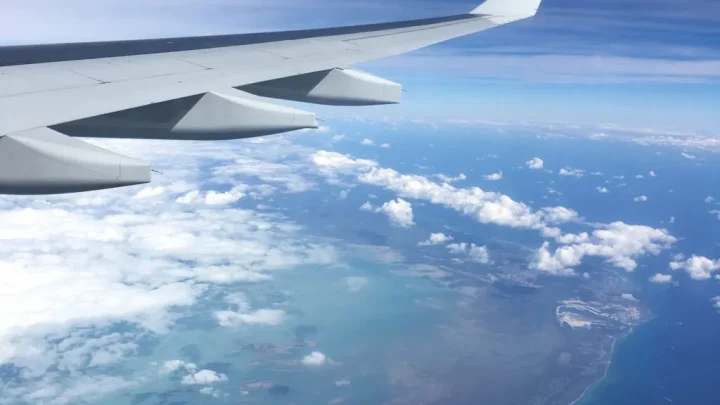
Image source: Bing (Web (fair-use with source credit))
Quick Answer
Is Oahu safe for tourists? Yes, Oahu is very safe for travelers. Violent crime rates are far below the national average.
Most visits happen without any safety issues. Your biggest real risks are ocean conditions and car break-ins at scenic stops. Practice basic awareness and respect beach warning signs.
Is Oahu Safe for Tourists? The Honest Reality
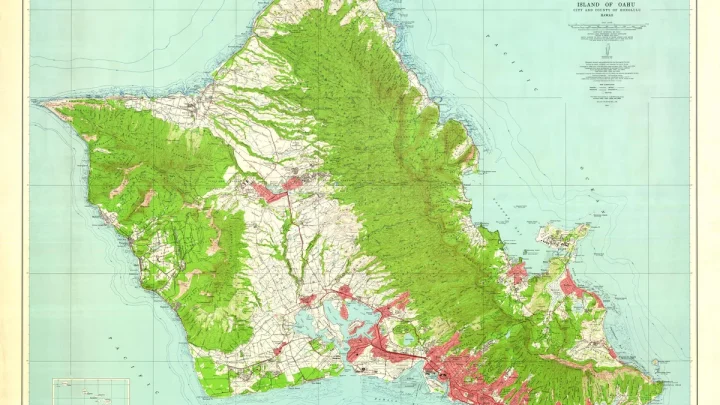
When travelers ask about safety, they usually worry about walking down the street at night. On Oahu, urban street safety is quite high, but the island is a working metropolis of one million residents combined with rugged wilderness. It is not an enclosed theme park.
As of 2026, Oahu continues to rank as a low-risk destination for personal safety. The culture is built on mutual respect and community awareness, often referred to as the Aloha Spirit. Violent crime rarely targets visitors.
Most reported incidents involve petty theft, property crime, or natural hazards.
The biggest gap in tourist preparation is underestimating the natural environment. While city centers present standard urban considerations, the ocean, remote trails, and exposed ridgelines pose far greater physical risks. Understanding both the urban environment and the natural landscape ensures a seamless trip.
Crime Rates and What the Numbers Actually Mean for Travelers
Looking strictly at statistics, Honolulu has one of the lowest violent crime rates among large US cities. Homicides, armed robberies, and random physical assaults on visitors are statistically rare. You can walk through prime tourist corridors with a high degree of confidence.
Property crime tells a different story. Opportunistic theft represents the overwhelming majority of police reports involving tourists. Unattended backpacks on the sand, wallets left on pool chairs, and luggage visible in parked cars invite quick break-ins.
| Crime Category | Risk Level for Tourists | Primary Locations | Prevention Strategy |
|---|---|---|---|
| Violent Crime | Very Low | Isolated industrial pockets late at night | Stay aware of surroundings after dark |
| Rental Car Theft | Moderate to High | Scenic lookouts, beach parks, trailheads | Keep the vehicle cabin completely empty |
| Beach & Bag Theft | Moderate | Unmonitored beach towels, busy parks | Use dry bags or take turns swimming |
| Scams & Fraud | Low | Street vendors, unpermitted tour operators | Book via reputable, licensed agencies |
Neighborhood Safety Guide: Where to Relax and Where to Stay Alert
Oahu features distinct micro-regions, each with its own safety profile. Moving from resort corridors to working-class residential areas requires simple situational adjustments.
Waikiki, Ko Olina, and the Main Resort Strips
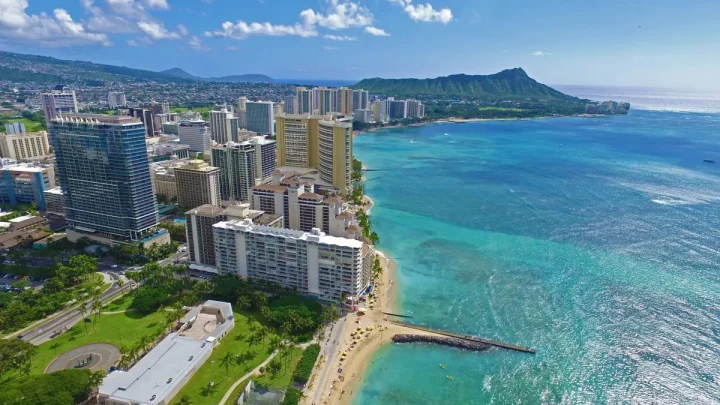
Waikiki is the primary tourist core. It features wide sidewalks, heavy foot traffic, and a strong police presence, including dedicated foot and bicycle patrols. You can comfortably walk along Kalakaua and Kuhio Avenues late into the evening.
Ko Olina, located on the Leeward coast, is a private master-planned resort community. It has private security, calm man-made lagoons, and virtually zero street crime. Both areas are ideal for families, solo travelers, and late-night strolls.
Chinatown, Downtown Honolulu, and Urban Transit Hubs
Downtown Honolulu and historic Chinatown offer fantastic dining, art galleries, and cultural landmarks by day. However, street dynamics shift after business hours.
Chinatown has a visible unhoused population, and certain blocks experience open substance use and erratic behavior late at night. Stick to main streets, travel in groups after dark, and use rideshares instead of lingering at bus stops after midnight.
The Windward Coast, North Shore, and West (Leeward) Side
The Windward side (Kailua, Lanikai) and the North Shore (Haleiwa) are relaxed, community-oriented areas with very low crime. The main hazard here is traffic congestion and beach parking theft.
The West side (Waianae coast) is breathtakingly scenic and home to deep Hawaiian cultural roots. It is less tourist-oriented and experiences higher local poverty rates. Visitors are welcomed when showing humility and respect.
Avoid leaving any belongings in your car at West side beach parks, and do not camp in non-designated areas.
The Primary Danger Most Visitors Miss: Ocean Conditions and Shorebreak
The ocean poses the single greatest physical threat to visitors on Oahu. Ocean conditions change rapidly based on season, tide, and swell direction.
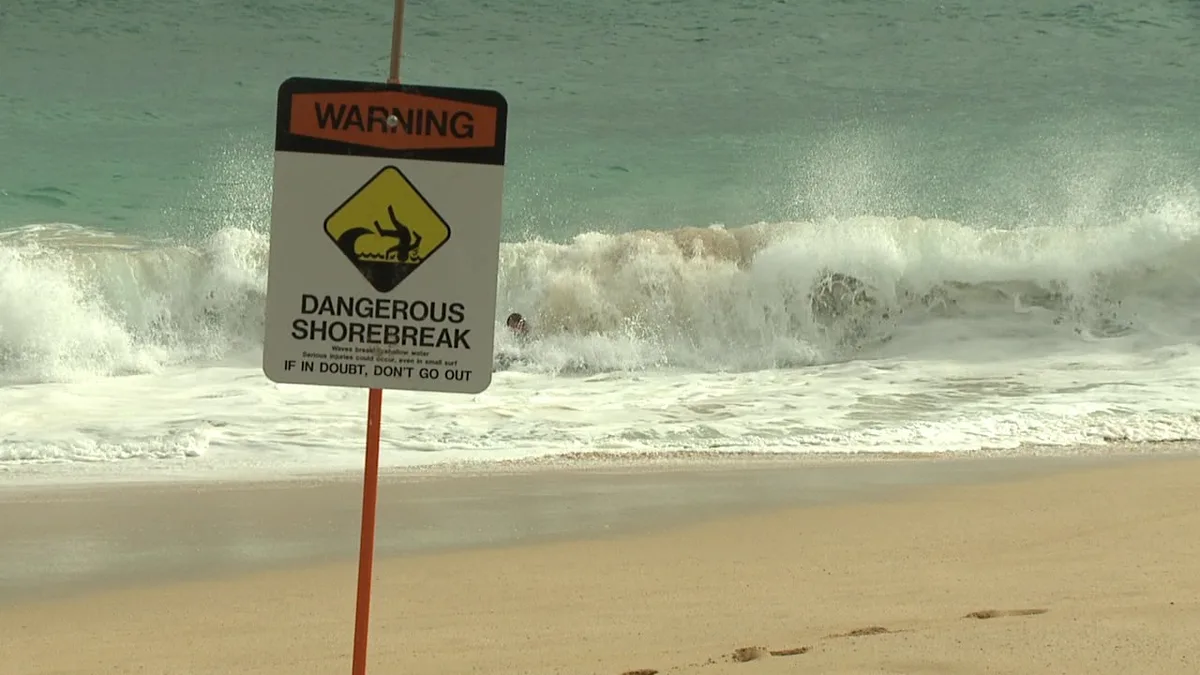
Image source: Web (Bing) / khon2.com (Web image (fair-use with source credit))
Seasonal Swells: North Shore Winter vs. South Shore Summer
Oahu experiences dramatic seasonal wave shifts. During the winter months (November to April), massive North Pacific storms push wave faces of 15 to 30 feet into the North Shore. Beaches like Waimea Bay, Sunset Beach, and Banzai Pipeline produce deadly rip currents and massive shorebreaks.
Only expert surfers should enter the water here in winter.
During the summer months (May to September), the South Shore (Waikiki, Ala Moana) sees increased wave activity, while the North Shore turns lake-flat. Check daily surf forecasts from the National Weather Service before heading out.
Shorebreak Dynamics and Spinal Injury Risks
Shorebreak occurs when waves break directly onto dry or shallow sand rather than in deep water. This creates immense downward force. Sandy Beach on the East side is famous for severe neck and cervical spine injuries.
- Never turn your back on the ocean.
- Watch the water for at least five minutes before entering.
- If a wave knocks you down, tuck your chin to your chest and protect your head with your arms.
- Only swim at beaches with active lifeguard towers.
Box Jellyfish, Currents, and Flag Warning Systems
Box jellyfish reliably arrive on South Shore beaches roughly 8 to 10 days after a full moon. Lifeguards post warning signs along affected shores.
Always look for warning flags flown at lifeguard stations:
- Green Flag: Calm conditions, low hazard.
- Yellow Flag: Moderate surf or currents, caution advised.
- Red Flag: High hazard, strong currents or dangerous shorebreak.
- Purple / Blue Flag: Dangerous marine life present (jellyfish or man-o'-war).
Trail Safety, Flash Floods, and Dangerous Hikes
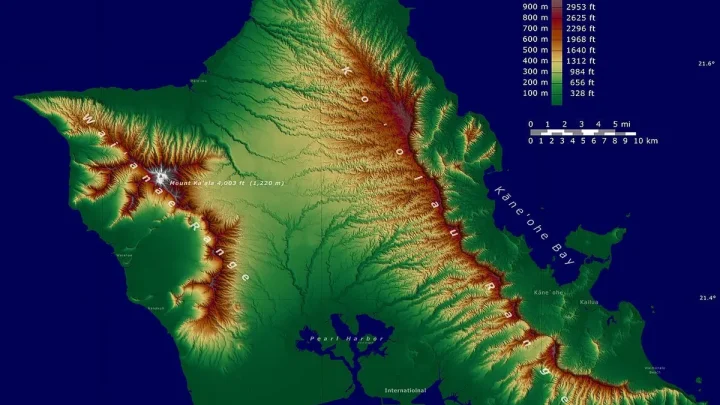
Oahu features world-class hiking, but its volcanic topography requires caution. Basalt rock is brittle and crumbly, and ridge trails often feature steep drop-offs with loose soil.
Always hike on state-sanctioned trails maintained by the Hawaii Department of Land and Natural Resources. Closed, illegal routes like the Haiku Stairs carry strict trespassing fines over $1,000 and expose hikers to dangerous ridge conditions.
Flash flooding is another serious hazard in mountain valleys. Rains high in the Koolau Mountains can trigger raging torrents in stream beds miles away under clear valley skies. If stream water turns brown, rises rapidly, or begins carrying debris, exit the stream bed immediately.
Start all hikes early in the morning and carry a fully charged phone and plenty of water.
Property Crime and the Rental Car Smash-and-Grab Problem
Property crime against rental cars represents the most common safety frustration on Oahu. Professional thieves frequent popular scenic lookouts, knowing tourists often leave bags behind while taking quick photos.
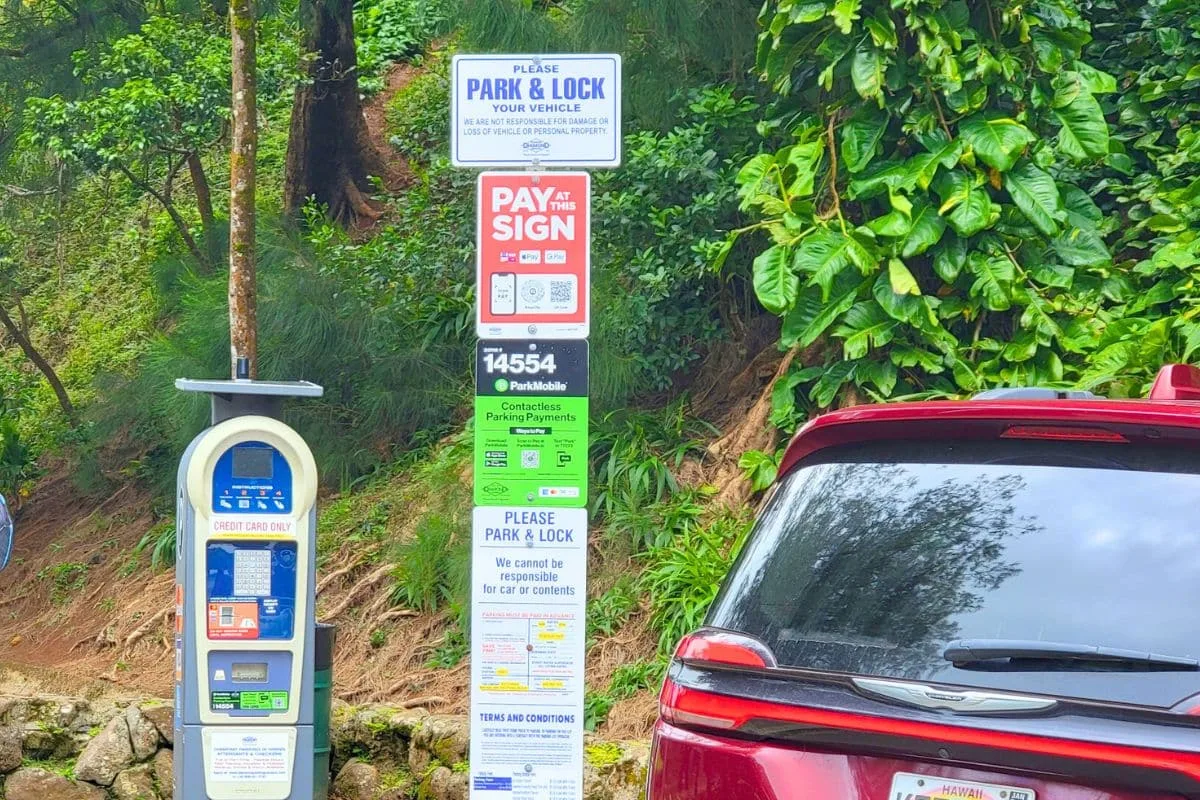
Image source: Bing (Web (fair-use with source credit))
Break-ins happen in under thirty seconds. Thieves smash side windows and grab whatever is inside, including charging cables, jackets, sunglasses, and bags hidden under blankets.
High-theft locations include the Nuuanu Pali Lookout, Halona Blowhole, Makapuu Point trailhead, and roadside turnouts along the North Shore.
Protecting yourself requires a strict vehicle routine:
- Never leave bags, phones, or wallets in plain sight.
- Move items into the trunk before you arrive at your destination, never in the parking lot.
- Take all valuables with you, even if you are stepping away for just two minutes.
- Leave the center console and glove compartment visibly empty.
- Avoid renting soft-top convertibles or leave them completely empty with windows down.
Practical Safety Checklist for Solo Travelers, Families, and Drivers
Staying safe on Oahu comes down to preparation and standard street sense. Whether exploring Honolulu or driving around the island, follow this checklist to minimize your risks.
- For Solo Travelers: Share your daily itinerary and trail locations with family. Stick to well-lit resort paths after dark, and use licensed rideshare services like Uber or Lyft when returning late from dining districts.
- For Families with Children: Choose protected swim areas like Ko Olina Lagoons, Hanauma Bay, or the sheltered section of Baby Makapuu. Always keep small children within arm's reach near the water.
- For Drivers: Keep your rental car completely clear of luggage. Lock the doors, roll up windows, and park only in designated, legal stalls to avoid towing fees or citations.
- For Outdoor Hikers: Check the mountain weather forecast before departing. Download offline GPS trail maps, wear trail shoes with solid traction, and pack at least two liters of water per person.
Frequently Asked Questions About Oahu Safety
Is Waikiki safe to walk around at night?
Yes, Waikiki is very safe for late-night walking along Kalakaua and Kuhio Avenues. The area features constant foot traffic, open storefronts, and regular police patrols. Stick to main, well-lit corridors and avoid unlit beach parks or dark side alleys late at night.
Can you leave bags on the beach while swimming?
No, unattended items on open beaches can be stolen quickly. Always keep an eye on your belongings from the water, take turns swimming with your group, or use a waterproof waist pouch for your phone, keys, and cards.
Is tap water safe to drink on Oahu?
Yes, tap water across Oahu is clean, safe, and meets all strict federal drinking water standards. The island's municipal water is naturally filtered through volcanic basalt rock. You can drink tap water in hotels, vacation rentals, and restaurants with complete confidence.
What should you do if caught in a rip current?
Stay calm and do not try to swim directly against the current toward shore. Float to conserve your energy, and swim parallel to the shoreline until you escape the pull. Once clear of the current, swim back toward the beach or raise your arm to signal a lifeguard.

Similar Posts