Can You Get Around Oahu Without a Car? How to Do It
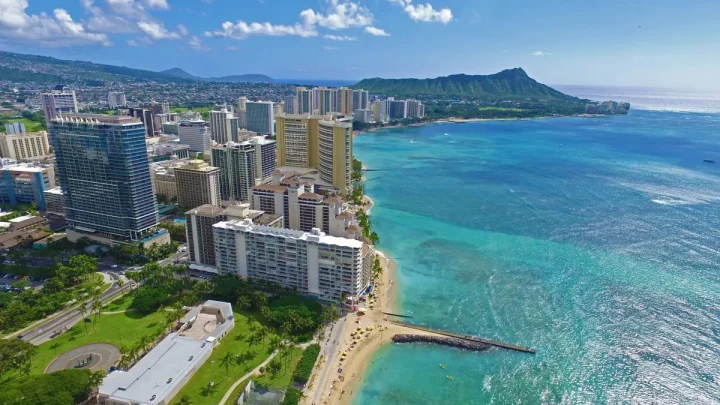
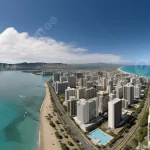
Planning a trip to Hawaii brings up one major logistical question: can you get around Oahu without a car? The short answer is yes. You can explore a large portion of the island without touching a steering wheel.
Honolulu features one of the most robust transit networks in the United States. Municipal route data shows that over 100 bus lines connect urban centers directly to beaches, historic monuments, and mountain lookouts. Making the most of your trip simply comes down to knowing which tools to use for your specific itinerary.
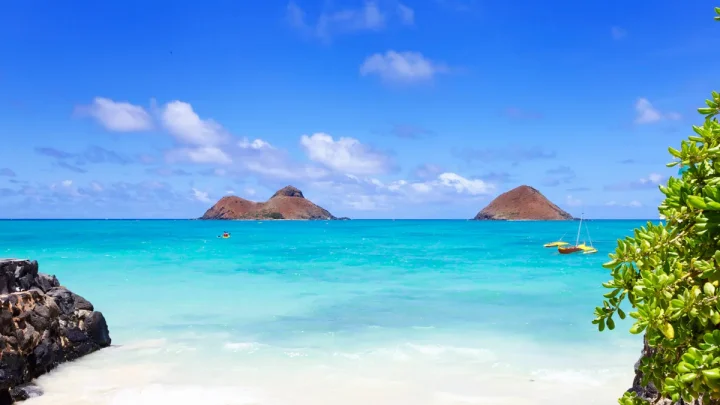
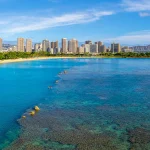
Image source: Web (Bing) / hawaiitravelwithkids.com (Web image (fair-use with source credit))
Quick Answer
You can easily get around Oahu without a car. Urban Honolulu has great bus coverage, bike shares, and rideshares. The public transit system connects most major tourist sights.
You will save money on high resort parking fees. Rural trips take longer by bus, but guided tours fill the gaps.
Can You Get Around Oahu Without a Car? The Honest Answer
Oahu is the easiest Hawaiian island to visit without renting a vehicle. The island strikes a balance between a dense, walkable metropolis and rural coastal communities. Because of this layout, your transportation needs change dramatically depending on where you stay and what you plan to see.
If your trip centers on Waikiki, Ala Moana, and downtown Honolulu, a rental car is usually an expensive headache. Between congested streets and hotel parking rates that frequently top $50 per night, driving yourself around the city often creates more stress than it eliminates. Walking, bike shares, and public transit will easily handle your daily travel.
Leaving the urban core is where trade-offs emerge. You can reach spots like the North Shore, Kailua Beach, or Pearl Harbor on public transit, but travel times are longer than driving. A trip that takes 45 minutes by car can take up to two hours on a city bus.
Deciding to skip the car rental comes down to balancing your daily budget against your available vacation time.
The Oahu Car-Free Decision Tree: How to Choose Your Travel Style
To decide if going car-free works for you, match your travel plans to these practical scenarios:
- Stay Car-Free the Entire Trip: Choose this if you are staying in Waikiki, traveling solo or as a couple, and focusing on major sights like Pearl Harbor, Diamond Head, and Ala Moana Center.
- Use the Hybrid Strategy: Stay car-free for your urban Honolulu days. Rent a car from a neighborhood Waikiki desk for a single 24-hour block to tour the North Shore or Windward Coast. This avoids weekly parking fees while giving you total freedom for scenic stops.
- Book Guided Excursions: Pick this option if you want to see far-flung destinations like Kualoa Ranch or the Polynesian Cultural Center without driving. Most major attractions offer direct coach pickup from Waikiki hotels.
- Rent a Car for the Full Trip: Essential only if you are staying at an isolated vacation rental, traveling with small children who need car seats, or carrying bulky sports gear like personal surfboards.
| Travel Style | Best For | Typical Daily Cost | Main Trade-Off |
|---|---|---|---|
| 100% Transit & Walking | Budget solo travelers, couples in Waikiki | $3.00 to $7.50 | Slower travel to rural sights |
| Hybrid (1-Day Rental) | Sightseers wanting North Shore flexibility | $60 to $110 (split across trip) | Logistics of picking up a rental car |
| Tour Bus Packages | First-timers, families wanting convenience | $30 to $60 per tour transfer | Fixed schedules with less freedom |
| Full Car Rental | Large families, remote rental stays | $110 to $180 (including parking) | High daily parking costs and traffic |
Mastering TheBus, Skyline, and the HOLO Card
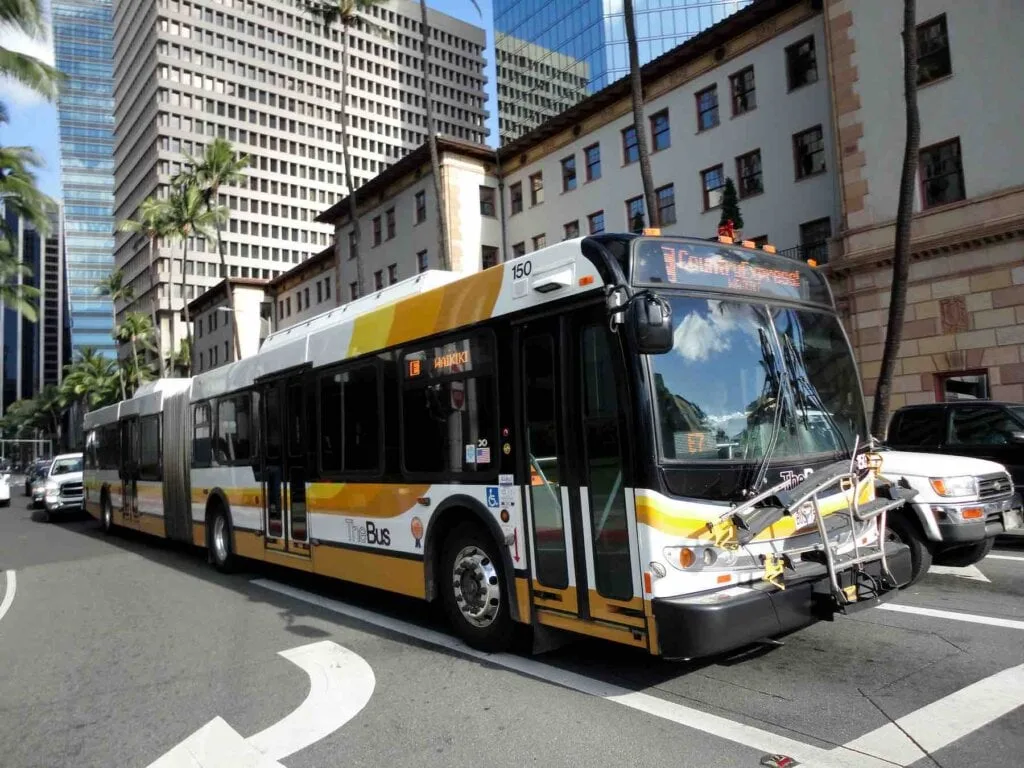
The public transit backbone of Oahu is operated by TheBus, which runs comprehensive routes across the entire island. Fares are managed through the contactless HOLO card system. As of 2026, a single adult ride costs $3.00, but the system features an automatic daily fare cap of $7.50.
Once you tap your card enough times to hit the cap, all subsequent rides that calendar day are free.
You can purchase and load physical HOLO cards at local convenience stores like ABC Stores, 7-Eleven, and select supermarkets. Keep in mind that TheBus enforces a strict luggage rule. You can only bring bags that fit under your seat or securely on your lap.
Large rolling suitcases, rigid surfboards, and bulky coolers are barred from municipal buses.
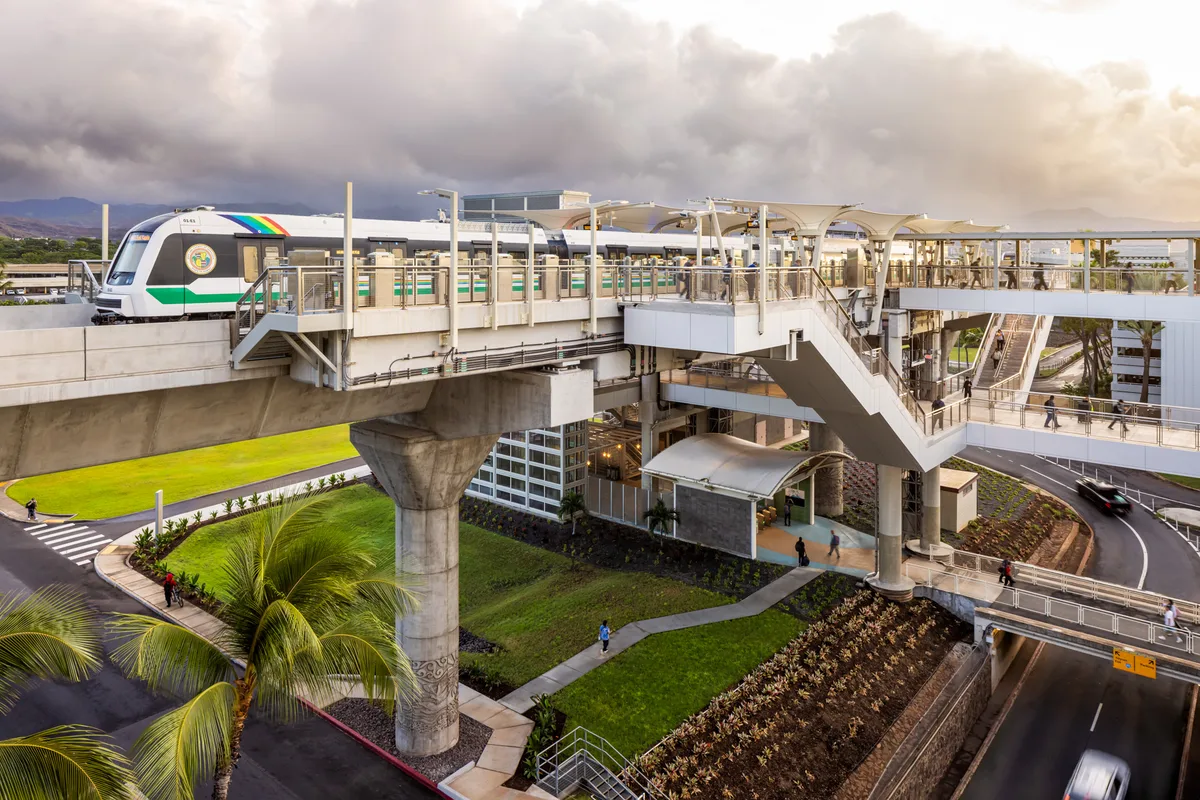
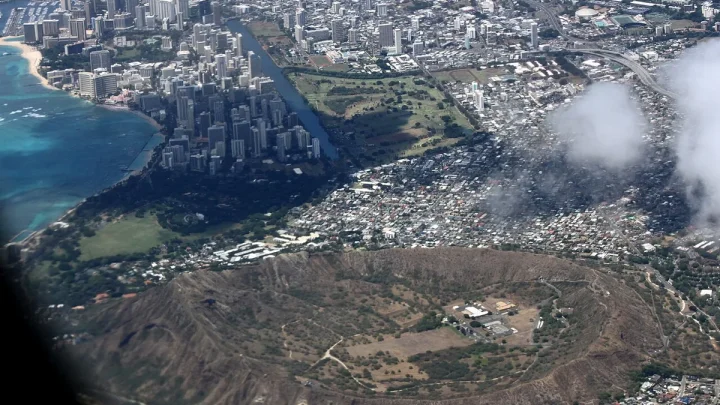
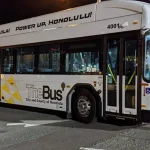
Image source: Web (Bing) / honolulumagazine.com (Web image (fair-use with source credit))
The island also features Skyline, Oahu's light rail system managed by the Honolulu Authority for Rapid Transportation. Skyline accepts the same HOLO card with seamless transfers to connecting bus routes. It serves key central points across the Leeward plain, connecting locations like Aloha Stadium and Daniel K.
Inouye International Airport to the local transit grid.
Biki, Walking, and Rideshares: Getting Around Urban Honolulu
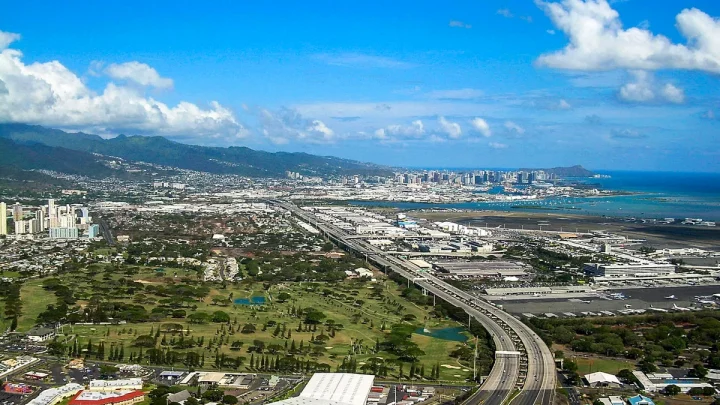
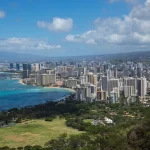
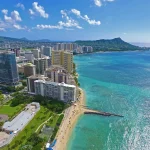
For trips inside the Honolulu urban core, you rarely need to wait on a scheduled bus line. Waikiki, Kakaʻako, and Ala Moana form a flat, scenic, four-mile strip that is exceptionally pedestrian-friendly. Sidewalks are wide, well-lit, and lined with shops and restaurants.
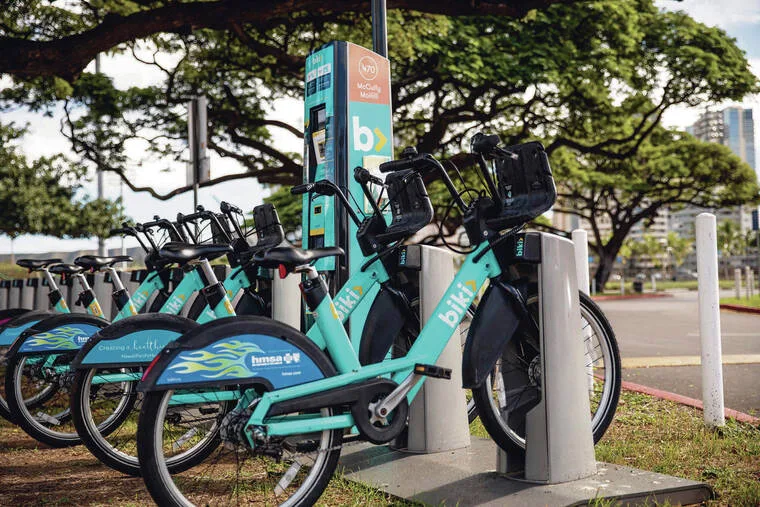
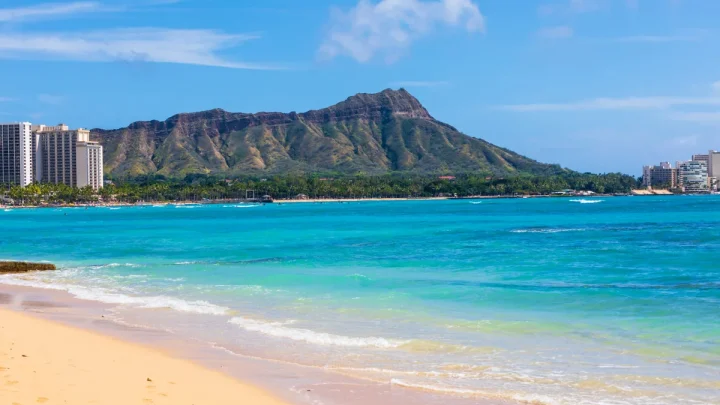
Image source: Web (Bing) / staradvertiser.com (Web image (fair-use with source credit))
For quicker hops between neighborhoods, Bikeshare Hawaii operates the Biki network. You will find over 130 docking stations between Diamond Head and downtown. You can unlock bikes using a credit card at any kiosk or through the mobile app for a quick single-ride fee.
Note that riding bikes on sidewalks is illegal in commercial districts like Waikiki and downtown, so stick to designated street bike lanes.
When you need direct, on-demand transport, rideshare services like Uber and Lyft operate heavily throughout Honolulu. Pickups in Waikiki and at the airport generally happen within five minutes. Rideshare is also useful for late-night dining in nearby neighborhoods like Kaimuki and Kapahulu that sit just beyond an easy walking radius.
How to Reach Oahu’s Major Sights Without Personal Wheels
You do not need personal wheels to see Oahu's premier attractions. Most major points of interest have dedicated transit lines or straightforward commercial alternatives:
- Pearl Harbor National Memorial: Take TheBus Route 20 or Route 42 directly from Waikiki. The bus drops you right at the visitor center entrance in roughly 60 minutes.
- Diamond Head State Monument: Take TheBus Route 2 or Route 23 to the crater base. You can also take the private Waikiki Trolley Green Line, which drives directly through the tunnel to the trailhead.
- Haleiwa and the North Shore: Board Route 52 from the Ala Moana Center transit hub. It runs straight across the central valley to historic Haleiwa Town. Expect travel times around 105 to 120 minutes each way.
- Kailua and Lanikai Beach: Ride Route 67 from Ala Moana directly into Kailua Town. From there, take a local neighborhood feeder bus or walk the final stretch to the shoreline.
- Kualoa Ranch & Polynesian Cultural Center: While reachable by bus Route 60, both venues offer dedicated round-trip motorcoach transportation with hotel pickups when you book your activity tickets.
The Cost Equation: Public Transit vs. Rental Cars and Parking Fees
The math behind skipping a rental car on Oahu is compelling. A standard rental car in Honolulu runs between $45 and $85 per day before taxes, fuel, and insurance. The hidden budget killer, however, is hotel parking.
Most Waikiki resorts charge between $45 and $65 per night just to keep a car on site.
When you add those expenses up, a week-long car rental easily totals $700 to $1,100. That is money spent before paying for gas or daytime parking meters at beaches and trailheads.
By comparison, relying on public transit, airport shuttles, and occasional rideshares drastically slashes your total ground transportation bill.
| Expense Category | 7-Day Rental Car (Waikiki Stay) | 7-Day Car-Free Hybrid Itinerary |
|---|---|---|
| Base Vehicle / Transit Fare | $350 – $550 | $30 – $40 (HOLO Card + Biki) |
| Hotel Overnight Parking | $315 – $455 | $0 |
| Airport Transfers | $0 (included with rental) | $70 – $90 (Round-trip shuttle / Uber) |
| Gasoline | $45 – $70 | $0 |
| 1-Day Local Car Rental | $0 | $75 – $100 (Single-day road trip) |
| Estimated Total | $710 – $1,075 | $175 – $230 |
Critical Traps to Avoid When Traveling Oahu Car-Free
Going car-free requires realistic expectations. One major trap is attempting to take municipal transit from Daniel K. Inouye International Airport with standard checked bags.
TheBus strictly bars luggage exceeding 22 by 14 by 9 inches. If you show up with full-sized suitcases, drivers will turn you away at the curb. Book an airport shuttle or take a rideshare to your hotel instead.
Another risk is assuming rideshares are easily available everywhere across Oahu. Uber and Lyft operate reliably within Honolulu and the southern coast. Once you travel past Kaneohe on the Windward side or out toward Kaʻena Point, available drivers drop off sharply.
Getting stranded in rural pockets after sunset is a real hazard if you rely solely on rideshare apps to return to Waikiki.
Finally, remember that some popular car-free trailheads still require advanced reservations. Booking entry permits ahead of time for Diamond Head State Monument and Hanauma Bay Nature Preserve is mandatory, even if you arrive on foot or by bus.
Frequently Asked Questions About Getting Around Oahu
Can you take luggage on TheBus from Honolulu airport?
No, you cannot bring standard checked luggage on TheBus. Transit drivers strictly enforce baggage size limits of 22 by 14 by 9 inches. Items must fit under your seat or on your lap.
Travelers with large suitcases should book a commercial airport shuttle or take a rideshare.
How do you pay for bus fare on Oahu?
The best way to pay is with a contactless HOLO card. You can buy and load cards at local ABC Stores, 7-Eleven, and supermarket service counters. Cash is also accepted on board, but drivers do not carry change.
HOLO cards automatically cap your daily spending at $7.50.
Can you visit the North Shore using public transit?
Yes, you can reach the North Shore by taking TheBus Route 52 from Ala Moana Center to Haleiwa. The trip takes approximately two hours each way. While economical, the long transit time means you should plan a full day around the journey.
Is Waikiki walkable without a car or bus?
Waikiki is exceptionally walkable. The entire neighborhood spans roughly two miles from end to end with wide sidewalks and pedestrian walkways. You can easily stroll between beach access points, hotels, shopping centers, and restaurants without using any transit.
Are Uber and Lyft readily available across the entire island?
Rideshares are plentiful in Honolulu, Waikiki, and the airport corridor. However, drivers are scarce in rural regions like the North Shore, Laie, and the Leeward Coast. You should not rely on on-demand apps for late-night pickups in remote areas.

Similar Posts