The Closest Island to Oahu and How to Visit It
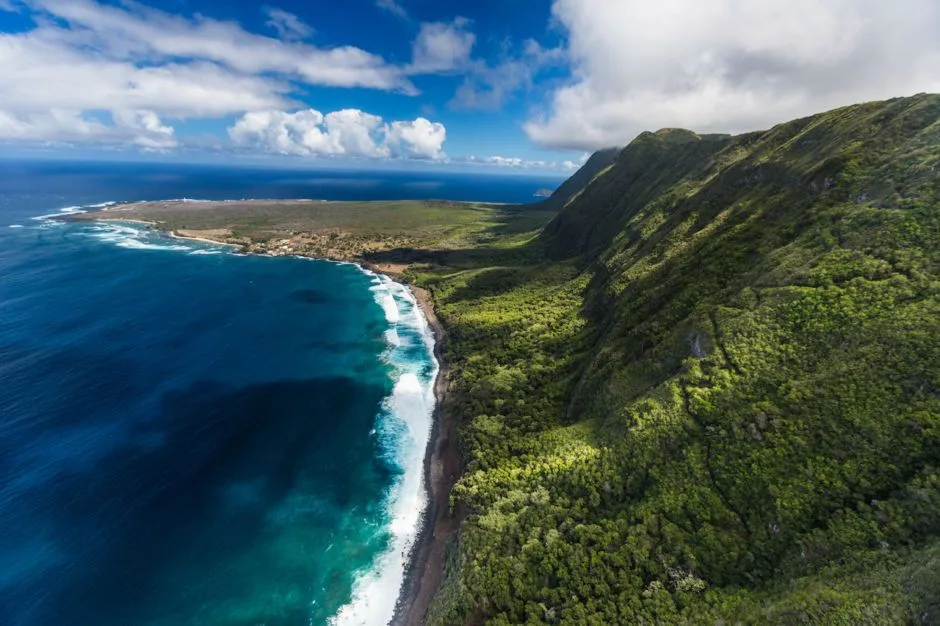
Looking across the water from southeast Oahu, you can easily spot land rising above the horizon on clear days. The closest island to oahu is Molokai, sitting directly across a narrow stretch of open ocean. Many visitors assume larger hubs like Maui or Kauai sit closer, but Molokai is physically the nearest by a wide margin.
The channel separating the two coastlines measures roughly 26 statute miles across. That short distance makes Molokai a striking backdrop from Oahu's eastern cliffs and ridgelines. Understanding this geography helps you plan day trips, scenic hikes, and interisland flights more effectively.
Image source: Web (Bing) / matadornetwork.com (Web image (fair-use with source credit))
Quick Answer: What Island Is Closest to Oahu?
The closest island to Oahu is Molokai. It sits 26 miles southeast across the Kaiwi Channel. Small uninhabited islets sit closer to local beaches.
However, Molokai is the closest major inhabited Hawaiian island.
You can often see Molokai's western ridgelines from eastern Oahu lookout points. While small rocks and bird sanctuaries sit just hundreds of feet offshore, Molokai remains the nearest main destination for travelers.
Flying between the two islands takes under thirty minutes. Despite the short distance, no public passenger ferry connects them. All travel between Oahu and Molokai requires commercial or chartered flights.
Geographic Distance: Oahu to Every Major Hawaiian Island Compared
Hawaii's main islands stretch across hundreds of miles of open Pacific waters. Oahu serves as the central hub of the state, but its distances to neighboring islands vary dramatically depending on whether you head northwest or southeast.
The Kaiwi Channel separates Oahu from Molokai. It is one of the narrower channels in the main island chain. In contrast, traveling northwest to Kauai requires crossing the Kaieie Waho Channel, which spans more than 70 miles of deep, turbulent water.
| Island | Separating Channel | Distance from Oahu | Typical Flight Duration |
|---|---|---|---|
| Molokai | Kaiwi Channel | 26 miles (42 km) | 25 to 30 minutes |
| Lanai | Kaiwi & Kalohi Channels | 60 miles (97 km) | 35 to 40 minutes |
| Kauai | Kaieie Waho Channel | 72 miles (116 km) | 40 to 45 minutes |
| Maui | Kaiwi & Pailolo Channels | 80 miles (129 km) | 35 to 40 minutes |
| Hawaii Island (Big Island) | Multiple Channels / Open Ocean | 170 miles (274 km) | 45 to 55 minutes |
As the data shows, Molokai sits less than half the distance of any other major island. Lanai and Maui follow behind it to the southeast. Kauai sits isolated to the northwest, requiring a longer flight across open ocean.
Offshore Islets vs. Major Neighbor Islands: Clearing Up the Confusion
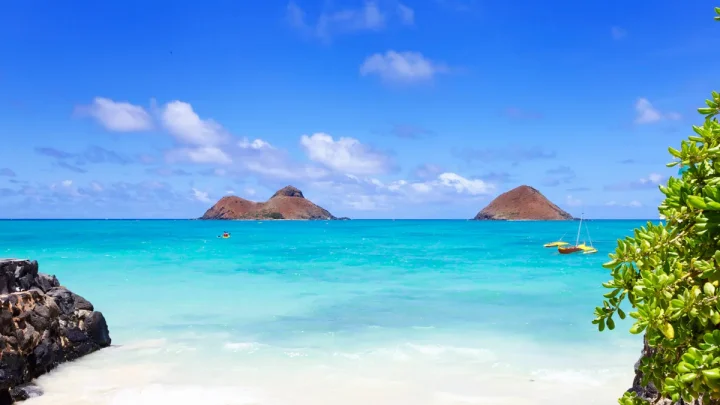
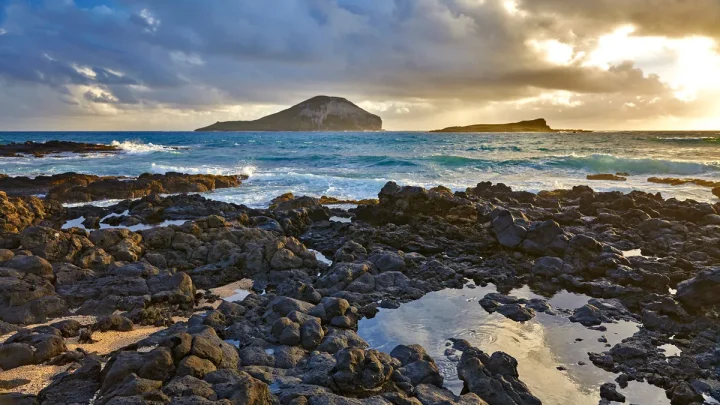
If you stand on Oahu's windward beaches, you will spot several landmasses just off the coast. These are not major neighbor islands. They are small offshore islets managed as state wildlife refuges.
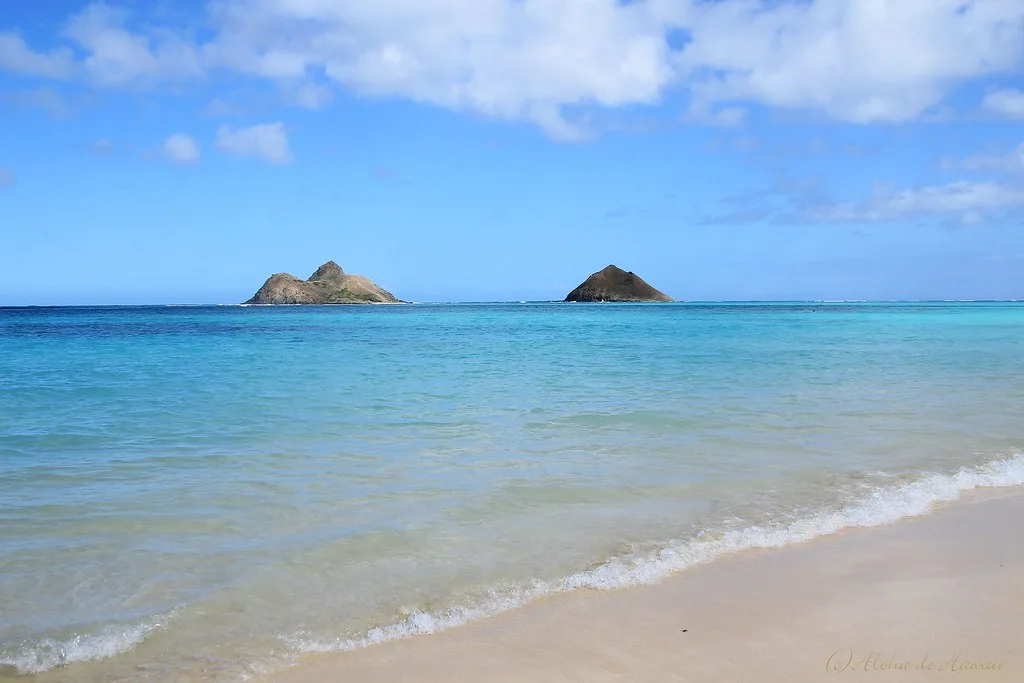
Image source: Web (Bing) / flickr.com (Web image (fair-use with source credit))
The most famous offshore formations include Na Mokulua, commonly called "The Mokes," located about three-quarters of a mile off Lanikai Beach. Another prominent landmass is Manana Island, also known as Rabbit Island, resting off Kaupo Beach near Makapuu.
These islets serve critical ecological roles. According to the Hawaii Department of Land and Natural Resources, most offshore rocks are strictly protected seabird sanctuaries.
- Na Mokulua (Moku Nui and Moku Iki): Popular for guided kayak trips. Landing is permitted only on the beach of the larger northern island.
- Manana Island (Rabbit Island): A volcanic tuff cone that is strictly closed to the public to protect nesting seabirds and Hawaiian monk seals.
- Kaohikaipu Island: Located directly next to Manana Island, this low-lying volcanic islet is also a protected sanctuary with no public access.
- Popoia Island (Flat Island): Located inside Kailua Bay. Visitors may land kayaks on the perimeter, but the interior bird nesting areas remain restricted.
Getting to Molokai: Flight Logistics, Transit Times, and the Ferry Myth
A widespread misconception among Hawaii travelers is that public passenger ferries run between Oahu and Molokai. No public passenger ferry or car ferry operates between these islands. A short-lived commercial ferry ceased operations years ago.
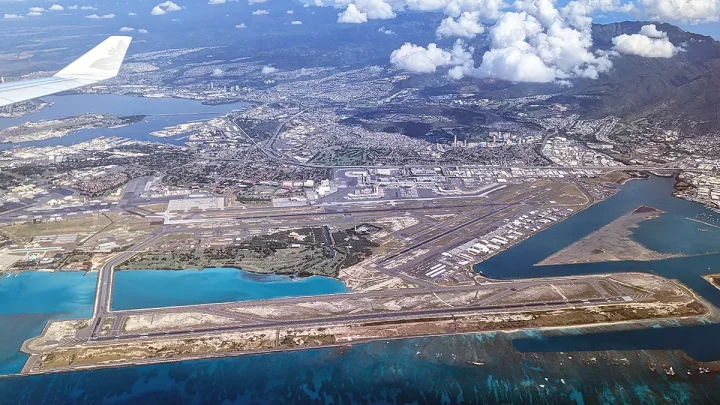
As of 2026, air travel is the only scheduled way to reach Molokai from Oahu. Major airlines do not operate large commercial jets into Molokai's airports. Instead, commuter carriers operate small turboprop planes out of Daniel K.
Inouye International Airport (HNL) in Honolulu.
Flights arrive at Hoolehua Airport (MKK) in central Molokai or Kalaupapa Airport (LUP) on the northern peninsula. Flight time averages 25 to 30 minutes from takeoff to touchdown.
Traveling on small commuter aircraft requires different preparation than flying on standard commercial jets.
- Luggage Weight Caps: Commuter airlines enforce strict baggage weight limits. Every bag is weighed at check-in.
- Passenger Weigh-Ins: Small 9-passenger turboprops require precise weight distribution for safety. You may be asked for your weight before boarding.
- Limited Daily Departures: Flights operate several times a day, but seats fill quickly during holidays and local events. Book your seats several weeks ahead.
Best Vantage Points on Oahu to See Neighboring Islands
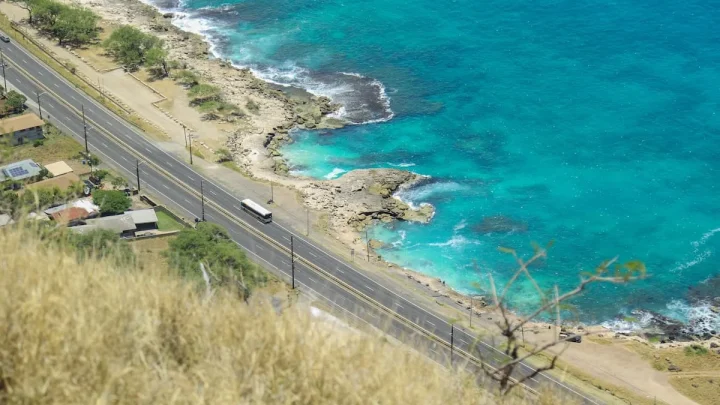
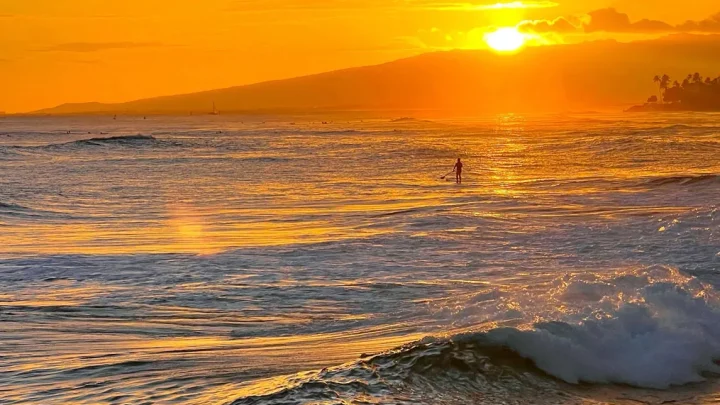
On clear days, you do not need to board a plane to experience Oahu's proximity to Molokai. The island is visible with the naked eye from multiple spots along Oahu's southeastern and eastern shorelines.
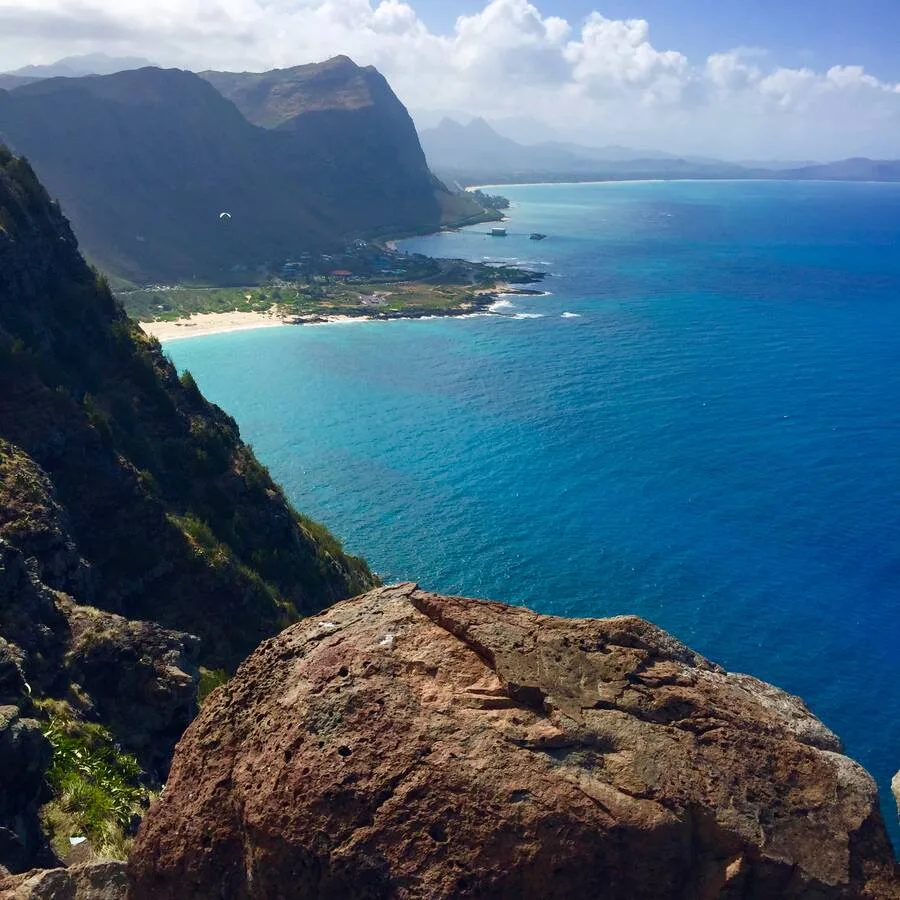
Image source: Web (Bing) / yahglobal.com (Web image (fair-use with source credit))
Visibility depends heavily on daily atmospheric conditions. Trade winds sweep away ocean haze and volcanic smog (vog), creating crystal-clear viewing windows. Winter mornings following cold fronts typically offer the sharpest views across the Kaiwi Channel.
Here are the best viewpoints on Oahu for spotting neighboring islands:
- Makapuu Point Lighthouse Trail: This paved coastal ridge hike offers an unobstructed view straight across the Kaiwi Channel. You can clearly see Molokai, and on exceptionally clear days, the summits of Lanai and Maui.
- Halona Blowhole Lookout: Located along Kalanianaole Highway, this roadside stop provides elevated ocean sightlines toward Molokai's western shoreline.
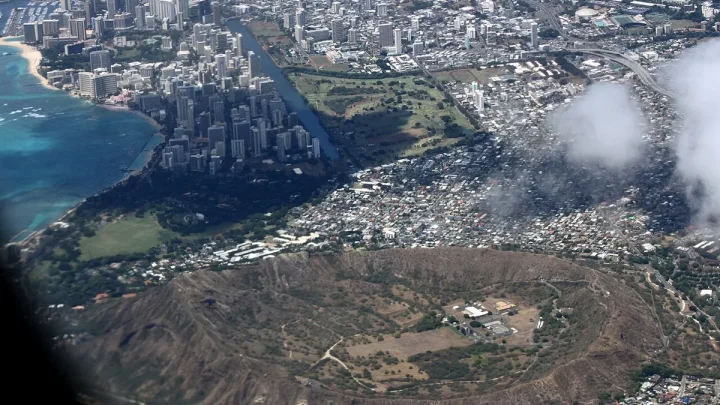
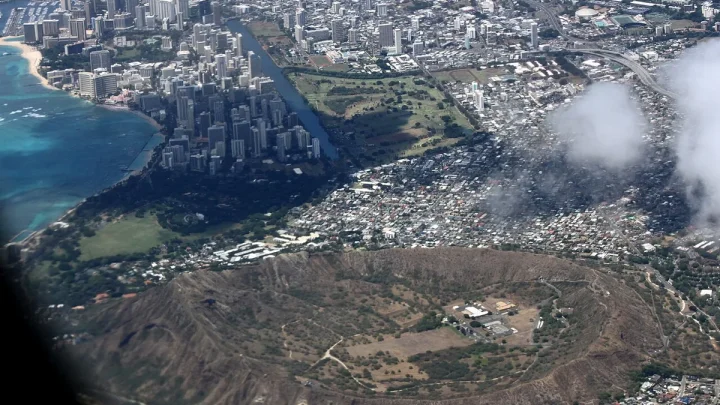
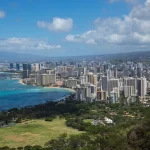
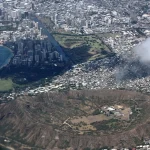
- Diamond Head Summit Trail: From the top of this historic crater, looking southeast gives you a panoramic view that captures Molokai resting on the horizon.
- Lanikai Pillbox Trail (Kaiwa Ridge): While famous for views of the Mokulua islets, the higher ridge peaks reveal the profile of Molokai stretching to the southeast.
Choosing Your Next Stop: Molokai vs. Maui vs. Kauai
Choosing the right island depends on what kind of trip you want. Geographic proximity does not always mean easier logistics.
Molokai is best for travelers wanting quiet landscapes, rich cultural heritage, and minimal commercial development. It has no mega-resorts, no traffic lights, and very few organized tours. If you want pristine natural beauty and rural tranquility, it is the clear winner.
Maui is the better choice if you want resort amenities, diverse dining, and easy transit. Dozens of commercial jet flights link Honolulu to Kahului Airport every day. It suits travelers looking for guided excursions, world-class snorkeling, and established infrastructure.
Kauai offers dramatic scenery like the Na Pali Coast and Waimea Canyon. It requires a slightly longer flight to the northwest, but it strikes a middle ground between Maui's bustling resort areas and Molokai's complete seclusion.
- Pick Molokai if: You want off-the-grid relaxation, empty beaches, and an authentic glimpse of rural Hawaiian life.
- Pick Maui if: You want direct jet flights, luxury hotels, upscale dining, and family-friendly activities.
- Pick Kauai if: You want dramatic hiking, lush rainforests, and outdoor adventure paired with comfortable accommodations.
Mistakes to Avoid When Planning a Trip to Oahu's Closest Neighbor
A common mistake is treating Molokai like Waikiki or Maui. It is a rural community with limited visitor infrastructure. Understanding how the island works ensures a smooth, respectful visit.
Never show up on Molokai without a reserved rental car. Public transit is virtually nonexistent, and rideshare apps do not operate on the island. Rental fleets are small, so vehicles sell out weeks in advance.
Do not plan a trip around late-night dining or shopping. Most local businesses and grocery stores close early in the evening. Many family-run restaurants also close on Sundays.
Respect local customs and private property. Molokai has a proud subsistence culture where fishing and farming sustain many households. Stay on public trails, heed posted signage, and respect cultural sites.
Finally, check interisland baggage allowances before packing. Commuter airlines flying out of Honolulu enforce strict size and weight restrictions for carry-on and checked bags.
Frequently Asked Questions About Islands Near Oahu
Can you take a ferry from Oahu to Molokai?
No public passenger ferry runs between Oahu and Molokai. The only scheduled way to travel between the islands is by booking a commuter flight from Daniel K. Inouye International Airport in Honolulu.
Can you see Molokai from Waikiki Beach?
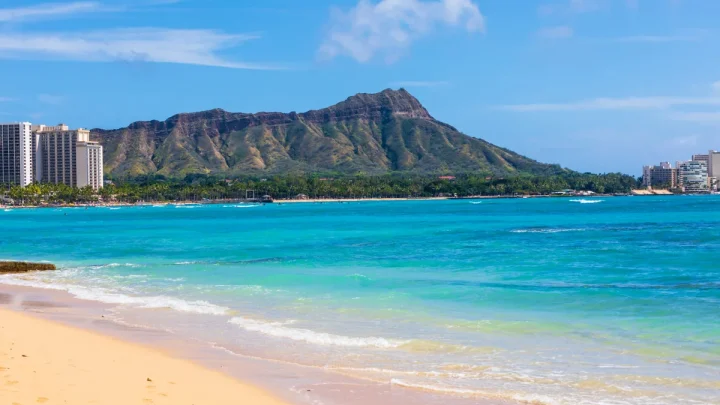
You generally cannot see Molokai from Waikiki because Diamond Head blocks the sightline to the east. To see Molokai, visit southeastern viewpoints like Makapuu Point, Sandy Beach, or the summit trail at Diamond Head.
What is the closest island to Oahu for a day trip?
Molokai is the closest major island for a day trip, taking under thirty minutes by air. However, Maui is often logistically simpler for day trips because major commercial airlines offer frequent daily flights between Honolulu and Kahului.
What are the two small islands off Lanikai Beach?
The two small islands off Lanikai Beach are Na Mokulua, commonly known as "The Mokes." They are state-protected seabird sanctuaries situated about three-quarters of a mile off Oahu's windward coast.
How wide is the ocean channel between Oahu and Molokai?
The Kaiwi Channel between Oahu and Molokai is roughly 26 statute miles wide. It reaches depths of over 2,000 feet and is known for strong ocean currents and rough open-water swells.

Similar Posts