What Is Oahu Known For? Top Sights, Food & Culture
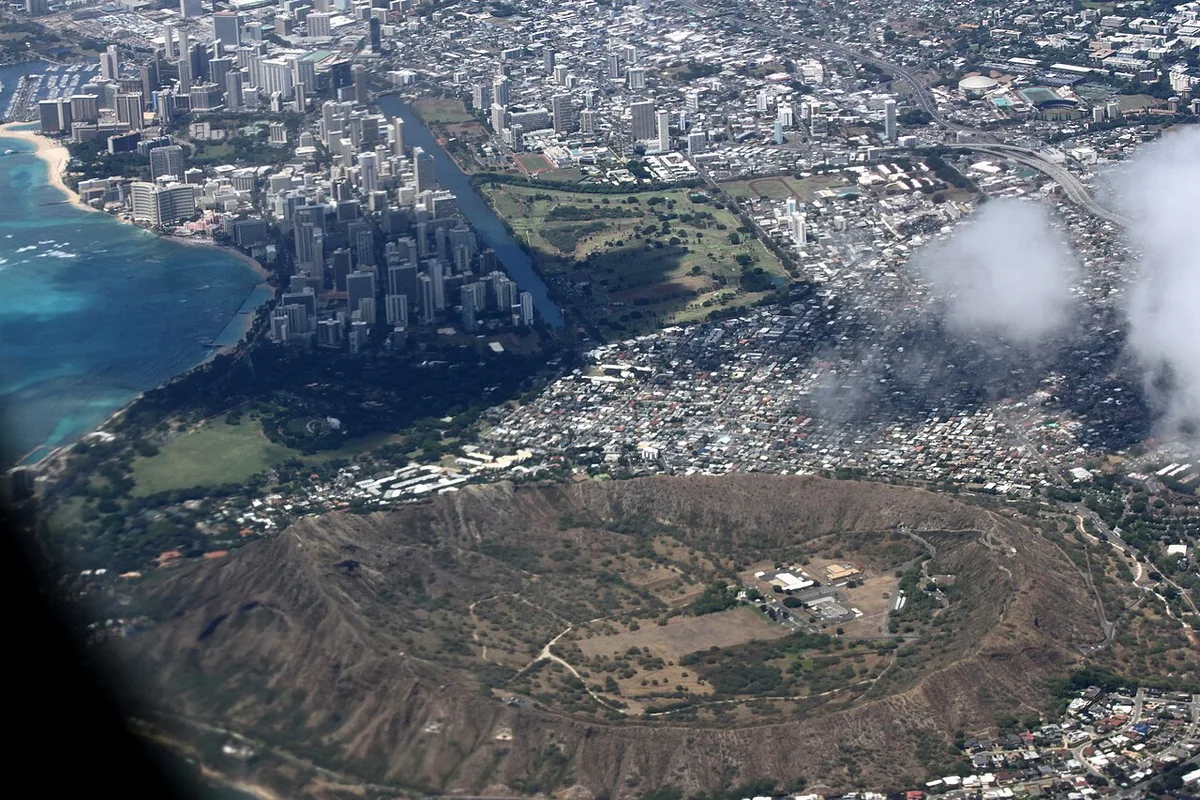
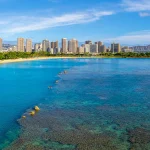
Planning a trip to Hawaii often brings up one major question: what is Oahu known for? The island balances energetic urban life, deep historical sites, and quiet tropical shorelines across just 597 square miles.
It serves as the commercial and cultural hub of the state, housing roughly two-thirds of Hawaii's total population. As of 2026, millions of travelers head to Oahu each year to explore its famous surf breaks, volcanic craters, and landmark monuments.
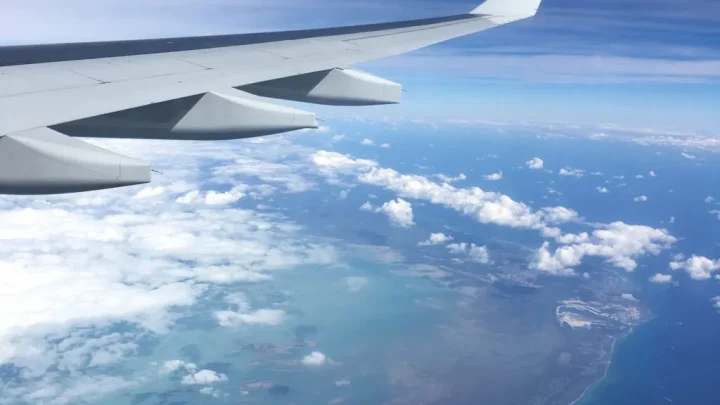
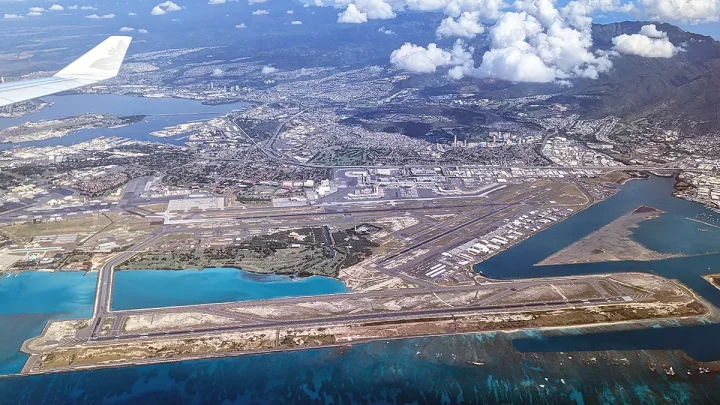
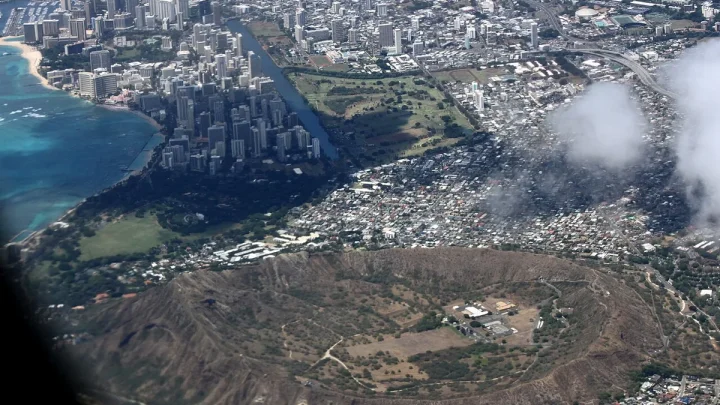
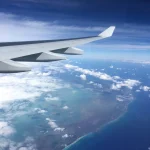
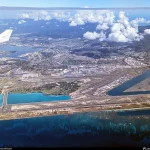
Image source: Wikimedia Commons / Prayitno / Thank you for (12 millions +) view from Los Angeles, USA (CC BY)
Quick Answer
Oahu is known for its blend of Hawaiian history, big-wave surfing, and lively city life. Major landmarks include Pearl Harbor, Waikīkī Beach, and Diamond Head. The North Shore is famous for winter surf competitions.
The island also features rich culinary traditions, sacred valleys, and distinct multicultural heritage.
The Core Identity: Why Oahu Is Called "The Gathering Place"
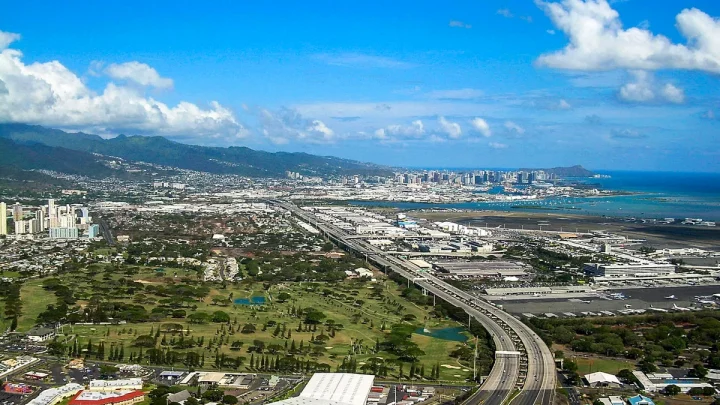
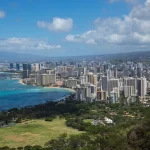
In the Hawaiian language, Oahu is traditionally known as The Gathering Place. This name reflects both its historical role in uniting royalty and its modern status as Hawaii's political and economic center. Honolulu, the state capital, sits along the island's southern coast.
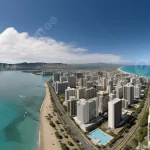
It offers a dense urban core filled with high-rise hotels, international businesses, and residential high-rises.
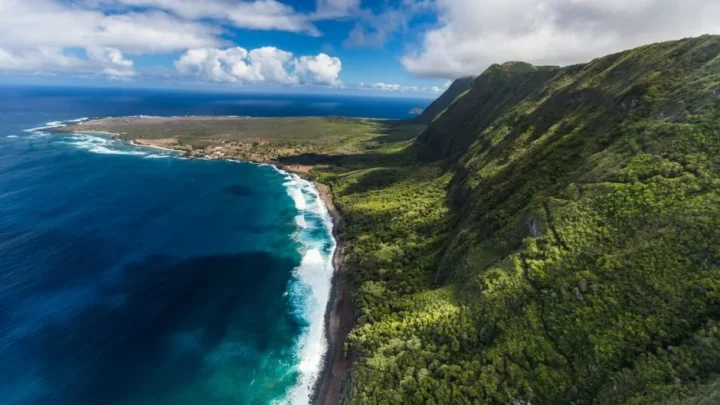
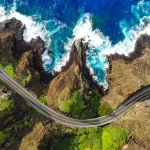
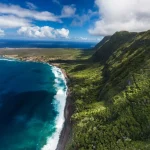
Step outside the city center, and the landscape changes fast. The dramatic emerald cliffs of the Koʻolau Mountain Range tower over quiet residential towns and windward bays. You get the convenience of a modern metropolis alongside ancient agricultural valleys and protected marine life.
Oahu brings together diverse cultural traditions. Native Hawaiian customs blend seamlessly with Japanese, Filipino, Chinese, and Portuguese influences. This mixture shapes everything from neighborhood festivals to local speech and daily island etiquette.
World-Shaping History: Pearl Harbor, Iolani Palace, and Royal Legacies
Oahu holds a unique place in global and royal history. It contains the only official royal palace on American soil, located in downtown Honolulu. The island also marks the site where the United States entered World War II following the attack on December 7, 1941.
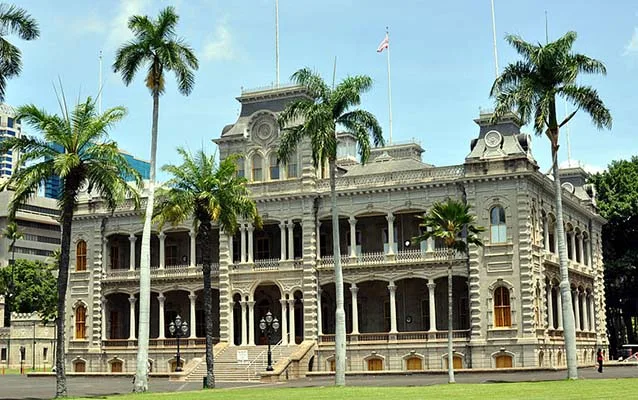
Image source: Bing (Web (fair-use with source credit))
Iolani Palace served as the residence of the Kingdom of Hawaii’s last reigning monarchs, King Kalākaua and Queen Liliʻuokalani. Built in 1882, it featured modern innovations like electric lights and indoor plumbing before the White House had them. Touring the palace provides critical context on Hawaiian sovereignty and the overthrow of the monarchy.
Further west along the coast sits the Pearl Harbor National Memorial, managed by the National Park Service. Visitors can view the USS Arizona Memorial, which rests directly above the sunken battleship. The historic complex also includes the Battleship Missouri Memorial, the Pacific Fleet Submarine Museum, and the Pearl Harbor Aviation Museum.
| Historical Site | Location | Primary Focus | Key Logistics |
|---|---|---|---|
| Iolani Palace | Downtown Honolulu | Hawaiian Monarchy & Royal History | Guided or audio tour required |
| Pearl Harbor (USS Arizona) | Central Oahu / Halawa | World War II History & Memorial | Advance online reservation needed |
| Bishop Museum | Kalihi (Honolulu) | Polynesian Culture & Natural History | Daily general admission tickets |
| Queen Emma Summer Palace | Nuʻuanu Valley | Royal Retreat & 19th-Century Artifacts | Open for self-guided walk-throughs |
The Global Surf Capital: Banzai Pipeline, Waimea Bay, and the North Shore
During the winter months, the North Shore of Oahu transforms into the center of the global surfing community. Powerful storms across the North Pacific send massive swells crashing into shallow coral reefs. This dynamic creates waves that easily reach 20 to 40 feet in height.
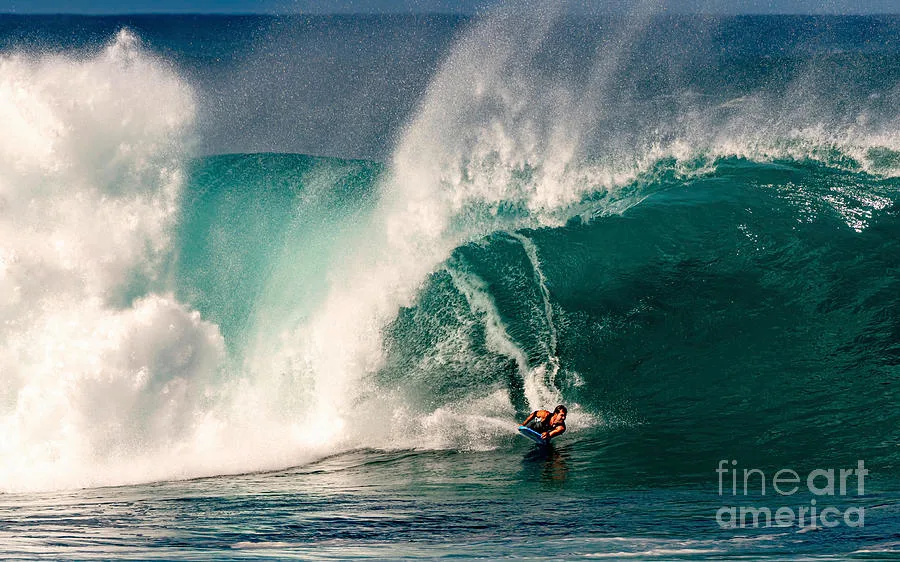
Image source: Web (Bing) / fineartamerica.com (Web image (fair-use with source credit))
Banzai Pipeline (Ehukai Beach) is famous for its heavy, barreling reef waves. Waimea Bay stands as the historic birthplace of big-wave surfing, while Sunset Beach features wide, peeling peaks. Together, these breaks host the prestigious Triple Crown of Surfing events each winter.
If you visit between November and February, you can watch professional surfers tackle these giant waves directly from the sand. In the summer, those same shorelines turn completely flat. The calm summer water creates prime conditions for swimming, stand-up paddleboarding, and snorkeling around Shark's Cove.
Local Food Culture: From Kahuku Garlic Shrimp to Authentic Poke
Oahu's food scene reflects its plantation history, when immigrant workers from Asia and Europe shared meals in the sugarcane fields. That history created modern Hawaiian plate lunches, which pair white rice and macaroni salad with savory meats.
Fresh seafood defines daily eating across the island. Poke, made from raw, cubed ahi tuna tossed with sesame oil, soy sauce, and sea salt, is available everywhere from local grocery counters to high-end restaurants.
On the North Shore, old plantation towns like Kahuku host lines of casual food trucks serving fresh garlic shrimp. For dessert, locals and travelers head to historic spots for shave ice topped with sweet azuki beans, sweetened condensed milk, and tangy li hing mui powder.
- Poke: Fresh marinated raw fish, traditionally seasoned with limu (seaweed) and ʻinamona (roasted kukui nut).
- Loco Moco: White rice topped with a beef patty, a fried egg, and rich brown gravy.
- Garlic Shrimp: North Shore plate lunch standard cooked with heavy butter, garlic, and lemon.
- Saimin: A warm noodle soup derived from Japanese ramen, Chinese mein, and Filipino flavors.
- Shave Ice: Ultra-fine shaved ice drizzled with tropical fruit syrups and rich toppings.
Dramatic Natural Wonders: Hanauma Bay, Kualoa Ranch, and Windward Shores
Beyond its towns and historic districts, Oahu features distinct geological wonders shaped by millions of years of volcanic activity and erosion.
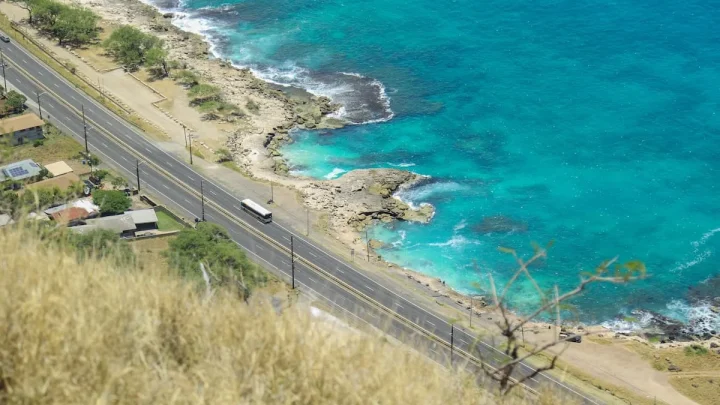
Hanauma Bay Nature Preserve sits inside an extinct volcanic cone on the southeastern coast. It functions as a protected marine sanctuary, sheltering hundreds of tropical fish species and green sea turtles (honu). To protect the delicate marine environment, local conservation laws strictly manage daily visitor access.
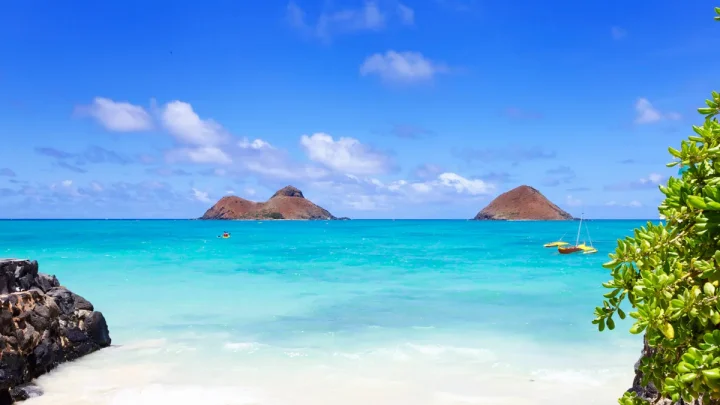
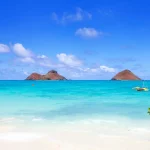
On the eastern Windward Coast, the landscape shifts into lush greenery backed by the jagged Koʻolau peaks. Here, you will find Lanikai Beach and Kailua Beach, known for powder-soft white sand and calm turquoise waters.
Further north along this coast lies Kualoa Ranch, a private nature reserve spanning three expansive valleys. This rugged landscape has served as the filming backdrop for dozens of major Hollywood productions, including Jurassic Park.
Oahu Travel Decision Framework: Matching Island Regions to Your Priorities
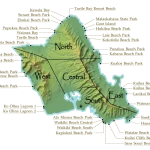
Planning an itinerary on Oahu depends on the specific experiences you want to prioritize. The island features distinct microclimates, roadway layouts, and cultural vibes across its four main quadrants. Using an if/then approach helps you decide where to spend your time.
                  [What is your primary travel goal?]
                                   |
    +------------------+-----------+-----------+------------------+
    |                  |                       |                  |
[Resorts, Dining,  [Calm Beaches,          [Big Surf,         [Quiet Sunsets,
 & Nightlife]       Lush Scenery]           Food Trucks]       Resort Lagoons]
    |                  |                       |                  |
    v                  v                       v                  v
[South Shore]      [Windward Coast]        [North Shore]      [Leeward Coast]
(Waikīkī/Honolulu) (Kailua/Kāneʻohe)       (Haleiwa/Waimea)   (Ko Olina/Mākaha)
The South Shore (Honolulu & Waikīkī)
If you want walkable dining, vibrant nightlife, world-class shopping, and historic museums, focus on the South Shore. Waikīkī Beach offers calm surf breaks ideal for beginner lessons, backed by major resorts. You can easily navigate this area without a rental car by using rideshares, walking, or riding public transit.
The Windward Coast (Kailua & Kāneʻohe)
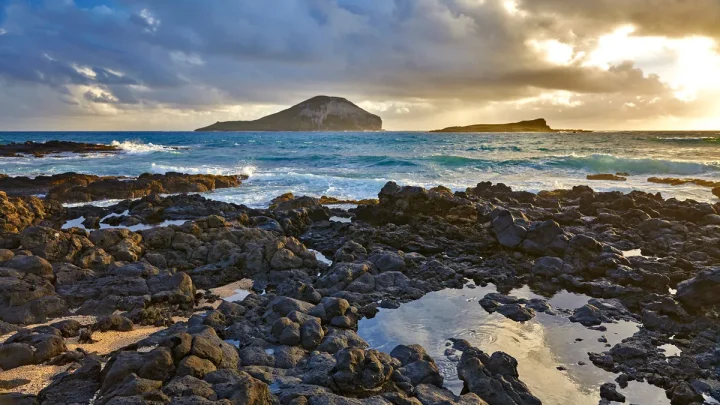
If you prefer quieter beach towns, dramatic green mountains, and gentle waters for kayaking, head east. Towns like Kailua offer residential charm with fewer hotel towers. This region is home to scenic viewpoints like the Nuʻuanu Pali Lookout and calm ocean access near the offshore Mokulua Islands.
The North Shore (Haleiwa to Kahuku)
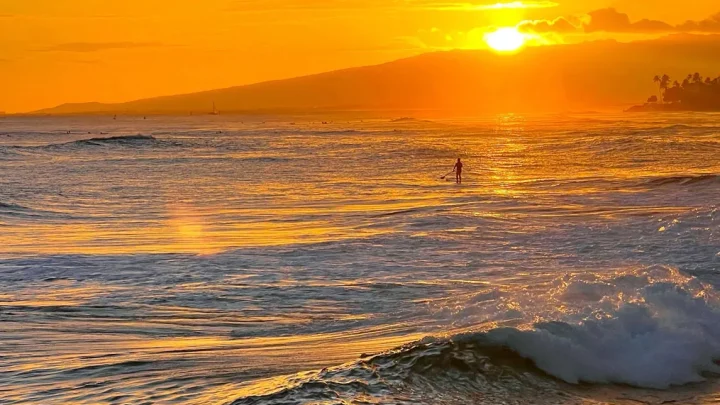
If you want rural surf culture, casual roadside eateries, and wide-open beaches, head north. Historic Haleiwa Town features local art galleries, surf shops, and plantation architecture. Winter brings heavy surf crowds, while summer offers peaceful coastal conditions.
The Central Valley & Leeward Coast
If you want dry, sunny resort lagoons or rural coastal exploration, choose the western side. Ko Olina features tranquil, man-made swimming lagoons popular with families. Further north along the Waiʻanae Coast, you will find rugged mountain backdrops, uncrowded beaches, and hiking routes leading to Kaʻena Point.
Critical Visitor Rules: Permit Logistics, Ocean Safety, and Island Etiquette
Making the most of Oahu requires understanding local reservation systems, legal guidelines, and environmental rules before heading out.
       [Permit Booking Windows]
+--------------------+---------------------+
| Hanauma Bay        | 2 Days Ahead (7 AM) |
| Diamond Head       | 30 Days Ahead       |
| Pearl Harbor (NPS) | 56 Days Ahead       |
+--------------------+---------------------+
- Permit Reservations: Secure reservations online in advance for major state and federal parks. Diamond Head State Monument and Hanauma Bay Nature Preserve both require timed entry slots for non-residents.
- Sunscreen Laws: Hawaii state law bans over-the-counter sunscreens containing oxybenzone and octinoxate. Use only mineral-based sunscreens with non-nano zinc oxide or titanium dioxide to protect coral reefs.
- Wildlife Distances: Maintain a legal buffer of at least 10 feet from green sea turtles (honu) and 50 feet from endangered Hawaiian monk seals, per guidelines from NOAA Fisheries.
- Ocean Awareness: Shorebreaks and rip currents can be hazardous, particularly during winter swells. Always swim near an active lifeguard station and check warning flags before entering the water.
Frequently Asked Questions About What Oahu Is Known For
Why is Oahu called The Gathering Place?
Oahu earned the nickname The Gathering Place because it historically brought together Hawaiian royalty and chiefs for important political council. Today, it remains the state's central hub, home to roughly two-thirds of Hawaii's population and the majority of its commerce.
What is the most famous landmark on Oahu?
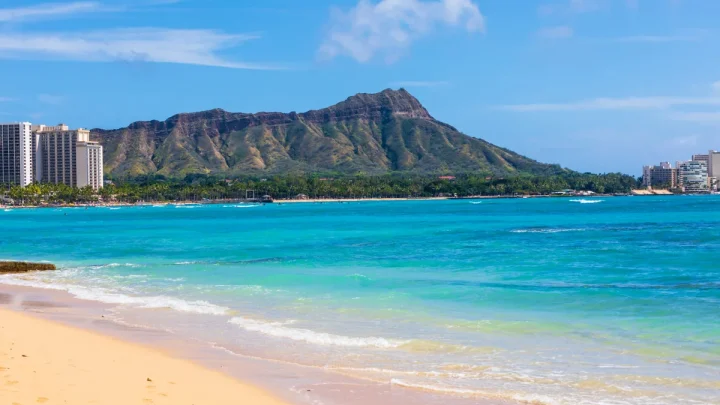
Diamond Head State Monument (Lēʻahi) and Pearl Harbor are the most recognized landmarks. Diamond Head offers a historic crater hike with panoramic views over Honolulu, while Pearl Harbor preserves pivotal World War II naval history.
Is Oahu known for good food?
Yes, Oahu is famous for its diverse local food scene rooted in plantation-era immigrant culture. Popular local specialties include fresh ahi poke, North Shore garlic shrimp, warm bowls of saimin, hearty loco mocos, and tropical shave ice.
How is Oahu different from other Hawaiian islands?
Oahu is significantly more developed than neighboring islands like Maui, Kauai, or the Big Island. It uniquely combines a bustling metropolitan skyline and extensive public transit with rural surf towns, dramatic mountain ridges, and historic royal palaces.

Similar Posts