How Many People Live on Oahu? Population Facts & Stats
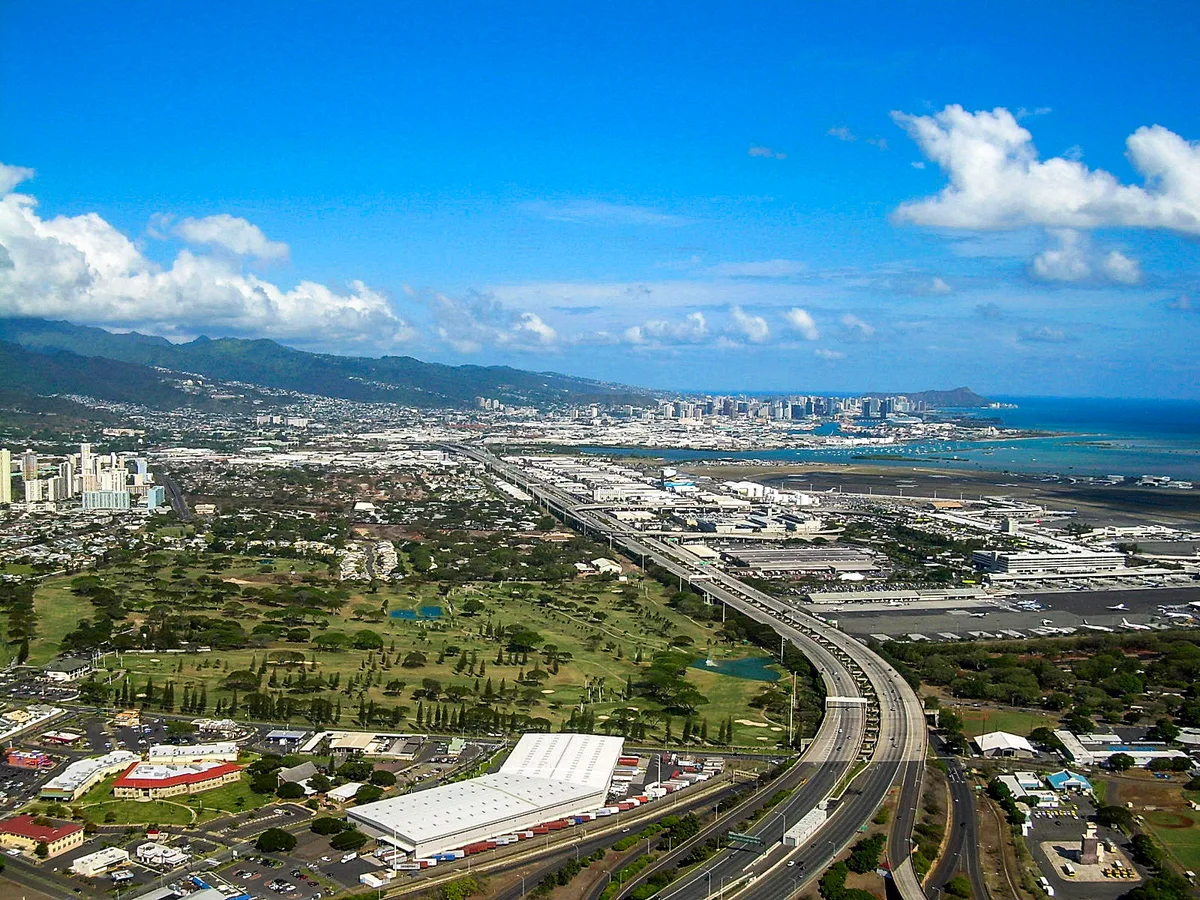
If you are planning a move or booking a trip, you probably wonder how many people on oahu share the island. The answer depends on whether you count just local residents or everyone physically standing on the island on any given day. It is easy to assume an island feels small until you see its true crowd numbers.
According to official demographic data from the U.S. Census Bureau, Oahu has a permanent resident count hovering just under one million people. When you add daily visitors and stationed military forces, that daily headcount shifts substantially.
Here is a clear breakdown of the real numbers across the island as of 2026.
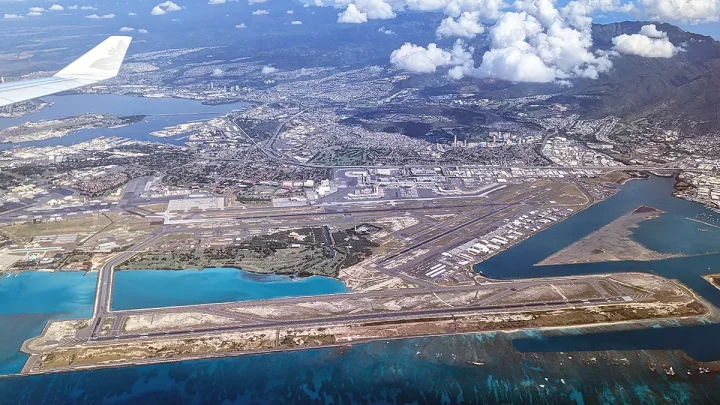
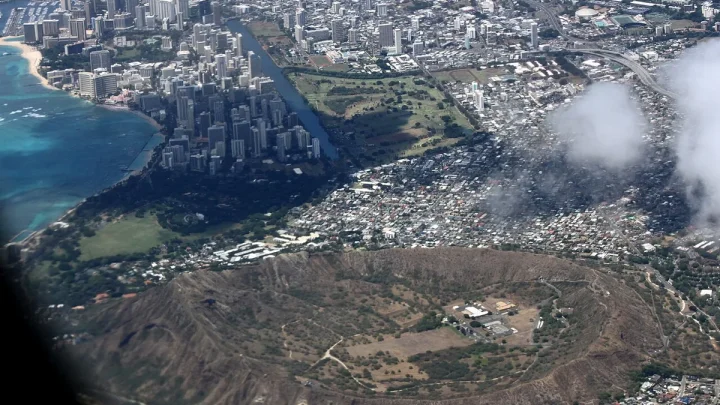
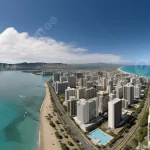
Image source: Bing (Web (fair-use with source credit))
Quick Answer: How Many People on Oahu?
Oahu has roughly 995,000 permanent residents today.
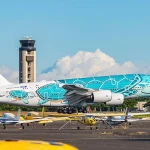
Tourism adds about 110,000 visitors to the island daily.
Stationed military personnel and dependents account for another 65,000 people.
That brings the total daily population to over 1.1 million people.
About 70 percent of Hawaii's entire population lives on Oahu.
Resident Headcount vs. De Facto Island Population: Why the Real Numbers Feel Bigger
Census figures only capture permanent addresses. When researchers measure the true pressure on island roads, beaches, and water systems, they calculate the de facto population. The de facto count represents the total number of physical human beings present on the island on an average day.
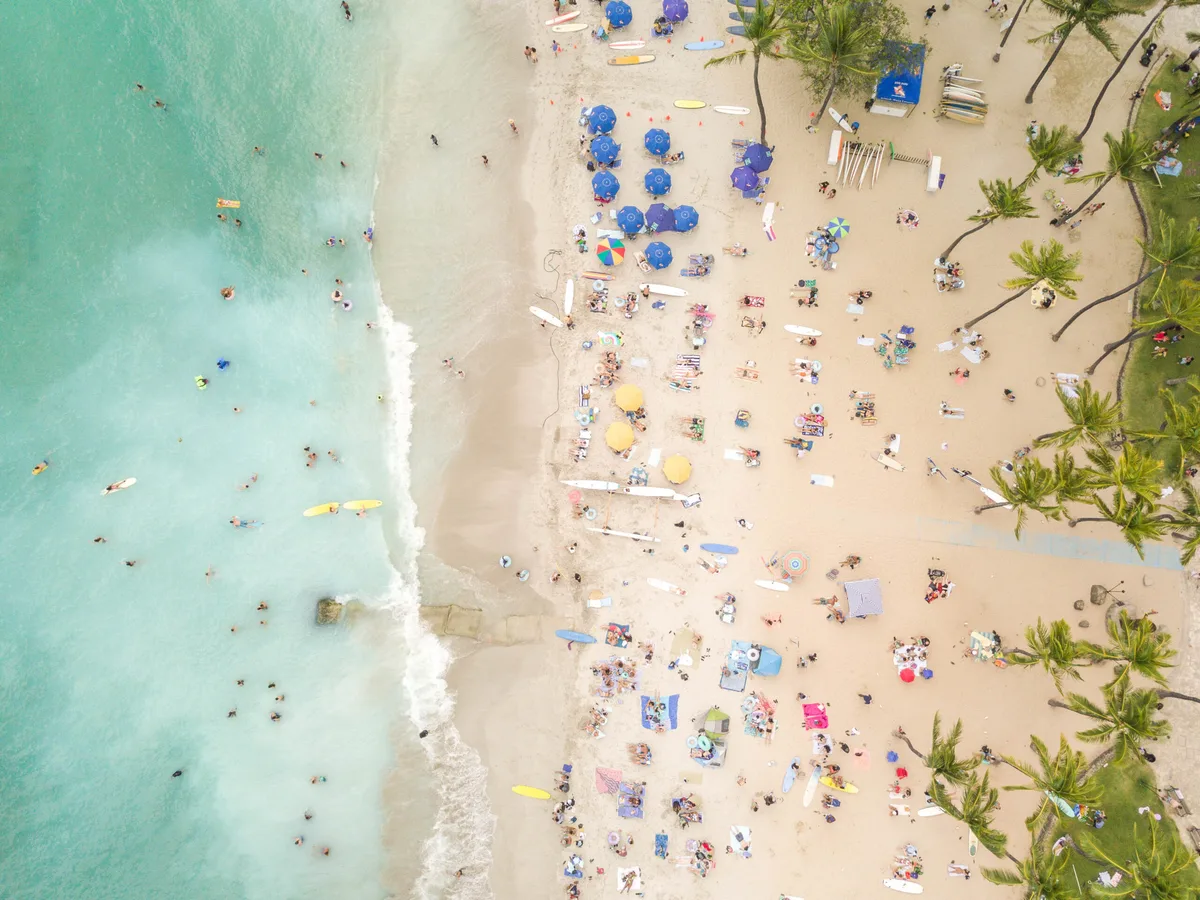
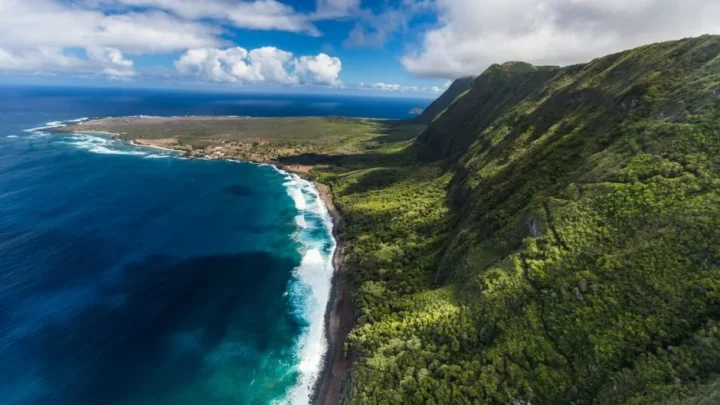
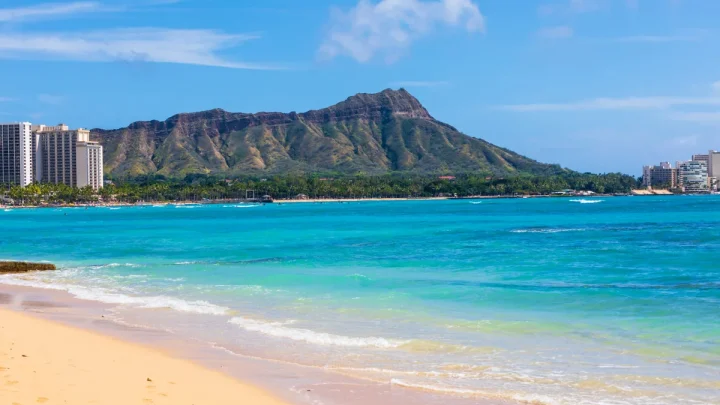
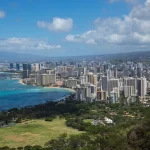
Image source: Web (Bing) / ar.inspiredpencil.com (Web image (fair-use with source credit))
According to reports by the Hawaii Department of Business, Economic Development and Tourism, Oahu hosts over 100,000 tourists at any given moment. Adding those visitors to local residents and rotating military units pushes the physical headcount past 1.15 million people. That floating population explains why beaches and highways feel significantly busier than local census tables suggest.
| Population Group | Estimated Headcount | Share of Daily Island Presence |
|---|---|---|
| Permanent Residents | ~995,000 | 85% |
| Daily Tourists and Visitors | ~110,000 | 9.5% |
| Active Military and Dependents | ~65,000 | 5.5% |
| Total Daily De Facto Load | ~1,170,000 | 100% |
Geographic Breakdown: Where Oahu’s Population Actually Lives
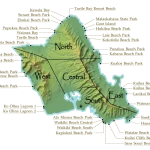
Oahu spans 597 square miles, but people do not live evenly across the land. Steep mountain ridges, protected watersheds, and agricultural reserves keep large portions of the island unbuilt. As a result, the population clusters into distinct geographical zones.
The Urban Core: Honolulu, Waikiki, and Kakaako
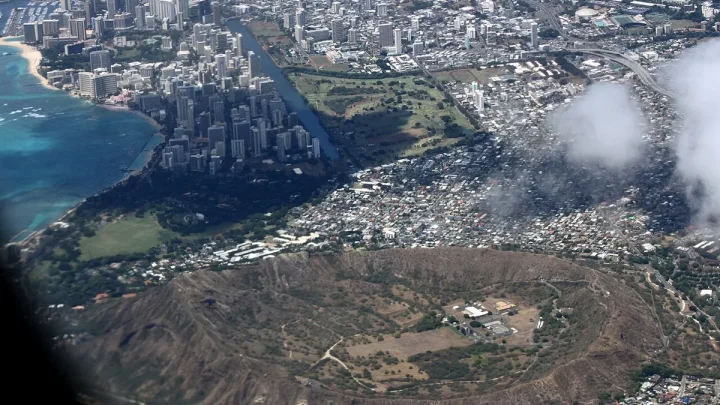
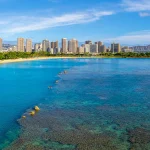
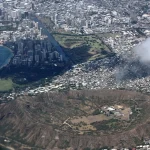
The southern coastal strip holds the heaviest concentration of people. Honolulu proper contains high-rise residential towers, state government headquarters, and major commercial hubs.
Urban Honolulu exceeds 5,000 people per square mile. In high-density neighborhoods like Makiki, Kapiolani, and Waikiki, that number climbs even higher.
The Growing West Side: Kapolei and the Ewa Plain
Decades ago, regional planners designated Kapolei as Oahu's "Second City" to relieve housing pressure on downtown Honolulu. Master-planned suburban subdivisions across the Ewa Plain have absorbed the largest share of new families.
Today, this region is one of the fastest-growing sectors on Oahu. The rapid growth has outpaced highway expansion, creating heavy commuter demand along western corridors.
Central Oahu and the Windward Coast
Central Oahu features large master-planned communities like Mililani and historic plantation towns like Wahiawa. These inland neighborhoods offer family housing for both civilians and military personnel stationed at nearby bases.
Across the Koʻolau Mountains, the Windward side includes Kaneohe and Kailua. These coastal communities maintain lower housing density, greener landscapes, and strict zoning caps on new high-rise builds.
The North Shore and Leeward Pockets
The North Shore remains intentionally rural. Towns like Haleiwa and Pupukea hold only a tiny fraction of the island's resident population. Strict community plans protect open farmland and preserve the coastline from major residential sprawl.
The Leeward Coast stretches along the western shoreline from Nanakuli to Makaha. It is home to deep-rooted local and Native Hawaiian communities, buffered from the commercial density of the south shore.
How Oahu’s Population Compares to the Rest of Hawaii
Hawaii consists of eight main islands, but Oahu holds the vast majority of the state's residents. Known historically as "The Gathering Place," Oahu serves as the economic, political, and cultural center for the entire archipelago.
| Island | Resident Population | Land Area (Sq. Miles) | Population Density (Per Sq. Mi.) |
|---|---|---|---|
| Oahu | ~995,000 | 597 | ~1,666 |
| Hawaii Island (Big Island) | ~206,000 | 4,028 | ~51 |
| Maui | ~165,000 | 727 | ~227 |
| Kauai | ~73,000 | 552 | ~132 |
| Molokai | ~7,300 | 260 | ~28 |
| Lanai | ~3,100 | 140 | ~22 |
While Hawaii Island is nearly seven times larger in physical landmass, Oahu holds almost five times as many people. This concentration makes Oahu the only island in the state with a true metropolitan character.
Demographic Makeup: Ethnicity, Age, and the Military Presence
Oahu is one of the most ethnically diverse counties in the United States. No single ethnic group forms a numerical majority on the island.
Census figures show that roughly 38 percent of residents identify as Asian, including strong Japanese, Filipino, and Chinese heritages. Native Hawaiians and other Pacific Islanders make up about 10 percent of the population. Individuals identifying as multiracial account for nearly a quarter of all residents, reflecting generations of blended family lines.
Active-duty service members and their families represent a notable portion of the community. Major installations like Joint Base Pearl Harbor-Hickam, Schofield Barracks, and Marine Corps Base Hawaii maintain a constant population flow through island neighborhoods and local schools.
The Real-World Impact of Density on Daily Life: Traffic, Housing, and Infrastructure
Cramming more than one million daily occupants onto a single island creates distinct logistical hurdles. With limited buildable flat land between the Koolau and Waianae mountain ranges, everyday infrastructure operates close to maximum capacity.
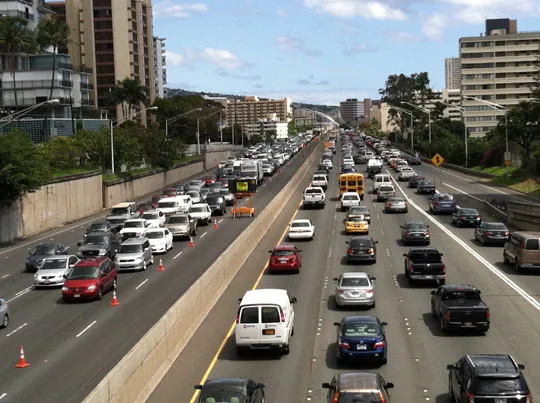
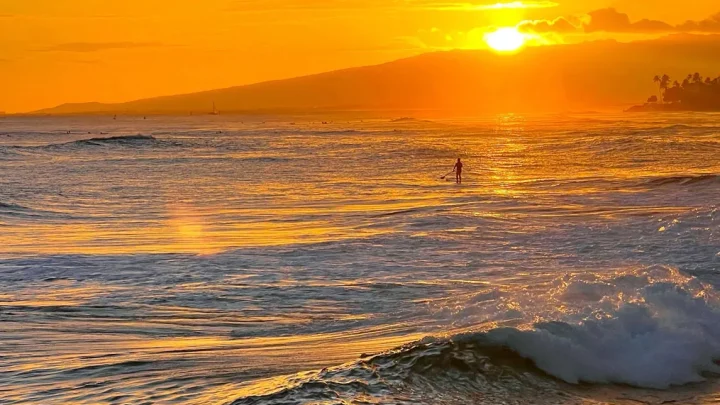
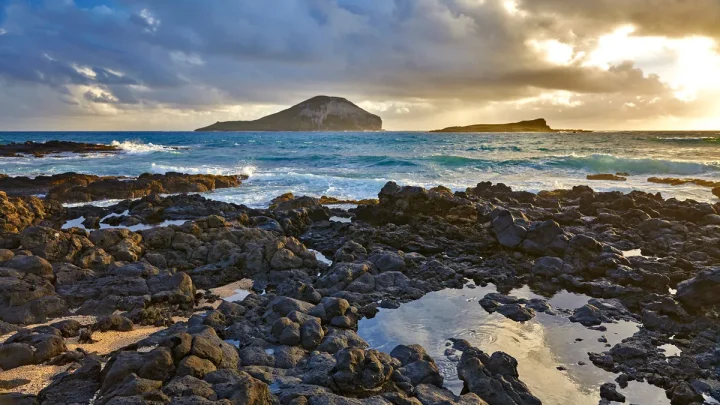
Image source: Web (Bing) / staradvertiser.com (Web image (fair-use with source credit))
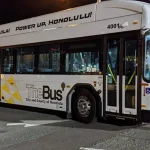
Traffic congestion along the Interstate H-1 corridor remains a daily reality for commuters. Bottlenecks frequently form during morning and evening rush hours between West Oahu and downtown Honolulu. The city built the Skyline rail transit system specifically to give commuters an alternative to gridlocked highways.
Housing availability is another major challenge tied to density. Strict agricultural protections and geographical barriers limit outward suburban expansion. As a result, home purchase prices and rental rates rank among the highest in the United States.
Public utilities also manage high resource demands. Municipal departments actively manage fresh water extraction from central underground aquifers to prevent saltwater intrusion. At the same time, high visitor traffic requires reservation systems at sensitive natural parks like Hanauma Bay and Diamond Head.
Current Population Trends: Why Oahu Is Losing Residents to the Mainland
Oahu's resident population has declined slightly over recent years. While the island saw decades of steady post-statehood growth, recent census updates show a pattern of negative net domestic migration. More long-term residents are moving to the mainland than people arriving from other states.
Economic pressures drive the vast majority of these relocations. The gap between median household wages and island housing costs creates financial friction for working families. High shipping expenses also keep grocery and electricity bills significantly above national averages.
Many departing residents relocate to states with lower costs of living, such as Nevada, Texas, and Washington. Las Vegas has absorbed so many former Hawaii locals that it is commonly called Hawaii's "Ninth Island."
Despite resident departures, overall daily crowd levels remain steady. High tourism numbers and regular military rotations continue to balance out the local population shifts.
Oahu Population and Demographics: Frequently Asked Questions
Is Oahu the most populated island in Hawaii?
Yes. Oahu holds about 70 percent of Hawaii's total population. Even though Hawaii Island has a much larger land area, Oahu is the undisputed economic, political, and cultural population center of the state.
How many tourists visit Oahu every day?
Around 100,000 to 120,000 tourists are present on Oahu on any given day. Most visitors stay in the Waikiki hotel district, which concentrates tourist foot traffic along the south shore.
What is the population density of Oahu?
Oahu has an overall density of roughly 1,666 people per square mile. In urban areas like downtown Honolulu and Makiki, neighborhood density easily exceeds 5,000 residents per square mile.
Why is Oahu called The Gathering Place?
Oahu earned the nickname because it has historically served as the main meeting ground for Hawaiian royalty, commerce, and social gatherings. Today, the name fits its role as home to the majority of Hawaii's people.
How big is the military population on Oahu?
Active-duty service members and their dependents account for about 65,000 people on Oahu. Several major military bases across the island host personnel from every branch of the armed forces.

Similar Posts