When Is Sunset in Oahu? Monthly Times & Best Spots
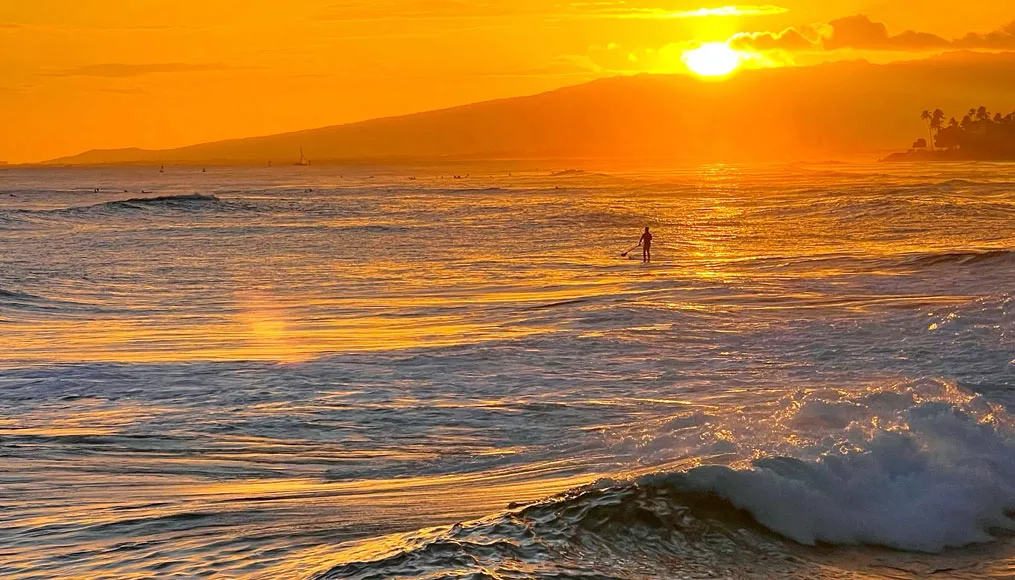
Planning an evening on the beach means knowing exactly when is sunset in Oahu so you do not miss the golden hour. Sunset times on the island range from roughly 5:48 PM in early winter to 7:17 PM in midsummer. Hawaii sits near the equator, so daylight changes far less throughout the year than on the mainland.
Astronomical data from the National Oceanic and Atmospheric Administration shows Oahu experiences only about two and a half hours of daylight fluctuation between the solstices. Because Hawaii stays on Hawaii Standard Time year-round, your evening schedule remains steady. Here is the complete breakdown of monthly sunset times, lighting windows, and prime viewing spots across the island.
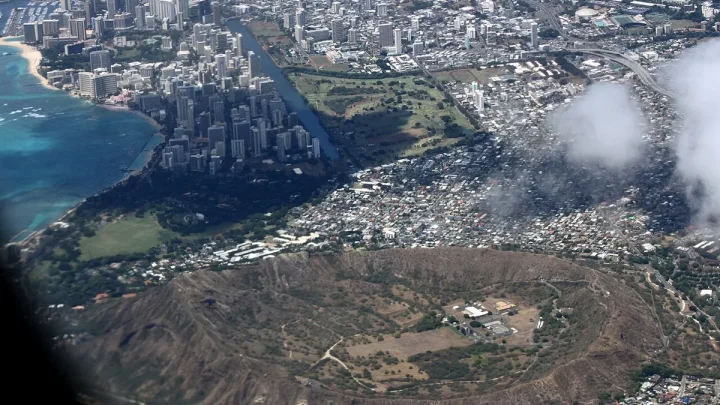
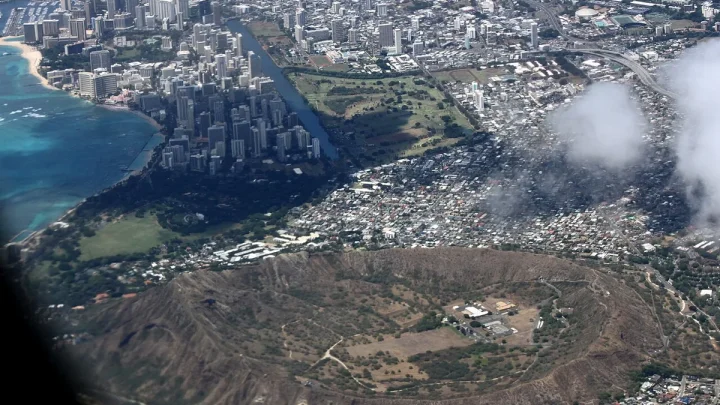
Image source: Web (Bing) / aloha-hawaiian.com (Web image (fair-use with source credit))
Quick Answer
Sunset on Oahu happens between 5:48 PM and 7:17 PM. Winter sunsets occur between 5:48 PM and 6:15 PM. Summer sunsets occur between 7:00 PM and 7:17 PM.
Hawaii uses Hawaii Standard Time and never observes Daylight Saving Time. Arrive at your viewpoint 45 minutes early for the best colors.
Oahu Sunset Times by Month and Season
Sunset times across Oahu follow a predictable annual cycle. The earliest sunset occurs in late November and early December at 5:48 PM. The latest sunset lands in early July at 7:17 PM.
The transition happens gradually each month. As of 2026, the standard solar cycle produces the following monthly sunset patterns across the island:
| Month | Average Sunset Time | Golden Hour Start | Total Day Length |
|---|---|---|---|
| January | 6:05 PM | 5:15 PM | 10 hrs 55 mins |
| February | 6:25 PM | 5:35 PM | 11 hrs 25 mins |
| March | 6:40 PM | 5:50 PM | 12 hrs 05 mins |
| April | 6:50 PM | 6:00 PM | 12 hrs 40 mins |
| May | 7:05 PM | 6:15 PM | 13 hrs 15 mins |
| June | 7:15 PM | 6:25 PM | 13 hrs 30 mins |
| July | 7:17 PM | 6:25 PM | 13 hrs 25 mins |
| August | 7:00 PM | 6:10 PM | 12 hrs 55 mins |
| September | 6:35 PM | 5:45 PM | 12 hrs 15 mins |
| October | 6:10 PM | 5:20 PM | 11 hrs 40 mins |
| November | 5:50 PM | 5:00 PM | 11 hrs 00 mins |
| December | 5:50 PM | 5:00 PM | 10 hrs 50 mins |
Why Hawaii Sunset Times Barely Shift Compared to the Mainland
Oahu sits at roughly 21.3 degrees north latitude. Because it lies close to the equator, the sun's path across the sky changes very little between seasons.
Mainland northern states can gain or lose up to six hours of daylight between winter and summer. Oahu only gains about two hours and forty minutes from the shortest day to the longest.
Hawaii also does not observe Daylight Saving Time. Clocks never jump forward in the spring or fall back in the autumn. The sun always sets within a narrow, reliable ninety-minute window all twelve months of the year.
How Island Topography and Location Change What You Actually See
The official sunset time tells you when the sun drops below a flat, open ocean horizon. What you see in person depends heavily on where you stand on the island.
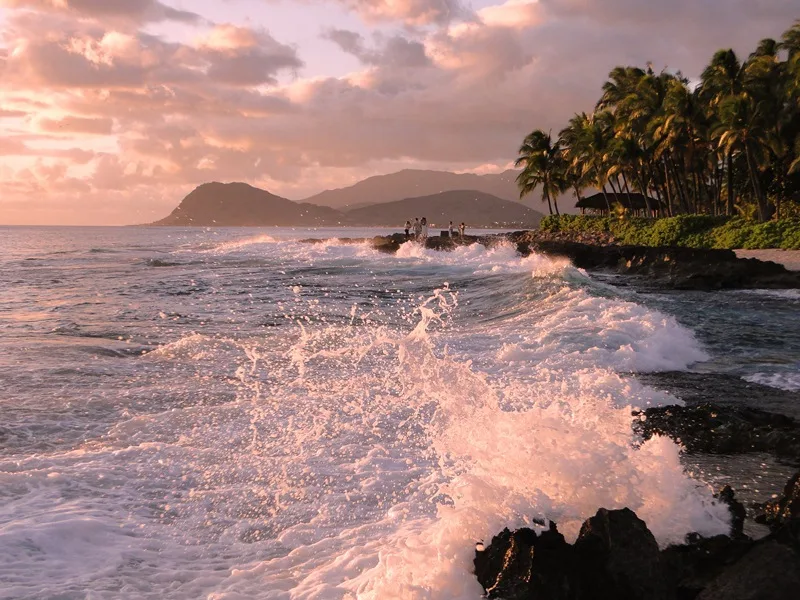
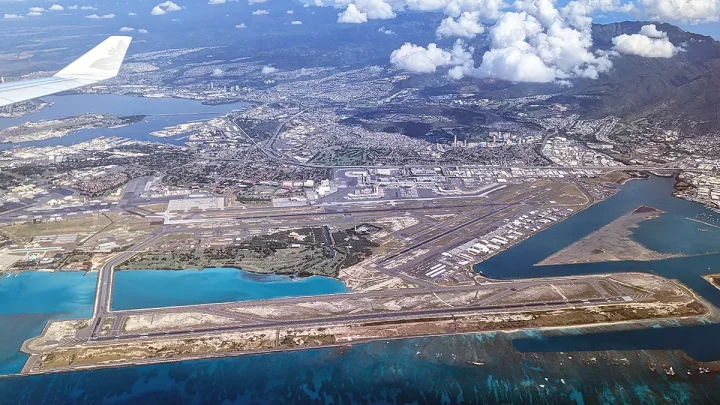
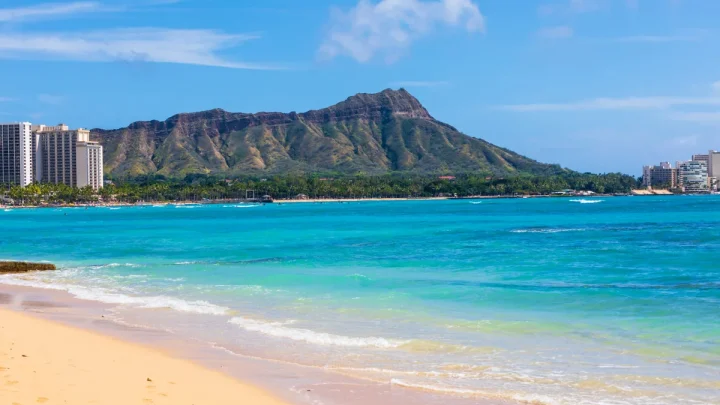
Image source: Web (Bing) / inspiringnaturephotography.blogspot.com (Web image (fair-use with source credit))
Leeward Coast vs. Windward Coast
The West Shore (Leeward Coast) gives you direct, unobstructed views of the sun dropping into the Pacific Ocean. Places like Ko Olina, Waiʻanae, and Mākaha enjoy full sunlight right up to the final second of sunset.
The East Shore (Windward Coast) tells a completely different story. The massive Koʻolau Mountain Range stands directly between the beach and the setting sun.
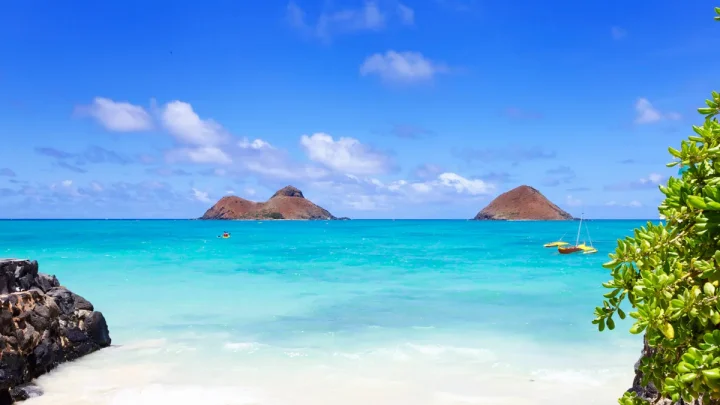
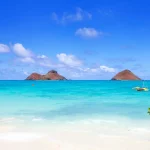
If you visit Kailua or Lanikai Beach, the sun disappears behind the high mountain ridges 30 to 45 minutes before official sunset. You will not see the sun touch the water, but you will get soft pastel reflections and pink clouds over the ocean.
The Angle of the Sun: South Shore vs. North Shore Throughout the Year
The sun sets in a different compass direction depending on the season. In the winter, the sun sets toward the west-southwest. In the summer, it sets toward the west-northwest.
This directional shift matters for South Shore and North Shore viewers:
- South Shore (Waikīkī, Ala Moana): In winter, the sun sets directly over open water. In summer, the sun angles further north and dips behind the Waiʻanae mountains or leeward coastline.
- North Shore (Sunset Beach, Haleʻiwa): In summer, the sun drops directly into the northern ocean horizon. In winter, the sun sets behind the land mass of Kaʻena Point.
Step-by-Step Decision Workflow: Choosing Your Sunset Spot
Use this simple step-by-step process to plan the perfect sunset outing on Oahu.
Step 1: Identify your travel month and solar angle
   │
   ├─► Winter (Nov–Feb) ──► Target South Shore or West Coast
   └─► Summer (May–Aug) ──► Target North Shore or West Coast
   │
Step 2: Calculate highway transit time
   │
   ├─► Leaving Honolulu heading West (H-1) ──► Add 60-minute traffic buffer
   └─► Staying local in town ───────────────► Add 20-minute parking buffer
   │
Step 3: Arrive at least 45 minutes prior to official horizon sunset
   │
Step 4: Stay on the sand for 20 minutes of civil twilight afterglow
Step 1: Check Your Travel Month and Sun Position
Start by matching your calendar date to the best coastline. If you visit between November and February, pick the South Shore or Leeward Coast for direct water views. If you travel between May and August, choose the North Shore or Leeward Coast.
Step 2: Factor in Honolulu and Highway Traffic
If you stay in Waikīkī and plan to drive west toward Ko Olina or north toward Haleʻiwa, you must account for weekday commuter traffic. Westbound H-1 traffic peaks between 3:30 PM and 6:30 PM.
A drive from Waikīkī to Ko Olina normally takes 40 minutes. During the evening rush, that same drive can take 90 minutes. Always add an hour to your travel estimate so you do not watch the sun go down through your windshield.
Step 3: Set Your Arrival Window for Parking and Setup
Beach parking lots on Oahu fill up rapidly in the late afternoon. Local surfers, fitness walkers, and visitors all head to the coast at the same time.
Plan to park your car and claim your spot on the sand at least 45 minutes before published sunset. This buffer lets you enjoy peak golden hour light while getting settled.
Step 4: Plan for the Tropical Twilight Drop
Because of Hawaii's tropical latitude, the sun drops at a steep angle toward the horizon. Once the upper edge of the sun disappears, civil twilight lasts only about 20 to 25 minutes.
Do not pack up the moment the sun dips below the horizon. The sky often produces its most intense purple, orange, and crimson tones during the second half of twilight.
Best Places to Watch the Sunset on Oahu
Different vantage points across Oahu offer unique views, atmosphere, and photo opportunities.
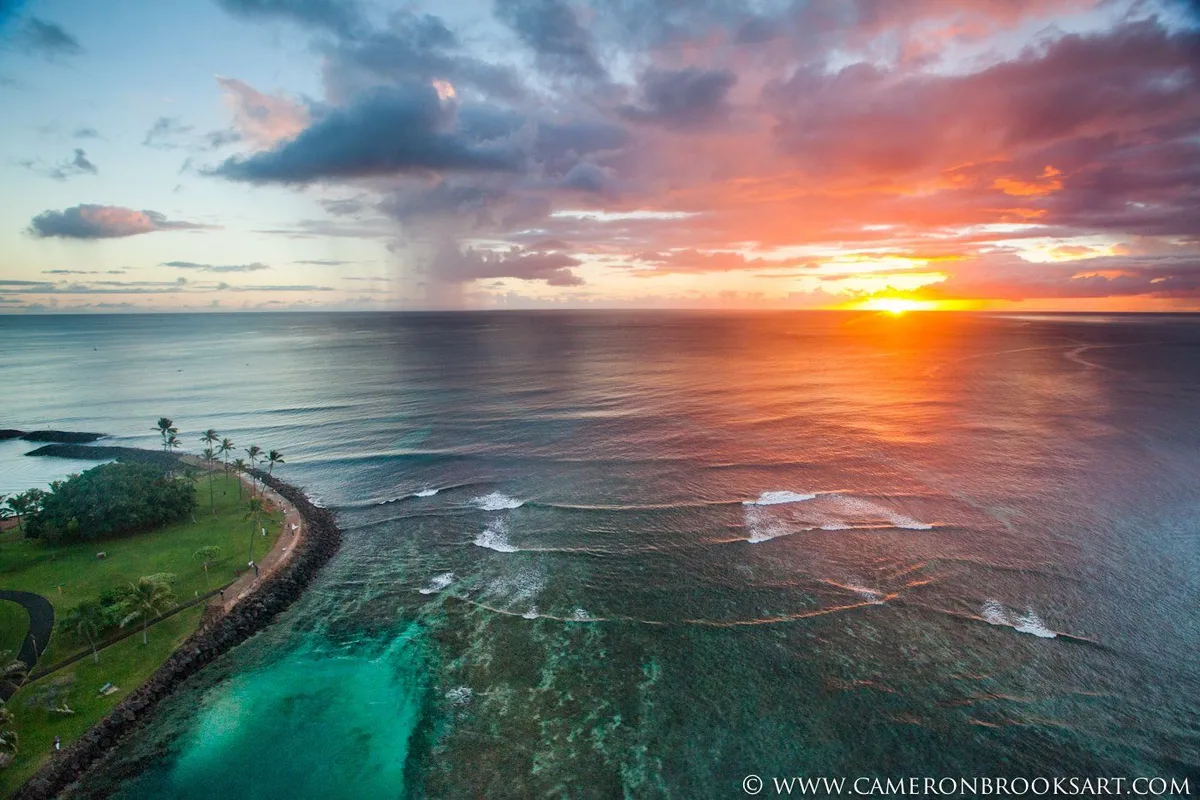
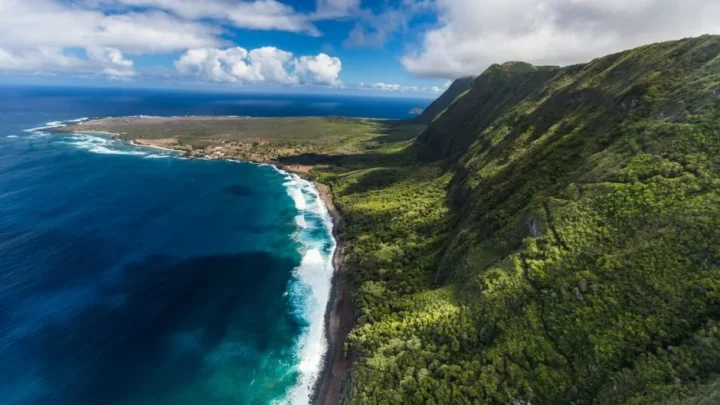
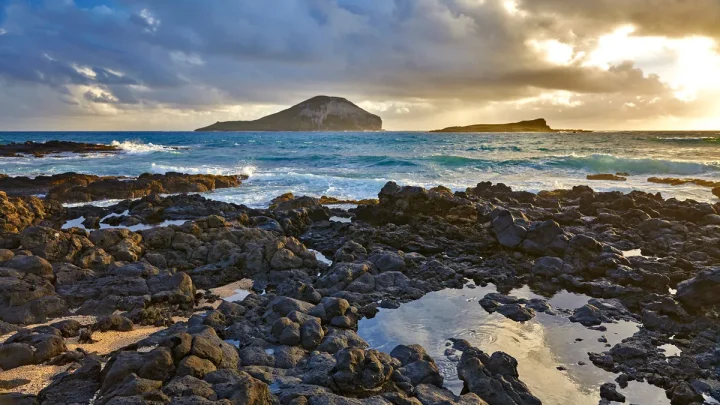
Image source: Web (Bing) / pinterest.com (Web image (fair-use with source credit))
Magic Island and Ala Moana Beach Park (South Shore)
Magic Island is a man-made peninsula located right on the edge of Ala Moana Beach Park, just five minutes from Waikīkī. It offers wide, paved walkways, large grassy lawns, and direct views across the ocean toward the Waiʻanae range.
This spot is ideal for families, casual strollers, and visitors staying in Honolulu hotels who want prime views without renting a car or driving long distances.
Sunset Beach and Waimea Bay (North Shore)
Sunset Beach earned its name for a reason. During the spring and summer months, the sun sinks directly into the Pacific Ocean right in front of the wide sandy shore.
Waimea Bay sits just down the road and provides a protected cove framed by rocky cliffs. Both locations offer world-class viewing, but winter swells bring large surf that reduces dry sand space.
Ko Olina Lagoons and Mākaha Beach (Leeward Coast)
The Leeward Coast is the premier region for true, year-round ocean sunsets. The four man-made lagoons at Ko Olina provide calm water, manicured lawns, and paved beach paths.
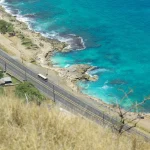
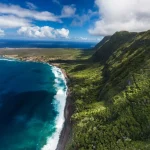
For a more rugged and authentic setting, continue north to Mākaha Beach Park or Yokohama Bay at Kaʻena Point. These beaches offer dramatic volcanic cliffs meeting clear blue water with zero obstruction to the west.
Puʻu ʻUalakaʻa State Wayside / Tantalus Lookout (Honolulu Overlook)
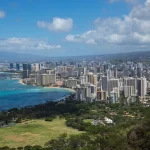
If you prefer an elevated viewpoint, drive up Round Top Drive to Puʻu ʻUalakaʻa State Wayside. The lookout sits on a volcanic cinder cone high above Honolulu.
From this grassy terrace, you can watch the sun set over the entire city skyline, Pearl Harbor, and the distant Waiʻanae mountains. The park gate closes promptly at dusk, so arrive an hour early.
Common Mistakes That Ruin Oahu Sunset Plans
Simple planning errors can easily cause you to miss the best lighting of the day.
Forgetting That Hawaii Does Not Observe Daylight Saving Time
Mainland visitors often miscalculate sunset times by relying on clock habits from home. Hawaii does not adjust its clocks in the spring.
If your home state moves forward an hour in March, remember that Hawaii's sunset times stay anchored to Hawaii Standard Time. Always confirm local island time rather than guessing from your home timezone.
Leaving the Beach the Second the Sun Dips Below the Horizon
Many visitors stand up and walk to their cars the second the sun sinks below the ocean. Doing this means you miss the afterglow.
The most vivid colors on Oahu frequently emerge 10 to 20 minutes after true sunset. Atmospheric scattering creates deep pink, magenta, and gold light across the cloud ceiling long after the solar disk is gone.
Underestimating Ridge Shadows and Tropical Cloud Traps
Windward trade winds push moist ocean air up against the Koʻolau mountain range, creating thick cloud caps in the late afternoon.
If you choose a viewing spot on the windward side or deep inside a valley like Mānoa, the sun will disappear behind clouds or mountain ridges well before its official time. Stick to open coastal headlands or leeward shores for clear horizon views.
Getting Trapped on the H-1 Westbound During Afternoon Rush
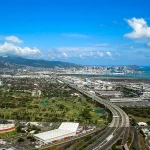
Attempting a last-minute drive from Waikīkī to the west side after 4:30 PM is a recipe for frustration. Commuter traffic on the H-1 highway crawls through the central corridor every weekday afternoon.
If you want to view the sunset from Ko Olina or the Leeward Coast on a weekday, leave town by 2:30 PM or 3:00 PM. Use the extra time to explore the beach parks before the evening golden hour starts.
Essential Logistics: Safety, Beach Rules, and Photography Tips
Watching an Oahu sunset safely requires managing real-world factors like locked park gates, rapid light loss on trails, and changing ocean currents.
Gate Closures and Park Regulations
City and state beach parks on Oahu enforce strict closing times. The Hawaii Department of Land and Natural Resources manages several scenic lookout areas, including Puʻu ʻUalakaʻa State Wayside on Round Top Drive.
State park gates often lock right at dusk or 6:45 PM in winter and 7:45 PM in summer. If your rental car gets locked inside a state or county park lot after hours, retrieving it requires calling local dispatch and paying hefty towing or unlock fees. Always check the posted closing sign at the entrance before parking.
Hiking Down in Tropical Darkness
Hiking up ridge trails like the Lanikai Pillboxes, Ehukai Pillbox, or Makapuʻu Point Lighthouse for sunset requires careful descent planning. Darkness falls fast at tropical latitudes.
Civil twilight ends in about 20 minutes, turning dirt trails pitch black. Always carry a dedicated headlamp or flashlight rather than relying on a phone battery. Volcanic rock trails have loose gravel, exposed roots, and sudden drop-offs that become hazardous without proper lighting.
Camera and Phone Settings for the Ocean Golden Hour
Capturing the dynamic range of an ocean sunset requires managing high contrast between bright sky and dark foreground water.
- Lower exposure compensation: Tap your screen on the brightest part of the sky near the sun and dial down exposure slightly to avoid blowing out sunset colors.
- Turn off night mode initially: Smartphones often over-brighten twilight shots, washing out deep orange and purple skies into flat gray tones.
- Keep the horizon level: Ocean horizons make tilted angles obvious. Turn on your camera app grid lines to ensure straight framing.
- Use a mini-tripod: In the final 15 minutes of twilight, longer shutter speeds kick in, making handheld shots blurry.
Frequently Asked Questions About Oahu Sunsets
What time is sunset in Oahu in the summer?
Summer sunset on Oahu occurs between 7:00 PM and 7:17 PM. The latest sunset of the year happens in early July at 7:17 PM. You will enjoy clear daylight until roughly 7:40 PM before complete dark.
What time is sunset in Oahu in the winter?
Winter sunset on Oahu occurs between 5:48 PM and 6:15 PM. The earliest sunset takes place in late November and early December at 5:48 PM. Darkness settles in completely by 6:15 PM.
Can you see the green flash on Oahu?
Yes, you can see the green flash on Oahu under clear atmospheric conditions. It requires an unobstructed view of the ocean horizon on the Leeward Coast or North Shore, with no cloud cover or heavy sea haze blocking the solar disk.
Can you see the sunset from Waikīkī Beach?
Yes, you can see the sunset from Waikīkī Beach year-round. The view is best during winter and spring when the sun drops directly into the open ocean. In summer, the sun sets further north behind the distant Waiʻanae mountain ridge.
Where is the best place to watch sunset on Oahu without a car?
Magic Island at Ala Moana Beach Park is the best car-free sunset spot. It sits within walking distance of Waikīkī hotels and the Ala Moana Center. It offers wide ocean views, flat walking paths, and plenty of open lawn seating.

Similar Posts