Oahu vs Maui: Which Hawaiian Island Is Better for You?
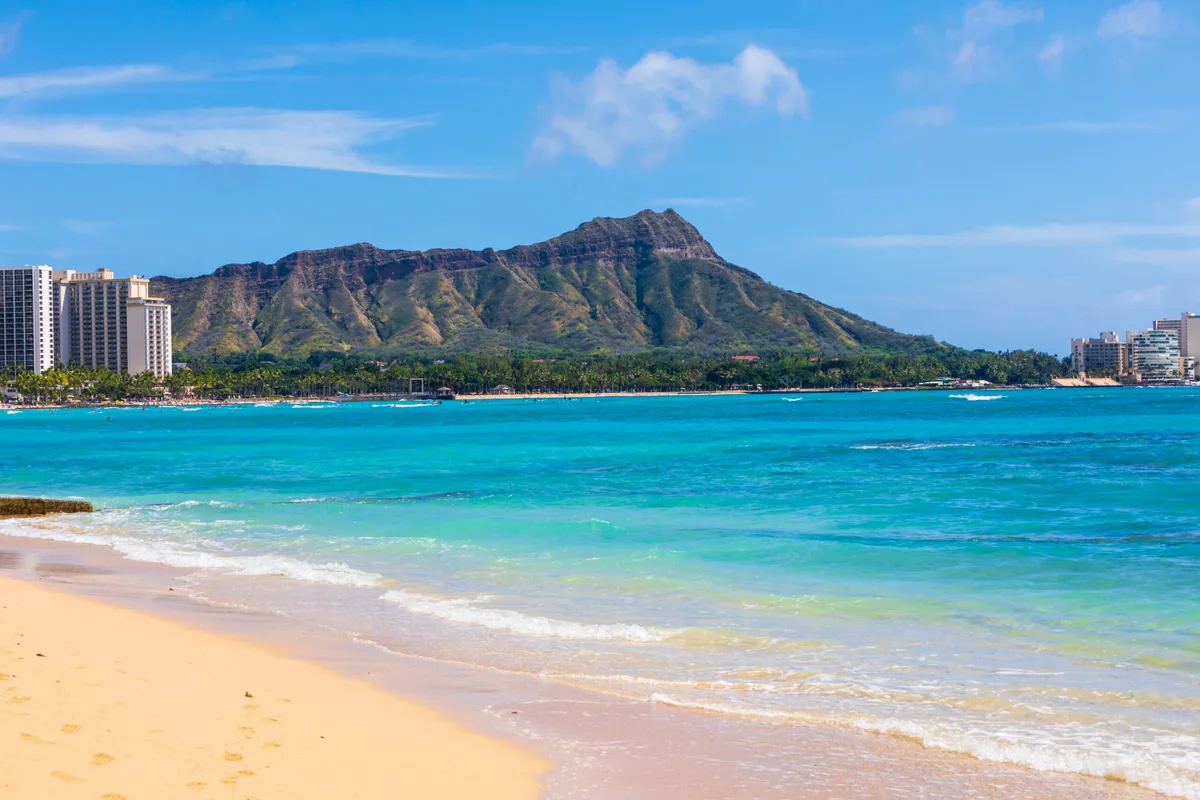
Deciding between two Hawaiian islands can make or break your vacation itinerary. When travelers ask whether is oahu or maui better, the honest answer depends entirely on your travel style and daily expectations. Both islands offer stunning coastlines and unforgettable scenery, but they deliver completely different experiences.
Oahu delivers a lively urban pulse paired with deep historical landmarks, while Maui emphasizes slower resort relaxation and sprawling natural landscapes. State tourism reports show over nine million visitors explore these islands annually. Choosing the right island comes down to how you balance budget, nightlife, outdoor adventures, and driving logistics.
Image source: Web (Bing) / storage.googleapis.com (Web image (fair-use with source credit))
Quick Answer
Deciding if Oahu or Maui is better depends on your travel goals. Oahu is best for nightlife, history, budget options, and walkable urban beaches. Maui is better for luxury resorts, quiet beaches, scenic drives, and romantic getaways.
Oahu offers more cultural attractions and diverse food. Maui offers better humpback whale watching and secluded nature.
Oahu vs. Maui: The Core Differences at a Glance
Oahu and Maui represent two distinct versions of the Hawaiian island experience. Oahu blends metropolitan convenience with tropical nature. Maui focuses almost entirely on scenic landscapes, coastal beauty, and upscale hospitality.
| Travel Category | Oahu | Maui |
|---|---|---|
| Primary Atmosphere | Energetic city meets tropical coast | Quiet, upscale resort and rural escape |
| Average Lodging Cost | $250 to $450 per night | $400 to $750 per night |
| Transportation Needs | Public transit and rideshares work well | Rental car is mandatory |
| Dining & Nightlife | Dynamic nightlife, diverse food scene | Quiet evenings, farm-to-table dining |
| Top Iconic Attractions | Pearl Harbor, Waikiki Beach, North Shore | Haleakala Crater, Road to Hana, Molokini |
| Best Suited For | First-timers, culture fans, budget travelers | Honeymoons, romantic trips, nature lovers |
On Oahu, you can spend the morning surfing in Waikiki and the evening dining at an energetic urban bistro. Maui requires a slower approach centered around resort relaxation, early sunrise excursions, and long coastal drives.
Island Vibes and Atmosphere: Big City Energy vs. Scenic Escapes
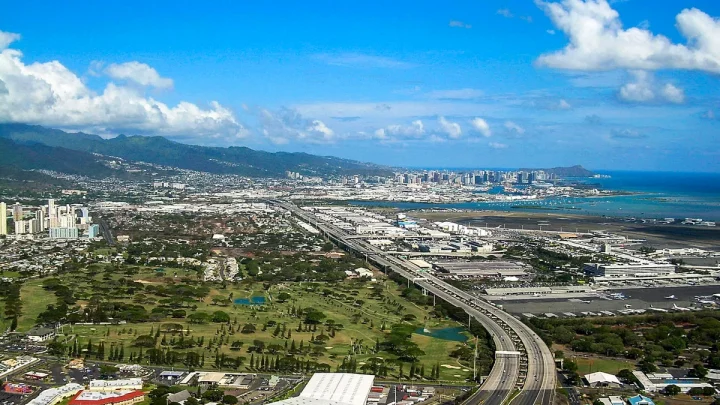
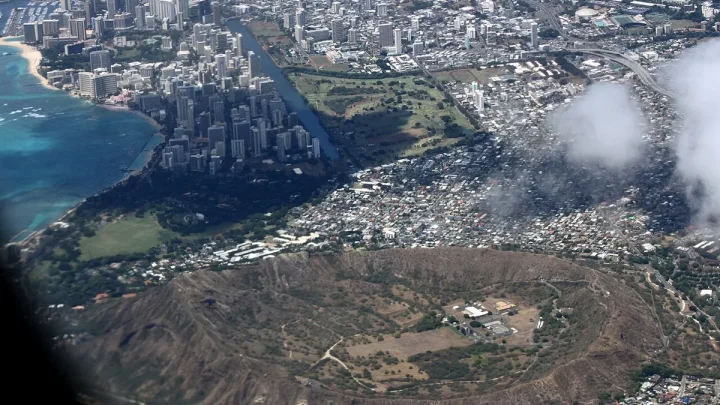
Oahu feels like a major metropolis placed directly along a tropical shoreline. Honolulu features high-rise hotels, bustling shopping strips along Kalakaua Avenue, and active nightlife. The island has a fast pace in the south, though the North Shore retains a laid-back surfing community vibe.
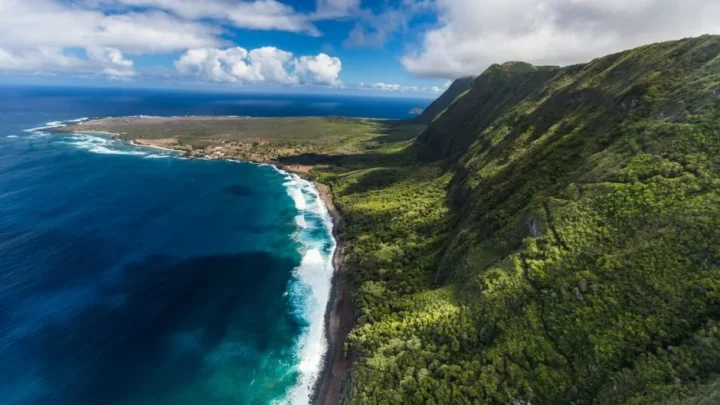
Maui operates at a noticeably calmer tempo. You will find low-rise resort communities in Wailea and Kaanapali rather than dense city blocks. Open fields, rolling hills in Upcountry, and dramatic sea cliffs dominate the scenery.
Nightlife on Maui is practically nonexistent compared to Oahu. Most restaurants and local shops close by 9:00 PM. Visitors on Maui typically wake up early for morning ocean activities, whereas Oahu allows you to stay out late and enjoy vibrant city entertainment.
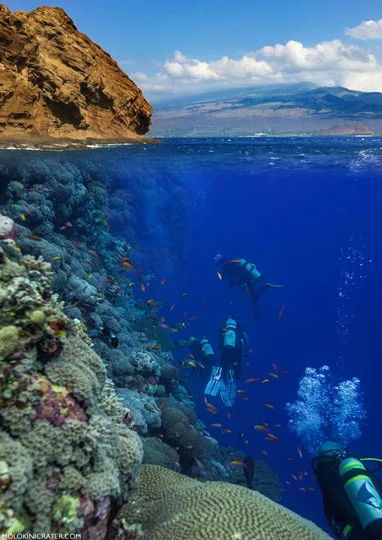
Image source: Web (Bing) / molokinicrater.com (Web image (fair-use with source credit))
Beaches, Snorkeling, and Outdoor Adventures Compared
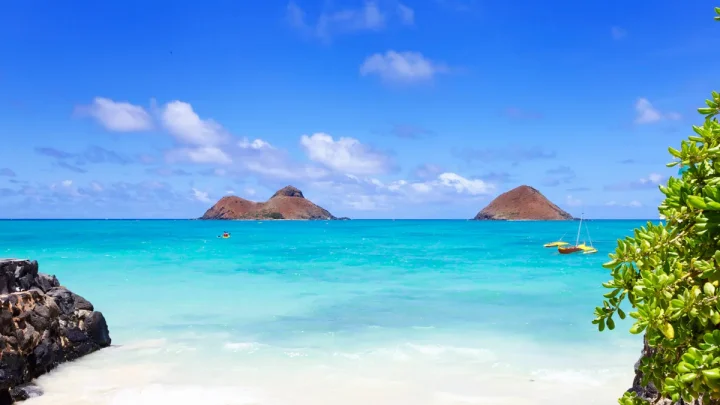
Both islands offer incredible water activities, but access and ocean conditions differ. Oahu is world-famous for its winter surf breaks on the North Shore, including Waimea Bay and the Banzai Pipeline. For calm swimming, the protected bays of Kailua and Lanikai provide gentle turquoise waters.
Maui is widely regarded as the superior island for offshore snorkeling and diving. Boat tours take visitors to the submerged volcanic caldera of Molokini Crater, where water visibility frequently exceeds 100 feet. During winter months, the shallow Auau Channel off West Maui offers premier humpback whale watching.
On land, hiking styles vary significantly between both destinations:
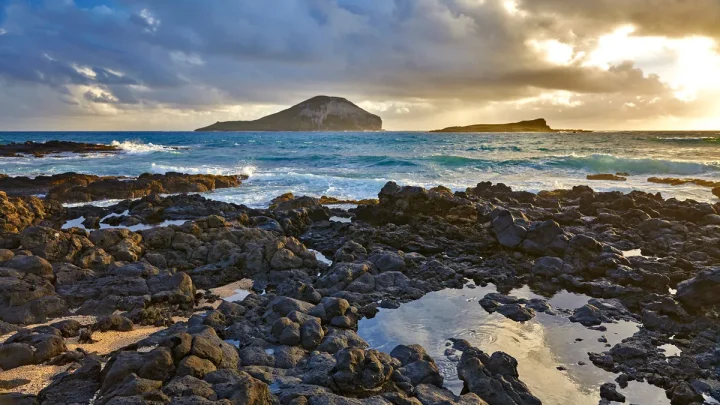
- Oahu Hikes: Feature steep volcanic ridge trails, panoramic ocean overlooks, and paved walks like the Makapuu Lighthouse Trail.
- Maui Hikes: Range from high-altitude volcanic trails inside Haleakala National Park to muddy rainforest paths along waterfalls.
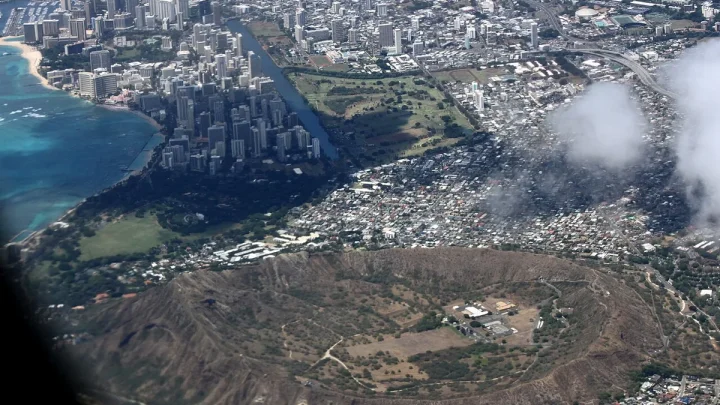
- Permit Requirements: Oahu requires reservations for Diamond Head and Hanauma Bay, while Maui requires advance vehicle bookings for sunrise at Haleakala through the National Park Service.
Dining, Nightlife, and Cultural Experiences
Oahu is the undisputed culinary and cultural heart of Hawaii. The island offers an unmatched mix of traditional plate lunches, food truck hubs, and high-end Pacific Rim fusion. Neighborhoods like Kaimuki and Chinatown serve as creative dining destinations for inventive chefs.
Cultural depth is another major advantage for Oahu. The island is home to Iolani Palace, the Bishop Museum, and the historic memorials at Pearl Harbor. These sites offer rich educational opportunities that you cannot find on the other islands.
Maui focuses on sustainable farm-to-table cuisine and open-air resort dining. Towns like Paia and Makawao host charming cafes and bakeries using produce grown on local Upcountry slopes. While Maui lacks dance clubs or late-night entertainment districts, it offers exceptional beachfront luaus and sunset catamaran cocktail cruises.
Travel Budgets and Real Trip Costs: Lodging, Food, and Transportation
Trip expenses differ noticeably when comparing both destinations. As of 2026, Oahu remains the more economical island for flights, hotels, and general travel logistics. High hotel inventory in Honolulu creates competitive pricing across budget, mid-tier, and luxury brackets.
Maui is consistently one of the most expensive travel destinations in the United States. Oceanfront resorts in Wailea and Kapalua command premium rates, and budget lodging options are limited. Dining expenses also run higher on Maui due to the large concentration of resort-based restaurants.
Transportation adds another layer of cost divergence:
- Oahu Transit Options: You can rely on TheBus, city rideshares, and walkable neighborhoods, cutting the need for a full-week rental car.
- Maui Transit Reality: A rental car is essential for exploring sights like the Road to Hana or Haleakala, adding rental rates and fuel costs to your daily tally.
- Parking Fees: Urban hotels in Waikiki often charge $40 to $60 per night for parking, whereas Maui resorts bundle parking into daily resort fees.
Practical Logistics: Crowds, Traffic, and Getting Around
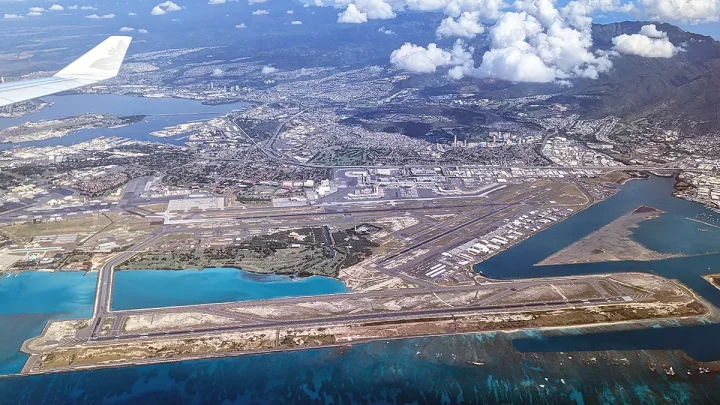
Getting around each island involves very different daily logistics. Oahu features a robust multi-lane highway system, but traffic congestion along the Interstate H-1 corridor can be intense during morning and afternoon commute hours. Finding street parking around Waikiki is notoriously difficult and expensive.
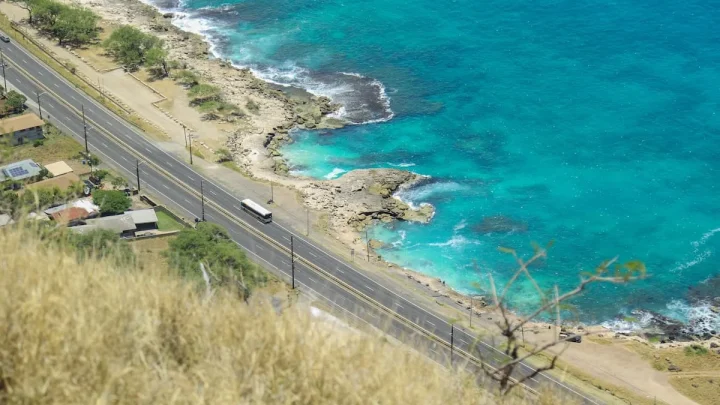
Maui has a simpler road network, but fewer alternate routes exist when accidents or road closures occur. Major scenic routes like the Hana Highway involve narrow single-lane bridges, tight switchbacks, and slow speeds. You must plan your driving itineraries around daylight hours and weather conditions.
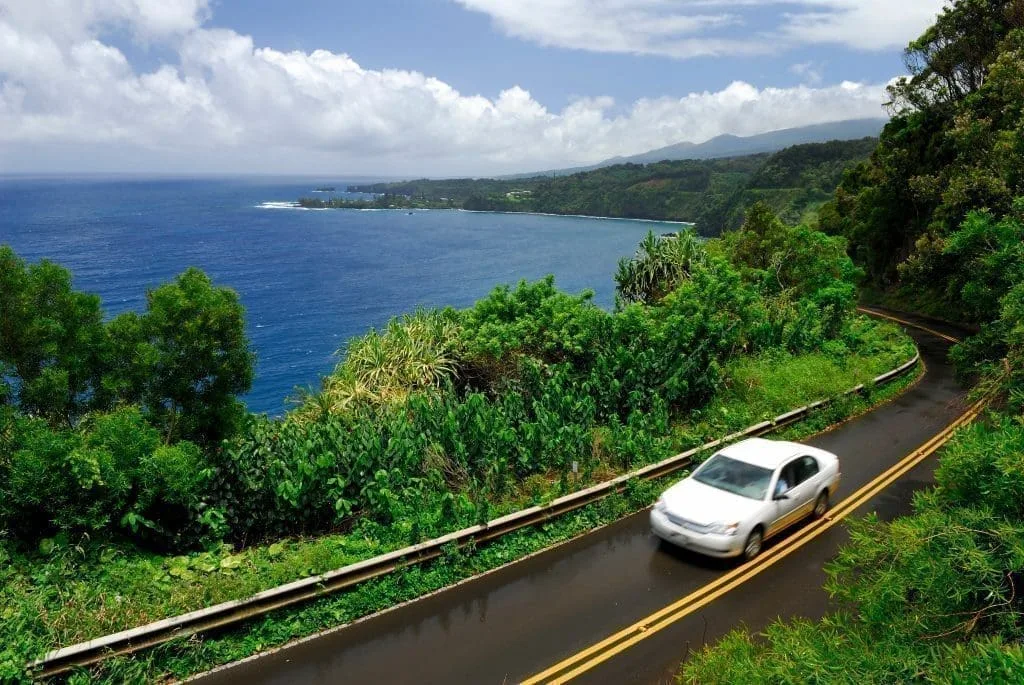
Image source: Web (Bing) / actiontourguide.com (Web image (fair-use with source credit))
Crowd density also shapes your day-to-day experience:
- Oahu Crowds: Concentrated heavily in Waikiki, Ala Moana, and major tourist hubs. The Windward coast and North Shore feel much quieter on weekday mornings.
- Maui Crowds: Dispersed across resort pockets in South and West Maui. Popular natural sites like Waianapanapa State Park require timed reservation vouchers from the Hawaii Division of State Parks to control visitor volume.
- Public Transit: Oahu provides reliable bus transit through TheBus, while Maui Bus service operates on limited rural routes.
Which Island Should You Choose? Best Scenarios for Every Traveler
Your final choice depends on the specific priorities of your travel group. Neither island is universally superior, but each excels in distinct areas.
Choose Oahu If:
- You are traveling on a moderate budget and want cheaper flights and accommodations.
- You want direct access to world-renowned historical landmarks, museums, and diverse dining.
- You prefer walkable urban environments with vibrant nightlife and beachfront entertainment.
- You want the flexibility to skip renting a car for your entire vacation.
Choose Maui If:
- You are planning a honeymoon, anniversary, or quiet romantic retreat.
- You prioritize scenic nature, dramatic volcano sunrises, and tranquil coastal drives.
- You want premier offshore snorkeling, scuba diving, and winter whale watching.
- You prefer spacious luxury resorts over dense high-rise city hotels.
Frequently Asked Questions About Oahu and Maui
Is it cheaper to visit Oahu or Maui?
Oahu is significantly cheaper for most travelers. Honolulu offers a wide range of budget-friendly hotel options, lower flight fares, and affordable public transit. Maui features primarily upscale luxury resorts and mandates a rental car, driving up average daily vacation costs.
Which island has better beaches, Oahu or Maui?
Maui offers better overall beach variety with golden, black, and red sand shores suited for snorkeling. Oahu has world-class surf breaks on the North Shore and gentle swimming bays on the East Coast. Both islands offer pristine ocean access, but Maui has superior offshore reef clarity.
Can you do a day trip between Oahu and Maui?
You can take a day trip between the islands via a 35-minute commercial flight. However, airport security lines and rental car pickups consume valuable vacation time. Most travel experts recommend staying at least four to five nights on a single island instead of day-tripping.
Which island is better for a family vacation?
Oahu is generally better for families with young children due to walkable attractions and calm beach lagoons. Sites like the Honolulu Zoo, Waikiki Aquarium, and Pearl Harbor provide easy daytime activities. Maui is ideal for active families with older kids who enjoy snorkeling tours and hiking.

Similar Posts