Which Airport Do You Fly Into for Oahu, Hawaii?
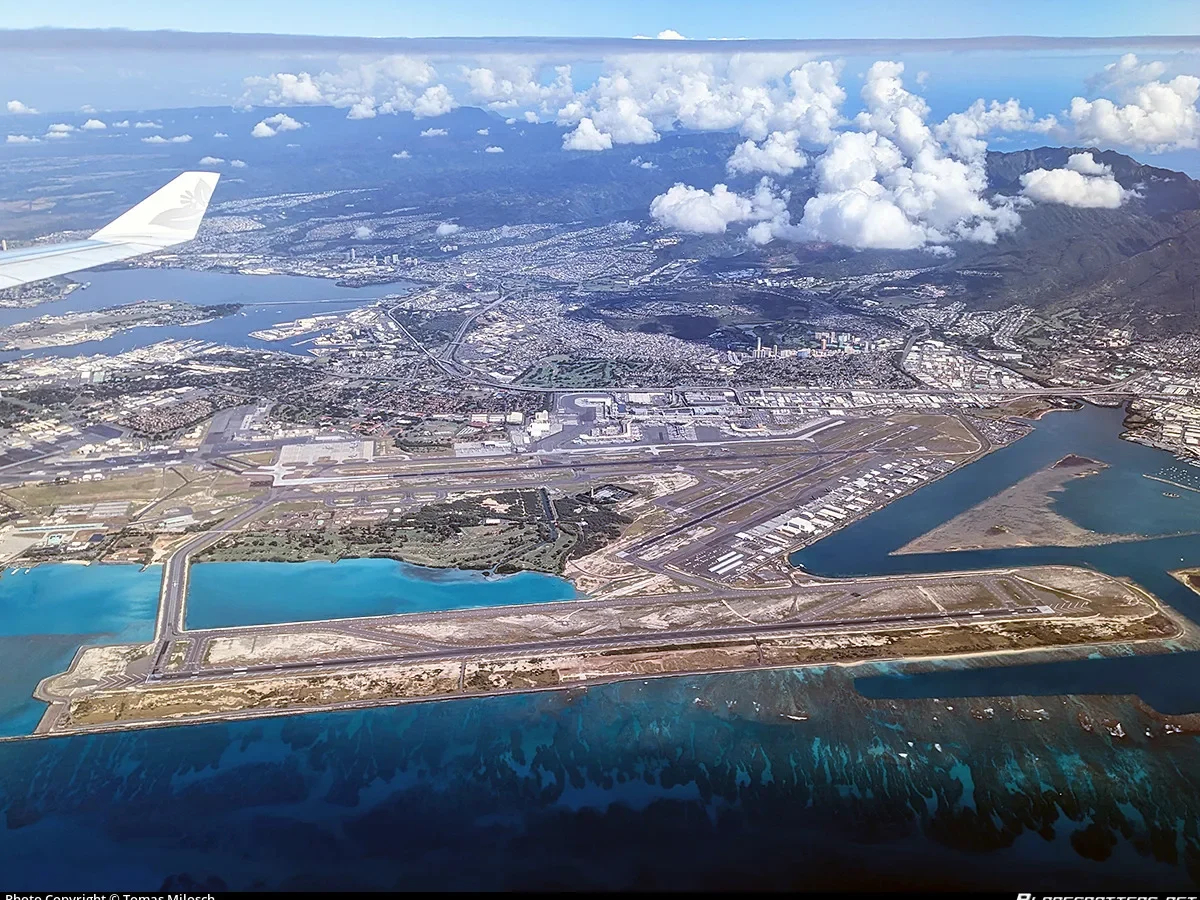
Planning a trip to Hawaii often brings up the question of which airport for Oahu you need to book. The straightforward answer is Daniel K. Inouye International Airport in Honolulu.
It handles virtually all commercial passenger flights arriving on the island.
Operating under the airport code HNL, this facility manages over 20 million passengers each year across its three active terminals. Understanding how the airport connects to your final destination makes your arrival smooth and stress-free.
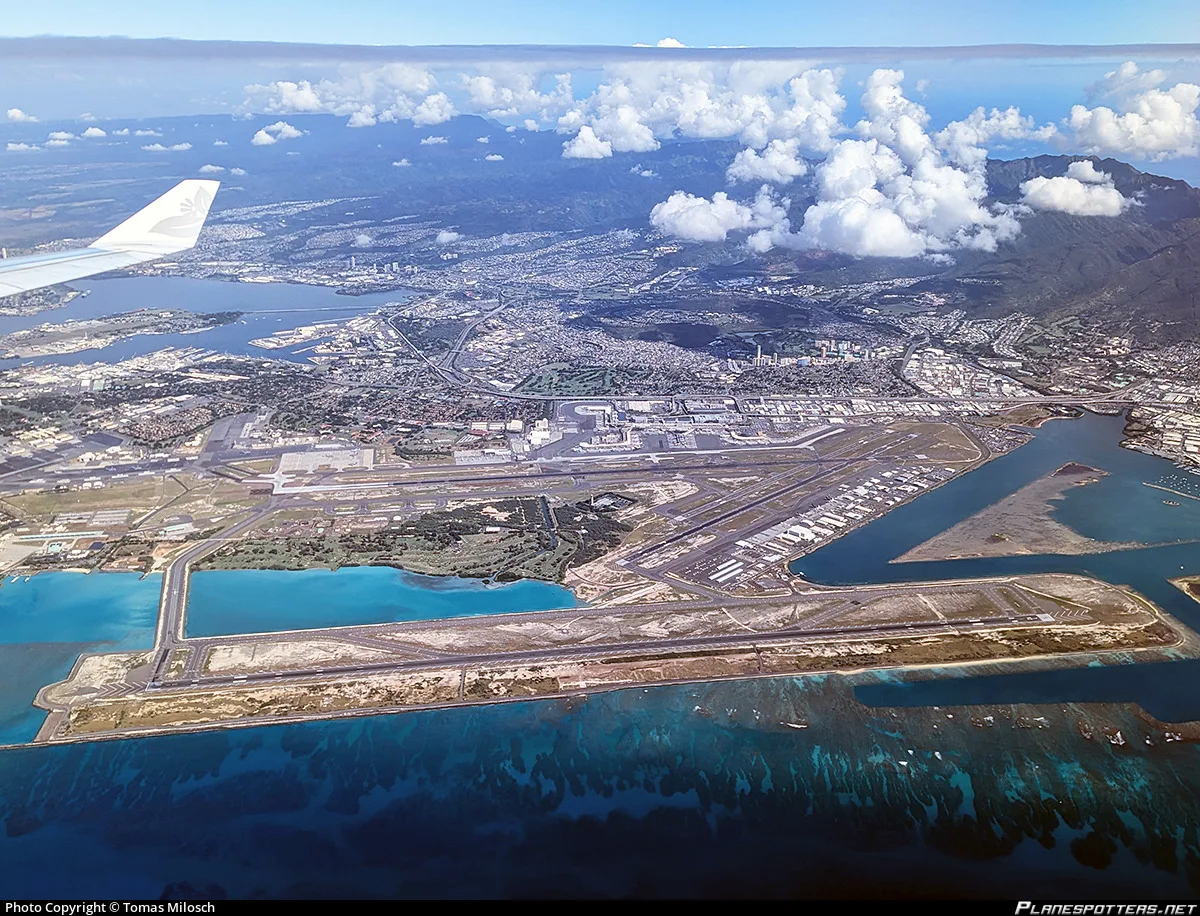
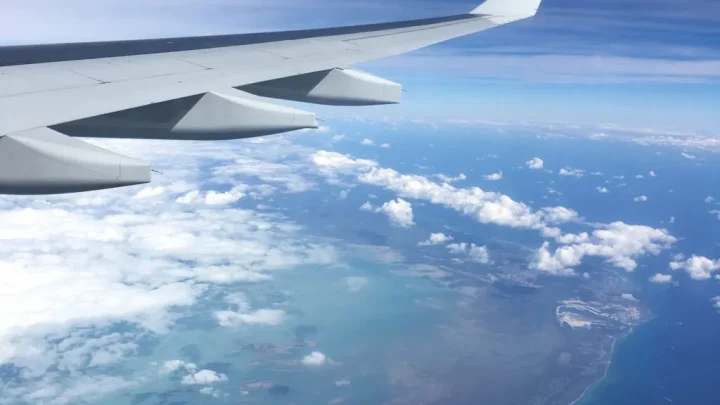
Image source: Web (Bing) / planespotters.net (Web image (fair-use with source credit))
Quick Answer
When deciding which airport for Oahu, book Daniel K. Inouye International Airport. Its official airport code is HNL.
All major commercial airlines fly into this single hub. Other island airfields do not serve commercial passenger flights. HNL sits directly in Honolulu with fast highway access island-wide.
The Quick Answer: Why Daniel K. Inouye International Airport (HNL) Is Your Primary Hub
If you are booking a commercial flight to Oahu, Daniel K. Inouye International Airport (HNL) is your only destination. Travelers sometimes see other airfields listed on aviation maps, such as Kalaeloa Airport (JRF) in Kapolei or Dillingham Airfield (HDH) on the North Shore.
These alternative airstrips do not handle commercial airline routes. Kalaeloa serves general aviation and military operations. Dillingham is reserved for glider flights, skydiving charters, and light private aircraft.
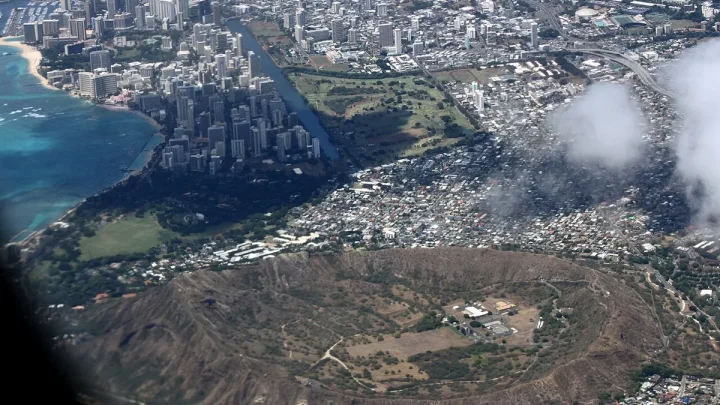
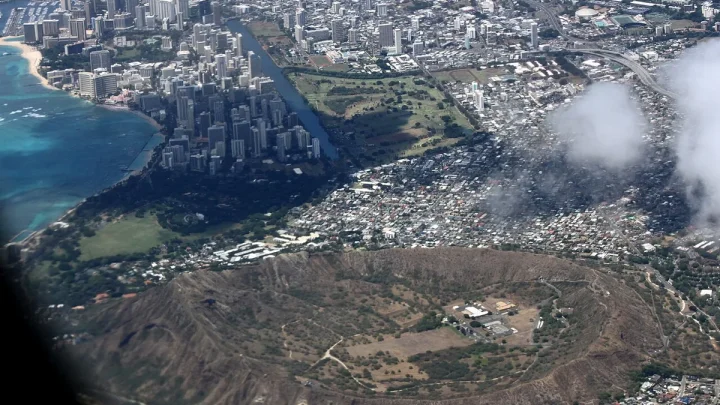
The Hawaii Department of Transportation manages HNL as the primary international gateway for the entire state. The airport sits roughly five miles west of downtown Honolulu. Its central placement on the southern coast puts you right next to Interstate H-1 and the Nimitz Highway corridor.
Because every major carrier lands here, you get access to competitive airfares, frequent nonstop mainland routes, and high-frequency inter-island flights. Choosing your arrival point is simple because HNL serves every vacationer, business traveler, and returning resident.
Navigating the Terminals: A Step-by-Step Guide to Terminals 1, 2, and 3
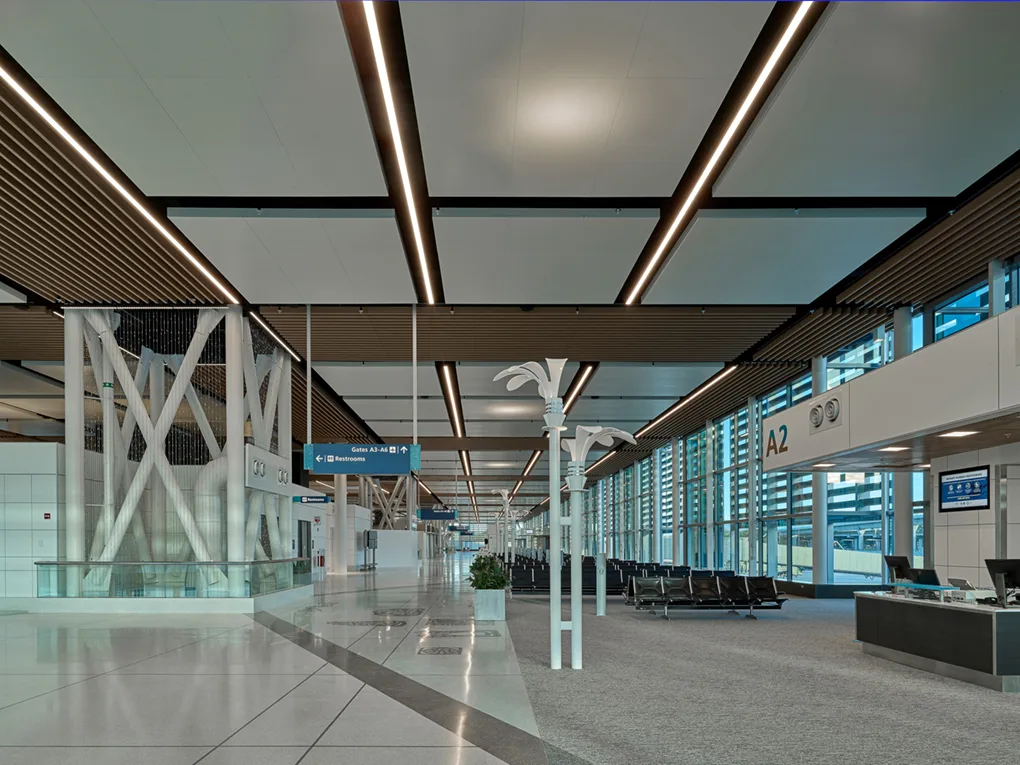
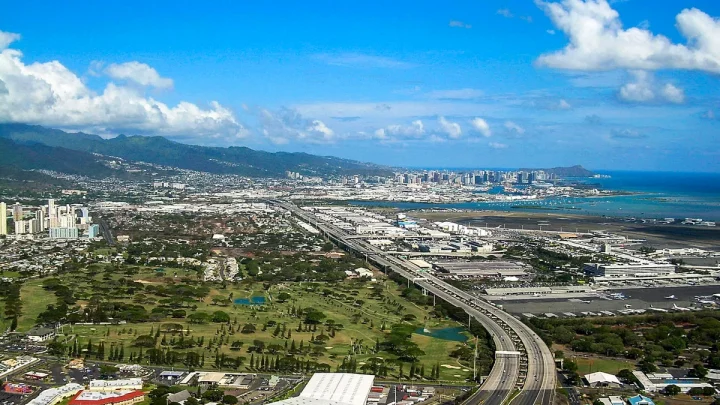
Image source: Bing (Web (fair-use with source credit))
Daniel K. Inouye International Airport uses three distinct terminals. Knowing which terminal your airline uses helps you plan your arrival, baggage retrieval, and departure efficiently.
- Terminal 1: This facility serves Hawaiian Airlines for both inter-island flights and mainland departures. It features the modern Mauka Concourse (Gates A13 through A20), complete with wide boarding areas and dedicated security checkpoints.
- Terminal 2: This is the largest terminal on site, handling major domestic carriers like United, American, Delta, Southwest, and Alaska Airlines. All scheduled international flights from Asia, Oceania, and Canada also arrive and depart through Terminal 2.
- Terminal 3: This smaller facility sits east of the main complex and serves commuter operations for Mokulele Airlines.
Moving between terminals is straightforward. As of 2026, passenger walkways and the Wiki Wiki Shuttle bus connect Terminal 1 and Terminal 2 on the upper departure level.
If you are transferring to a commuter flight at Terminal 3, you can use the dedicated on-airport shuttle service. Walking between Terminal 1 and Terminal 2 takes roughly five to eight minutes via pedestrian bridges.
Ground Transport Decision Tree: Getting to Waikiki, Ko Olina, and the North Shore
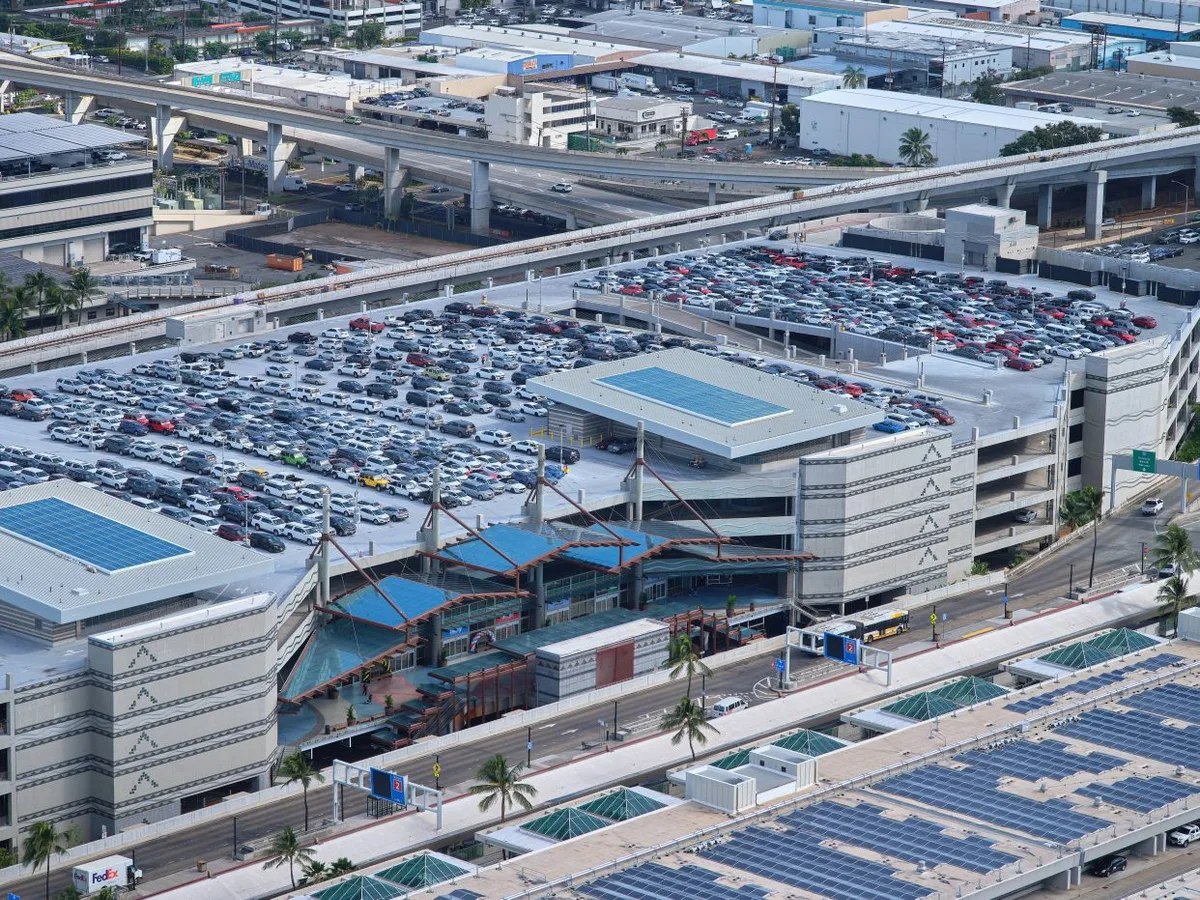
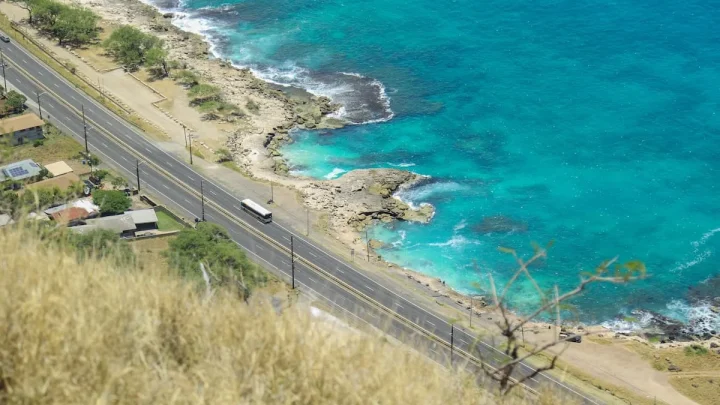
Image source: Web (Bing) / contrackwatts.com (Web image (fair-use with source credit))
Your ground transit choice depends on your destination and planned activities. Follow this decision workflow to pick the right option after landing.
- If your destination is Waikiki: You do not necessarily need a rental car right away. Rideshare services like Uber and Lyft pick up on the second level (Departures) outside lobbies 2 and 8. Pre-booked airport shuttles drop off directly at major beachfront hotels, saving you daily parking fees of $40 to $70 per night.
- If your destination is Ko Olina or West Oahu: A rental car or pre-arranged private shuttle is ideal. Ko Olina sits roughly 20 miles west along the H-1 freeway. Rideshare fares to this resort zone can surge during afternoon arrival banks.
- If your destination is the North Shore or Kailua: Pick up a rental vehicle immediately. Public transit to Haleiwa or Turtle Bay takes over two hours with multiple transfers. Having your own vehicle allows you to explore beaches and mountain trails on your own schedule.
If you decide to rent a car, head across the street from Terminal 2 baggage claim to the Consolidated Rent-A-Car (CONRAC) facility. This multi-level building houses all major rental brands in one central location.
Inter-Island Transfers: How to Connect Between Hawaiian Islands via HNL
Connecting through Honolulu to neighbor islands like Maui, Kauai, or the Big Island is a routine process. However, the exact steps depend on how you booked your tickets.
If you booked your entire journey on a single ticket, your checked luggage will transfer automatically between flights. After deplaning in Terminal 2, follow the overhead signs toward Terminal 1. You can walk across the third-floor concourse bridge or catch the Wiki Wiki Shuttle without leaving the secure TSA area.
If you booked separate tickets on two different airlines, your workflow changes:
- Deplane and proceed to the ground-level baggage claim in your arrival terminal.
- Collect all checked bags from the carousel.
- Walk or take the street-level shuttle to your connecting airline's check-in lobby.
- Drop your bags at the ticket counter and clear the TSA security checkpoint again.
Always allow at least 90 to 120 minutes between flights if you have separate tickets. This cushion protects your itinerary against flight delays and baggage retrieval lines.
Critical Bottlenecks: Avoiding H-1 Traffic, CONRAC Delays, and USDA Checkpoints
A smooth arrival or departure at HNL requires planning around three specific bottlenecks.
The first bottleneck is commuter traffic on Interstate H-1. Morning rush hour runs eastbound toward Honolulu from 6:30 AM to 8:30 AM. Evening rush hour heads westbound toward Kapolei from 3:30 PM to 6:30 PM.
If your flight lands during these windows, expect transit times to double.
The second bottleneck happens at the CONRAC rental facility during peak mid-day arrival banks. Joining rental loyalty programs before your trip lets you bypass counter queues and walk directly to your assigned vehicle stall.
Departing Oahu -> Pre-Check Agriculture -> Airline Bag Drop -> TSA Screening -> Departure Gate
The third bottleneck affects departing passengers traveling back to the mainland. The United States Department of Agriculture requires mandatory baggage screening to prevent the spread of invasive pests.
You must pass your checked bags through an agricultural x-ray scanner before you reach the airline check-in desk. Always build an extra 30 minutes into your departure schedule to clear this inspection.
Oahu Airport Route & Budget Matrix: Travel Times, Costs, and Transit Options
Planning your transfer budget ahead of time prevents unexpected travel expenses. Transit costs from HNL vary significantly depending on whether you take public transit, rideshares, or rental vehicles.
Here is how travel times and baseline pricing break down across the most popular destinations on Oahu:
| Destination | Distance from HNL | Typical Drive Time | Rideshare Cost (Uber/Lyft) | Shared Shuttle (Per Person) | Public Bus (TheBus) |
|---|---|---|---|---|---|
| Waikiki | 9 miles | 20 to 35 mins | $35 to $55 | $20 to $25 | $3.00 |
| Ko Olina | 20 miles | 25 to 45 mins | $55 to $85 | $35 to $45 | Not recommended |
| North Shore (Haleiwa) | 31 miles | 45 to 65 mins | $75 to $110 | $50 to $70 | $3.00 (2+ hours) |
| Kailua / Lanikai | 18 miles | 25 to 40 mins | $45 to $70 | $35 to $45 | $3.00 (1.5 hours) |
| Kaneohe | 14 miles | 20 to 30 mins | $40 to $60 | $30 to $40 | $3.00 (1 hour) |
Rideshare fares will fluctuate during peak flight arrival times between 1:00 PM and 4:00 PM. If you choose a rental car, account for daily parking rates at your hotel. Waikiki resorts regularly charge between $45 and $65 per night just for vehicle parking.
For travelers heading straight to Waikiki who plan to stay on resort grounds, skipping the rental car for the first few days often yields substantial savings.
Frequently Asked Questions About Flying into Oahu
Is there more than one commercial airport on Oahu?
No, Daniel K. Inouye International Airport (HNL) is the only airport on Oahu handling commercial airline passenger flights. Other airfields on the island, such as Kalaeloa Airport and Dillingham Airfield, only accommodate military aircraft, private charters, flying lessons, or skydiving operations.
How early should I arrive at HNL for a departing flight?
You should arrive at least two hours early for inter-island flights. For domestic mainland flights, plan on arriving two and a half to three hours before departure. International travelers should arrive three hours early to account for agricultural bag inspections and TSA security screening lines.
Can I take public transit from HNL directly to Waikiki?
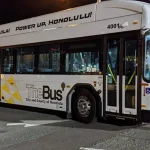
Yes, TheBus operates Route 20 directly from the upper departure level of HNL to Waikiki. The standard one-way adult fare is $3.00. Keep in mind that TheBus enforces strict luggage policies, meaning your bags must fit either on your lap or directly under your seat.
What is the difference between Terminal 1 and Terminal 2 at HNL?
Terminal 1 primarily houses Hawaiian Airlines operations for both inter-island hops and North American routes. Terminal 2 serves all other domestic carriers, including United, Delta, American, Southwest, and Alaska, along with all scheduled international airlines arriving from overseas destinations.
Do I need to go through agricultural inspection when flying into Oahu?
No, arriving passengers do not go through an agricultural checkpoint upon landing in Oahu. You only need to fill out a standard state agricultural declaration form on your incoming flight. The mandatory physical agricultural x-ray inspection occurs when you are leaving Hawaii for the US mainland.

Similar Posts