Is Oahu Worth Visiting? What to Know Before You Go
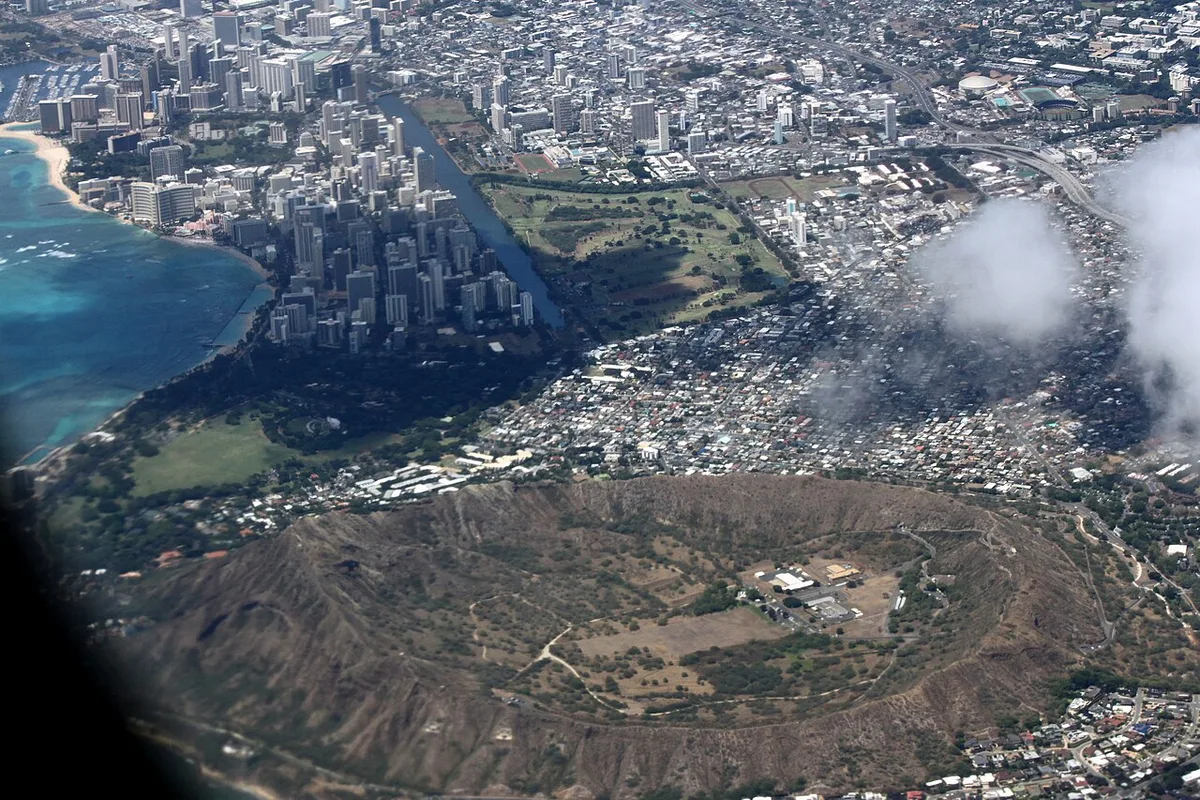
Deciding if Oahu is worth visiting comes down to what you want from Hawaii. If you expect an empty tropical wilderness, the high-rise skyline of Honolulu might disappoint you. Oahu is the cultural, historical, and culinary core of the islands.
Tourism data from the Hawaii Department of Land and Natural Resources and local visitor bureaus shows Oahu hosts roughly half of all state travelers each year. The island balances energetic city life with world-class surf breaks and quiet mountain ridges. Here is how to decide if it matches your travel style.
Quick Answer
Yes, Oahu is worth visiting for most travelers. The island offers top beaches, rich history, and world-class food. You can easily get around without renting a car.
It has the lowest flight costs in Hawaii. You will encounter heavy traffic and dense crowds in Honolulu.
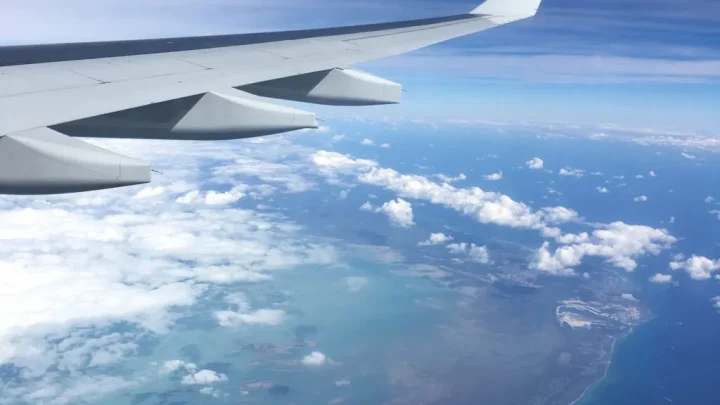
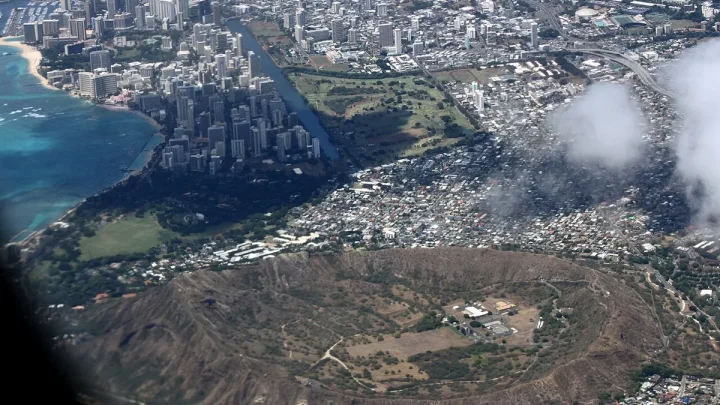
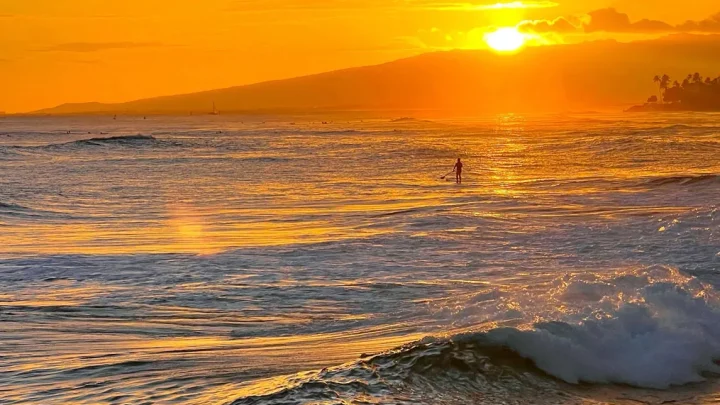
Image source: Wikimedia Commons / Prayitno / Thank you for (12 millions +) view from Los Angeles, USA (CC BY)
Is Oahu Worth Visiting? The Short Answer and Who It Is Actually For
Oahu works best for travelers who want variety. You can hike a volcanic ridge in the morning, visit Pearl Harbor at noon, and eat world-class sushi at night. It is the only Hawaiian island where you do not need an expensive rental car for your entire stay.
Oahu is ideal for:
- First-time Hawaii visitors who want an easy introduction.
- History enthusiasts visiting the National Park Service Pearl Harbor National Memorial and Iolani Palace.
- Budget-conscious travelers using public transit and staying in diverse lodging.
- Food lovers seeking authentic Hawaiian cuisine, poke shops, and Asian night markets.
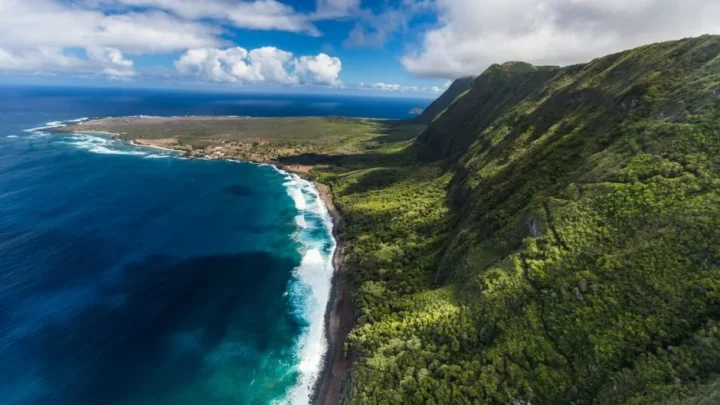
If your dream trip involves stepping out of a quiet cabin onto an empty beach with zero streetlights, you may prefer Kauai or Molokai instead.
The Big Trade-Offs: What Makes Oahu Great vs. What Catches People Off Guard
Every Hawaiian island has distinct compromises. Oahu delivers the widest infrastructure and the lowest airfare, but it also carries real urban pressures.
| Factor | What Makes Oahu Great | What Catches People Off Guard |
|---|---|---|
| Transportation | Reliable TheBus network and walkable Waikiki strips. | Heavy H-1 freeway traffic during rush hours. |
| Lodging Costs | Wide range of options from hostels to luxury resorts. | Steep hotel resort fees and parking costs ($40 to $65 per night). |
| Dining & Culture | Massive variety of authentic regional and fusion food. | Long wait times at popular spots without reservations. |
| Beaches & Nature | Safe, lifeguarded beaches and dramatic green mountain ridges. | Dense tourist crowds at Hanauma Bay and Waikiki Beach. |
Understanding these trade-offs prevents disappointment. As of 2026, traveler surveys show that visitors who plan around parking fees and traffic rate Oahu significantly higher than those expecting an unpopulated paradise.
The Oahu Decision Tree: Which Hawaiian Island Matches Your Travel Style?
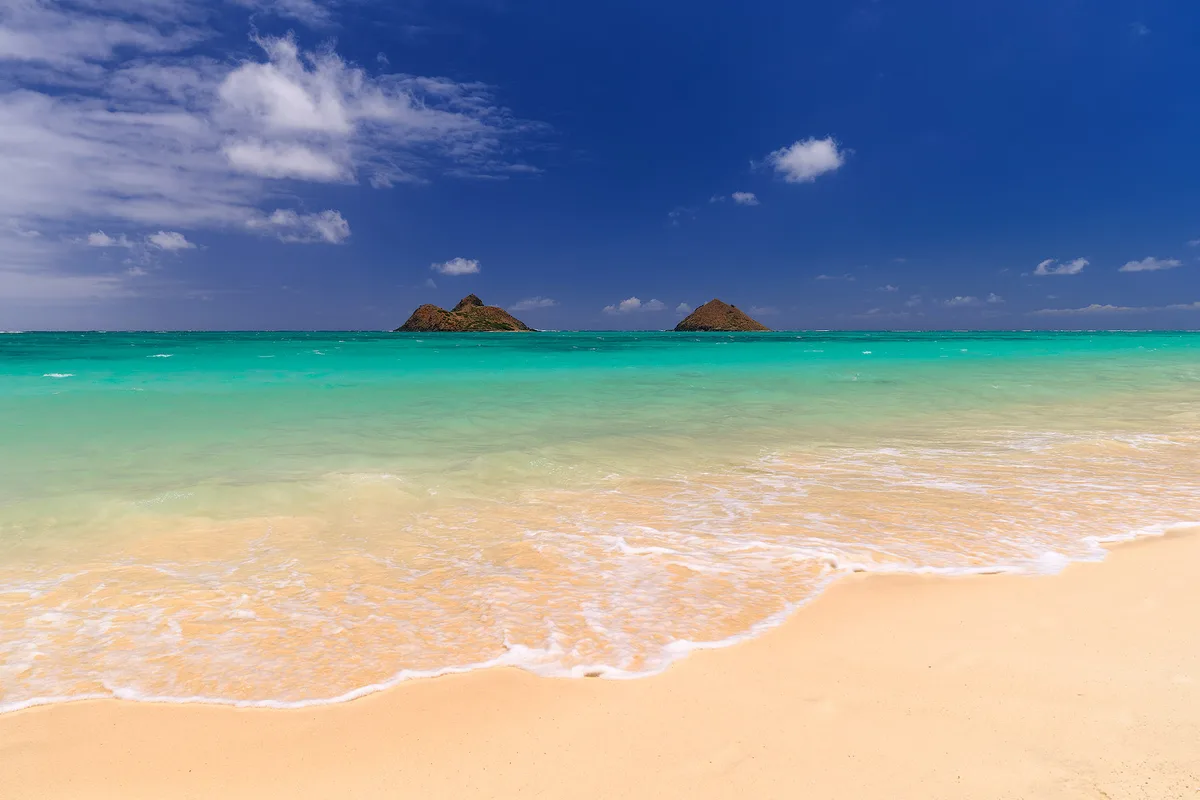
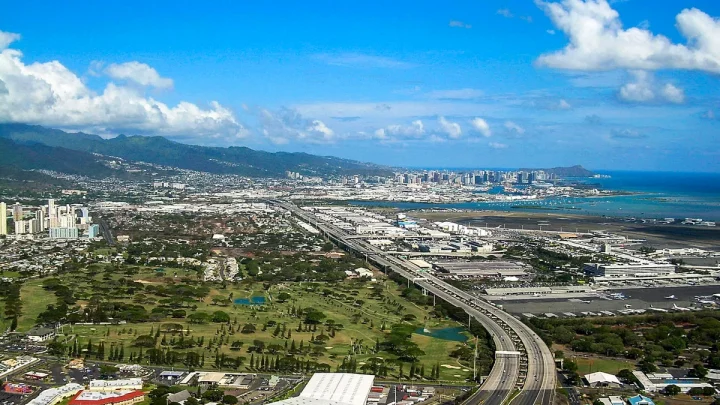
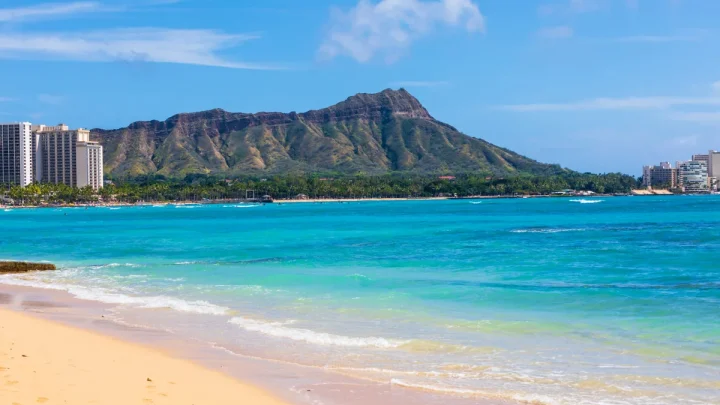
Image source: Web (Bing) / andrewshoemaker.com (Web image (fair-use with source credit))
Use this simple framework to match your travel goals with the right destination.
Choose Oahu If You Want Culture, Variety, and Budget Flexibility
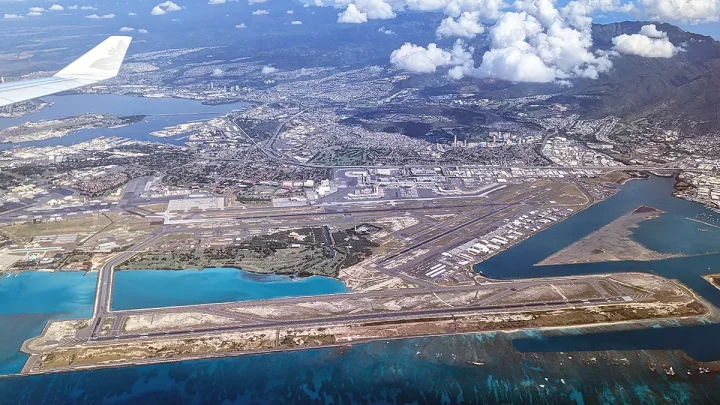
- If you want to keep flight and lodging costs lower, choose Oahu. It has the most competitive air routes into Daniel K. Inouye International Airport.
- If you want lively nightlife, craft cocktail lounges, and late-night dining, choose Oahu. Neighbor islands generally shut down by 9:00 PM.
- If you prefer not to drive every day, choose Oahu. TheBus and walkable districts like Waikiki and Kakaako make car-free travel practical.
Skip Oahu (or Split Your Stay) If You Want Pure Seclusion and Raw Nature
- If you want volcanic landscapes and luxury golf resorts, choose Maui or Hawaii Island.
- If you want quiet hiking trails, dramatic sea cliffs, and sleepy towns, choose Kauai.
- If you have at least eight days, consider splitting your trip. Spend three days on Oahu for culture and historical sites, then fly to Kauai or Maui for seclusion.
The Real Cost of an Oahu Trip: Hidden Expenses and Budget Breakdown
Oahu is often the most affordable Hawaiian island for baseline expenses, but unexpected fees add up quickly. Planning your budget ahead of time keeps your trip on track.
- Lodging and Resort Fees: Average hotel rates range from $220 to $450 per night. Most resorts tack on mandatory daily amenity fees of $35 to $60.
- Parking Fees: If you rent a car in Waikiki, expect overnight valet or self-parking charges between $45 and $65 per night.
- Permit and Entry Fees: Popular state sites require paid reservations for non-residents. Hanauma Bay charges $25 per adult, while Diamond Head State Monument charges $5 per person plus $10 for vehicle parking.
- Transit vs. Car Rental: A HOLO card for TheBus costs $3.00 per ride or $7.50 for an all-day pass. Renting a car only on the days you leave Honolulu saves hundreds of dollars.
How to Experience Oahu the Right Way: 4 Practical Travel Workflows
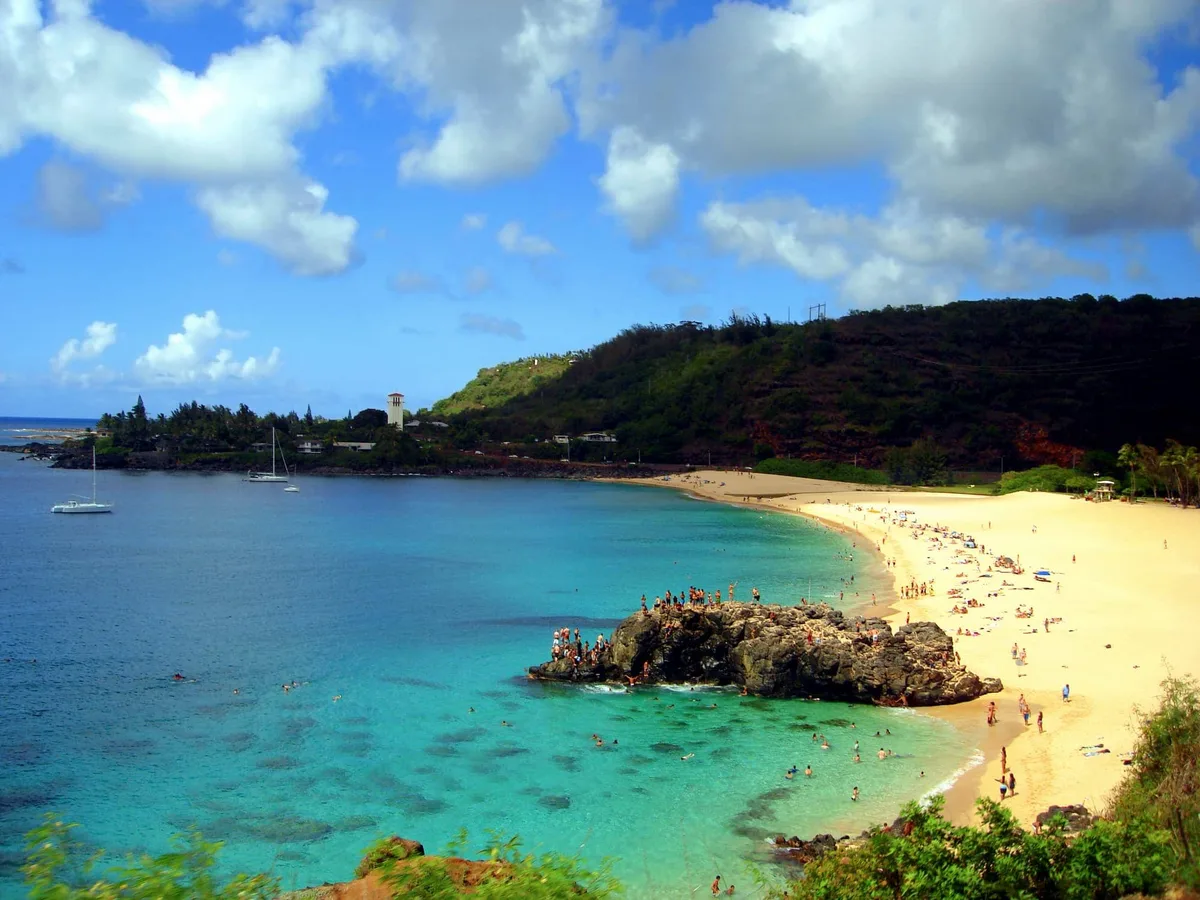
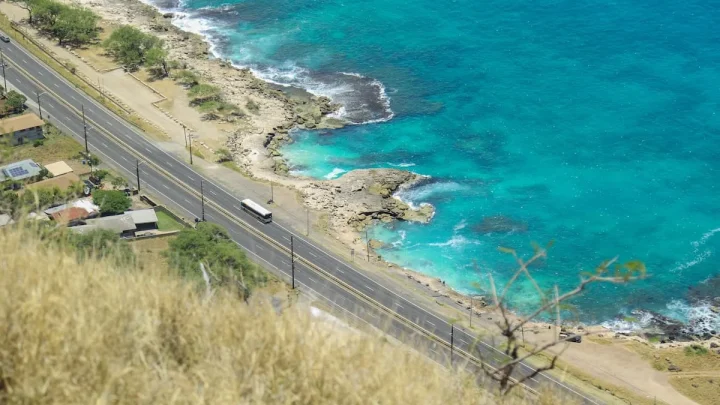
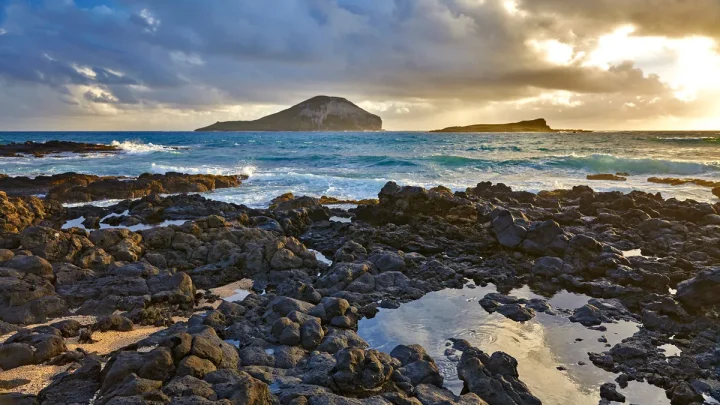
Image source: Web (Bing) / haleiwatown.com (Web image (fair-use with source credit))
Your experience depends on how you structure your daily schedule. Here are four practical workflows based on different travel styles.
The "No-Car" Urban and Beach Workflow
Base yourself in central Waikiki. Walk to the beach in the morning, explore Kapiolani Park, and use TheBus or rideshares to visit the Bishop Museum and downtown Honolulu. Rent a car for just a single 24-hour window to tour the island perimeter.
The Split-Stay Strategy: Waikiki Meets the North Shore
Divide a seven-night stay into two parts. Spend four nights in Waikiki to enjoy dining, shopping, and Pearl Harbor. Then move to a rental on the North Shore near Haleiwa for three days of laid-back surf culture and sunset watching.
The Foodie and Cultural Deep-Dive
Focus your itinerary on historic and culinary neighborhoods. Spend time eating poke in Kapahulu, exploring the street art and microbreweries of Kakaako, and touring Iolani Palace. Book dinner reservations at least three weeks in advance.
The Nature and Hiking Route (Without the Crowds)
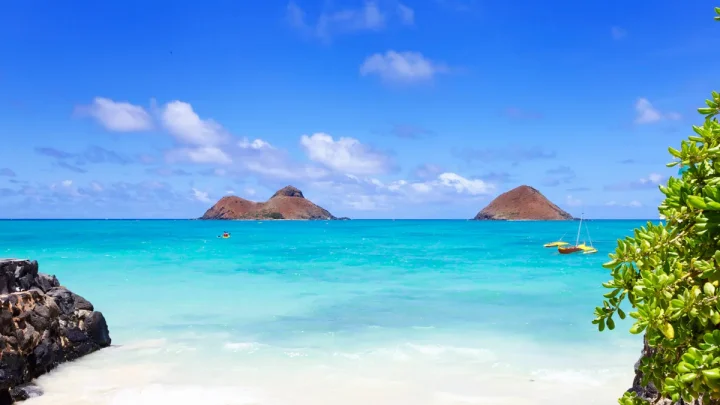
Head out early to beat the heat and tour buses. Hike the Makapuu Point Lighthouse Trail at sunrise, kayak to the Mokulua Islands from Kailua Beach, and explore the lush botanical gardens along the Windward Coast. Always pack reef-safe sunscreen compliant with Hawaii state law.
Critical Mistakes That Ruin an Oahu Vacation (and How to Avoid Them)
Simple planning errors can quickly drain your budget or waste valuable vacation hours. Our research into visitor feedback highlights five common mistakes you should avoid.
- Leaving valuables in rental cars: Vehicle break-ins are common at popular trailheads and quiet beach parks. Never leave backpacks, cameras, or luggage visible in your car. Take essential items with you and leave the rest at your hotel.
- Underestimating island traffic: Rush hour traffic on the H-1 freeway can double your commute time between 6:00 AM and 8:30 AM, and again between 3:30 PM and 6:30 PM. Plan excursions outside these peak commuting windows.
- Missing reservation deadlines: Access to Hanauma Bay, Diamond Head State Monument, and the USS Arizona Memorial requires advance booking. Hanauma Bay slots open online exactly two days in advance at 7:00 AM local time and sell out within minutes.
- Touching or crowding protected wildlife: State and federal laws strictly prohibit approaching Hawaiian monk seals and green sea turtles (honu). You must maintain a distance of at least 10 feet from sea turtles and 50 feet from monk seals.
- Ignoring winter ocean warnings: North Shore waves can reach heights of 30 feet or more between November and February. Never turn your back on the ocean, and always swim near active lifeguard towers.
Frequently Asked Questions About Visiting Oahu
How many days do you need on Oahu?
You need at least four to five full days to explore Oahu comfortably. This allows enough time to tour historic sites in Honolulu, hike along the Windward Coast, and spend a dedicated day on the North Shore without rushing your daily itinerary.
Is Oahu cheaper than Maui or Kauai?
Yes, Oahu is generally more affordable than neighbor islands. Flights into Honolulu are cheaper, and the wide range of hotel inventory creates competitive lodging prices. Oahu also offers practical public transit, so you do not have to pay for a daily rental car.
Do you really need a car on Oahu?
You do not need a rental car if you stay in Waikiki or downtown Honolulu. You can walk, take TheBus, or use rideshare services for city attractions. Renting a car for just one or two days is the best way to explore remote scenic points.
What is the best month to visit Oahu?
April, May, September, and October offer the best combination of pleasant weather, warm ocean temperatures, and moderate crowds. Summer brings heavy family travel, while winter brings large surf swells and higher hotel rates across the island.
Is Waikiki too touristy?
Waikiki is densely developed with high-rise hotels, shopping malls, and crowded beaches. However, it also offers calm swimming waters, excellent dining, and great walkability. If you prefer quiet natural settings, stay on the North Shore or the Windward Coast instead.
Final Verdict: When to Book Oahu and When to Look Elsewhere
Oahu offers the most well-rounded introduction to the Hawaiian islands. It combines world-class historical landmarks, rich cultural traditions, diverse food, and accessible ocean sports.
Book Oahu if you want a dynamic mix of city energy and scenic coastlines on a flexible budget. You will enjoy world-famous beaches without sacrificing access to great restaurants and nightlife.
Look elsewhere if you want complete quiet, untouched rainforests, or an exclusive resort retreat. For raw nature and quiet trails, choose Kauai. For luxury romance and whale watching, choose Maui.
If you want the full spectrum of what Hawaii has to offer in one place, Oahu is well worth the trip.

Similar Posts