Is Oahu the Same as Honolulu? The Real Difference
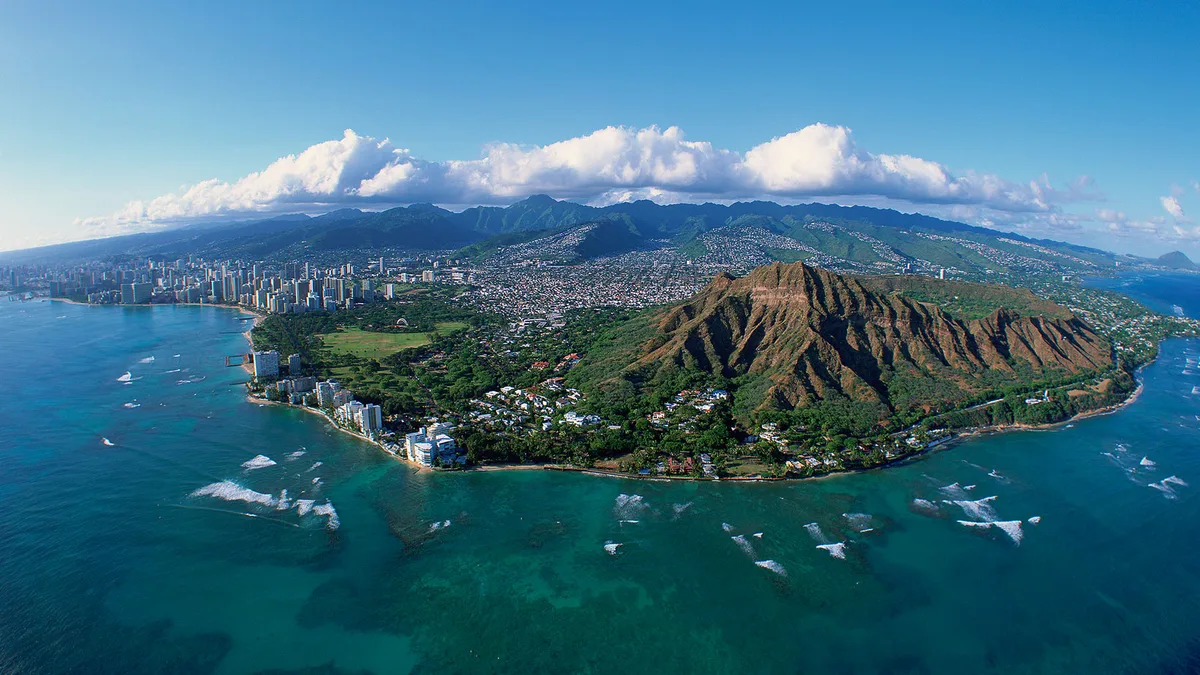
Planning a trip to Hawaii often brings up confusion about local geography. Many travelers ask is oahu honolulu, assuming the two names refer to the exact same place. They are closely connected, but they are not identical.
Oahu is a complete island spanning roughly 597 square miles, while Honolulu is the state capital located on its south shore. In our research across state administrative data and travel logistics, treating them as interchangeable leads to major planning mistakes. Here is how the island and its primary city actually fit together.
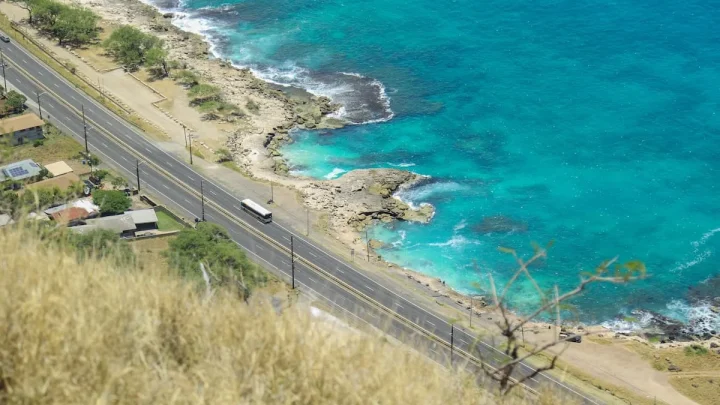
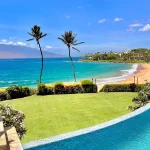
Image source: Web (Bing) / windows10spotlight.com (Web image (fair-use with source credit))
Quick Answer: Is Oahu Honolulu?
The question is oahu honolulu has a simple answer. No, Oahu is not Honolulu. Oahu is a complete Hawaiian island.
Honolulu is a major city on that island. Honolulu serves as the capital city of Hawaii. You will find Honolulu along the southern coast of Oahu.
Island vs. City: Understanding the Core Geographic Differences
To understand the difference, think of the relationship between New York State and New York City. One is the broader geographic landmass. The other is a specific urban center located within it.
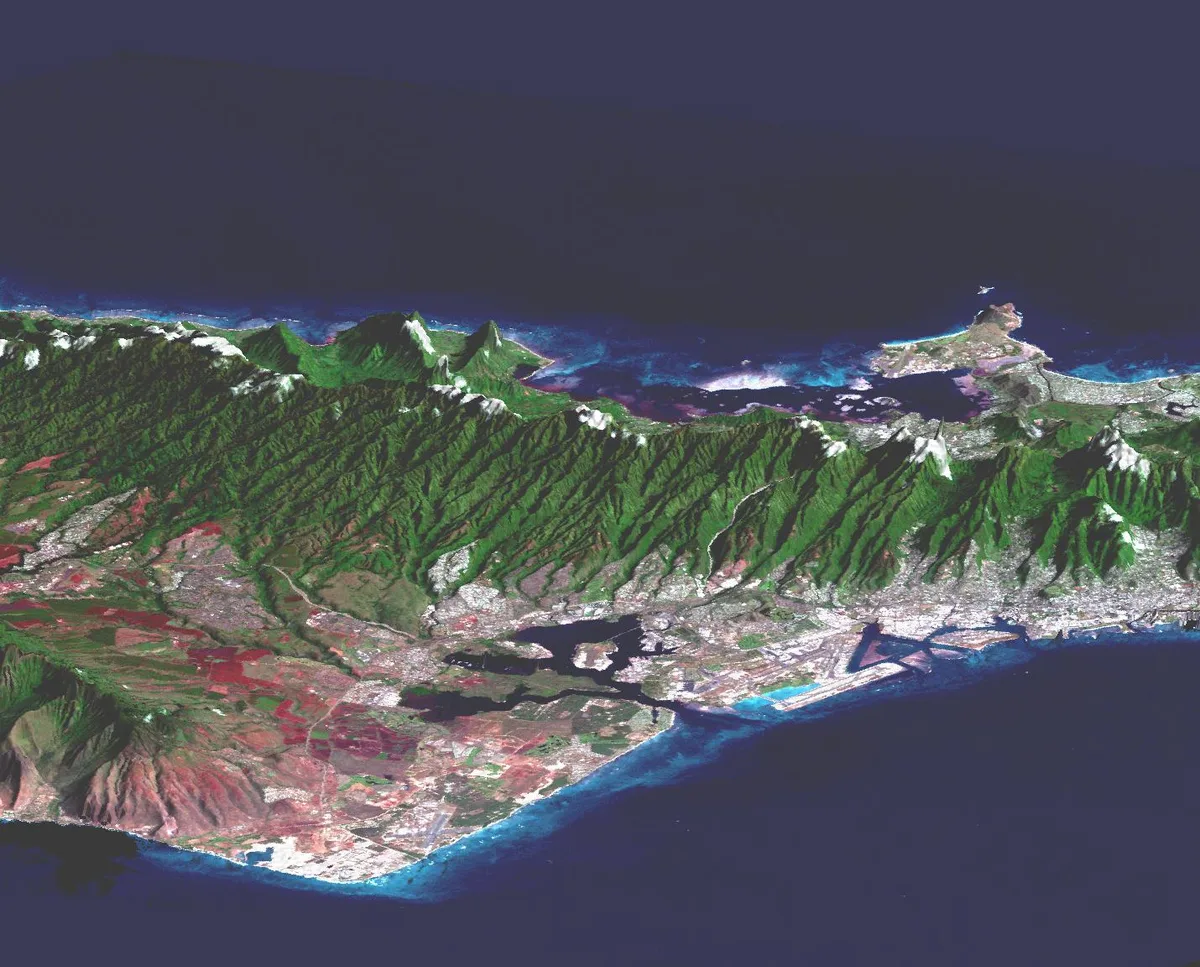
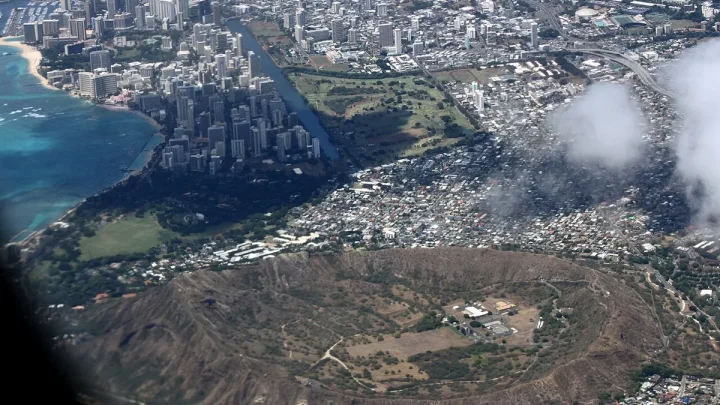
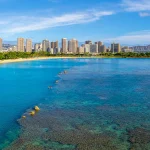
Image source: Bing (Web (fair-use with source credit))
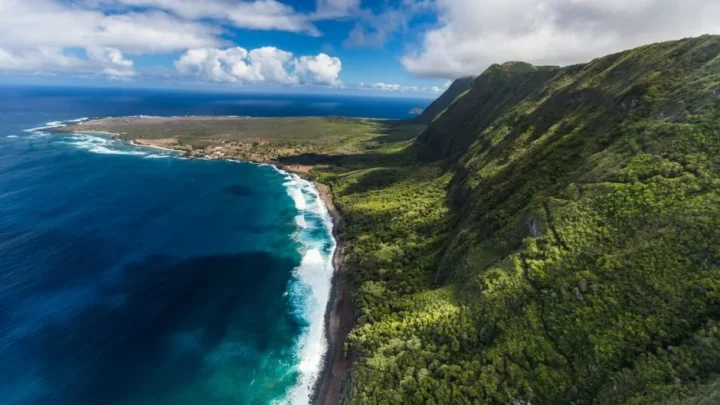
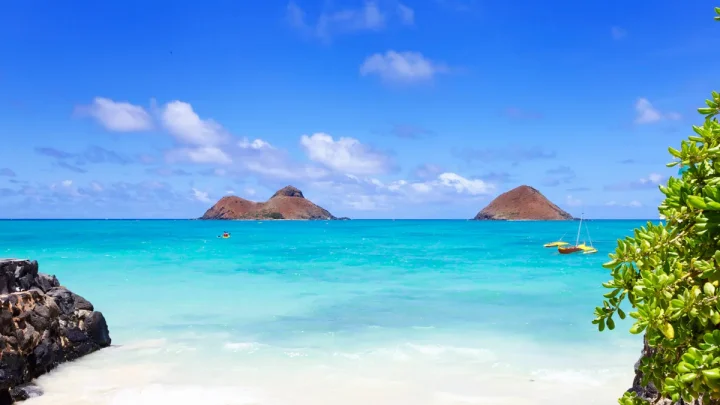
Oahu is the third largest of the Hawaiian Islands by land area. It formed from two separate shield volcanoes, which created the Koʻolau Mountain Range on the east and the Waiʻanae Mountain Range on the west. Between these mountain ridges sit fertile valleys, quiet coastal surf towns, and suburban communities.
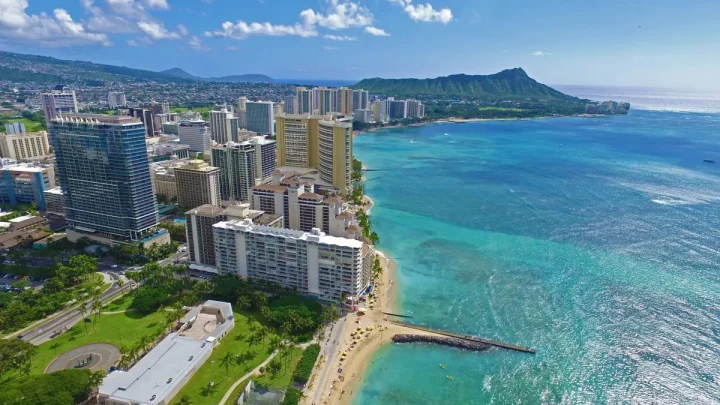
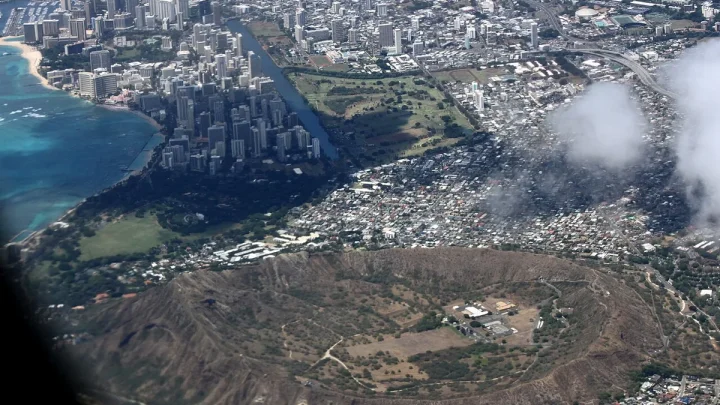
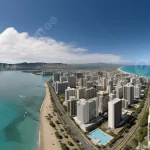
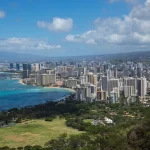
Honolulu sits on the southeastern coast of the island. It is the economic engine and cultural core of the state. When people picture towering oceanfront hotels, luxury shopping strips, and business high-rises, they are picturing urban Honolulu.
According to data from the U.S. Census Bureau, roughly one million people live on Oahu as of 2026. About 350,000 of those residents live within the urban core of Honolulu proper.
The rest of the population is spread across residential towns, windward communities, and rural coastal farming areas.
The Legal Twist: Why the Entire Island Is Technically "Honolulu County"
Much of the confusion comes from local government structure. Unlike most mainland states, Hawaii has no separate municipal city governments. There is no independent city council for small towns on the island.
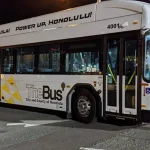
Instead, the island operates under a single consolidated government known as the City and County of Honolulu. This single administrative body manages public services for the entire island. The Honolulu Police Department, the Honolulu Fire Department, and the island public bus system cover every district from south to north.
Because of this system, postal addresses across the island can be confusing. You might send mail to a home on the rural North Shore, yet the mailing address might list Honolulu as the city. Legally and administratively, the whole island falls under Honolulu County jurisdiction.
Geographically and culturally, Honolulu remains just the urban south shore.
Breaking Down Oahu: Urban Honolulu vs. The Rest of the Island
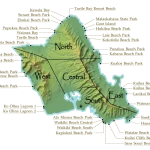
Oahu is divided into distinct regions. Each area features its own climate, landscape, and pace of daily life.
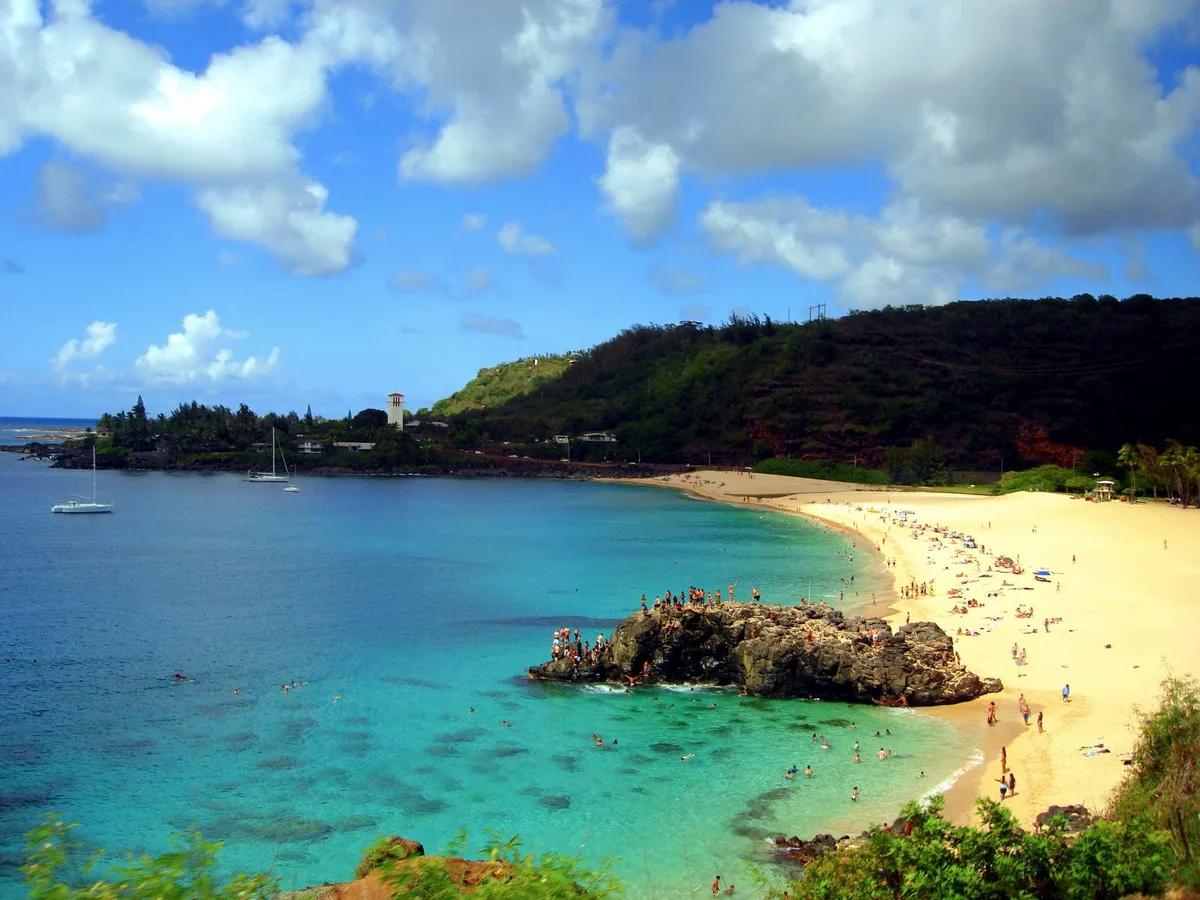
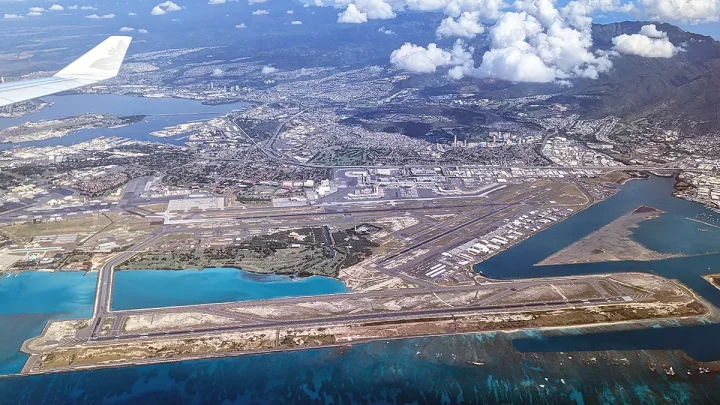
Image source: Web (Bing) / spirit.flashthereadies.com (Web image (fair-use with source credit))
The Urban Core: South Shore (Honolulu, Waikīkī, Downtown)
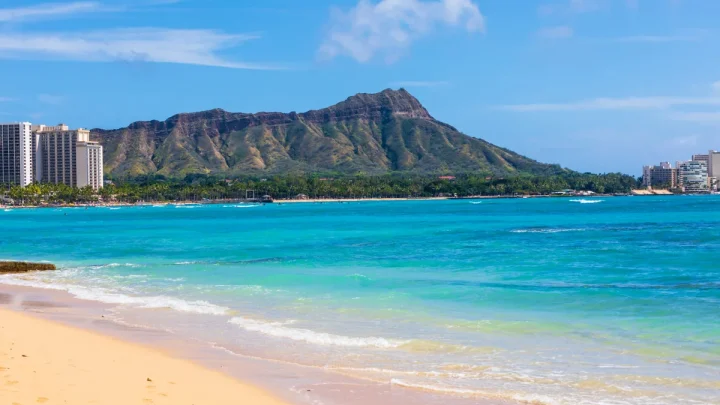
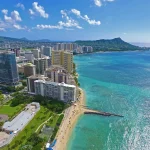
The south shore is home to Honolulu and its famous neighborhoods. This includes Waikīkī, the main tourist and resort hub of the island. It also holds Downtown Honolulu, the historic Arts District in Chinatown, and the modern residential high-rises of Kakaʻako.
This region offers high walkable density, hundreds of restaurants, and energetic nightlife. It is fast-paced compared to the rest of the island.
The Windward Coast: Lush, Laid-Back, and Scenic
The Windward Coast sits on the eastern side of the Koʻolau Mountains. Trade winds push clouds against the steep cliffs, making this area lush and green with frequent light showers.
Key towns here include Kailua, Kāneʻohe, and Waimānalo. This side features powdery white sand beaches and quiet residential neighborhoods. You will find local boutiques and casual cafes rather than high-rise hotel strips.
The North Shore: Legendary Surf and Country Living
Locals refer to the North Shore simply as "the country." It sits roughly an hour drive north of downtown Honolulu.
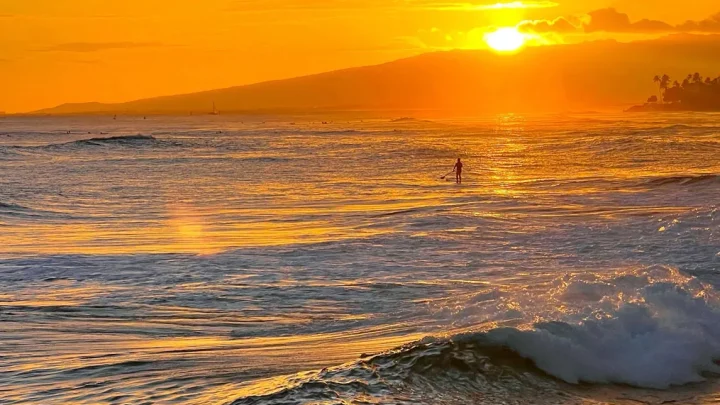
This area revolves around world-class surfing hubs like Waimea Bay, Sunset Beach, and the Banzai Pipeline. The historic surf town of Haleʻiwa serves as the commercial hub, filled with food trucks, surf shops, and art galleries. Big winter swells bring professional surf competitions, while summer brings calm waters for snorkeling.
Central Oahu and the Leeward Coast
Central Oahu is an elevated plateau between the mountain ranges. It houses historic pineapple fields in Wahiawā, residential communities like Mililani, and the Pearl Harbor National Memorial.
The Leeward Coast on the western shore is dry, sunny, and hot. It features the luxury resort development of Ko Olina, as well as local communities like Kapolei, Waiʻanae, and Mākaha.
Oahu vs. Urban Honolulu at a Glance: Key Specs and Characteristics
Comparing the two directly helps clarify what to expect across different parts of the island.
| Feature | Oahu (The Island) | Urban Honolulu (The City) |
|---|---|---|
| Geographic Type | Hawaiian Island | State Capital and Metropolitan Area |
| Total Land Area | ~597 square miles | ~68 square miles (urban core) |
| Population | ~1,000,000 residents | ~350,000 residents |
| Environment | Mountains, surf breaks, valleys, farmlands | High-rises, harbor ports, urban streets |
| Primary Attractions | North Shore surf, Pearl Harbor, Kualoa Ranch | Waikīkī Beach, Iolani Palace, Ala Moana Center |
| Transportation | Rental car highly recommended for touring | Walkable, rideshare, public transit (TheBus, Skyline) |
| Best For | Road trips, nature hikes, diverse landscapes | Nightlife, dining, shopping, resort convenience |
Understanding this split allows you to choose the right base for your trip. Urban Honolulu gives you city convenience, while the broader island of Oahu provides outdoor adventure.
Planning Your Trip: Should You Stay in Honolulu or Explore the Rest of Oahu?
Deciding where to base yourself comes down to the kind of vacation you want. If you want walkability, lively restaurants, and effortless beach access, staying in urban Honolulu makes sense. Waikīkī offers the largest concentration of hotels, oceanfront bars, and tour departures.
You rarely need a rental car if your main goal is lounging on the sand and shopping along Kalākaua Avenue.
If you prefer quiet mornings, dramatic mountain backdrops, and open spaces, look outside the city. Staying along the North Shore or in the resort enclave of Ko Olina provides a slower rhythm. You will wake up to birds and ocean waves rather than city traffic.
A balanced approach works best for many travelers:
- Days 1 to 3: Stay in Honolulu or Waikīkī. Enjoy the dining scene, visit Pearl Harbor, hike Diamond Head, and soak in the urban beach energy.
- Days 4 to 7: Rent a car and head out to the North Shore or Windward Coast. Spend your time exploring botanical gardens, checking out coastal surf spots, and eating at local fruit stands.
Remember that Hawaii strictly regulates short-term vacation rentals outside designated resort zones. Most legal vacation rentals are located in Waikīkī, Ko Olina, and Turtle Bay on the North Shore. Booking residential rentals outside these zones can lead to sudden cancellations if unpermitted properties face county enforcement.
Common Misconceptions Travelers Have About Oahu and Honolulu
First-time visitors often run into logistical headaches because they confuse the city with the entire island. Here are the most common myths to avoid when making your plans.
- Myth: Honolulu is just an airport and a beach. Many travelers land at Daniel K. Inouye International Airport (HNL) and head straight to Waikīkī, thinking they have seen the city. Honolulu also contains historic landmarks like Iolani Palace, working harbors, and thriving arts districts.
- Myth: You never need a rental car on Oahu. If you stay entirely within Waikīkī or downtown Honolulu, parking fees are high and public transit is easy. But if you want to explore the scenic overlooks of the Windward Coast or the tide pools of the North Shore, a rental car is essential.
- Myth: Oahu is entirely concrete and skyscrapers. While urban Honolulu has dense high-rise corridors, the majority of Oahu consists of dramatic green mountain ranges, protected agricultural valleys, and rural shorelines. A 30-minute drive out of downtown takes you into deep tropical landscapes.
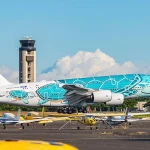
- Myth: Honolulu airport is only for Honolulu city. Daniel K. Inouye International Airport serves the entire island of Oahu. No matter where you stay on the island, this is the primary commercial airport you will fly into.
Frequently Asked Questions About Oahu and Honolulu
What is the difference between Oahu and Honolulu?
Oahu is the physical island, while Honolulu is the primary city located on Oahu's southern shore. Oahu contains mountains, rural surf towns, and suburban valleys. Honolulu contains the state capital, high-rise hotels, the financial center, and the famous neighborhood of Waikīkī.
Is Waikīkī the same as Honolulu?
No, Waikīkī is a neighborhood located within the city of Honolulu. It is a roughly 1.5-square-mile district famous for its resort hotels, nightlife, and world-renowned beachfront. Honolulu contains many other neighborhoods, including Downtown, Kakaʻako, Mānoa, and Kahala.
What is the main airport on Oahu?
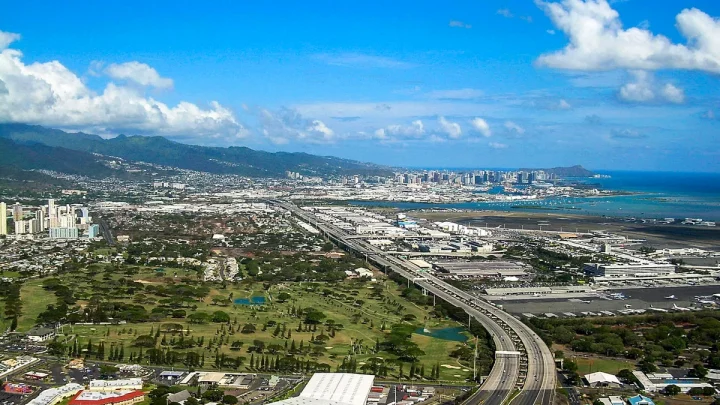
The main airport is Daniel K. Inouye International Airport, which uses the airport code HNL. It sits along the south shore of Oahu, roughly five miles west of downtown Honolulu.
It serves both international flights and domestic routes from the mainland and neighbor islands.
Do I need a car if I visit Oahu?
You do not need a car if you plan to stay strictly within urban Honolulu and Waikīkī, where rideshares and public buses are plentiful. You will want a rental car if you plan to explore the North Shore, visit windward beaches, or hike mountain ridges across the rest of Oahu.
Why do some letters say Honolulu, HI for addresses outside the city?
The entire island is governed as a single municipal entity called the City and County of Honolulu. Because of this consolidated government, the United States Postal Service uses Honolulu as the primary administrative city designation for several mailing zones across the entire island.

Similar Posts