Where to Go in Hawaii: Best Islands & Must-See Tourist Spots

Where should tourists go in Hawaii? That question trips up a lot of first timers. The islands look similar on postcards.
They feel totally different in person. Picking the right one saves you money and disappointment.
In our research, average daily hotel rates swing from about $280 on Oahu to over $600 in Wailea, Maui, as of 2026. That gap shapes where you will actually enjoy your stay. You will also find that flight times, crowd levels, and even beach colors change by island.
Let us walk through what each island does best so you can match it to your style.
Where to Go in Hawaii: Best Islands & Must-See Tourist Spots
Where should tourists go in Hawaii?
Oahu suits first timers seeking convenience and culture. Maui balances beaches, resorts, and scenic drives beautifully. Kauai offers quiet hiking, waterfalls, and dramatic cliffs.
The Big Island delivers volcanoes, stargazing, and varied beaches. Choose based on your priorities, budget, and trip length.
Why Choosing the Right Hawaiian Island Matters More Than You Think
Hawaii is not one beach repeated six times. Each island has its own pace, price, and personality. If you love nightlife and easy bus routes, quiet Kauai will feel isolating.
If you crave empty trails, Waikiki will feel overwhelming.
Island hopping means taking short inter-island flights between islands on one trip. Those flights take 30 to 50 minutes. They still add cost, packing, and airport time.
Most first timers are happier picking one or two islands and really exploring them.
Your choice also affects your budget. Per the Hawaii Tourism Authority, Oahu sees the highest visitor numbers and the widest range of stays from hostels to luxury. Maui and Kauai lean pricier, with fewer budget options and higher resort fees.
The Big Island can be cheaper per night, but you will drive a lot more.
Think about logistics too. Oahu has the best public transit and tour availability. The outer islands almost require a rental car.
As of 2026, rental cars still sell out in peak weeks, so booking early matters more outside Honolulu. Choosing the wrong base means you will spend your vacation in traffic instead of on the beach.
Oahu vs Maui vs Kauai vs Big Island: What Each Island Actually Feels Like
This is the heart of the tradeoff. In our research, aggregate reviews consistently describe these four islands in very different ways. Here is how they actually feel day to day.
Oahu — Waikiki, Pearl Harbor, and the North Shore
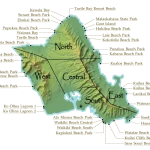
Oahu is the most convenient and the most crowded. Waikiki packs hotels, restaurants, shopping, and a calm, swimmable beach into a walkable strip. You can visit Pearl Harbor, Iolani Palace, and Diamond Head without a car.
The North Shore feels rural, with big winter surf and famous food trucks.
It is best for first timers, culture lovers, and anyone who wants options without heavy planning. The drawback is crowds and traffic, especially around Honolulu.
Maui — Resorts, Molokini Crater, and the Road to Hana
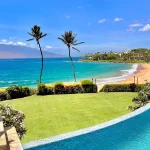
Maui blends resort comfort with natural drama. West and South Maui offer Ka'anapali and Wailea, two polished resort areas with excellent snorkeling nearby. Molokini Crater is a crescent shaped reef famous for clear water.
The Road to Hana delivers waterfalls and rainforest, though it is a full 10 to 12 hour day if you do it right.
Maui is great for couples, honeymooners, and families who want a balanced trip. It is less about nightlife than Oahu and pricier than the Big Island.
Kauai — The Na Pali Coast, Waimea Canyon, and Quiet Adventure
Kauai is green, quiet, and rugged. The Na Pali Coast has sheer cliffs you can see by boat, helicopter, or the challenging Kalalau Trail. Waimea Canyon earns its nickname as the Grand Canyon of the Pacific.
Beaches are beautiful and less developed, with strong currents in winter.
Kauai suits hikers, nature lovers, and travelers who want to unplug. Dining and nightlife are limited. You will need a car and a plan for rain, the north shore stays lush for a reason.
Hawaii Island (Big Island) — Volcanoes, Mauna Kea, and Black Sand Beaches
The Big Island is larger than all the other islands combined. You get active volcanoes in Hawai'i Volcanoes National Park, snow capped Mauna Kea for stargazing, and Punalu'u Black Sand Beach on one trip. Kona on the west side is dry and sunny.
Hilo on the east side is wet and waterfall filled. The National Park Service manages volcano updates and park reservations, so check conditions before you go.
It is perfect for curious travelers who want variety in one place. Be prepared for long drives. Kona to Hilo is about two hours.
Lanai and Molokai — For Total Seclusion and Off-the-Grid Hawaii
Lanai is small, luxurious, and very quiet, with two Four Seasons resorts and empty beaches. Molokai is even more off grid, with no traffic lights and a strong Native Hawaiian community. Both have limited flights, dining, and infrastructure.
They are best as a short add on if you truly want to disconnect, not as a first island.
Side-by-Side Comparison: Beaches, Crowds, Costs, and Culture
If you are torn between two islands, this breakdown helps. It reflects what aggregate visitor reviews and tourism data consistently report.
| Island | Beach Style | Crowds & Vibe | Avg Cost* | Culture & Sightseeing |
|---|---|---|---|---|
| Oahu | Wide white sand, calm Waikiki, big North Shore surf in winter | Most crowded, lively, urban | $$ | Pearl Harbor, Iolani Palace, museums, food scene |
| Maui | Golden sand, Molokini snorkeling, resort lagoons | Busy resorts, relaxed outside towns | $$$ | Haleakala sunrise, Road to Hana, whaling history |
| Kauai | Wild coves, cliffs, fewer swimmable spots in winter | Quiet, slow, natural | $$$ | Waimea Canyon, Na Pali Coast, small towns |
| Big Island | Black sand, green sand, white sand all in one island | Spread out, uncrowded outside Kona | $$ | Volcanoes, Mauna Kea, coffee farms, petroglyphs |
- Avg Cost is relative nightly lodging and dining as of 2026. $ = more budget options, $$$ = most expensive average.
A few patterns stand out. Oahu gives you the most choice and the easiest logistics. Maui gives you the most polished classic Hawaii experience if budget allows.
Kauai gives you scenery that feels untouched. The Big Island gives you the most diversity per day, but you will spend more time in the car.
Water conditions also tip the scale. South shores are calmer in summer. North shores see high surf in winter, especially on Oahu and Kauai.
If swimming with kids is your priority, aim for leeward, west facing beaches in your travel season.
Best Hawaiian Island for Your Travel Style
Use your travel style as the filter. The right match beats any generic ranking.
- First time and short trip (4 to 5 days): Oahu. You can land, stay in Waikiki, and see history, hiking, and beaches without inter island flights.
- Honeymoon or anniversary: Maui. It offers luxury resorts, sunset sails, and easy romance with enough activities to avoid boredom.
- Families with young kids: Oahu or Maui. Both offer calm beaches, easy tours, and many condo style stays with kitchens.
- Hikers and adventure seekers: Kauai or Big Island. Kauai for cliffs and canyons, Big Island for volcano hikes and high altitude stargazing.
- Surfers: Oahu North Shore in winter, or Big Island and Maui for more beginner friendly breaks in summer.
- Budget conscious: Oahu, base outside Waikiki like Kapolei or Kailua. You will find better hotel competition and TheBus to cut transport costs.
- Seeking quiet and culture: Kauai for nature quiet, Molokai or Lanai if you want almost no crowds and understand services are limited.
If you have 7 to 10 days, a two island split works well. Pair Oahu with Kauai for city plus nature. Pair Maui with the Big Island for resorts plus volcanoes.
Avoid trying to do three islands in a week. You will lose a day to each flight and airport transfer.
Booking tip that applies to every style. Reserve timed entries early. Hanauma Bay on Oahu, Haleakala sunrise on Maui, and popular Na Pali Coast hikes all use reservation systems.
In our research, these sell out weeks ahead in peak season, so lock them before you lock dinner plans.
What to Budget, When to Go, and What to Book Early
Maui and Kauai usually cost the most per night. Oahu and the Big Island give you more range. As of 2026, expect about $280 to $400 for a solid 3 star hotel in Waikiki.
That same quality in Wailea or Poipu often runs $500 to $700. Condos help families save with kitchens and laundry.
Timing matters for price and weather. Peak season runs mid December to March and June to August. Shoulder season in April to May and September to November brings lower rates and thinner crowds.
Our research shows the leeward west and south sides stay drier year round. Windward east sides are lush because they get more rain.
Book these early or you will pay more later.
- Rental car, especially on Maui and Kauai
- Inter island flights on Hawaiian Airlines or Southwest
- Timed reservations for Hanauma Bay, Haleakala sunrise, and Kalalau Trail permits
- Popular snorkel and Na Pali Coast boat tours
Final Decision Guide: Should You Stay on One Island or Split Two?
If you have 4 to 5 days, stay on one island. You will save a full travel day and keep logistics simple. Oahu or Maui works best for short stays because you can do a lot without long drives.
If you have 7 days or more, a two island split is worth it. Pair islands that contrast each other. Oahu plus Kauai gives you city energy and quiet nature.
Maui plus the Big Island gives you resorts and volcanoes. Do not try to do three islands in one week. You will spend more time in airports than on beaches.
Use this quick filter to decide. Choose Oahu if convenience, history, and dining top your list. Choose Maui if you want polished beaches and easy variety.
Choose Kauai if hiking and scenery are your priority. Choose the Big Island if you want volcanoes, stargazing, and different beach colors without hopping flights.
FAQs About Where to Go in Hawaii
Which Hawaiian island is best for first time visitors?
Oahu is best for first timers. You get Waikiki beaches, Pearl Harbor, Diamond Head, and many tours in one base. You can also use public transport and avoid a rental car for a few days.
Which island has the best beaches for swimming?
Maui and Oahu have the most consistently swimmable beaches for families. Look to leeward west and south shores in your travel season. Kauai and the North Shore have stronger surf in winter.
Is it worth island hopping in Hawaii?
It is worth it if you have 7 to 10 days. Two islands gives you good variety without rushing. With fewer days, stick to one island and explore it well.
What is the cheapest Hawaiian island to visit?
Oahu is usually cheapest overall. It has the most flights, hotels, and food options at different price points. The Big Island can also be affordable, but factor in fuel and driving time.
How many days do you need per island?
Plan at least 4 to 5 days per island. That gives you time for beaches, one big activity, and a buffer for weather. For the Big Island, add an extra day for driving.

Similar Posts