Is Hawaii a Big Tourist Attraction? Why Millions Visit

Is Hawaii a big tourist attraction? If you're wondering whether it's worth the hype, the short answer is yes. It's one of the most visited island destinations in the United States, and it draws millions every single year.
In our research the scale surprised even seasoned travelers.
Per the Hawaii Department of Business, Economic Development & Tourism reporting, the state welcomed about 9.64 million visitors in 2023 and nearly the same as of 2026 estimates. That number tells you Hawaii isn't just popular, it's consistently massive. Let's break down what that really looks like.
Is Hawaii a big tourist attraction?
Yes, Hawaii is a huge tourist attraction. It welcomes nearly 10 million visitors every year. Visitor spending tops 20 billion dollars annually as of 2026.
It ranks among the top US leisure destinations by arrivals. Its draw stays strong despite high costs and distance.
How Many People Actually Visit Hawaii? Annual Arrivals From the 2019 Peak to 2024
If you want the real answer, look at the arrival counts. They show just how big Hawaii's pull is and how quickly it bounced back.
How big is Hawaii tourism by the numbers?
It is huge, and it has been for decades. The state peaked at 10.42 million visitors in 2019. That was the all time high before the pandemic shut travel down.
In our research, the recovery curve is what stands out. Arrivals collapsed in 2020, climbed steadily through 2021 and 2022, and hit 9.64 million again in 2023. Preliminary 2024 figures tracked by the Hawaii Department of Business, Economic Development & Tourism point to roughly 9.6 to 9.7 million, essentially back to pre pandemic levels.
Here is the timeline at a glance:
| Year | Estimated Visitor Arrivals | Context |
|---|---|---|
| 2019 | 10.42 million | Record peak year |
| 2020 | 2.72 million | Pandemic travel restrictions |
| 2022 | 9.25 million | Strong US domestic rebound |
| 2023 | 9.64 million | Near full recovery |
| 2024 | ~9.7 million | Stabilized demand as of 2026 reporting cycle |
What does that mean for you as a visitor?
You will not be alone, even in shoulder season. April, May, September and early November are quieter. But they are still busy compared to most US beach markets.
The data also shows repeat visitors matter. About one third of travelers are returning. That is rare for a long haul destination and speaks to loyalty.
The Money Behind the Crowds: Visitor Spending, Daily Census, Hotel Occupancy and Jobs
Arrivals tell half the story. Spending tells the other half. Hawaii visitors do not just come, they spend heavily while they are there.
How much money does Hawaii tourism generate?
A lot, even by US state standards. Total visitor spending hit about 20.78 billion dollars in 2019. In 2023 it was close to 20.0 billion dollars, despite slightly fewer arrivals.
That is because per person daily spend rose.
In our research, three metrics explain the economic weight best. Average length of stay sits around 8.9 days. Average daily spend per person runs about 227 dollars.
And the average daily census, meaning visitors in the islands on any given day, hovers around 246,000 people.
| Metric | Statewide Average (2023-2024) | Why It Matters |
|---|---|---|
| Total Visitor Spending | ~$20 billion per year | Direct economic impact |
| Daily Spend Per Person | ~$227 | Hotels, food, activities |
| Daily Visitor Census | ~246,000 | People present each day |
| Hotel Occupancy | 74% to 78% | Demand for rooms |
Why do jobs and occupancy matter to travelers?
Tourism supports about 216,000 jobs statewide. That is roughly one in six jobs in Hawaii. It also drives a 16 to 17 percent share of state GDP.
For you that translates to strong infrastructure. Hotels, tours, shuttles and restaurants stay open year round. But it also means high prices.
Statewide average daily rates run 380 to 410 dollars per night, and occupancy stays tight. Book early for summer and winter holidays.
Where Everyone Really Goes: Oahu, Maui, Big Island and Kauai by Visitor Share
Hawaii is not one place. It is six main islands, and visitors do not spread evenly. Understanding the split helps you pick the right vibe and avoid the busiest spots.
Which island gets the most visitors?
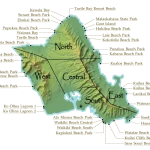
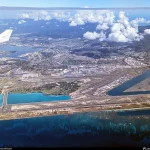
Oahu gets the most, by far. It accounts for about 53 percent of arrivals, thanks to Waikiki, Honolulu and Pearl Harbor. Most first time visitors land at Daniel K.
Inouye International Airport there.
Maui is next at about 24 percent. The Big Island, or Island of Hawaii, draws about 17 percent. Kauai sees about 13 percent.
Totals overlap because many travelers hop between islands.
What is each island best known for?
Use this quick guide to match your trip to the island:
- Oahu: City plus beach, Waikiki Beach, Diamond Head, Pearl Harbor National Memorial, Polynesian Cultural Center. Best if you want activities, food and history in one place.
- Maui: Resort beaches, Road to Hana, Haleakala National Park, Lahaina area. Best for honeymoons and classic resort stays.
- Big Island: Hawaii Volcanoes National Park with Kilauea and Mauna Loa, black sand beaches, coffee farms. Best for volcanoes and dramatic landscapes.
- Kauai: Na Pali Coast, Waimea Canyon, lush rainforests. Best for hiking and quiet nature.
- Lanai and Molokai: Very low visitor counts. Best for off the grid escapes.
If you want fewer crowds, look beyond Oahu. Our research shows Kauai and the Big Island offer more breathing room, while still delivering the core Hawaii experience.
Why Hawaii Pulls Nearly 10 Million Visitors a Year
So why does Hawaii outperform other beach destinations that are cheaper and closer? It is not just one thing. It is a stack of advantages that few places can match.
Is it just about beaches?
No, beaches are the hook, not the whole story. Hawaii offers year round warm weather with no real off season. That matters for travelers who need reliable sun in January or July.
Because it is a US state, domestic travelers need no passport. You use US dollars, your phone plan works, and you have access to US standards for safety and healthcare. For families that removes friction.
The culture also stands apart. Native Hawaiian traditions, music, hula and luau experiences give you something you cannot copy elsewhere. Add in surf breaks, snorkeling, hiking, coffee and volcanic landscapes within a short flight, and you get variety without leaving the country.
- Easy for Americans: No passport, no currency exchange, English everywhere.
- Always in season: Average highs of 78 to 85 degrees year round.
- Compact diversity: Beach, volcano, rainforest and desert in one trip.
- Strong infrastructure: World class resorts, inter island flights, guided tours everywhere.
- Proven safety net: US regulations, lifeguarded beaches, National Park Service support. For park conditions see the National Park Service updates for Hawaii Volcanoes and Haleakala.
Hawaii also benefits from reputation. It has been marketed for decades as the aspirational US getaway. That creates word of mouth, repeat visits and honeymoon tradition that newer destinations struggle to match.
The Trade-Off of Being That Popular: Costs, Crowds, and Post-Maui Wildfire Realities
Popularity has a downside, and you'll notice it fast. Hawaii is one of the most expensive US leisure destinations. That is the trade for year round demand and isolation in the middle of the Pacific.
Flights from the West Coast often run 600 to 900 dollars round trip in peak months. A casual lunch can hit 20 dollars, and Waikiki parking alone can add 40 to 60 dollars per night. In our research, a one week trip for two typically lands between 5,000 and 8,000 dollars before tours.
How do crowds affect your experience?
Oahu feels it most. The H1 corridor backs up daily, Waikiki sidewalks stay packed, and popular hikes like Diamond Head now require reservations. Maui and Kauai are less dense but Road to Hana traffic and limited parking at beaches still slow you down.
You can soften the impact with timing. Go in late April, early May, September or early November. Book sunrise hikes and Pearl Harbor tickets 30 to 60 days out.
Stay outside Waikiki if you want quiet evenings.
What should you know about respect and recovery?
Overtourism puts real pressure on locals and reefs. Housing costs have risen with short term rentals, and coral stress is visible at heavily visited snorkel spots. Follow the reef safe sunscreen law that bans oxybenzone and octinoxate, and respect kapu signs at cultural sites.
Maui needs extra sensitivity since the August 2023 Lahaina wildfire. West Maui has reopened in phases, while Lahaina town itself remains largely closed. Check county advisories before you book, and support businesses that are clearly open.
FAQs About Hawaii as a Tourist Destination
Is Hawaii the most visited tropical destination in the US?
It is one of the top tropical draws for US travelers. Hawaii sees nearly 10 million visitors a year as of 2026 estimates. Florida beaches see more overall, but for an island getaway Hawaii leads on spend, length of stay and repeat visits.
How crowded is Hawaii on a typical day?
Very crowded by island standards. The average daily census is about 246,000 visitors present on any day. Oahu holds more than half of them.
You will feel it at Waikiki, Pearl Harbor and top trailheads. Early mornings and shoulder months are calmer.
Why is Hawaii so expensive to visit?
Distance and demand drive the price. Almost everything is flown or shipped in, and hotel occupancy stays at 74 to 78 percent year round. That keeps the average daily rate near 380 to 410 dollars.
Add resort fees, inter island flights and high food costs.
Is it safe to visit Maui after the 2023 wildfires?
Yes, most of Maui is open and welcoming visitors. South Maui, Central Maui and Upcountry are fully operating. West Maui beyond Lahaina has reopened with care.
Lahaina town remains restricted out of respect for residents. Confirm your hotel and tour status directly before you go.
When is the best time to visit Hawaii to avoid crowds?
Late April to early June and September to early November are the sweet spots. Weather stays warm, prices dip a bit and beaches are less packed. Winter holidays and June through August are the busiest and most expensive periods to fly and stay.

Similar Posts