Which Oahu Beach Is Famous for Surfing Competitions?
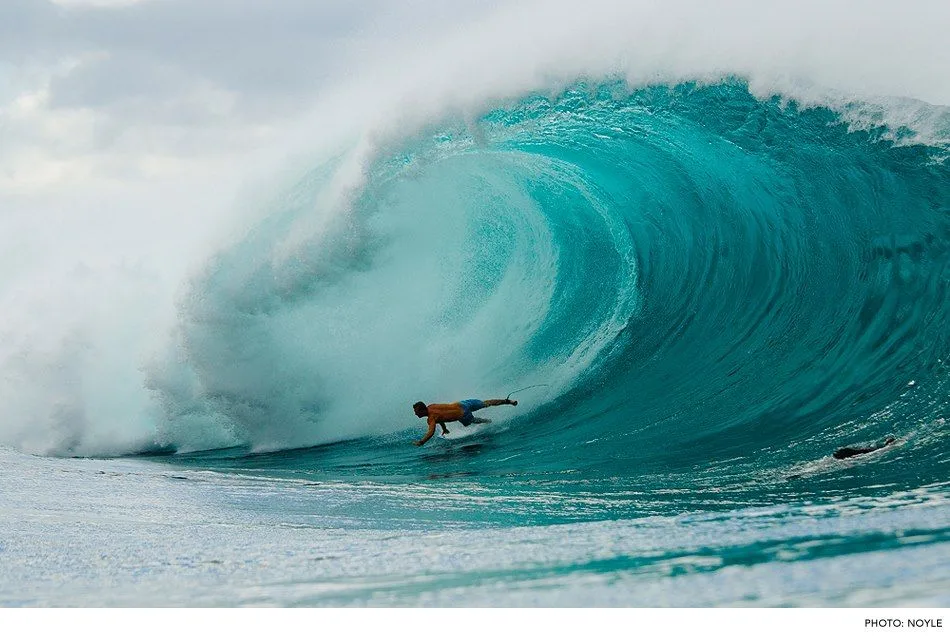
If you want to know which oahu beach is famous for its annual surfing competition, the clear answer is Ehukai Beach Park. This legendary North Shore stretch is home to the world-famous Banzai Pipeline. Every winter, top professional surfers gather on these sands to test themselves against hollow, explosive ocean tubes.
Deep North Pacific winter swells push over a shallow volcanic reef shelf just fifty yards from the sand. As of 2026, the venue hosts the Lexus Pipe Pro as the premier opening event on the global tour calendar. Oahu also features several neighboring arenas along the same coast that host historic contests of their own.
Image source: Web (Bing) / pinterest.com (Web image (fair-use with source credit))
Quick Answer
Ehukai Beach Park is the most famous Oahu beach for annual surfing competitions. It is universally known as the Banzai Pipeline. The beach hosts the prestigious Lexus Pipe Pro every winter.
Nearby Waimea Bay hosts the historic Eddie Aikau Big Wave Invitational. Sunset Beach stages the annual Hurley Pro Sunset Beach contest.
Breaking Down Oahu's Legendary Surf Arenas
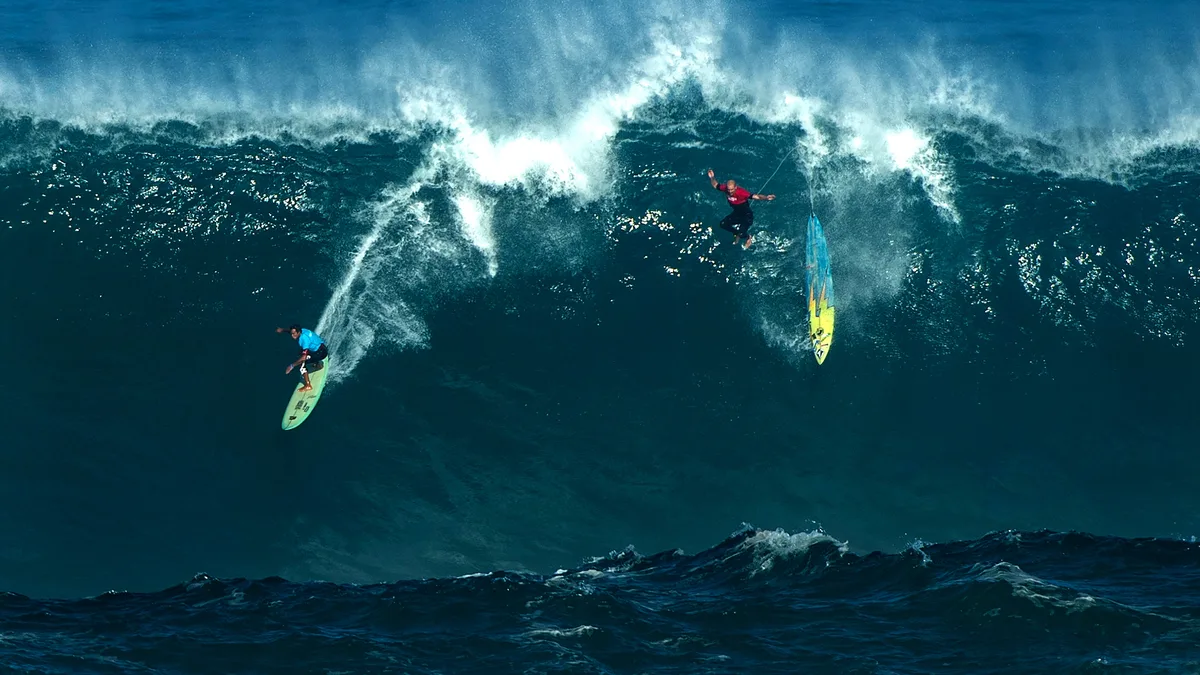
Image source: Web (Bing) / brobible.com (Web image (fair-use with source credit))
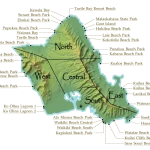
Oahu's North Shore is known globally as the Seven-Mile Miracle. While Ehukai Beach Park takes top billing for its tube-riding arena, four distinct beaches anchor Oahu's professional competitive history. Each venue demands completely different wave-riding skills.
Ehukai Beach Park (The Banzai Pipeline)
Ehukai Beach Park contains the Banzai Pipeline, often referred to simply as Pipe. The wave breaks over a shallow, cavernous coral reef in three to ten feet of water. The left-breaking wave produces wide, explosive barrels, while the right-hand wave, known as Backdoor, offers steep, technical tubes.
The beach hosts the World Surf League Championship Tour every winter. It also hosts the Vans Pipe Masters specialty invitational. Because the reef sits close to the sand, spectators get an intimate, front-row view of the most dangerous wave in competitive surfing.
Waimea Bay: The Birthplace of Big-Wave Surfing
Waimea Bay is the grand stage of big-wave riding. Unlike Pipeline, Waimea needs massive swells to wake up. The break requires open-ocean swells of at least twenty feet on the traditional Hawaiian scale, which translates to wave faces exceeding forty feet.
Waimea is home to The Eddie Aikau Big Wave Invitational. The event honors the legendary Hawaiian waterman and Hokuleʻa crew member. Because it requires massive, clean conditions, the contest has run only ten times since its founding in 1984.
The bay forms a natural amphitheater, letting thousands of fans watch from surrounding cliffs.
Sunset Beach: The Ultimate Test of Power Surfing
Located two miles northeast of Pipeline, Sunset Beach is an expansive, deep-water reef break. The playing field covers a huge area with shifting peaks, strong currents, and heavy chop.
Sunset hosts the annual Hurley Pro Sunset Beach event. Surfers must read open-ocean lines and execute critical turns across massive wave faces. It offers a classic showcase of traditional power surfing rather than tight tube riding.
Makaha Beach: West Oahu's Historic Longboard Stage
Outside the North Shore, Makaha Beach on the Waianae Coast holds an essential place in surfing history. Makaha hosted the historic Makaha International Surfing Championships in 1954, which was the first international surf contest ever broadcast on television.
Today, Makaha hosts Buffalo’s Big Board Surfing Classic. This annual celebration emphasizes classic Hawaiian style, tandem surfing, canoe surfing, and traditional longboarding.
Side-by-Side Comparison: Oahu’s Contest Breaks Compared
Each Oahu competition beach serves a different role in professional surfing. The table below outlines how these premier competition sites compare across major features.
| Beach Venue | Primary Annual Competitions | Wave Characteristics | Spectator Proximity |
|---|---|---|---|
| Ehukai Beach Park (Pipeline) | Lexus Pipe Pro, Vans Pipe Masters | Heavy left/right barrel over shallow reef | Very close (50 to 100 yards) |
| Waimea Bay | The Eddie Aikau Big Wave Invitational | Massive open-ocean drop and deep water bowl | Panoramic cliff and wide beach views |
| Sunset Beach | Hurley Pro Sunset Beach | Shifting peaks, deep water, massive face carves | Distant lineup (binoculars recommended) |
| Makaha Beach | Buffalo’s Big Board Surfing Classic | Long peeling rights, open ocean shoulder | Moderate distance with wide beach setup |
If your goal is watching high-speed tube rides right off the dry sand, Ehukai Beach Park is unbeatable. If you want to experience the rare spectacle of giant forty-foot walls of water, Waimea Bay during an active swell is unmatched.
Understanding Contest Windows, Formats, and "The Call"
Professional surf competitions do not operate like stadium sports with rigid start times. Organizers use holding windows that typically span ten to fourteen days between November and March.
Every morning during an active window, contest directors evaluate the ocean conditions at dawn. They analyze data from offshore weather buoys managed by the National Weather Service alongside local wind and tide reports.
By 6:45 AM or 7:00 AM local time, officials make "The Call." The status will fall into one of three categories:
- ON: Ocean swell, wind direction, and tide align with competition standards. Heats begin within sixty minutes.
- STANDBY: Conditions are improving or waiting on a rising swell. Directors delay the start for a few hours.
- OFF: Waves are too small, wind is onshore, or conditions are hazardous without contest quality. The event pauses for the day.
Most competitions use four-man or two-man heats lasting twenty-five to thirty-five minutes. Surfers hold priority rotation, which dictates who has the right of way for incoming waves. Judges score rides on a ten-point scale based on commitment, difficulty, speed, and maneuver variety.
Planning Your Trip: How to Watch a North Shore Surf Contest Live
Watching a world-class contest from the sand is one of the best free spectator experiences in sports. A little preparation goes a long way toward avoiding gridlock and common beach hassles.
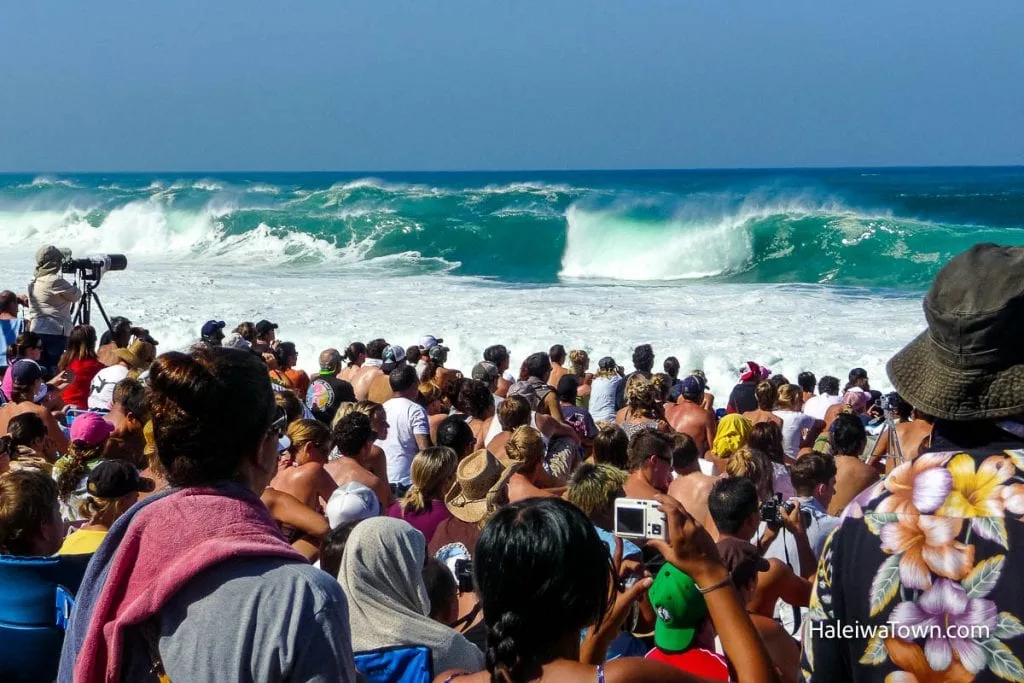
Image source: Web (Bing) / haleiwatown.com (Web image (fair-use with source credit))
Timing and Transportation Logistics
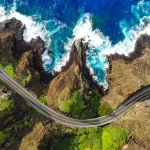
Two-lane Kamehameha Highway is the only main road connecting the North Shore breaks. On contest days, traffic slows to a crawl between Haleiwa and Pupukea.
Plan your arrival using these practical guidelines:
- Arrive Before 7:00 AM: Parking lots at Ehukai and Sunset Beach fill up before dawn on contest days.
- Park Legally: Ensure all four tires are completely off the pavement if parking on side streets. Local police strictly ticket and tow cars that block bike lanes or driveways.
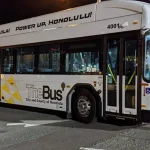
- Use Public Transit: The Oahu TheBus Route 60 runs along Kamehameha Highway, providing drop-offs near every major North Shore beach park.
Essential Gear for Beach Spectators
Contest days mean spending five to eight hours exposed to direct sunlight and salt air. Packing the right items keeps you comfortable all day:
- Polarized Sunglasses and Binoculars: Lineups at Sunset Beach and Waimea break several hundred yards offshore, making magnification useful.
- Reef-Safe Sunscreen and Sun Hats: Hawaii law requires mineral sunscreens without oxybenzone or octinoxate to protect marine ecosystems.
- Beach Shade and Low Chairs: Bring a pop-up umbrella or shade canopy, and set it up behind the main sightline of other spectators.
- Refillable Water Jugs and Cash: North Shore food trucks near Shark's Cove and Ehukai offer local plate lunches, but cellular service can glitch during large events.
Critical Beach Safety and North Shore Etiquette
North Shore beaches during the winter contest season are hazardous for casual swimming. Shorebreak waves dump tons of water directly onto dry sand, which causes severe neck and back injuries every season.
City and County of Honolulu lifeguards post warning signs along contest corridors. If you visit during an active swell, follow these vital safety guidelines:
- Never Turn Your Back on the Ocean: Sudden rogue sets easily wash up the berm and sweep personal items or spectators into deep water.
- Stay Out of the Water: Do not paddle out or swim at Ehukai, Sunset, or Waimea during high surf warnings unless you are an expert waterman.
- Respect Contest Boundary Tape: Event staff mark off athlete staging areas and broadcast towers. Always keep walkways clear for competitors.
- Protect Coastal Sand Dunes: Stay off fragile dune vegetation when walking between beach sections. Use designated public paths.
Always pack out your trash and respect local neighborhood driveways. The North Shore is a tight residential community that welcomes surf fans who treat the coastline with care.
Frequently Asked Questions About Oahu’s Surf Competitions
Which Oahu beach is most famous for its annual surfing competition?
Ehukai Beach Park is the most famous Oahu beach for annual surfing competitions. It is known worldwide as the Banzai Pipeline. The beach hosts major events like the Lexus Pipe Pro and the Vans Pipe Masters every winter.
What is the Triple Crown of Surfing?
The Triple Crown of Surfing is a historic three-event contest series held across Oahu's North Shore. It traditionally includes Haleiwa Aliʻi Beach Park, Sunset Beach, and the Banzai Pipeline. Winning the Triple Crown title is one of the highest honors in professional surfing.
When is the best time of year to watch surf contests on Oahu?
The best time to watch surfing competitions on Oahu is between November and March. Large North Pacific groundswells strike the northern reefs during these winter months, creating consistent conditions for world-class competitions.
Can anyone swim at Ehukai Beach during a surf competition?
No, the public cannot swim in active competition zones during a contest. Powerful shorebreak and dangerous rip currents make the water unsafe for casual swimming during the winter swell season.
How do I know if a North Shore surf contest is running today?
Contest directors make "The Call" every morning at dawn between 6:45 AM and 7:30 AM local time. You can check the live status on the official World Surf League website or the event organizer social channels.
Is it free to watch surfing competitions on Oahu?
Yes, all surfing contests on Oahu take place on public beaches and are completely free for spectators. Arrive early to secure parking, and bring your own shade, water, and sun protection.

Similar Posts