The Real Reason Oahu Has So Many Wild Chickens
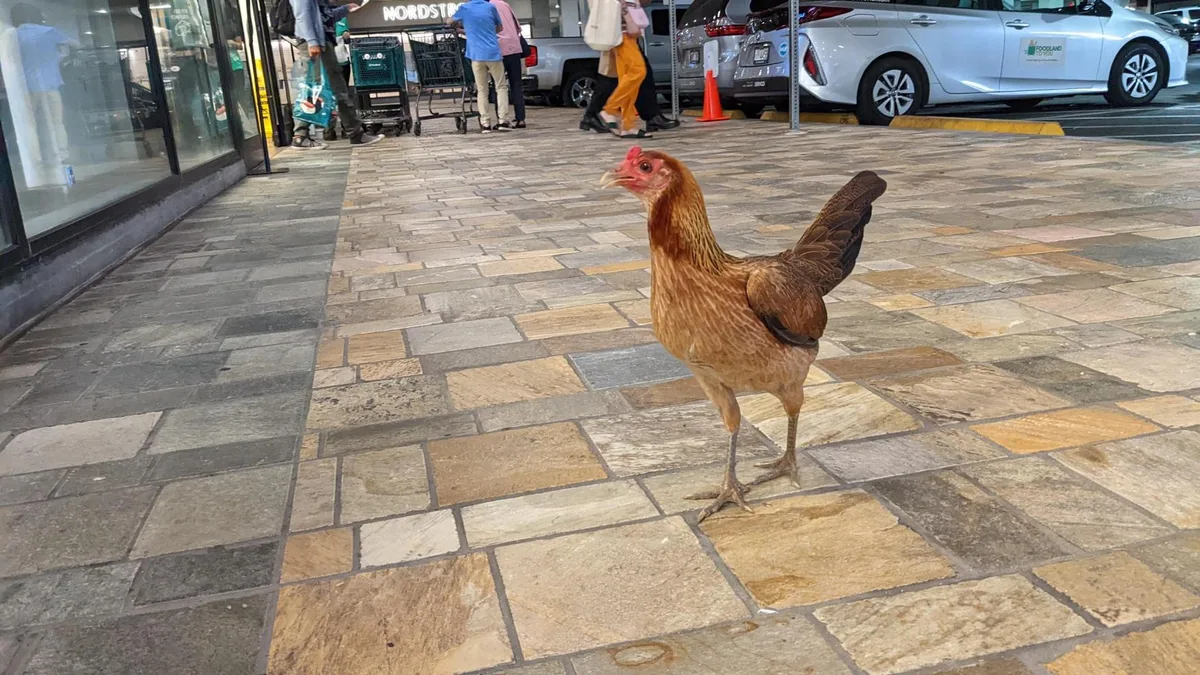
If you have spent any time near Honolulu or the North Shore, you have probably asked why are there so many chickens in oahu. Wild roosters, hens, and chicks wander through resort walkways, suburban neighborhoods, and strip-mall parking lots across the island.
Research tracking urban island wildlife shows feral fowl populations can double every two years under ideal tropical conditions. This rapid growth comes from a blend of ancient Polynesian history, escaped game birds, and an island ecosystem with virtually no natural predators to stop them.
Image source: Web (Bing) / khon2.com (Web image (fair-use with source credit))
Quick Answer
Chickens thrive on Oahu due to warm weather and missing predators.
Early Polynesian voyagers brought ancestral junglefowl to the islands centuries ago.
Escaped domestic farm hens and gamecock breeds later interbred with them.
The introduced mongoose hunts during the day while chickens sleep in trees.
Abundant food waste and backyard insects keep wild flocks breeding year-round.
The Perfect Storm Behind Oahu's Exploding Feral Chicken Population
Oahu provides an ideal habitat for feral fowl (Gallus gallus domesticus). Unlike mainland regions, the island never experiences freezing temperatures or prolonged seasonal food shortages. Wild hens can easily hatch multiple clutches every year without winter die-offs thinning the population.
Human suburban expansion has also created massive feeding grounds. Open trash bins, scattered fast food, and outdoor pet dishes supply endless calories. In lush valleys like Manoa and Kaneohe, damp lawns provide a rich daily diet of bugs, earthworms, and seeds.
Urban infrastructure gives wild flocks safe hiding spots. Chickens nest under freeway overpasses, behind commercial air-conditioning units, and inside dense tropical landscaping. With continuous food and plenty of shelter, flocks multiply across both rural and urban zip codes.
From Polynesian Moa to Escaped Gamecocks: The Genetic Timeline
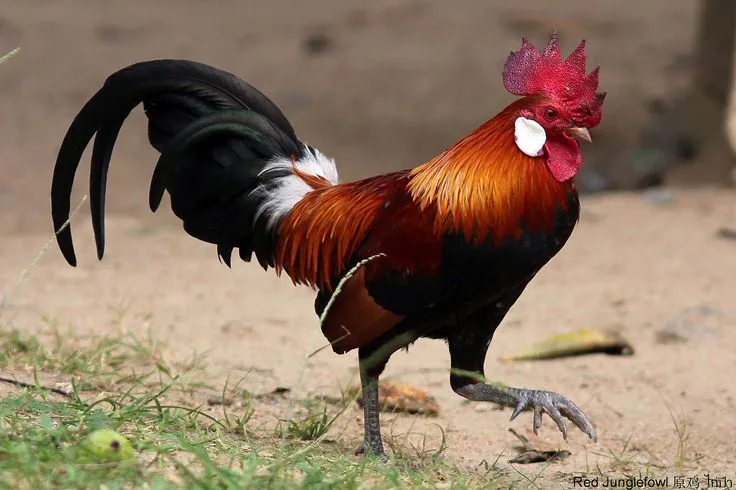
Image source: Web (Bing) / pinterest.com (Web image (fair-use with source credit))
The story of Oahu's chickens began around 800 years ago. Polynesian voyagers carried Red Junglefowl (Gallus gallus), known locally as moa, in their voyaging canoes. These original birds were smaller, cautious, and stayed primarily in remote forest canopies.
European settlement in the 19th century introduced heavier domestic farm breeds for meat and egg production. Later, underground cockfighting cultures brought aggressive, athletic gamefowl varieties onto the island. Over several decades, escapes and illegal releases allowed these distinct strains to crossbreed freely in suburban fringes.
According to agricultural data from the University of Hawaii CTAHR, today's feral chickens possess high hybrid vigor. They combine the wild survival instincts of ancestral moa with the physical resilience and larger clutch sizes of modern commercial chickens.
Why Oahu's Ecosystem Lets Wild Fowl Multiply Without Limits
On the mainland, foxes, coyotes, raccoons, and bobcats keep wild bird populations in check. Oahu has none of these apex predators. Feral cats and loose dogs take some young chicks, but they rarely hunt full-grown, aggressive roosters.
Many people assume the Small Asian Mongoose (Urva auropunctata) controls the bird population, but their habits do not match. The mongoose is diurnal, hunting strictly during the day on ground level. Feral chickens fly high into monkeypod, ironwood, and banyan trees at dusk to roost safely out of reach.
Because mature hens and roosters face almost zero nighttime predation, adult mortality remains exceptionally low. As of 2026, researchers observe that high chick survival rates allow local neighborhood flocks to expand continuously throughout every season.
Oahu vs. Kauai: Separating Hurricane Iniki Lore from Urban Reality
Visitors often confuse the feral chicken situation on Oahu with that of Kauai. Kauai's massive chicken boom traces back directly to Hurricane Iwa (1982) and Hurricane Iniki (1992). Those storms destroyed commercial poultry coops, releasing thousands of domestic birds into a predator-free forest environment with zero mongooses.
| Factor | Oahu | Kauai |
|---|---|---|
| Primary Origin | Escaped gamefowl and urban releases | Hurricane coop destruction (Iniki, 1992) |
| Mongoose Presence | Established island-wide | Absent (strictly prohibited) |
| Flock Distribution | Concentrated in parks, highways, and suburbs | Spread throughout deep forests and beaches |
| Genetic Makeup | Heavy fighting breed and domestic mix | Pure Red Junglefowl hybrid mix |
| Management Focus | Municipal commercial trapping contracts | Community tolerance and natural dispersal |
Oahu's population surge stems from continuous small-scale releases rather than a single natural disaster. Clandestine gamecock breeding operations and abandoned backyard coops steadily feed new genetics into Honolulu's parks and residential valleys.
The Daily Impact: 3 A.M. Crowing, Destroyed Lawns, and Centipede Control
Living alongside feral chickens brings distinct daily frustrations for Oahu residents. Roosters do not wait for sunrise to crow. Streetlights, passing car headlights, and barking dogs trigger territorial crowing at 2:00 AM and 3:00 AM, creating chronic neighborhood sleep disruption.
Foraged lawns and garden beds suffer heavy physical damage. Hens use their strong claws to tear through landscape mulch and turf roots in search of grubs. Flocks also leave droppings across driveways, public park benches, and outdoor restaurant patios, raising concerns regarding avian mites and salmonella.
However, wild chickens deliver one clear ecological benefit. They actively hunt and consume dangerous island pests, including scorpions and giant Hawaiian centipedes (Scolopendra subspinipes). For some valley homeowners, having fewer venomous centipedes around the foundation offsets the daily nuisance of early morning noise.
Why Honolulu’s Trapping Contracts Struggle to Solve the Problem

Image source: Web (Bing) / alibaba.com (Web image (fair-use with source credit))
Managing the wild bird surge on Oahu is a major challenge for local government. Over the past decade, the City and County of Honolulu has allocated hundreds of thousands of dollars to private pest control contractors. These contractors set corral and walk-in funnel traps across public parks, municipal golf courses, and city properties.
Municipal trapping records show capturing a single feral bird often costs taxpayers between $50 and $100. Despite thousands of birds captured and humanely euthanized each year, overall flock numbers rebound quickly.
The main hurdle is jurisdictional boundaries. City-funded trappers are only authorized to remove birds from municipal land. When trapping begins in a public park, flocks easily retreat across property lines into private yards, state highway corridors, or commercial strip malls.
Once a targeted trapping cycle ends, remaining birds return to the cleared space. Because food resources remain abundant, surviving hens produce larger clutches, quickly restoring flock numbers back to peak levels.
Practical Ways to Deter Wild Chickens from Your Property (and Laws to Know)
Keeping feral chickens off private property requires consistent exclusion tactics. You cannot control what happens on adjacent public streets, but you can make your yard unappealing to foraging flocks.
- Eliminate food sources: Never leave cat or dog food outside. Keep trash bins tightly sealed and turn compost piles regularly so insects remain buried deep underground.
- Deploy motion sprinklers: Infrared motion-activated water sprinklers create an unexpected physical deterrent. They startle foraging birds and push them toward other areas without causing injury.
- Protect garden soil: Lay chicken wire or hardware cloth under decorative wood mulch. This stops hens from scratching through topsoil and damaging plant roots.
- Trim low branches: Prune dense shrubs and lower tree canopies. Removing low perches prevents roosters from establishing secure nighttime roosts on your property.
When taking action, homeowners must follow state regulations. Under Hawaii Revised Statutes Chapter 711, feral chickens receive protection under state animal cruelty laws. Poisoning birds or setting inhumane snares carries severe criminal penalties.
Discharging firearms, pellet rifles, or airsoft guns in residential neighborhoods violates county safety ordinances. If a flock creates an unbearable disruption, property owners can hire licensed wildlife removal operators listed through the Hawaii Department of Agriculture.
Frequently Asked Questions About Oahu’s Feral Chickens
Are feral chickens on Oahu protected by law?
Feral chickens on Oahu are not classified as an endangered or threatened species. However, they are protected under Hawaii state animal cruelty statutes. You cannot poison, torture, or inhumanely trap them.
Property owners may only use humane live traps or contract state-licensed pest management professionals for removal.
Can you eat feral chickens in Oahu?
While feral chickens are biologically edible, aggregate local feedback notes the meat is exceptionally tough, lean, and stringy. Because urban chickens forage on street litter, road runoff, and non-regulated feed, their meat may carry parasites or environmental contaminants. Most residents strongly advise against eating wild urban fowl.
Why don't mongooses eat all the chickens on Oahu?
Mongooses on Oahu are diurnal, meaning they forage strictly during daylight hours on the ground. Feral chickens adapt by flying up into tall banyan and monkeypod trees at dusk to sleep. While mongooses occasionally raid ground nests for eggs, adult chickens remain safely out of reach during the night.
Who do you call to remove feral chickens in Honolulu?
For chickens located in public parks, bus facilities, or city roads, residents can report issues to the Honolulu Department of Customer Services. For private residential yards, commercial plazas, or private apartment complexes, owners must hire and pay for an independent, licensed pest control service to trap and remove the flock.
Do feral chickens carry diseases to humans or pets?
Feral chickens can harbor Salmonella bacteria, avian pox, and external ectoparasites like chicken mites and fleas. Their droppings can contaminate lawns, patios, and garden soil. Direct contact with nesting sites should be handled with gloves and thoroughly washed down to reduce health risks for households and domestic pets.

Similar Posts