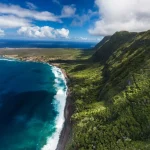
Are There Deer on Oahu? The Surprising Truth
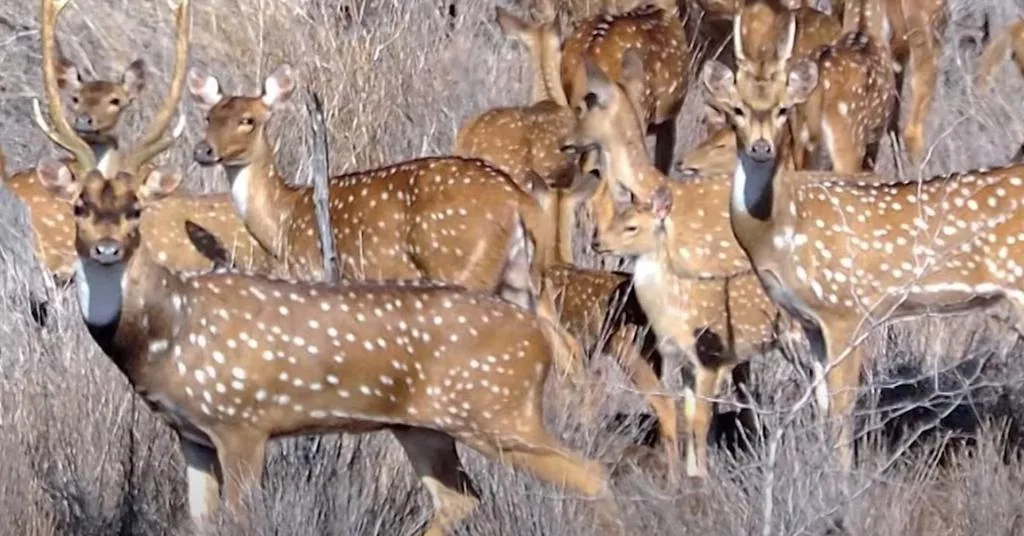
If you spot a quick, four-legged animal darting through the ridgeline brush, you might wonder: are there deer on Oahu? Many hikers and visitors assume that every Hawaiian island shares the same wildlife profile. Oahu does not have an established wild deer population.
Official wildlife surveys by state natural resource agencies confirm that zero breeding deer herds exist across Oahu's mountain ranges. State biologists actively manage the island to keep it that way. Let us look at what animals actually live on Oahu and where deer roam in the islands.
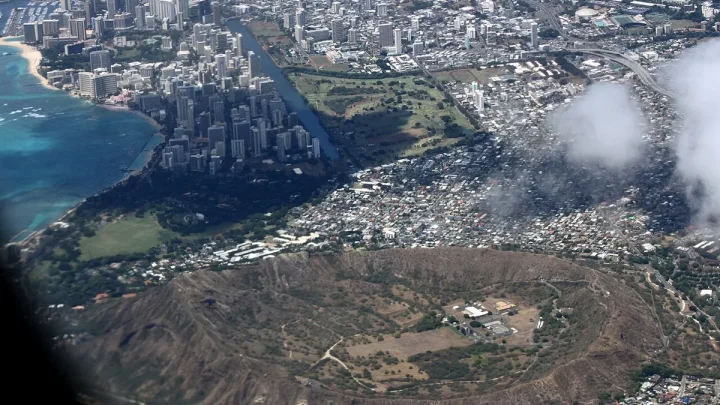
Image source: Web (Bing) / greenmatters.com (Web image (fair-use with source credit))
The Quick Answer: Are There Deer Living in the Wild on Oahu?
There are no wild breeding deer on Oahu. Many hikers mistake feral goats or pigs for deer. Established deer herds live only on Maui, Molokai, Lanai, and Kauai.
State wildlife teams monitor Oahu to keep the island deer-free. Any reported deer on Oahu gets tracked and removed quickly.
Our research into state game management records confirms that Oahu has remained free of established deer herds for generations. While deer thrive across several neighboring islands, biosecurity protocols and active wildlife management prevent them from taking root on Oahu.
If you see a hoofed mammal moving through the Koʻolau or Waiʻanae mountain ranges, you are looking at a feral pig or a feral goat. Both species were introduced to the island centuries ago and have spread widely across both wet forests and dry ridges.
Why People Think They Saw a Deer on an Oahu Trail
Hikers regularly report deer sightings on Oahu trail forums and social media. In almost every case, poor lighting, dense foliage, and quick movement create an optical illusion.
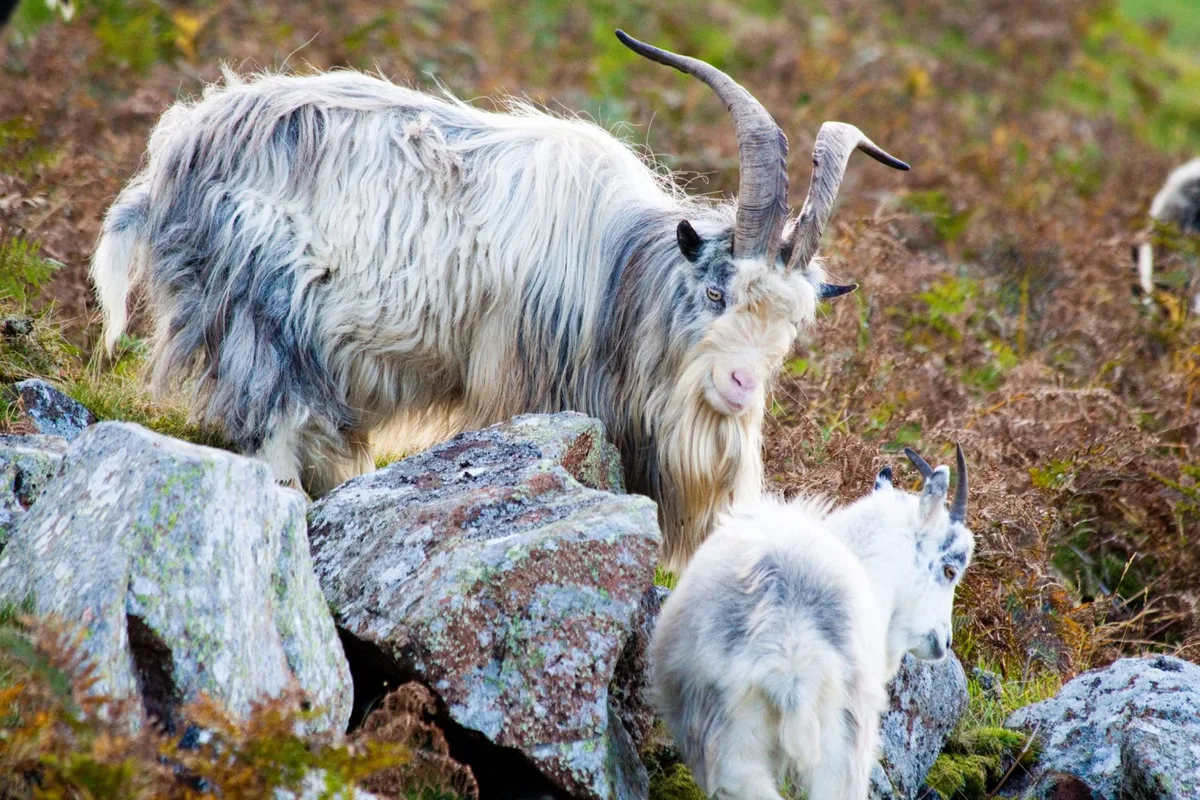
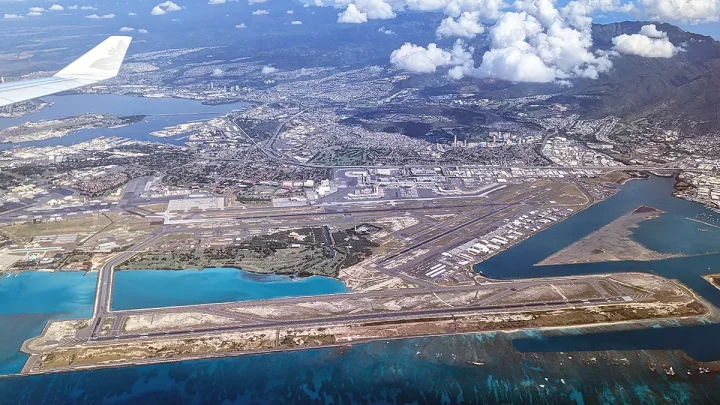
Image source: Web (Bing) / fity.club (Web image (fair-use with source credit))
The Feral Pig (Puaʻa)
The feral pig (Sus scrofa) is the most common large mammal on Oahu trails. Polynesian settlers brought small domesticated pigs to Hawaii around 800 years ago, and European explorers later introduced larger domestic boars.
Young feral pigs often have lighter brown, reddish, or brindled coats before darkening into adulthood. When a juvenile pig bolts through thick brush on long legs, its quick movement and light color can easily trick an untrained eye into thinking it saw a small deer.
The Feral Goat
Feral goats (Capra hircus) live in large numbers along the steep, rocky ridges of the leeward Waiʻanae Range. They are especially common around Kaʻena Point, Makua Valley, and Nanakuli.
From a distance, a slender, reddish-tan female goat looks strikingly similar to an axis deer doe. Goats stand at a similar shoulder height to small deer, move with exceptional agility across steep terrain, and blend naturally into dry grass. Unless you spot horns or a beard, the silhouette can easily fool you.
Where Deer Actually Live in Hawaii: An Island-by-Island Comparison
While Oahu has no wild deer, two distinct deer species thrive on neighboring islands across the state. Understanding which islands host these animals helps clarify where hunting and wildlife viewing actually happen.
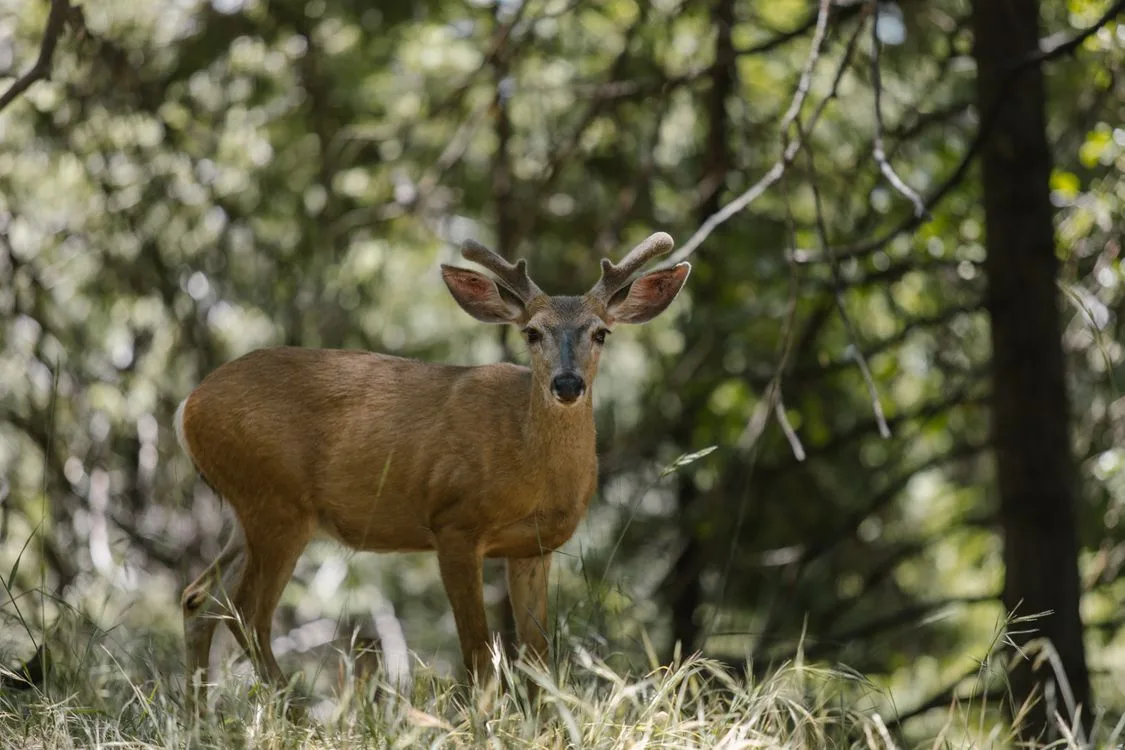
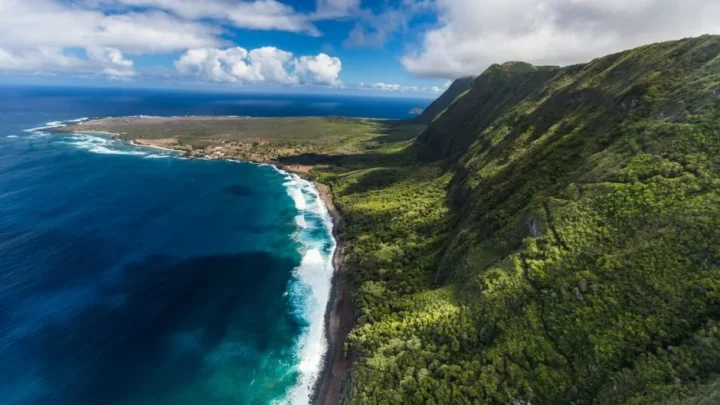
Image source: Web (Bing) / pexels.com (Web image (fair-use with source credit))
Axis Deer on Maui, Molokai, and Lanai
Axis deer (Axis axis), also known as chital, are native to the Indian subcontinent. King Kamehameha V received eight axis deer as a gift from Hong Kong in 1867, releasing them on the island of Molokai in 1868.
Additional animals were later moved to Lanai and Maui. With no apex predators, warm weather year-round, and abundant food, their numbers exploded. Axis deer keep their distinct white spots throughout their entire lives, making them easy to identify once seen clearly.
Columbian Black-Tailed Deer on Kauai
Kauai hosts a completely different species. In 1959, territorial wildlife managers introduced Columbian black-tailed deer (Odocoileus hemionus columbianus) from Oregon into the high-elevation forests of Kokee State Park and Waimea Canyon.
These deer prefer cooler, wet mountain terrain between 2,000 and 4,000 feet. Unlike axis deer, black-tailed deer have smaller herds and stay mostly confined to the northwestern plateau of Kauai.
Big Island (Hawaii Island): The Eradication Precedent
In 2011, unauthorized individuals secretly transported axis deer to the Big Island. Recognizing the extreme threat to local agriculture and watersheds, the Hawaii Department of Land and Natural Resources formed a rapid response team.
Biologists spent years tracking and removing those animals. By staying vigilant, Hawaii Island successfully eliminated the loose population before it could establish a permanent breeding footprint.
| Island | Deer Species Present | Population Status | Primary Habitat Type |
|---|---|---|---|
| Oahu | None | Zero established herds | Wet rainforests and dry scrub |
| Maui | Axis deer | Overpopulated (50,000+ animals) | Upcountry pastures, lowlands, gulches |
| Molokai | Axis deer | Dense, island-wide population | Coastal scrub to upland forests |
| Lanai | Axis deer | Dense, island-wide population | Pine forests, scrubland, coastal plains |
| Kauai | Columbian black-tailed deer | Stable, managed population | High-elevation rainforests and canyon rims |
| Hawaii Island | None | Eradicated after illicit introduction | Volcanic slopes and upland forests |
The Ecological Impact: Why Oahu Stays Deer-Free
State conservation officials work aggressively to ensure deer never establish a home on Oahu. Hawaii's native flora evolved over millions of years without large browsing mammals, leaving native plants defenseless against heavy grazing.
Axis deer are generalist herbivores capable of consuming huge quantities of native foliage, agricultural crops, and residential landscaping. On Maui and Molokai, overpopulated deer herds strip groundcover down to bare dirt. When heavy tropical rains hit bare hillsides, tons of topsoil wash downstream, destroying native watersheds and choking fragile coral reef ecosystems.
As of 2026, state biosecurity programs strictly regulate inter-island transport to prevent illicit game introductions. Oahu already faces significant pressure from feral pigs rooting in the upper watersheds. Adding tens of thousands of fast-breeding deer would create an unmanageable ecological crisis for the island's water supply and native forests.
Hunting and Wildlife Viewing: What to Target on Oahu vs. Neighbor Islands
If you want to hunt or view wildlife on Oahu, you must adjust your expectations to the species that actually live here. You will not find deer hunting units anywhere on the island.
Oahu offers licensed public hunting for two main game mammals:
- Feral pigs: Found in state game management units throughout the Koʻolau and Waiʻanae ranges.
- Feral goats: Found primarily along permitted hunting areas in the leeward ridges of the Waiʻanae Range.
If your goal is deer hunting or deer photography, you must book travel to a neighbor island. Maui and Molokai offer year-round, high-volume axis deer hunting on both public and private lands. Lanai offers world-class guided axis deer hunts, while Kauai provides controlled seasonal lottery hunts for black-tailed deer in the Kokee highlands.
What to Do If You Spot a Suspected Deer on Oahu
If you spot an animal on Oahu that looks distinctly like a deer, report it immediately to local wildlife officials. The unauthorized transport of game animals remains an ongoing biosecurity threat. Rapid reporting allows conservation teams to investigate before a breeding population establishes itself.
Take clear photos or videos from a safe distance if you can do so safely. Try to note distinct physical markings like permanent white spots or branching antlers. Record your exact GPS coordinates, the trail name, the time of day, and the direction the animal traveled.
Submit your sighting directly to the Hawaii Invasive Species Council or the Oahu Invasive Species Committee. You can also call the statewide pest hotline at 643-PEST. Biologists investigate all credible sightings to protect Oahu's native watersheds and agricultural valleys.
Frequently Asked Questions About Deer on Oahu
Were deer ever introduced to Oahu historically?
No, wild deer were never officially established on Oahu. King Kamehameha V released the original axis deer herd on Molokai in 1868. Territorial wildlife programs later introduced black-tailed deer exclusively to Kauai in 1959.
State managers intentionally skipped Oahu to protect its municipal watersheds.
Can axis deer swim from Molokai to Oahu?
Axis deer are capable swimmers across short distances, but they cannot cross the Kaiwi Channel. The open ocean channel between Molokai and Oahu spans roughly 26 miles of rough water and powerful currents. Natural water crossing between these islands is impossible for deer herds.
Are there any deer in captivity on Oahu?
The Honolulu Zoo does not exhibit wild axis deer or black-tailed deer. You may occasionally find exotic ungulates in licensed private educational facilities under strict state permits. However, wild, free-roaming deer do not exist in any public parks or forests on Oahu.
What large wild animals live on Oahu?
The largest wild land mammals on Oahu are feral pigs and feral goats. Feral pigs live in wet rainforests and valleys across the Koʻolau Range. Feral goats inhabit the dry, rocky cliff faces of the Waiʻanae Range.
You will also see feral chickens and introduced game birds.
Is it legal to transport deer from neighbor islands to Oahu?
No, moving live deer between Hawaiian islands is strictly illegal under state biosecurity laws. State statutes strictly prohibit transporting or releasing non-native game mammals without explicit permits from the Department of Land and Natural Resources. Violations carry heavy fines, equipment confiscation, and potential criminal penalties.

Similar Posts