How Many Tourists Visit Oahu Each Year? The Real Numbers
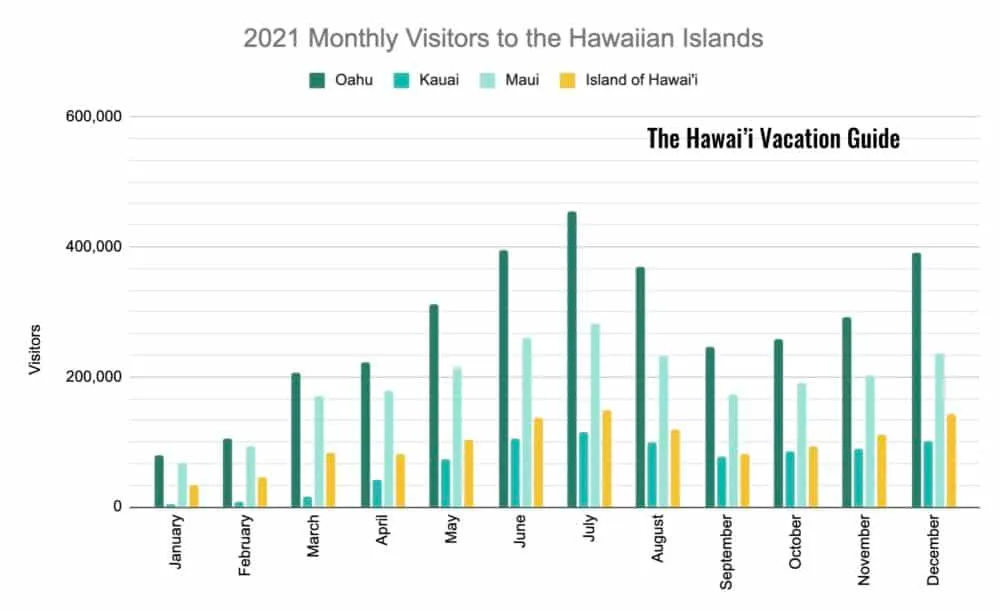
Image source: Web (Bing) / touristplaces.guide (Web image (fair-use with source credit))
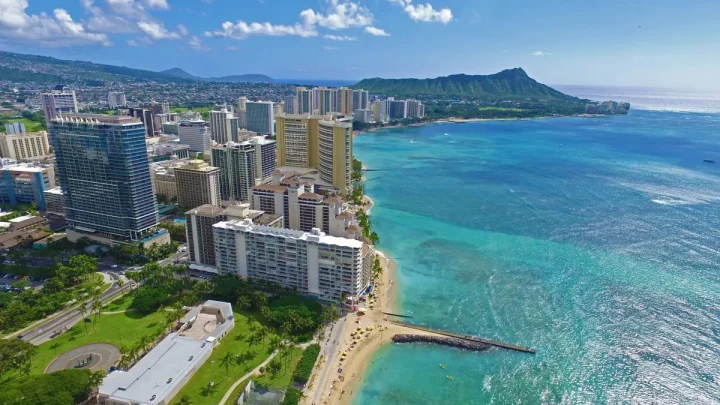
If you are planning a trip to Hawaii, you might wonder how many tourists visit oahu each year. Oahu remains the most visited island in the Hawaiian chain by a wide margin. Millions of travelers arrive annually to explore Waikiki, Pearl Harbor, and the North Shore.
Official state records track these transpacific passenger numbers each month. According to data published by the Hawaii Department of Business, Economic Development & Tourism, the island welcomes between 5.5 and 5.7 million visitors annually. Here is a clear breakdown of the headcount, seasonal trends, and traveler demographics.
Quick Answer: Oahu's Annual Visitor Headcount
About 5.6 million tourists visit Oahu each year. This volume accounts for nearly half of all visitors to Hawaii. Around 115,000 tourists stay on the island on any given day.
Most of these travelers arrive from the continental United States. International arrivals continue to rise toward pre-pandemic records.
These figures make Oahu the primary tourism hub for the entire state. The island balances this high volume through concentrated hotel districts, mainly along the Waikiki shoreline.
How Oahu's Visitor Numbers Compare Over Time: 2019 to Today
Oahu tourism has moved through distinct cycles over the last decade. Looking at historical volume helps explain how the island manages crowds today.
| Year | Total Oahu Visitors | Primary Visitor Source | Key Milestone |
|---|---|---|---|
| 2019 | 6.15 million | Mixed (US & International) | All-time historical record |
| 2021 | 3.32 million | US Domestic | Early post-lockdown recovery |
| 2023 | 5.48 million | US West / US East | Near-total domestic rebound |
| 2025 | 5.62 million | US Domestic & East Asia | Steady global normalization |
| As of 2026 | 5.65 million (est.) | US West & Japan | Balanced long-term baseline |
The Pre-Pandemic Benchmark (2019)
In 2019, Hawaii set an all-time record for tourism. Oahu alone welcomed 6.15 million visitors that year. Flights operated at near-full capacity from major global hubs.
The streets of Honolulu and the beaches of Kailua saw peak crowd density. This historic year serves as the baseline for all modern tourism studies in the state.
The Shift to Domestic Travelers
Following the global travel disruptions of 2020, domestic travelers from the US mainland drove the recovery. Visitors from California, Washington, and Oregon arrived in massive numbers. High domestic demand helped local hotels rebound faster than expected.
This influx filled the gap while international borders remained restricted.
The Slower Return of International Visitors
International arrivals took longer to rebuild. Japanese travelers represent Oahu's largest traditional overseas market. Currency exchange rates and outbound travel policies slowed the pace of their return.
While domestic volume reached pre-2019 levels quickly, total annual visitor counts stabilized slightly below 6 million due to this gradual international recovery.
Who Visits Oahu: Market Breakdown and Traveler Profiles

Image source: Web (Bing) / yelp.com (Web image (fair-use with source credit))
Oahu attracts a diverse mix of travelers from around the globe. Most passenger traffic arrives directly through Daniel K. Inouye International Airport in Honolulu.
US West and US East Dominance
The US West remains Oahu's strongest source market. Direct flight routes from cities like Los Angeles, San Francisco, and Seattle make travel convenient. US West visitors account for roughly 50% of all annual arrivals.
The US East market provides another 25% of visitors, often staying for longer durations due to the longer flight distance.
The Japanese Market and Global Visitors
Historically, Japan accounted for more than 1.5 million visitors to Oahu annually. Today, Japanese travelers make up a growing share of the international market alongside visitors from Canada, Australia, and South Korea. Canadian travelers arrive heavily during the winter months, while Australian travelers often visit during the southern hemisphere's winter.
Average Length of Stay and Daily Headcount
The average tourist spends roughly 7 days on Oahu. Because trips are spread throughout the calendar, the daily census averages between 110,000 and 125,000 visitors at any time. This steady turnover keeps hotel occupancy rates consistently high throughout Honolulu.
Oahu vs. Neighbor Islands: How Foot Traffic Compares Across Hawaii
Oahu welcomes significantly more visitors than any other Hawaiian island. The island holds the primary international airport and the largest hotel inventory in the state.
- Oahu: Welcomes roughly 5.6 million visitors per year. It accommodates about 55% of all travelers who enter the state.
- Maui: Receives approximately 2.3 to 2.5 million visitors annually, focusing heavily on luxury resort stays in Wailea and Kaanapali.
- Island of Hawaii (Big Island): Welcomes around 1.6 to 1.8 million travelers each year, drawn by Volcanoes National Park and the Kona coast.
- Kauai: Hosts roughly 1.3 to 1.4 million visitors, maintaining strict rural development limits.
Oahu handles high density because roughly 85% of its visitor lodging is concentrated within Waikiki. This zoning design keeps high foot traffic within a walkable urban resort corridor, leaving rural areas less developed.
When Oahu Gets Crowded: Seasonal Peaks and Shoulder Months
Tourism numbers on Oahu rise and fall based on school schedules and global weather patterns. Understanding these cycles helps travelers choose the best travel window.
Peak Travel Windows
Oahu experiences two major traffic peaks every year:
- Summer (June through August): Family vacations and school breaks push flight loads to their highest points of the year.
- Winter Holidays (Mid-December through early January): Holiday travelers and winter surf fans fill hotels across the island.
During these peak windows, daily visitor counts can exceed 130,000 people. Rental car prices increase, and popular beaches fill up early in the morning.
Best Times to Beat the Crowds
The shoulder seasons bring noticeably lighter crowds and more affordable lodging. The best travel windows include:
- Spring: Mid-April through late May, between spring break and summer vacation.
- Fall: September through mid-November, after mainland schools resume session.
Visiting during these shoulder months provides open beach space, easier dinner reservations, and less highway traffic along the coast.
The Real-World Impact on Infrastructure, Roads, and Local Sites
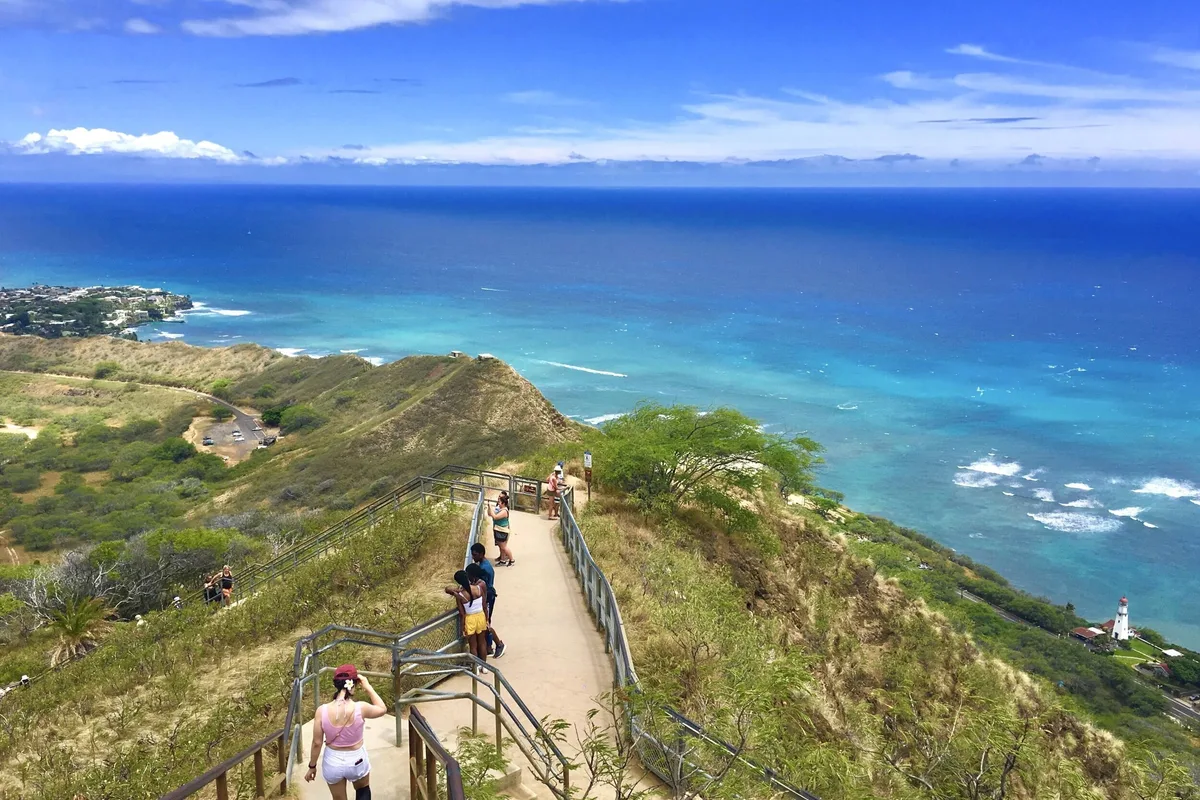
Image source: Bing (Web (fair-use with source credit))
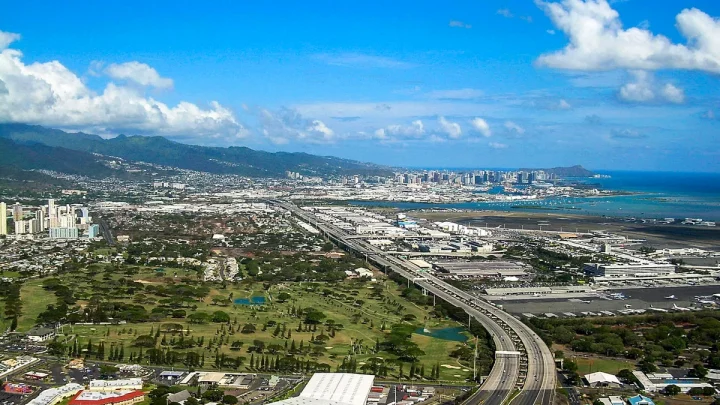
Handling over five million visitors every year creates real pressure on Oahu's roads, beaches, and public utilities. Local government agencies actively manage this footprint to protect natural landmarks.
Spotlights on Waikiki, the North Shore, and Kailua
Different regions of the island experience tourist traffic in distinct ways:
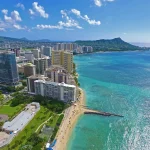
- Waikiki: Built for high volume, this strip absorbs the majority of foot traffic. Sidewalks stay busy late into the night, but municipal services maintain clean public spaces.
- The North Shore: Two-lane roadways like Kamehameha Highway experience heavy gridlock during the winter surf season. Parking along popular surf breaks fills before mid-morning.
- Kailua and Lanikai: Residential neighborhoods on the Windward side experience high daytime visitor traffic. Beach access points and street parking have strict local enforcement to reduce neighborhood congestion.
State Park Reservation Systems and Capacity Limits
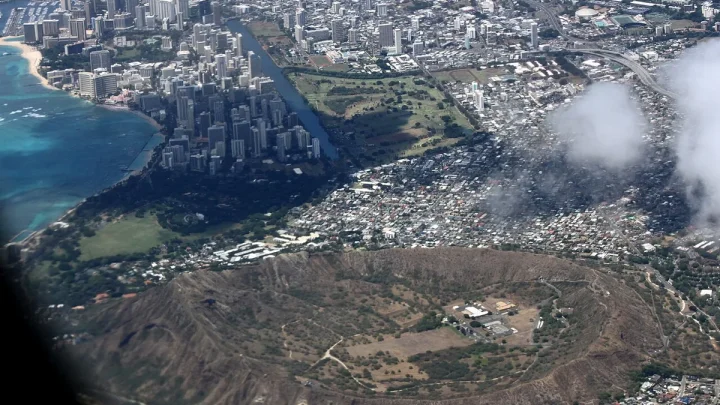
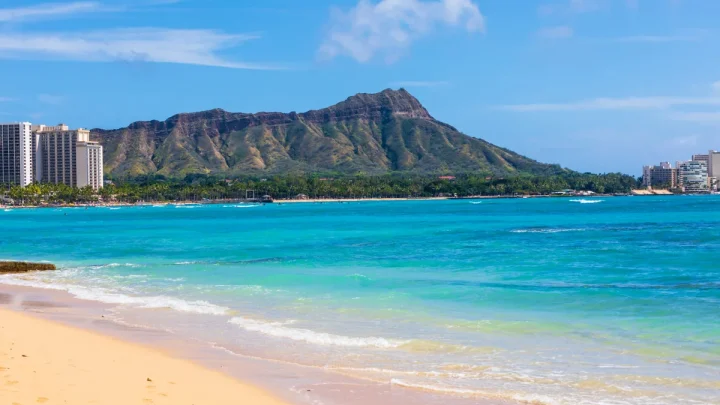
To protect sensitive natural environments, the State of Hawaii implemented timed-entry reservation systems. Out-of-state visitors must book advance tickets to visit the Diamond Head State Monument and the Hanauma Bay Nature Preserve.
These systems cap daily entry numbers. They spread foot traffic evenly across the day and reduce trail erosion. They also generate dedicated revenue for long-term ecological restoration.
Frequently Asked Questions About Oahu Tourism
What is the most visited tourist attraction on Oahu?
The Pearl Harbor National Memorial and Waikiki Beach are the most visited sites on Oahu. Pearl Harbor welcomes roughly 1.5 million visitors annually. Waikiki Beach hosts millions of swimmers, surfers, and sunbathers every year due to its dense hotel corridor.
How many tourists are on Oahu on any given day?
Between 110,000 and 125,000 tourists are present on Oahu on an average day. This daily census changes depending on the travel season. During peak summer and winter holiday weeks, the daily count can rise past 130,000 visitors.
Which month has the fewest tourists on Oahu?
September and October consistently see the lowest tourist numbers on Oahu. Mainland schools resume session during these months, leading to a sharp decline in family travel. May also offers a quieter travel window before the summer rush begins.
How much money do tourists spend on Oahu each year?
Visitors spend between 8 billion and 9 billion dollars on Oahu annually. This spending covers hotel accommodations, car rentals, local dining, shopping, and guided tours. These funds generate significant general excise and transient accommodations tax revenue for the state.
Do tourists need reservations to visit Oahu beaches and parks?
Most public beaches do not require reservations. However, state monuments like Diamond Head and protected marine reserves like Hanauma Bay require advance bookings and entry fees for all non-residents. Commercial tour stops at Pearl Harbor also require advance ticket reservations.
Smart Planning: How to Navigate Oahu's Tourist Footprint
Planning around the island's visitor patterns ensures a smoother vacation experience. A few strategic adjustments make a major difference in how you experience the island.
- Book regulated attractions early: Secure entry slots for Diamond Head and Hanauma Bay the moment your booking window opens.
- Time your highway travel: Avoid westbound morning commutes on the H-1 highway and eastbound afternoon traffic out of Honolulu.
- Explore outside peak hours: Arrive at North Shore beaches before 9:00 AM or after 3:00 PM to find parking and avoid heavy road delays.
- Stay walkable in town: If you stay in Waikiki, use public transit, rideshares, or walking for local dining. Rent a car only on days you plan to circle the island.
Understanding Oahu's annual visitor flow helps you set realistic expectations. By timing your activities around seasonal peaks and daily traffic habits, you can enjoy everything the island offers with minimal stress.

Similar Posts