Is There Public Transportation in Oahu? How to Get Around
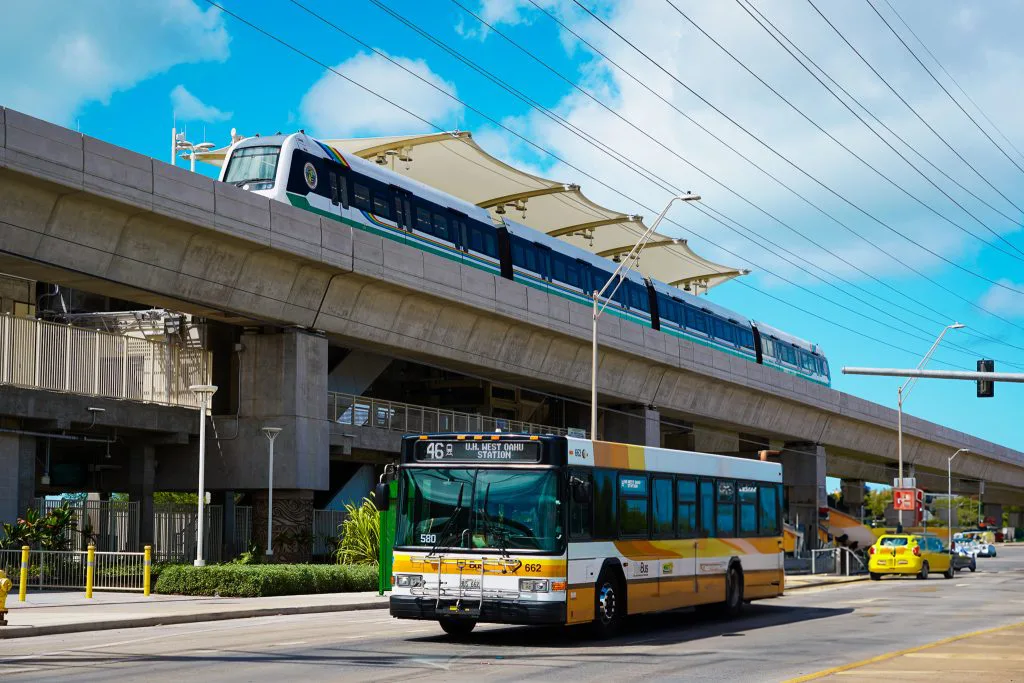
If you are planning a trip to Hawaii, you might wonder: is there public transportation in Oahu? Yes, Oahu has an extensive, award-winning public transit network that covers both urban Honolulu and outer coastal communities. You do not need an expensive rental car to experience the island.
The transit system features over 100 bus routes and a modern light-metro rail line. As of 2026, millions of residents and visitors rely on the island network every month to reach beaches, historic sites, and shopping districts.
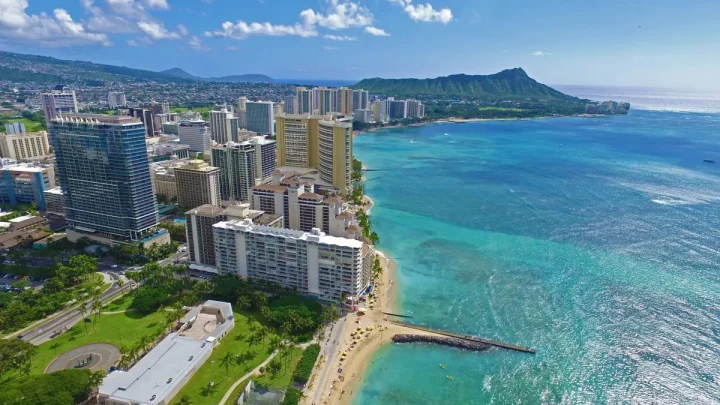
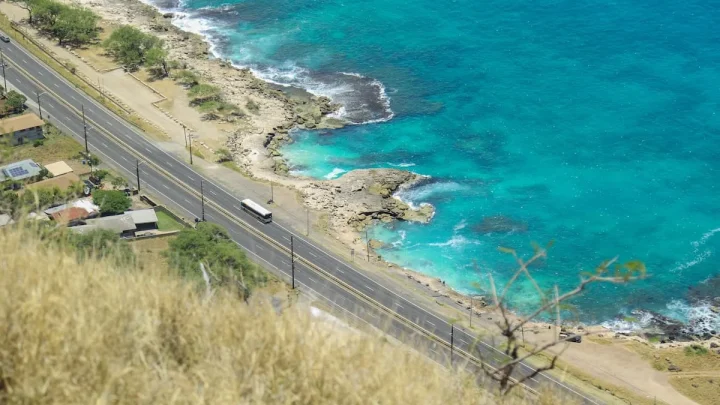
Image source: Web (Bing) / livinginhawaii.com (Web image (fair-use with source credit))
Quick Answer
Yes, there is public transportation in Oahu. The island operates a comprehensive bus system called TheBus. Oahu also runs an elevated light-metro rail system named Skyline.
Both systems use a reloadable smart card called the HOLO card. You can reach most major tourist spots without renting a car.
Yes, Oahu Has Public Transit: How TheBus and Skyline Actually Work
Oahu offers one of the most developed public transit networks of any island in the United States. The system relies on two distinct services managed under the City and County of Honolulu Department of Transportation Services. Together, these options allow you to travel from urban centers to remote coastal towns.
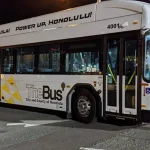
The backbone of the island is TheBus. Operated by Oahu Transit Services, TheBus runs roughly 500 vehicles across more than 100 routes. It reaches nearly every major corner of the island, including Waikiki, downtown Honolulu, Kailua, and the North Shore.
The primary transfer point for almost all cross-island routes is the Ala Moana Center transit hub.
Skyline is Oahu's newest transit addition. It is a fully automated, elevated light-metro rail line operated by the Honolulu Authority for Rapid Transportation. Skyline currently connects East Kapolei through West Oahu to the Middle Street transit center.
Future extensions continue to build toward downtown Honolulu and the airport.
Both systems connect seamlessly. You can step off a Skyline train and board a connecting bus route using a single electronic payment.
The Car vs. Transit Decision Tree: When to Ride and When to Drive
Deciding whether to rely on public transit or rent a vehicle depends on where you stay and what you want to see. Follow this simple logic to choose the right option for each day of your itinerary.
Where are you going today?
│
├── Honolulu, Waikiki, Pearl Harbor, or Diamond Head?
│   └── Action: Use TheBus or Skyline.
│       (Saves high parking fees and avoids traffic stress.)
│
├── Arriving at HNL Airport with standard rolling luggage?
│   └── Action: Book a rideshare, taxi, or airport shuttle.
│       (TheBus prohibits suitcases that do not fit on your lap.)
│
└── Exploring North Shore beaches, Kaena Point, or multi-stop hikes?
    └── Action: Rent a car for the day or book a guided tour.
        (Transit travel times exceed two hours each way to rural areas.)
If your plans center on the south shore, public transit is your best choice. Buses run every few minutes down Kuhio Avenue in Waikiki. They drop you directly at the gates of popular destinations like the Honolulu Zoo, Waikiki Aquarium, Diamond Head State Monument, and Pearl Harbor.
If your itinerary includes visiting multiple North Shore surf breaks or remote hiking trails in a single afternoon, rent a car for just that day. While buses do run to rural areas, headways are longer and total travel times can eat up your daylight.
| Travel Scenario | Recommended Transport | Primary Reason |
|---|---|---|
| Waikiki & Downtown sightseeing | TheBus / Biki bikeshare | Avoids $40 to $70 daily hotel parking fees |
| Pearl Harbor National Memorial | TheBus (Route 20, 42) | Direct route, drops off at visitor center |
| Airport arrival with large luggage | Rideshare or private shuttle | TheBus bans oversized checked bags |
| North Shore all-day beach tour | Rental car (single day) | Saves 3 to 4 hours of total transit ride time |
| East Oahu coastal lookout points | Rental car or tour shuttle | Bus stops are far from scenic highway pullouts |
Fares, HOLO Cards, and Daily Caps: What You Will Pay
Riding transit on Oahu is budget-friendly. Cash is accepted on buses with exact change, but the easiest method is the contactless HOLO card.
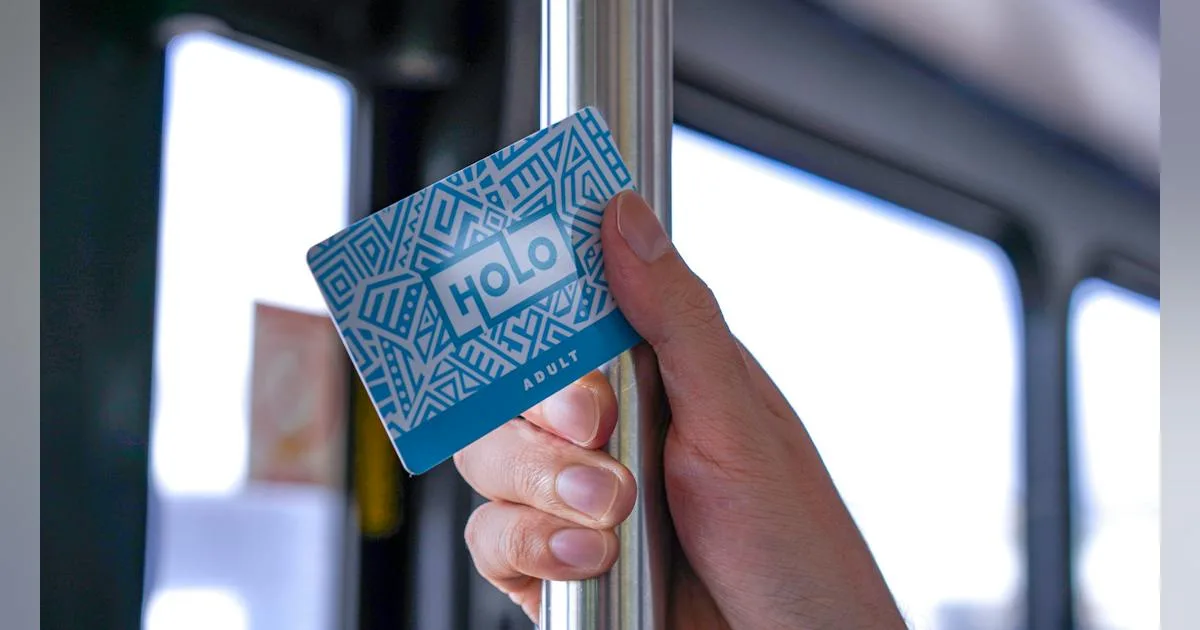
Image source: Bing (Web (fair-use with source credit))
The HOLO card works on both TheBus and Skyline. When you pay using a HOLO card, the system automatically tracks your trips and applies fare capping. Once you reach the daily maximum, all remaining rides that day are completely free.
| Rider Category | Single Ride | Daily Fare Cap | Monthly Cap |
|---|---|---|---|
| Adult (18+) | $3.00 | $7.50 | $80.00 |
| Youth (6–17) | $1.50 | $3.75 | $40.00 |
| Senior (65+ with ID) | $1.25 | $3.00 | $20.00 |
| Child (5 and under) | Free | Free | Free |
You can purchase a new HOLO card for a $2 fee at local retailers across the island. Look for them at ABC Stores in Waikiki, 7-Eleven locations, Foodland supermarkets, or automated ticket machines at any Skyline station.
You can load funds onto the card online or at retail locations. If you tap your card on a bus and transfer to another bus or the Skyline rail within two and a half hours, your transfer is free.
Step-by-Step Guide to Riding TheBus and the Skyline Rail
Riding transit on the island is simple once you know the basic boarding process.
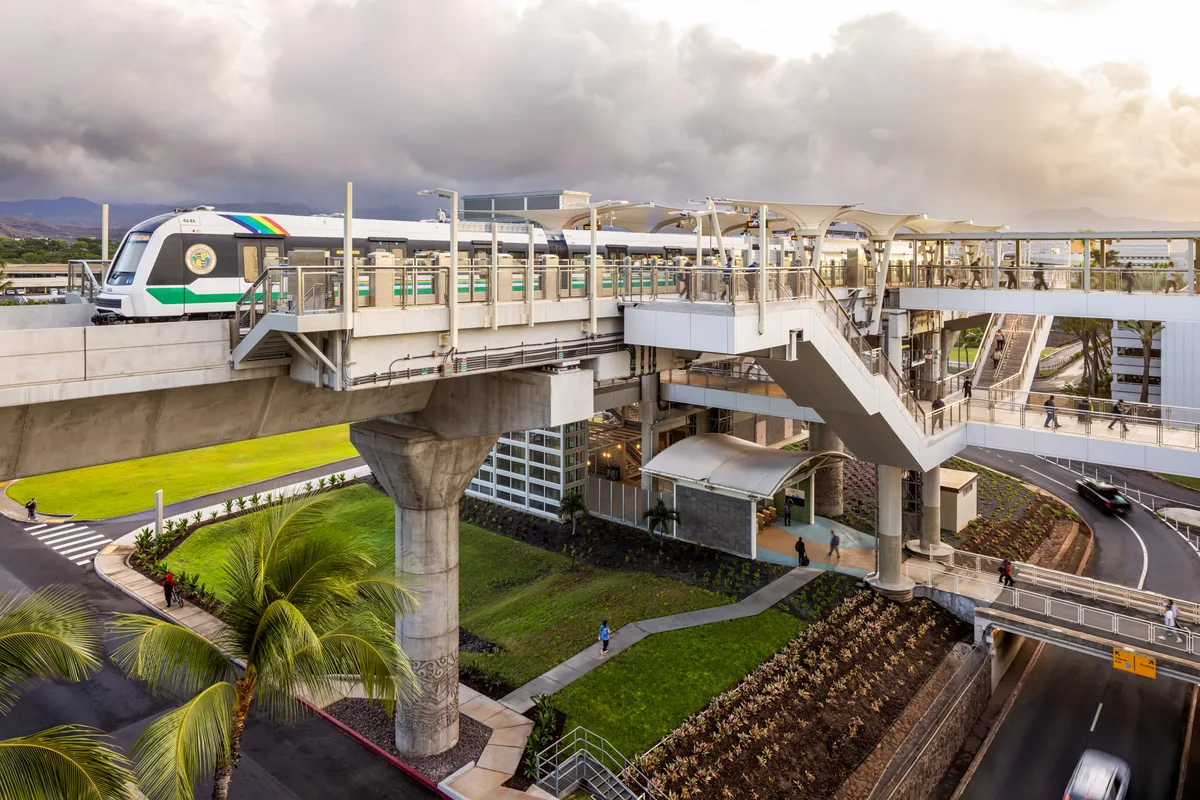
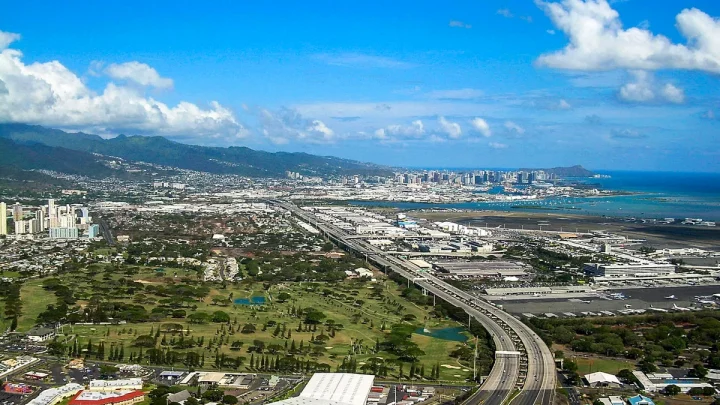
Image source: Web (Bing) / adamtaylorphotos.com (Web image (fair-use with source credit))
How to Ride TheBus
- Pick up your HOLO card. Buy your card at an ABC Store or Skyline station and load at least $7.50 for a full day of travel.
- Check route schedules. Use Google Maps, Apple Maps, or the official Transit app to find your route and live arrival times.
- Wait at the bus stop sign. Signal the driver with a slight nod as the bus approaches so they know you intend to board.
- Tap your card. Board through the front doors and tap your card flat against the HOLO reader next to the driver. Listen for the beep.
- Request your stop. Pull the yellow cord or press the stop button along the window frame roughly one block before your destination. Exit through the rear doors.
How to Ride Skyline Rail
- Enter the station. Walk into any elevated Skyline station and locate the turnstile gates.
- Tap at the fare gate. Tap your HOLO card on the gate reader to open the barrier. If you do not have a card, use the station vending machine to buy one.
- Board the train. Wait behind the yellow platform line. Board through any open sliding door once arriving passengers step out.
- Ride in comfort. Enjoy the air-conditioned cabin and elevated views across West Oahu.
- Tap out at your destination. Tap your card again at the fare gates when leaving your arrival station.
Major Limitations: The Airport Luggage Rule and Long Transit Times
While public transit on Oahu is reliable, it has two major limitations that catch visitors off guard. Understanding these rules ahead of time will prevent travel headaches.
The first major restriction is the strict luggage rule on TheBus. According to official transit policy, you may only bring luggage that fits comfortably on your lap or directly beneath your seat. Bags cannot block aisles, doors, or empty seats.
This means you cannot bring standard checked suitcases, oversized backpacks, or hard surfboards onto city buses. Bus drivers at Daniel K. Inouye International Airport routinely deny boarding to travelers carrying standard vacation luggage.
If you arrive with large bags, plan to book a rideshare, taxi, or airport shuttle to your hotel.
The second limitation is travel duration for rural trips. Urban routes run frequently, but cross-island routes make dozens of local stops.
Taking Route 52 or Route 60 from Waikiki to the North Shore can take between two and two and a half hours each way. By comparison, driving a car takes about 45 to 60 minutes. If your vacation time is limited, spending five hours on a bus for a single day trip may not be practical.
Transit Alternatives: When to Mix in Rideshares, Biki, and Tour Shuttles
Public transit does not have to be your only way around Oahu. Combining city transit with other local transport options gives you flexibility without the high cost of a week-long car rental.
For short trips within Honolulu, the Biki bikeshare system is an excellent choice. Biki operates over 130 stations across Waikiki, Ala Moana, Kakaako, and Downtown Honolulu. You can unlock a bike at an automated kiosk, cruise along protected coastal bike paths, and dock it near your destination.
It is often faster than waiting for a bus when traveling just one or two miles.
Rideshare apps like Uber, Lyft, and the local Hawaiian platform Holoholo fill in the gaps where bus routes are slow or infrequent. Use rideshares for early-morning airport departures, late-night dinners, or trips to trailheads like Manoa Falls. Combining city buses for daytime sightseeing with rideshares for evening outings keeps your total trip costs low.
For major attractions outside the city, consider dedicated excursion shuttles. Venues like Kualoa Ranch and the Polynesian Cultural Center offer direct motorcoach pickups from Waikiki hotels. Booking a package with transportation included lets you skip both car rental logistics and long multi-transfer bus rides.
- Biki Bikes: Best for quick 1 to 3 mile hops across flat urban corridors in Waikiki and Downtown.
- Rideshare (Uber/Lyft/Holoholo): Best for airport runs with luggage, early mornings, and remote trailheads.
- Waikiki Trolley: Best for casual hop-on sightseeing along scenic coastal loops.
- Commercial Shuttles: Best for direct round-trip transport to major Windward and North Shore attractions.
Frequently Asked Questions About Oahu Public Transportation
Can you take TheBus from Honolulu Airport to Waikiki?
Yes, you can take Route 20 or Route 42 directly from Daniel K. Inouye International Airport to Waikiki. However, you can only board if your bags fit on your lap or under your seat.
Standard large suitcases are not permitted.
How do you pay for the bus in Oahu?
You pay using a contactless HOLO card or with exact cash when boarding. Drivers cannot make change. The standard adult one-way fare is $3.00, and a HOLO card automatically caps your daily spending at $7.50.
Does the Skyline rail go to Waikiki?
No, Skyline does not currently run to Waikiki or Downtown Honolulu. It connects East Kapolei to the Middle Street transit center in West Honolulu. You must transfer to a connecting bus route to reach Waikiki.
Can you get around Oahu without a rental car?
Yes, you can comfortably explore Oahu without renting a car. TheBus reaches nearly every major town, beach, and historic landmark. Supplementing bus trips with occasional rideshares or tour shuttles makes car-free travel practical and affordable.
Are city buses on Oahu safe for tourists?
Yes, TheBus is safe, clean, and widely used by residents, students, and tourists alike. Stations and vehicles are well-lit, drivers enforce rider rules, and major urban routes run frequently throughout the day and evening.
The Practical Island Transit Verdict: How to Plan Your Trip
Public transportation in Oahu is one of the most reliable and affordable transit networks of any tropical island destination. You can easily spend an entire vacation based in Waikiki and explore the island's best sights without setting foot in a rental car office.
The most cost-effective travel strategy is a hybrid approach. Use TheBus and your HOLO card for heavy sightseeing days around urban Honolulu, Pearl Harbor, and nearby beaches. You will save hundreds of dollars on rental fees, gas, and overnight hotel parking.
When you want to visit distant North Shore surf spots or remote mountain ridges, rent a car for just 24 hours from a neighborhood desk in Waikiki. For everything else, tap your HOLO card, board TheBus, and enjoy the ride.

Similar Posts