Is Oahu Safe? What You Need to Know Before You Go
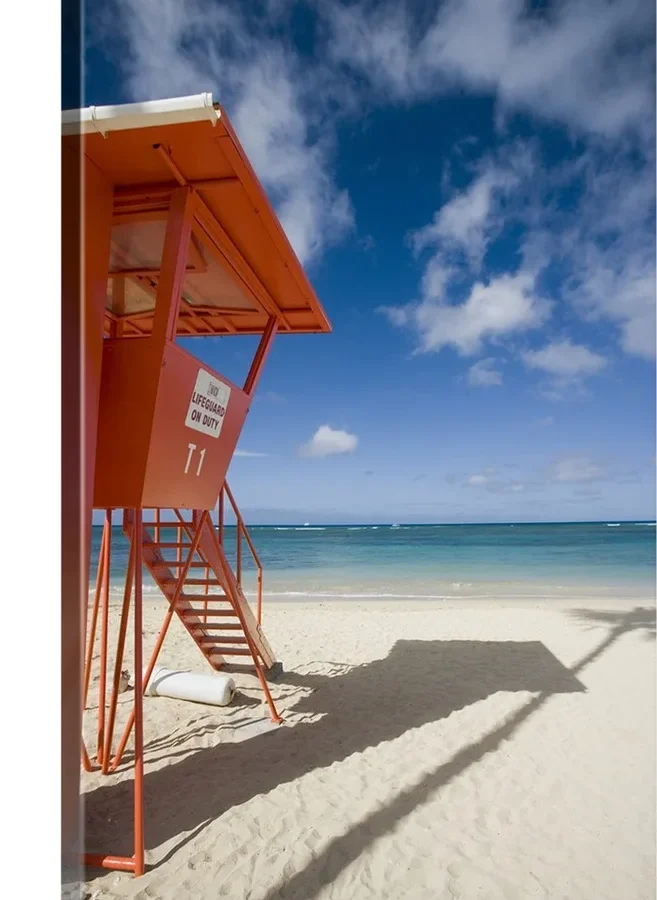
If you are planning a trip to Hawaii, you are likely asking: is oahu safe for visitors? The short answer is yes. Oahu remains one of the safest island destinations in the world for travelers.
Most visitors experience trouble-free vacations without any safety issues.
Official data from the State of Hawaii Department of the Attorney General confirms that violent crime rates on Oahu sit well below the national average for major US metro areas as of 2026. However, safety on the island is less about violent crime and far more about property theft and natural hazards. Understanding these local dynamics makes all the difference for a safe trip.
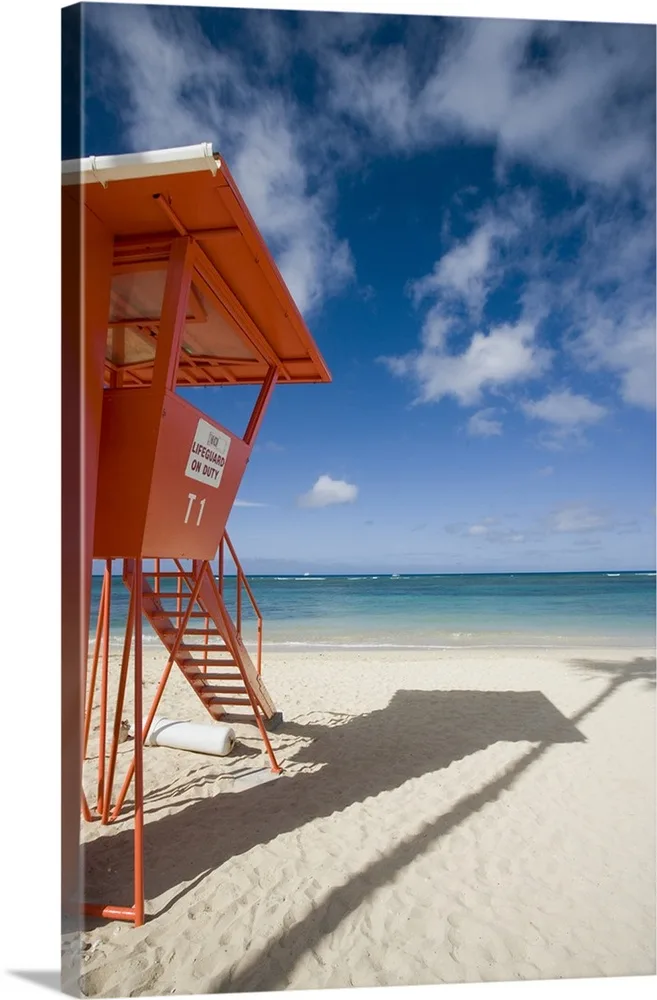
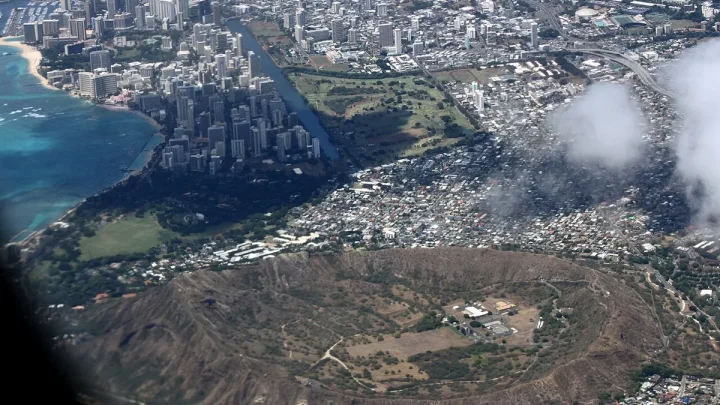
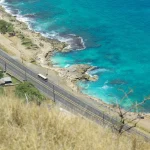
Image source: Web (Bing) / greatbigcanvas.com (Web image (fair-use with source credit))
Quick Answer
Is Oahu safe for your next vacation? Yes, Oahu is very safe for tourists. Violent crime rates remain low across the island.
Your biggest risks are rental car break-ins and ocean hazards. Always lock your vehicle and hide all belongings. Check lifeguard warnings before entering the water.
Crime on Oahu: Violent Crime Realities vs. Property Theft
Violent crime on Oahu is rare for tourists. The Honolulu Police Department reports that most violent incidents occur between people who know each other. Travelers rarely face random violent attacks in resort zones.
Property crime is a different story. Opportunistic theft is the most common crime affecting visitors on Oahu. Thieves often target unattended beach bags, unlocked hotel doors, and parked vehicles.
Waikiki, Downtown, and Chinatown After Dark
Waikiki is heavily patrolled and safe to walk late into the night. Kalakaua Avenue stays vibrant, crowded, and well-lit. Kuhio Avenue runs parallel one block back and requires slightly more awareness late at night.
Chinatown offers excellent daytime dining and art walks. After dark, certain blocks along Hotel Street see increased homelessness, open drug use, and erratic behavior. Stick to well-traveled streets if you visit bars in Chinatown at night.
The Rental Car Trap: Smash-and-Grabs at Trailheads and Lookouts
Rental cars are prime targets for smash-and-grab thieves. Thieves easily recognize barcode stickers, clean interiors, and common rental models. A break-in takes less than ten seconds.
Never leave luggage, backpacks, or charging cords visible on seats. Do not put valuables into your trunk after you arrive at a parking lot. Thieves watch parking areas at popular spots like Nuuanu Pali Lookout and scenic highway turnouts.
Neighborhood Breakdown: Safety by Region
Safety levels shift depending on where you travel across the island. The table below outlines what to expect in each major area.
| Island Region | Primary Safety Profile | Main Precautions |
|---|---|---|
| Waikiki and South Shore | High tourist density, low violent crime | Guard personal bags on sand, watch late-night streets |
| Windward Coast (Kailua, Kaneohe) | Quiet, residential, very safe | Lock parked cars at beach parks |
| North Shore (Haleiwa, Sunset) | Laid-back surf community | Respect strong winter surf, avoid leaving gear in cars |
| Leeward Coast (Waianae, Makaha) | Local communities, fewer tourist services | Respect local spaces, avoid leaving valuables in cars |
Ocean and Beach Hazards: The Island's Biggest Physical Risk
Ocean conditions cause far more tourist injuries than street crime. The ocean around Oahu is powerful and unpredictable. Even experienced swimmers run into trouble when ignoring posted warnings.
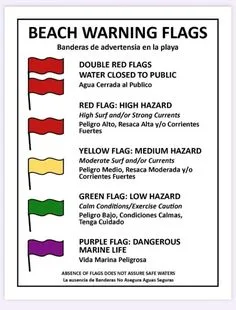
Image source: Web (Bing) / pinterest.com (Web image (fair-use with source credit))
Heavy Shorebreak and Spinal Injury Hotspots
Shorebreak occurs when waves break directly onto dry sand rather than in deep water. Sandy Beach on the southeast coast is famous for its bone-breaking shorebreak.
The Hawaii Department of Health tracks hundreds of ocean injuries annually. Sandy Beach and Makapuu Beach record frequent neck and spinal injuries. If you are not an expert bodysurfer, enjoy these beaches from the dry sand.
Rip Currents, Reef Hazards, and the Box Jellyfish Cycle
Rip currents are powerful channels of water flowing rapidly away from shore. If caught in a rip current, stay calm and swim parallel to the shoreline until you escape its pull.
You should also check marine forecasts from the National Oceanic and Atmospheric Administration before swimming. Box jellyfish reliably appear in south shore waters eight to ten days after a full moon. Look for warning signs posted by lifeguards along Waikiki and Ala Moana beaches.
North Shore Winter Swells vs. South Shore Summer Waves
Wave energy follows strict seasonal patterns on Oahu. Winter brings massive thirty-foot swells to the North Shore between November and March. Swimming at spots like Waimea Bay or Banzai Pipeline is extremely dangerous during these months.
Summer shifts wave energy to the South Shore. While Waikiki waves stay relatively gentle, beaches like Sandy Beach become turbulent. Follow the golden local rule: if in doubt, do not go out.
Hiking and Trail Safety: Ridge Lines, Flash Floods, and Rescues
Hiking on Oahu offers incredible views, but the volcanic terrain presents unique hazards. The Honolulu Fire Department conducts frequent helicopter rescue operations for stranded hikers.
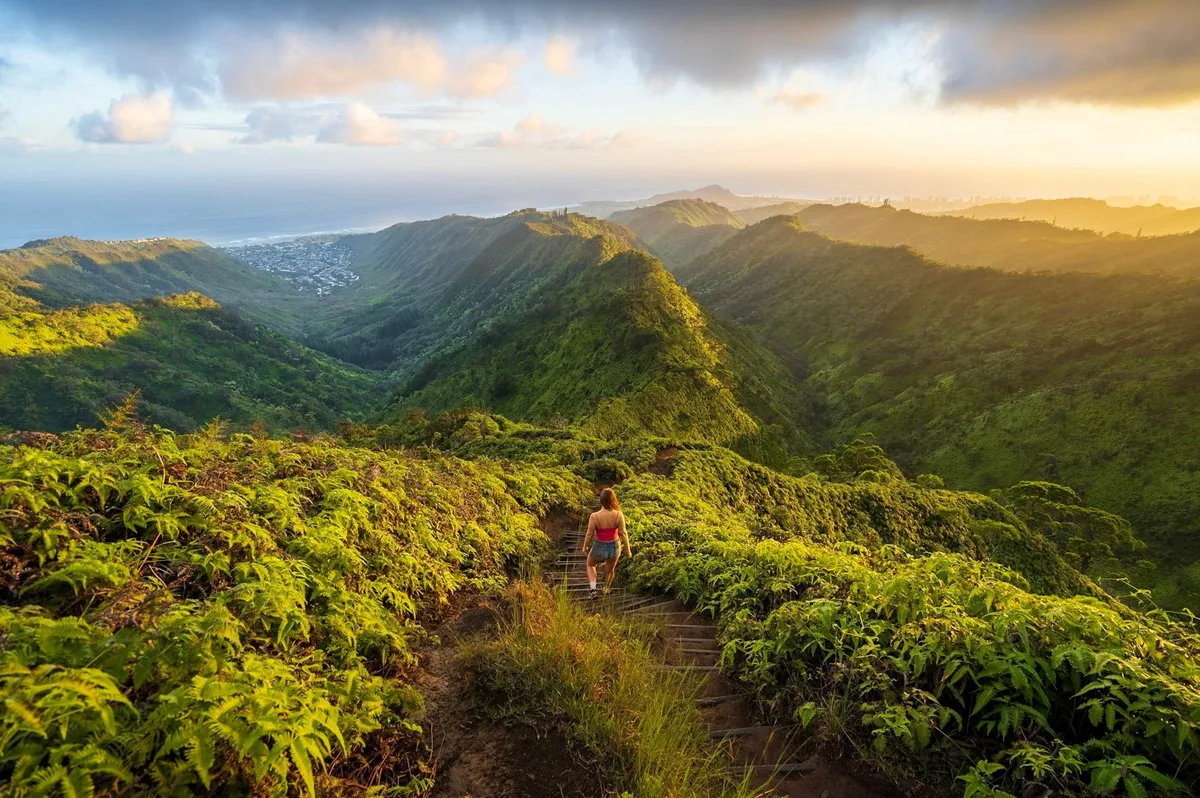
Image source: Web (Bing) / fity.club (Web image (fair-use with source credit))
The Danger of Unmarked Trails and Muddy Ridge Drops
Volcanic rock on Oahu erodes easily and crumbles under pressure. Many ridge hikes feature narrow footpaths with vertical drop-offs on both sides.
Stick exclusively to sanctioned trails managed by the state Department of Land and Natural Resources. Unofficial trails found on social media often lead to steep cliffs, overgrown ravines, and unstable soil. Always wear trail shoes with aggressive rubber tread.
Stream Crossings and Sudden Valley Flash Floods
Valley trails like Manoa Falls are prone to rapid flash flooding. Rain in the upper mountains can swell dry streams into raging torrents in minutes.
Never cross a rising stream with murky brown water. If water levels surge while you are upstream, wait on high ground for help rather than trying to swim across.
Trailhead Etiquette and Parking Rules
Trailheads near residential areas require courtesy and common sense. Popular hikes like the Lanikai Pillbox Trail run right alongside private homes.
Park only in designated public stalls and never block residential driveways. Keep noise levels down during early morning hikes. Remove every piece of trash you carry in.
Solo Travelers, Nightlife, and Cultural Awareness
Oahu is an exceptional destination for solo travelers. The public transit system, known as TheBus, is clean, safe, and easy to navigate across the entire island.
Safety for Solo Female Travelers
Solo female travelers generally report feeling secure in Honolulu and surrounding resort hubs. Standard street awareness applies just as it would in any city.
Avoid unlit beach parks after midnight. Keep your drink in sight when socializing at beach bars. Use rideshare services like Uber or Lyft for late-night transportation rather than walking long distances alone.
Nightlife Caution on Kuhio Ave and Hotel Street
Nightlife in Waikiki is lively and mostly peaceful. Keep your belongings close in crowded bars where pickpockets occasionally operate.
Hotel Street in Chinatown features trendy craft cocktail lounges next to gritty city blocks. Walk in groups of two or more when bar-hopping in Chinatown late at night.
Cultural Respect and Avoiding Local Tensions
Respecting Hawaiian culture and local residents prevents uncomfortable social friction. Understand that Hawaii is a home before it is a vacation spot.
Do not touch or harass endangered wildlife like Hawaiian green sea turtles or monk seals. Never move rocks or cross rock walls at sacred cultural sites (heiau). Showing humility and respect opens doors and ensures positive interactions everywhere you go.
Oahu Compared to Other Hawaiian Islands and US Cities
Oahu carries a distinct safety dynamic compared to neighboring islands. While Maui, Kauai, and the Big Island offer rural landscapes, Oahu is home to a major metropolitan center. Honolulu gives you immediate access to top-tier emergency services, including the state's only Level 1 trauma center at The Queen's Medical Center.
Rural islands carry higher environmental risks. A remote injury on Kauai or Maui can mean lengthy emergency response times. On Oahu, help is almost always nearby.
However, higher population density on Oahu translates to higher property crime rates than you find on the neighbor islands.
When stacked against mainland US travel hubs, Oahu consistently ranks among the safest urban destinations. The table below shows how Oahu compares across key safety factors.
| Destination | Violent Crime Risk | Property Theft Risk | Medical Infrastructure |
|---|---|---|---|
| Oahu (Honolulu) | Low | Moderate | Level 1 Trauma Care, rapid response |
| Maui | Very Low | Low to Moderate | Regional hospitals, longer transit |
| Kauai | Very Low | Low | Community hospitals, remote trails |
| Miami, FL | Moderate to High | High | Extensive urban medical networks |
| Los Angeles, CA | Moderate to High | High | Extensive urban medical networks |
Practical Safety Checklist and Emergency Contacts
Staying safe on Oahu comes down to building a few daily habits into your itinerary. Focus on vehicle security, ocean awareness, and trail preparation every morning before heading out.
Follow this practical checklist to keep your trip safe and trouble-free:
- Empty your rental car completely before parking at trailheads, lookouts, and beaches.
- Check daily ocean condition flags and speak directly with lifeguards before swimming.
- Carry at least two liters of drinking water per person on any ridge hike.
- Stay off unpaved mountain trails when rain is falling or forecast in valley areas.
- Download offline maps on your mobile phone before entering remote coastal or valley zones.
- Save local emergency dispatch numbers alongside standard 911 services.
Keep these essential island resources accessible on your phone:
- Emergency Services (Police, Fire, Ocean Rescue): 911
- Honolulu Police Department (Non-Emergency Line): (808) 529-3111
- The Queen's Medical Center (Honolulu Trauma Center): (808) 691-1000
- Hawaii Ocean Safety Conditions Hotline: Visit hawaiibeachsafety.com for live lifeguard reports
Frequently Asked Questions About Oahu Safety
Is Waikiki safe to walk around at night?
Yes, Waikiki is very safe for late-night walking. Main avenues like Kalakaua Avenue stay brightly lit and busy with tourists past midnight. Exercise standard caution on quieter back streets, keep your wallet secure, and avoid poorly lit sections of the beach after dark.
Are rental car break-ins common on Oahu?
Yes, rental car smash-and-grab thefts are the most common crime facing tourists on Oahu. Thieves target visible bags, sunglasses, and electronics at scenic lookouts and trailheads. Never leave any personal items inside your vehicle, even for a five-minute photo stop.
Can you swim safely at all Oahu beaches?
No, you cannot swim safely at every beach on Oahu. Beaches like Sandy Beach and Makapuu have dangerous shorebreaks that cause serious spinal injuries. Always choose lifeguarded beaches like Hanauma Bay or Kailua Beach, and observe all posted warning flags before entering the water.
Is Oahu safe for solo female travelers?
Yes, Oahu is widely considered safe for solo female travelers. Violent crime rates are very low, and public transit through TheBus is dependable and secure. Stick to well-populated areas at night, use rideshares after evening drinks, and stay on marked hiking trails.
🚗 Field-Tested Gear: Island Travel Security & Rental Car Protection
Protecting your rental car from costly interior sand and salt water cleaning fees, while securing personal valuables at remote scenic trailheads, requires proven travel security accessories:
- Waterproof Neoprene Car Seat Towel Cover for Beach Trips:Check Waterproof Rental Seat Covers on Amazon →
- Portable Travel Lock Box Safe with Steel Cable for Cars:Check Portable Travel Car Safes on Amazon →
*FTC Disclosure: As an Amazon Associate, Hawaii Travel Bureau earns from qualifying purchases. Learn more about our field-tested travel research methodology.*

Similar Posts