Is Oahu Safe to Live? The Truth About Crime and Safety
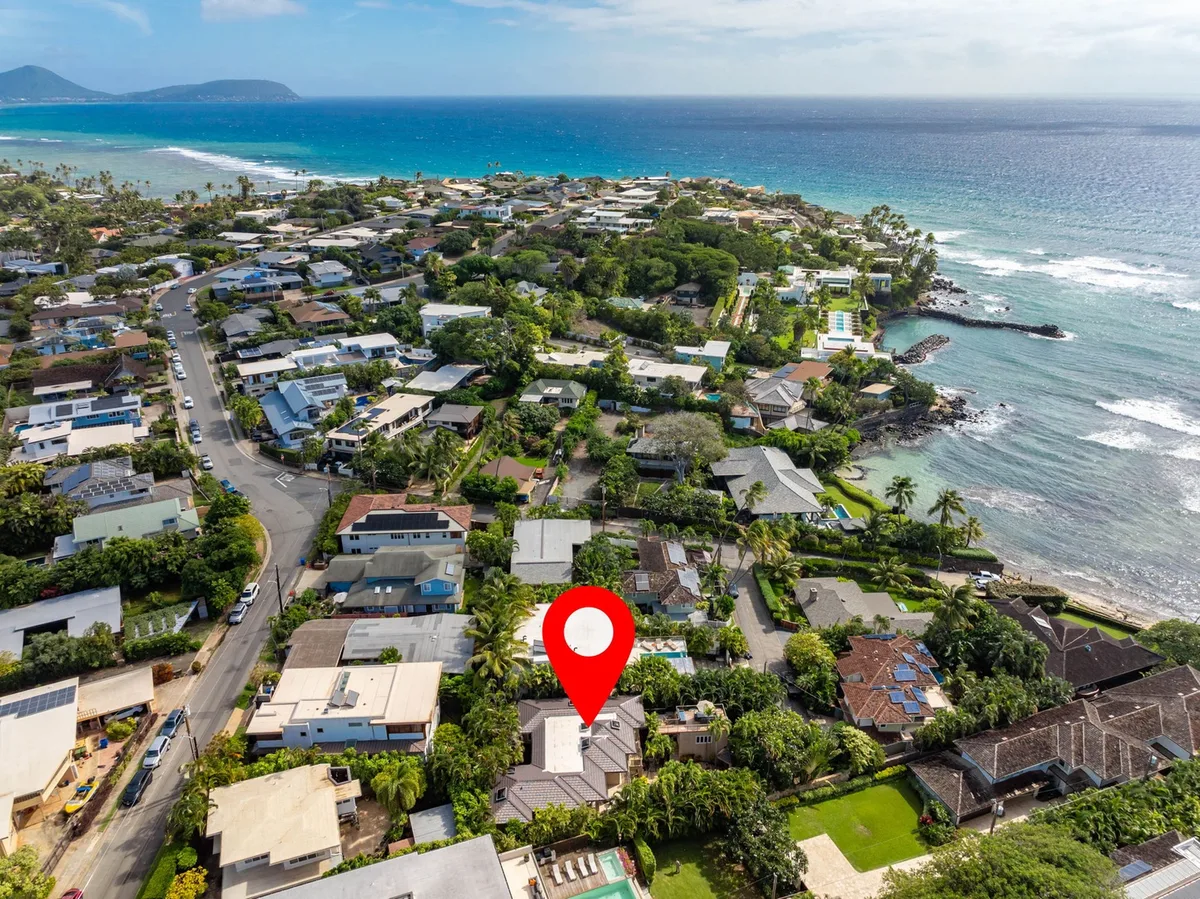
Image source: Web (Bing) / evrhi.com (Web image (fair-use with source credit))
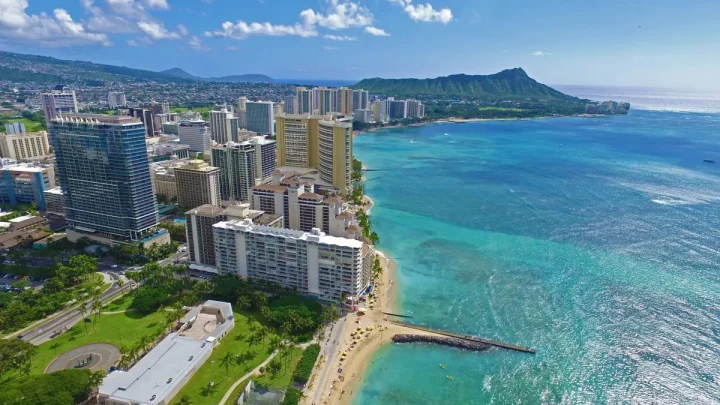
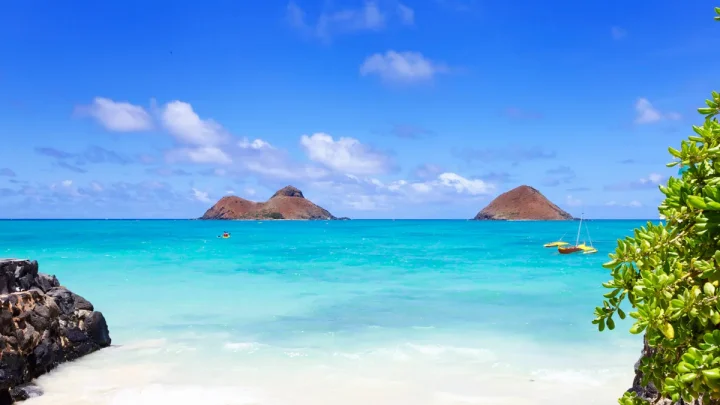
If you are asking whether is oahu safe to live, the direct answer is yes. Oahu remains one of the safest metropolitan areas in the United States. However, island living involves specific daily realities that standard mainland relocation guides often overlook.
Federal crime reporting shows Honolulu maintains violent crime rates substantially below mainland cities of similar population density. Even so, elevated property theft and environmental hazards present distinct everyday challenges for residents. Evaluating these patterns allows you to choose the right community with realistic expectations.
Quick Answer
Yes, Oahu is generally very safe to live.
Violent crime rates rank well below national averages.
Property crime remains the primary concern for residents.
Vehicle break-ins happen frequently near beaches and trailheads.
Natural ocean hazards also require constant situational awareness.
The Reality of Living on Oahu: Violent Crime Rates vs. National Baselines
Our research into municipal crime metrics reveals that Oahu stands out for personal physical safety. Violent crime, including aggravated assault and armed robbery, occurs at rates significantly lower than mainland metro baselines. As of 2026, the City and County of Honolulu continues to rank among the lowest in violent incidents per capita among the 20 largest US metro areas.
Strict local firearm regulations under Hawaii Revised Statutes contribute heavily to low rates of gun violence. Spontaneous violent altercations involving bystanders are uncommon. Most neighborhoods maintain an active outdoor culture where families, runners, and solo commuters walk safely during daylight and early evening hours.
| Crime Category (per 1,000 residents) | Oahu (Honolulu County) | US National Average |
|---|---|---|
| Violent Crime | ~2.4 | ~3.8 |
| Homicide | ~0.02 | ~0.06 |
| Property Crime | ~28.5 | ~20.5 |
| Vehicle Theft | ~4.1 | ~2.8 |
Official incident reports from the Honolulu Police Department show that physical violence on the island rarely targets random residents. When violent altercations occur, they typically involve disputes between known acquaintances or concentrated nightlife corridors late at night. For personal physical safety, Oahu consistently outperforms almost every comparable mainland hub.
Property Crime Realities: Car Break-Ins, Theft, and Daily Security Risks
While violent crime is exceptionally low, property crime on Oahu is a genuine daily frustration. The island experiences elevated rates of opportunistic theft, especially in high-traffic visitor areas and residential parking zones. Leaving items in an unattended car is the most common mistake new transplants make.
"Smash-and-grab" car break-ins happen quickly at beach parks, hiking trailheads, and scenic lookouts across the island. Thieves look specifically for rental vehicles or visible bags, sunglasses, and electronics left on seats. Even locked trunks are targeted if someone spots you placing valuables inside before heading onto a trail.
- Never leave bags, chargers, or loose change visible on your car seats.
- Secure mopeds, e-bikes, and bicycles with heavy-duty steel U-locks to fixed posts.
- Schedule package deliveries to locked parcel lockers or require direct signatures.
- Park in well-lit, gated driveways or secure parking structures whenever possible.
Residential burglary rates remain moderate, but unsecured ground-floor windows and open garage doors invite opportunistic prowlers. Installing visible security cameras and keeping tools or surfboards out of plain sight solves most household security risks.
Neighborhood-by-Neighborhood Safety Breakdown Across Oahu
Safety conditions vary noticeably depending on the region of the island you choose. Micro-neighborhood dynamics, traffic density, and community resources shape the daily living environment.
Urban Metro Honolulu: Waikiki, Downtown, and Kakaako
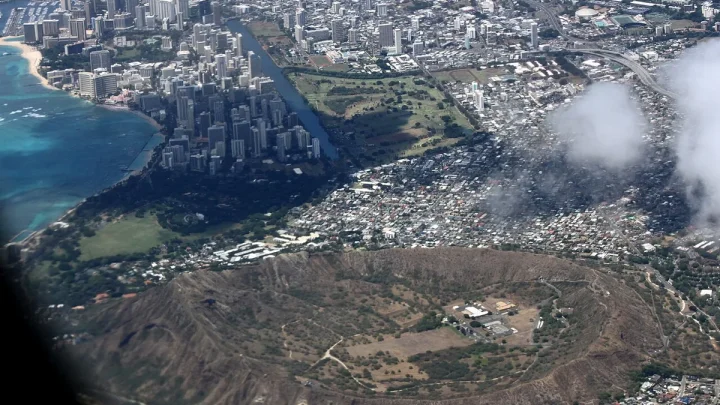
Urban Honolulu offers rapid emergency services and well-lit pedestrian corridors alongside dense foot traffic. Waikiki experiences heavy tourist foot traffic and higher rates of late-night disorderly conduct and pickpocketing.
Downtown and parts of historic Chinatown have visible unhoused populations and noticeable drug-related street activity after business hours. Nearby Kakaako and Ala Moana feature modern high-rise security buildings, active foot patrols, and very safe pedestrian infrastructure.
East Oahu and Windward: Kailua, Kaneohe, and Hawaii Kai
East Oahu and the Windward side are among the safest residential areas in the state. Communities like Hawaii Kai, Kahala, and Aina Haina report very low crime rates across all categories.
Kailua and Kaneohe provide tight-knit, family-friendly suburban atmospheres with active neighborhood watch programs. Property theft does happen at popular beach access points, but violent incidents are extremely rare.
Central Oahu and Leeward: Mililani, Kapolei, and the Waianae Coast
Central Oahu communities like Mililani and Pearl City are quiet, stable, and highly desirable for military families and long-term locals. Kapolei and Ewa Beach in the Leeward plain feature newer master-planned subdivisions with low overall crime rates.
Further west along the Waianae Coast, the dynamic shifts toward rural isolation and higher per capita property crime. While community bonds run deep, emergency response times are slower due to limited highway access. Transplants need to approach these close-knit communities with patience and cultural respect.
The North Shore: Haleiwa and Waialua
The North Shore operates at a relaxed, rural pace with very low violent crime. Daily risks here stem primarily from heavy weekend traffic congestion and seasonal crowds during winter surf competitions.
Vehicle break-ins at beach access points represent the main property crime threat. Haleiwa and Waialua remain peaceful, self-contained communities where neighbors actively look out for one another.
Environmental Hazards and Ocean Risks Transplants Frequently Overlook
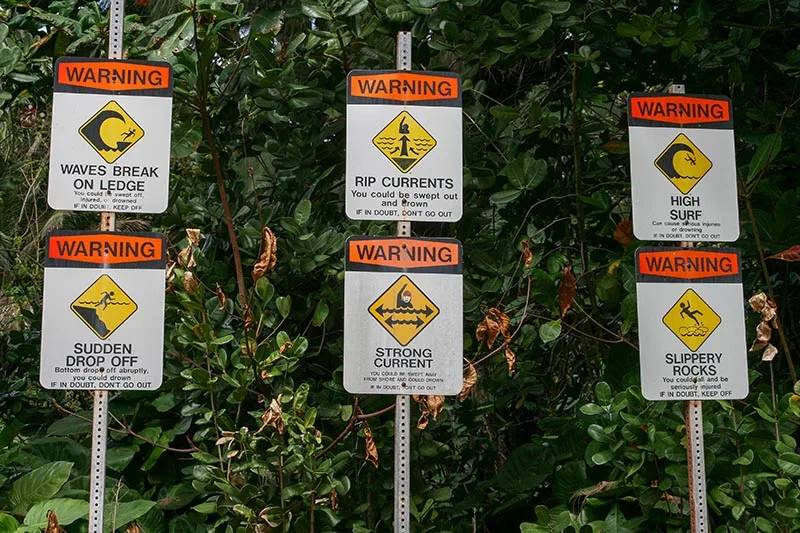
Image source: Web (Bing) / oceansafety.hawaii.gov (Web image (fair-use with source credit))
When evaluating island livability, natural hazards pose a far greater physical threat than human crime. The Pacific Ocean requires respect, preparation, and an understanding of seasonal shifts. Transplants often underestimate the strength of local shorebreaks and underlying currents.
Powerful winter swells on the North Shore generate dangerous rip currents and crashing shorebreaks that cause severe spinal injuries and drownings. Summer swells shift heavy surf to the South Shore, creating hazardous conditions in Waikiki and Sandy Beach.
- Check ocean conditions through local lifeguard stations before entering the water.
- Never turn your back on the ocean, especially on rocky ledges and tidal shelves.
- Track the monthly lunar cycle to avoid box jellyfish arrivals along southern beaches.
- Avoid entering brown runoff water after heavy rainfall due to bacterial risks.
Geographic and weather hazards also impact daily safety. According to the National Oceanic and Atmospheric Administration, Oahu faces seasonal risks from tropical storms, flash flooding, and king tides. Mountain runoff can turn dry stream beds into raging torrents in minutes, making ridge hiking during rainstorms exceptionally dangerous.
Healthcare Access, Emergency Infrastructure, and Geographic Bottlenecks
Oahu serves as the primary medical and trauma care hub for the entire state of Hawaii. Residents enjoy access to top-tier medical facilities, including The Queen's Medical Center, Straub Medical Center, and Kapiolani Medical Center for Women & Children. If you have chronic health conditions, Oahu provides far better specialist access than any Neighbor Island.
However, island geography creates distinct infrastructure bottlenecks that affect emergency response. Urban Honolulu features rapid ambulance and fire department response times, but rural regions rely on single-route highways.
A major traffic accident or coastal flooding event on Farrington Highway or Kamehameha Highway can close transit routes for hours. In remote areas of the North Shore or Leeward Coast, emergency vehicles face long transit corridors to reach level-one trauma facilities. Living outside the urban core requires planning for potential transit delays during unexpected island-wide emergencies.
Practical Safety Rules and Relocation Preparedness on the Island
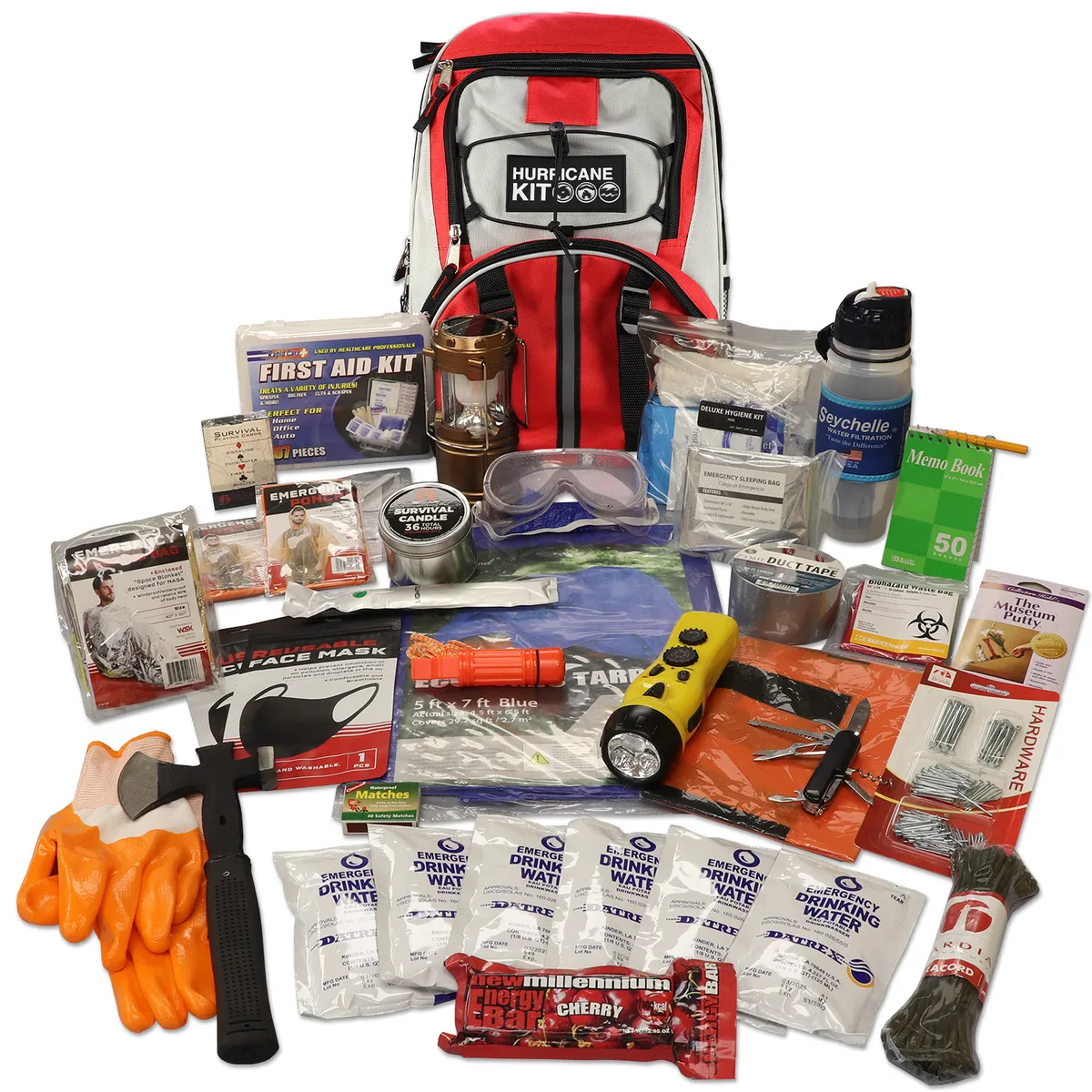
Image source: Web (Bing) / wholesalesurvivalkits.com (Web image (fair-use with source credit))
Living safely on Oahu requires shifting your daily habits from mainland routines. Because Oahu is an isolated island, emergency management experts recommend maintaining a 14-day emergency disaster kit. Supermarket supply chains depend heavily on commercial shipping through Honolulu Harbor, which can experience delays during major Pacific storms.
Your household kit should contain non-perishable food, portable water filters, battery backups, and prescription medications. Storing at least one gallon of water per person per day is the standard baseline. Keep paper copies of vital medical and identification documents in waterproof containers.
Daily personal safety on the island relies on straightforward habits:
- Never leave bags, electronics, or loose gear in parked vehicles anywhere on the island.
- Check daily National Weather Service bulletins before planning ridge hikes or ocean swims.
- Stay off closed trails to avoid steep mudslides, heavy fines, and costly emergency rescues.
- Get involved with your local neighborhood board to stay informed on local crime trends.
- Keep your home doors and ground-level windows locked when you are not in the room.
Respecting local community culture is also a core part of personal safety. Treating longtime residents with humility, patience, and aloha helps you integrate smoothly into your neighborhood.
Frequently Asked Questions About Safety on Oahu
Is Oahu safe for solo female residents?
Yes, Oahu is generally very safe for solo female residents. Violent crime is rare, and residential neighborhoods are peaceful. Standard precautions apply, such as avoiding unlit beach parks at night and staying alert in busy downtown entertainment areas.
What is the biggest daily danger on Oahu?
Ocean conditions and flash flooding represent the greatest physical dangers on Oahu. Powerful shorebreaks, sudden rip currents, and slippery mountain trails cause far more injuries and fatalities every year than violent crime. Always respect warning signs and check surf forecasts.
Are Oahu hiking trails safe for casual hikers?
Most marked state trails are safe if you stay on designated paths. Dangers arise when hikers bypass warning signs onto unauthorized ridge trails with loose basalt rock. Sudden rain can make clay trails slippery and trigger flash floods in valley streams.
Is Waikiki safe to walk around at night?
Waikiki is safe and heavily patrolled along main pedestrian avenues like Kalakaua and Kuhio Avenues. You will encounter active nightlife, street performers, and late-night crowds. Keep an eye out for pickpockets and avoid walking alone on unlit beach sand after midnight.
Do I really need a two-week emergency kit on Oahu?
Yes, emergency agencies recommend a 14-day emergency supply kit for all Hawaii residents. Island grocery shelves can empty quickly if severe hurricanes or dock disruptions interrupt cargo shipments. Having two weeks of food, water, and batteries ensures household stability.
Final Verdict: Is Oahu Safe Enough for Your Move?
Oahu offers an exceptionally secure environment for families, remote workers, retirees, and military transfers. Its violent crime rates remain far below mainland metropolitan baselines, making it one of the safest regions in the country for everyday physical peace of mind.
The primary trade-offs are elevated rates of vehicle break-ins and the constant reality of ocean and storm hazards. If you secure your property, respect the power of the ocean, and maintain a thoughtful emergency kit, Oahu provides a safe, welcoming, and vibrant home.

Similar Posts