What Island Is Oahu? Hawaii’s Geography Explained
If you are planning a trip to the Pacific, you might wonder what island is Oahu and how it fits into the broader geography of Hawaii. Oahu is an individual island within the State of Hawaii, not a separate country or a generic term for the entire region. It serves as the primary cultural, governmental, and economic center of the archipelago.
Covering roughly 597 square miles, Oahu is the third-largest landmass in the Hawaiian island chain. It is home to the state capital of Honolulu, world-famous Waikiki Beach, and historic Pearl Harbor. Understanding its location and features helps you pick the right flights and choose the best island for your travel plans.
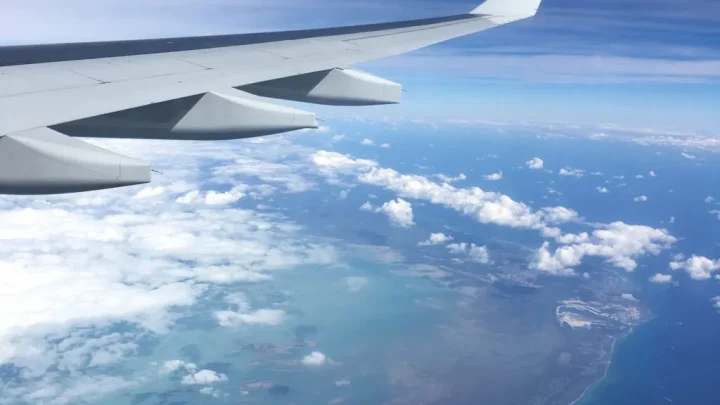
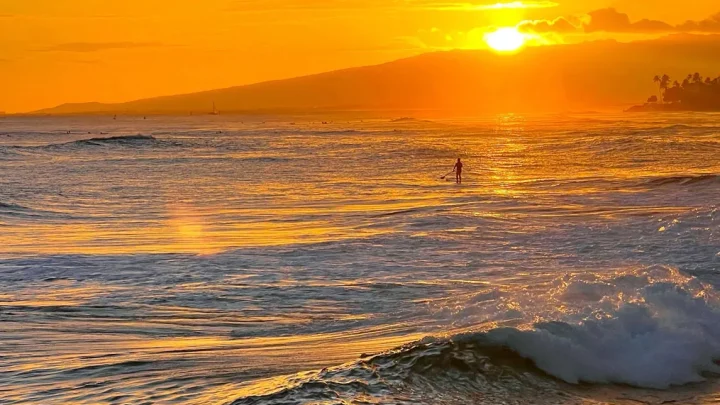
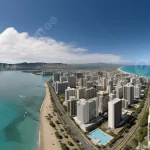
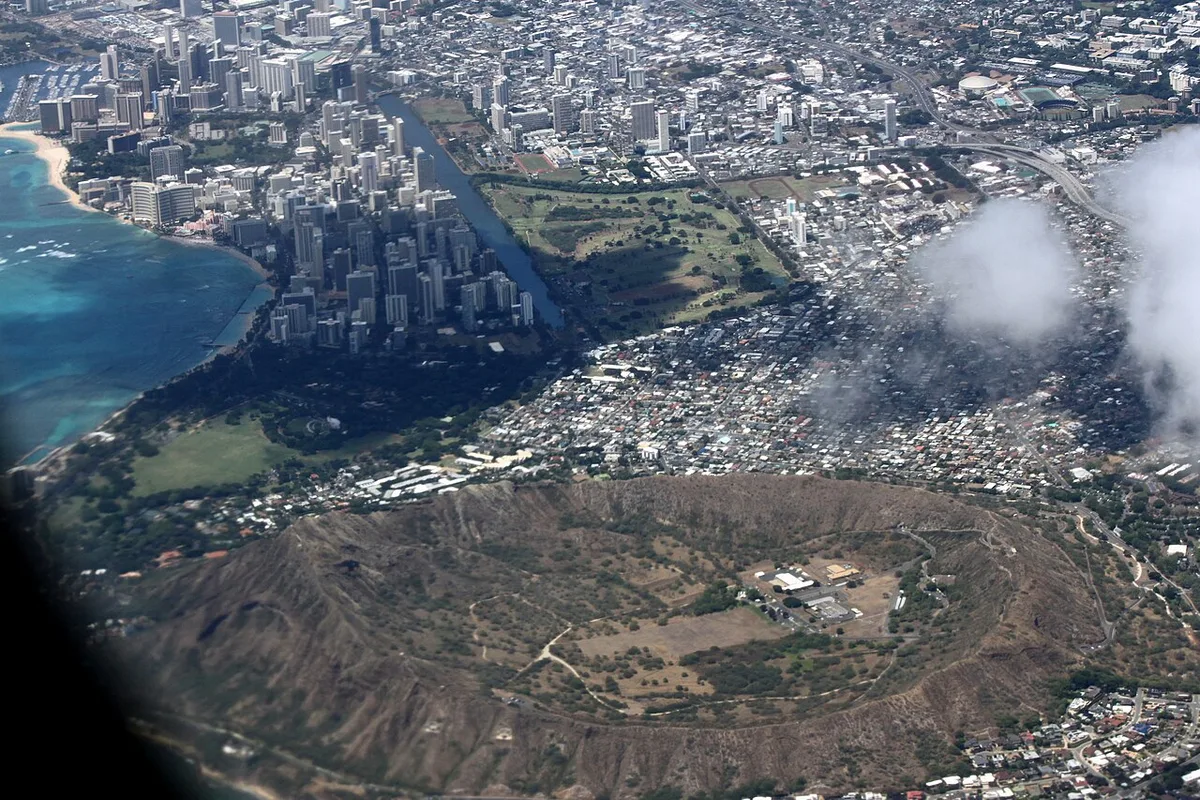
Image source: Wikimedia Commons / Prayitno / Thank you for (12 millions +) view from Los Angeles, USA (CC BY)
Quick Answer
Oahu is a distinct island in the State of Hawaii. It is the third-largest Hawaiian island by land area. Honolulu, the state capital, is located on its southeastern shore.
Famous destinations like Waikiki Beach and Pearl Harbor are on Oahu. Oahu is separate from Maui, Kauai, and the Island of Hawaii.
What Island Is Oahu? The Quick Breakdown
Oahu is a single volcanic island located in the Central Pacific Ocean. While many people use "Hawaii" and "Oahu" interchangeably, Oahu is just one of several islands that make up the state.
The "Hawaii vs. Oahu" Confusion Explained
The naming overlap causes plenty of confusion for first-time travelers. The State of Hawaii is the entire archipelago of islands. Within that state, there is a specific island named Oahu, and another distinct island named Hawaii (commonly called "The Big Island").
When you book a flight to Honolulu, you are traveling to Oahu. You are visiting the state of Hawaii, but you are not on the Big Island.
Oahu's Official Nickname and Meaning
Oahu is known traditionally across the state as "The Gathering Place." That title remains fitting as of 2026, since the island brings together diverse cultures, international commerce, and the majority of local residents.
In traditional Hawaiian culture, each major island holds a unique identity. Oahu earned its gathering reputation early on as the central seat of government and trade for the Hawaiian kingdom.
Where Oahu Fits in the Hawaiian Island Chain
Oahu sits near the center of the main Hawaiian island chain. It serves as the primary entry point for almost all international and domestic transpacific flights.
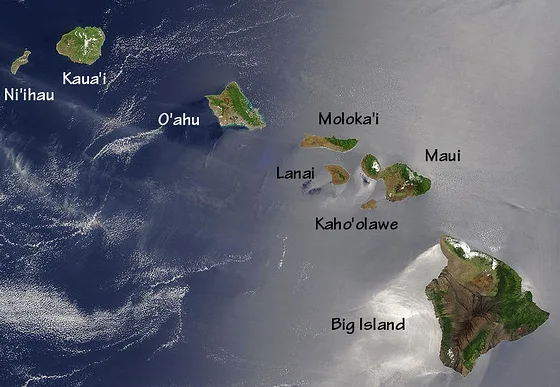
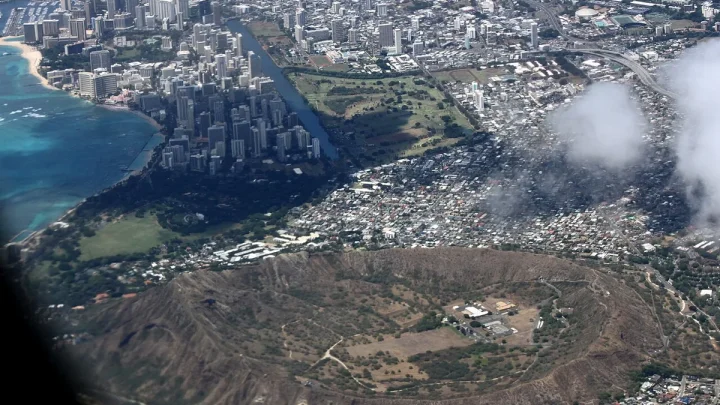
Image source: Web (Bing) / wallpapersafari.com (Web image (fair-use with source credit))
Geographic Location and Physical Size
Geographically, Oahu lies between Kauai to the northwest and Molokai and Maui to the southeast. The island measures roughly 44 miles long and 30 miles wide.
Two extinct shield volcanoes formed the island millions of years ago. These formations created the dramatic Koolau Range on the eastern side and the Waianae Range along the western coast.
Why Oahu Holds 70% of the State's Population
According to official records from the State of Hawaiʻi, nearly one million people live on Oahu. That represents roughly 70 percent of the entire state population living on just one island.
The natural deep-water harbor at Pearl Harbor and the protected commercial port in Honolulu established Oahu as the state's economic engine. Modern infrastructure, major universities, and international business hubs continue to center around this island.
Oahu vs. The Big Island, Maui, and Kauai: Side-by-Side Comparison
Each Hawaiian island offers a completely different personality, terrain, and pace of life. Comparing them side by side helps you understand where Oahu stands.
How Oahu Compares to Sister Islands (Specs & Vibe)
| Island | Popular Nickname | Size (Sq. Miles) | Best Known For | Overall Vibe |
|---|---|---|---|---|
| Oahu | The Gathering Place | 597 | Honolulu, Waikiki, Pearl Harbor | Energetic, urban meets tropical |
| Big Island | The Orchid Isle | 4,028 | Active volcanoes, coffee farms | Vast, rugged, rural |
| Maui | The Valley Isle | 727 | Road to Hana, luxury resorts | Balanced, scenic, upscale |
| Kauai | The Garden Isle | 552 | Napali Coast, Waimea Canyon | Quiet, lush, dramatic nature |
Oahu vs. The Big Island (Hawaii Island)
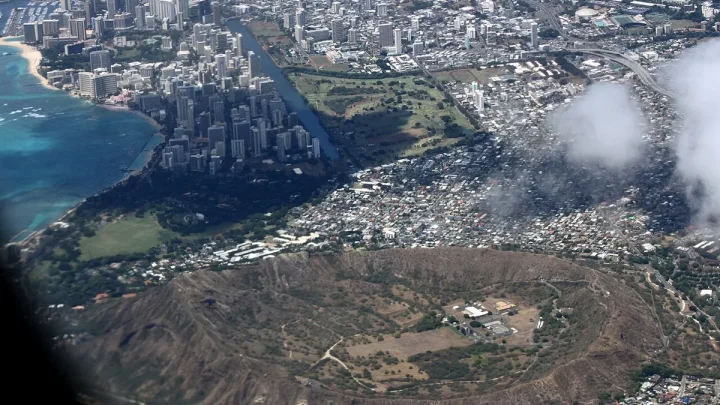
The Big Island is nearly seven times larger than Oahu and features active volcanic zones. Oahu has extinct volcanic tuff cones, such as Diamond Head, rather than active lava flows.
Driving across the Big Island requires hours between small towns. Oahu offers a dense, modern highway network where you can cross from the south shore to the north shore in under an hour.
Oahu vs. Maui
Maui balances luxury resort communities with rural driving routes like the Road to Hana. It offers a relaxed resort atmosphere centered around golf and whale watching.
Oahu provides a genuine metropolitan skyline right against the sand. You get world-class museums, extensive international dining, and active nightlife alongside traditional beaches.
Oahu vs. Kauai
Kauai strictly restricts building heights to preserve its rural character and lush greenery. It is geared toward quiet eco-tourism, hiking, and early nights.
Oahu offers major shopping districts, historic royal palaces, and dense neighborhoods. Kauai is built for quiet escapes, while Oahu is built for energy and cultural variety.
Key Regions and Landmarks That Put Oahu on the Map
Oahu is geographically diverse despite its compact size. You can move from dense city blocks to quiet surf communities in a single afternoon.
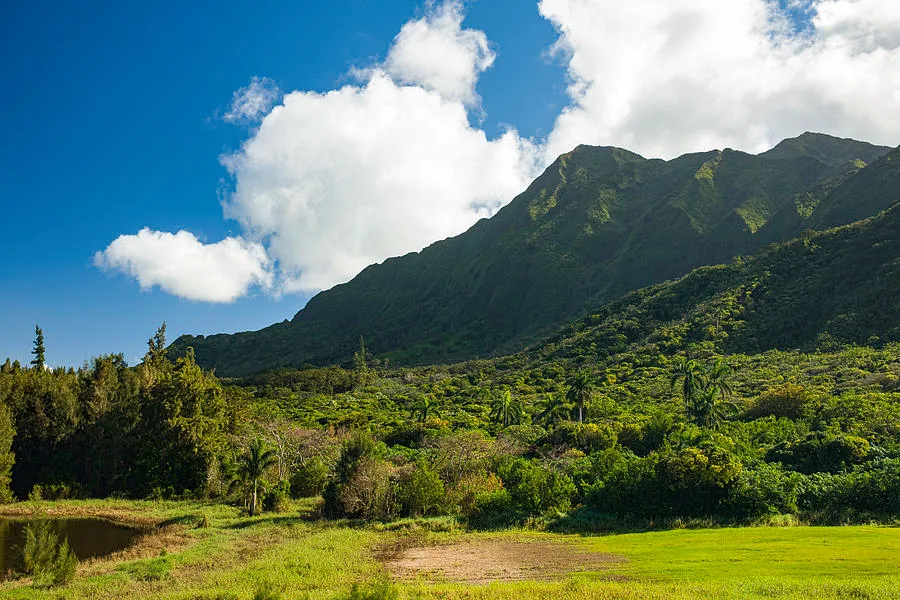
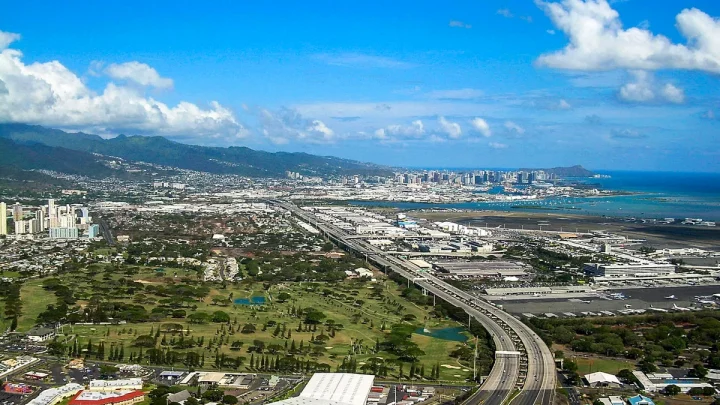
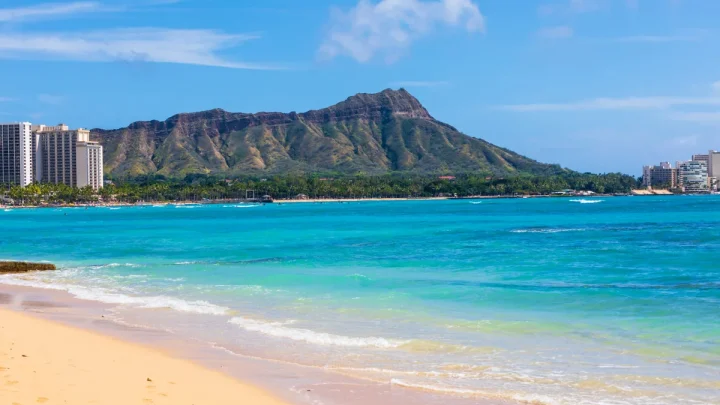
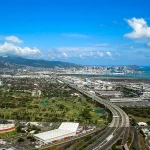
Image source: Web (Bing) / pinterest.com (Web image (fair-use with source credit))
Honolulu and Waikiki (South Shore)
The south shore contains Honolulu, the state capital. This region houses the state government, international banking, and major medical centers.
Waikiki sits along the Honolulu coastline, filled with high-rise hotels, calm swimming breaks, and bustling dining strips. Nearby historic landmarks include Iolani Palace and the naval memorials managed by the National Park Service at Pearl Harbor.
The North Shore: Surf Capital of the World
Heading north takes you through the central agricultural plateau to the famous North Shore. This rural coastline is world-renowned for winter surfing competitions at Waimea Bay, Sunset Beach, and the Banzai Pipeline.
During summer months, the massive ocean swells disappear completely. The same North Shore bays turn into calm, crystal-clear spots for swimming and snorkeling.
Windward vs. Leeward Oahu: Two Different Worlds
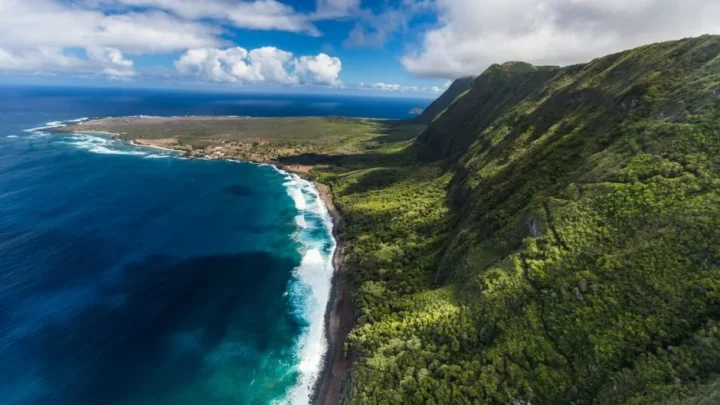
The Koolau mountains create two distinct weather zones on the island. The Windward side on the east catches the moisture-rich trade winds, creating green towns like Kailua and Kaneohe.
The Leeward side on the west sits in the mountain rain shadow. It features dry, sunny weather, rugged coastlines, and master-planned resort areas like Ko Olina.
Who Oahu Is Best For (and Who Might Prefer Another Island)
Choosing the right island depends on what you want from your travel experience. Oahu balances modern convenience with outdoor recreation better than any other island in the chain.
When Oahu Is Your Best Pick
Oahu is the best choice if you are a first-time visitor wanting a complete mix of history, food, and ocean activities. It is ideal for travelers who want to visit iconic American landmarks and experience diverse regional cuisine.
It is also the easiest island to visit without a rental car. Public transit, rideshares, and walkable hotel districts make getting around simple.
When You Should Head to Maui, Kauai, or the Big Island
You might prefer another island if you want total solitude or empty stretches of wilderness. If city traffic and tall buildings ruin your idea of paradise, Kauai or the Big Island are better options.
Maui is the stronger pick if your main priority is staying on a self-contained resort property with minimal city noise. Choose the Big Island if you want to explore volcanic craters and dramatic climate shifts.
Common Mistakes Travelers Make When Booking Oahu
Travelers often make costly planning errors because of the shared naming conventions across the islands. Paying attention to travel logistics prevents headaches once you land.
Airport Code Mix-Ups (HNL vs. OGG vs. KOA)
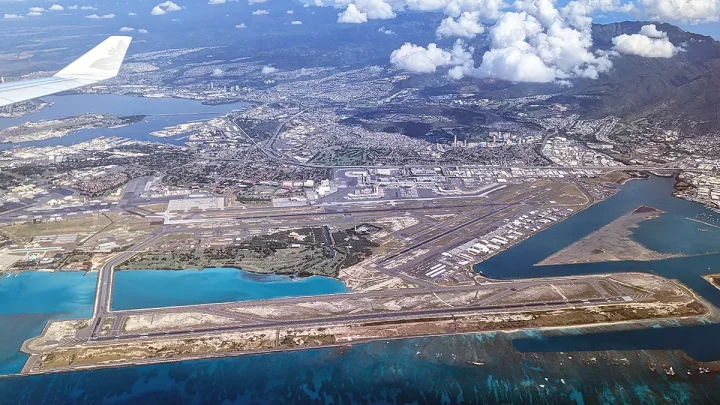
The primary airport for Oahu is Daniel K. Inouye International Airport, coded as HNL. Flights landing here put you directly on Oahu, roughly twenty minutes from downtown Honolulu.
Booking flights to Kahului (OGG) lands you on Maui. Booking flights to Ellison Onizuka Kona International Airport (KOA) or Hilo (ITO) lands you on the Big Island. You cannot drive between Hawaiian islands, so booking the wrong code requires buying an inter-island flight.
Expecting Empty Wilderness in Downtown Honolulu
Waikiki and downtown Honolulu are dense urban areas with standard city traffic. Rush hour along the Interstate H-1 corridor can back up significantly during morning and evening commutes.
If you want pristine, uncrowded landscapes, you need to drive away from the south shore. The Windward Coast, the North Shore, and the central valleys offer the open, lush views most travelers picture.
Skipping Advance Reservations for Key Landmarks
Several of Oahu's most popular sites now require advance reservations to manage visitor traffic and protect natural resources. You cannot simply walk in on the day of your visit.
- Diamond Head State Monument: Out-of-state visitors must book timed parking and entry slots online before arriving.
- Hanauma Bay Nature Preserve: Snorkeling entry requires timed tickets that sell out quickly online.
- Pearl Harbor National Memorial: The boat shuttle to the USS Arizona Memorial requires free timed reservations managed through recreation.gov.
Frequently Asked Questions About Oahu
Is Oahu the same thing as Honolulu?
Honolulu is the major city located on the island of Oahu. The entire island is governed under the City and County of Honolulu, but Oahu contains many other towns like Kailua, Haleiwa, and Kapolei. Honolulu refers specifically to the urban district along the southern shore.
Is Oahu the largest island in Hawaii?
Oahu is not the largest island in Hawaii. It is the third-largest by total land area, behind the Big Island and Maui. Despite its smaller size, Oahu contains the vast majority of the state's total population and commercial infrastructure.
Do you need a passport to travel to Oahu?
United States citizens do not need a passport to visit Oahu. Hawaii is the 50th U.S. state, so standard domestic travel identification rules apply. International travelers flying into Honolulu International Airport must present a valid passport and meet standard U.S. entry visa requirements.
Can you drive around the entire island of Oahu in one day?
You can easily drive around the perimeter of Oahu in a single day. A full scenic loop covers roughly 100 to 120 miles depending on your exact route. Most travelers take around six to eight hours to complete the drive with regular stops for food, sightseeing, and swimming.
Making the Final Call: Is Oahu the Right Island for Your Trip?
Oahu gives you the most complete snapshot of modern Hawaiian life. It brings together historic sites, world-class dining, easy transportation, and stunning tropical scenery on a single island.
If you want to experience iconic beaches like Waikiki, explore Hawaiian history, and enjoy active surf culture, Oahu is the ideal choice. Make your landmark bookings early, fly into Honolulu (HNL), and you will be ready to explore the Gathering Place.

Similar Posts