What to Do in Oahu: The Ultimate Island Bucket List
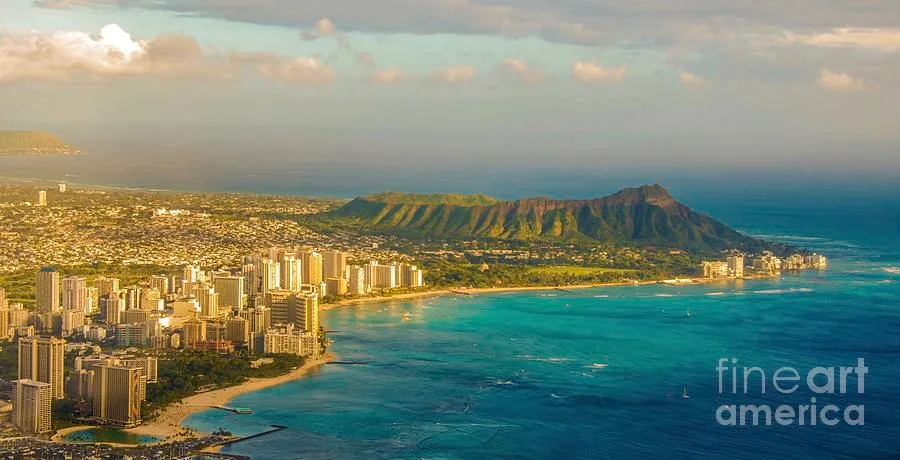
Planning oahu what to do comes down to geographic strategy rather than chasing a massive checklist. The island is compact, yet heavy commuter traffic easily eats up half your day if you zig-zag between coasts.
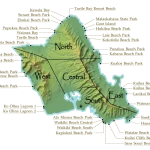
Oahu spans nearly 600 square miles across five distinct microclimates. Grouping your stops by coastline keeps drive times low and lets you experience the island at a relaxed, sustainable pace.
Quick Answer
Planning oahu what to do works best by geographic region. Group your activities by coastline to avoid heavy traffic. Reserve Pearl Harbor and Diamond Head weeks in advance.
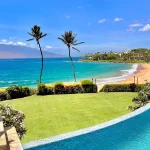
Visit the North Shore in winter for massive surf. Swim on the Windward Coast for calm turquoise water.
Image source: Web (Bing) / fineartamerica.com (Web image (fair-use with source credit))
Why Most Oahu Itineraries Fail (and How to Plan Yours by Region)
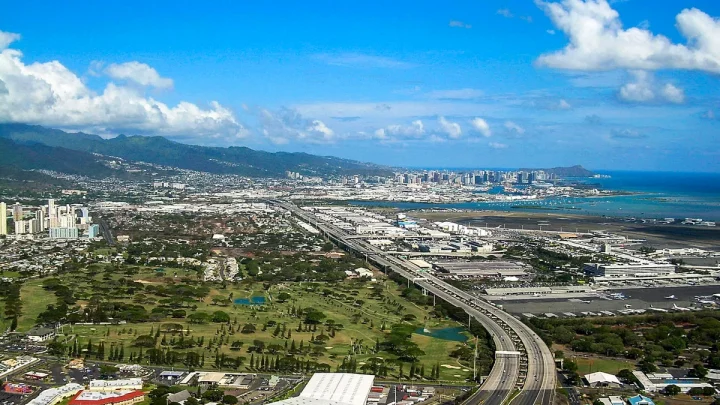
Most travelers try to cross the Koolau mountain range multiple times a day. Oahu may look small on a map, but the mountain geography funnels traffic into a few key corridors. The H-1 freeway, H-2, and Kamehameha Highway routinely back up during morning and afternoon commute windows.
If you attempt a morning hike at Diamond Head, lunch on the North Shore, and an afternoon kayak in Kailua, you spend four hours in a rental car. Grouping your days by distinct geographic zones eliminates this friction.
| Region | Best For | Typical Drive from Waikiki | Key Highlights |
|---|---|---|---|
| South Shore | History, dining, beginner surf | 0 to 20 minutes | Pearl Harbor, Diamond Head, Waikiki Beach |
| Windward Coast | White-sand beaches, lush ridges | 30 to 45 minutes | Lanikai Beach, Kailua, Nuʻuanu Pali Lookout |
| North Shore | Surf culture, food trucks, tide pools | 45 to 75 minutes | Haleiwa, Waimea Bay, Banzai Pipeline |
| Leeward Coast | Protected lagoons, dramatic sunsets | 40 to 60 minutes | Ko Olina lagoons, Kaena Point trail |
The Core Decision Variables: Length of Stay, Wheels, Season, and Style
Your itinerary should change based on a few clear variables. Use these decision rules to structure your time.
- If you have 4 days or fewer: Anchor your stay to the South Shore and Windward Coast. Spend one full day on the North Shore, but avoid switching hotels.
- If you have 5 to 7 days or more: Dedicate one full day to each geographic zone. This allows for spontaneous stops at roadside fruit stands and scenic pullouts.
- If you do not rent a car: Base yourself in Waikiki. Use municipal transit (TheBus) and rideshares for urban sites. Book guided transport for day trips out to Kualoa Ranch or the North Shore.
- If you travel between November and February: Expect massive 20-to-30-foot ocean swells on the North Shore. These waves are incredible for spectating, but unsafe for casual swimming.
- If you travel between May and September: Head to North Shore bays like Shark's Cove for calm, world-class snorkeling.
As of 2026, several premier state parks and historic sites require advance reservations for out-of-state visitors. Locking in your logistics early ensures you spend your vacation exploring rather than waiting in overflow parking lines.
Route 1: South Shore Culture, History, and Classic Honolulu
The South Shore blends world-class historical monuments with vibrant urban food scenes and accessible ocean recreation.
Navigating Pearl Harbor and Historic Downtown
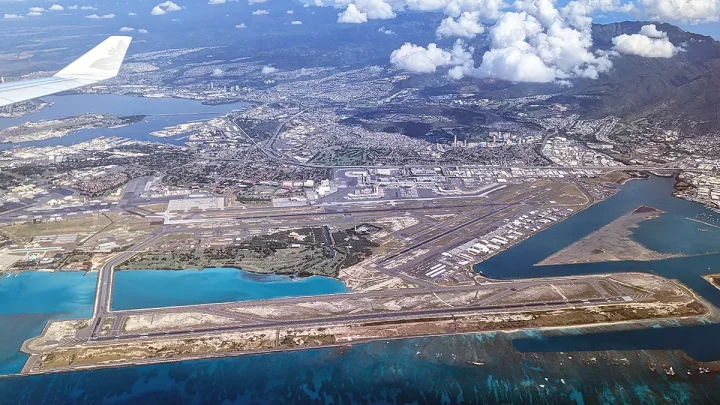
Start your morning early at the Pearl Harbor National Memorial. The National Park Service releases timed tickets for the USS Arizona Memorial online. You will board a naval shuttle boat out to the sunken battleship resting place.
Give yourself at least three hours to explore the shoreline museums and the neighboring Battleship Missouri.
After Pearl Harbor, head into historic downtown Honolulu. Walk the grounds of Iolani Palace, the only official royal residence on United States soil. Just down the road, the King Kamehameha I statue stands across from Aliʻiōlani Hale.
For lunch, skip the resort chains and stop at a local poke counter in the nearby Kaimuki neighborhood.
Waikiki Water Time and Iconic Coastal Hikes
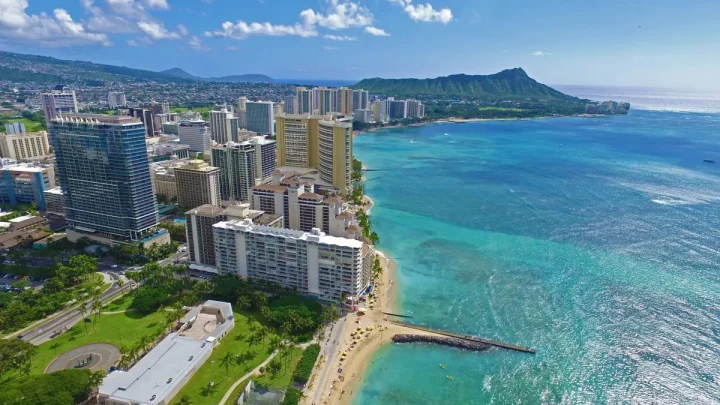
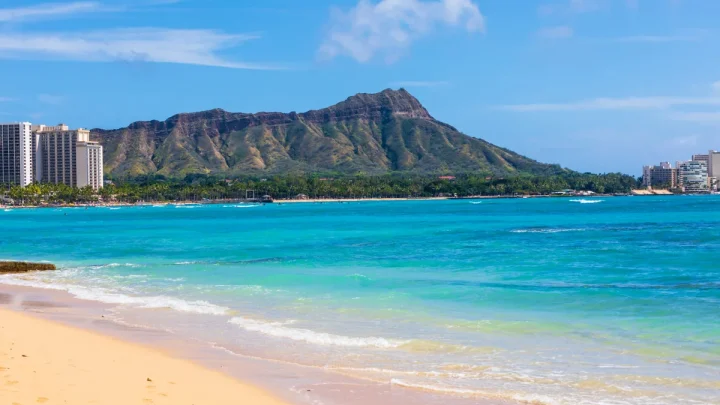
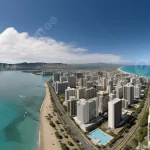
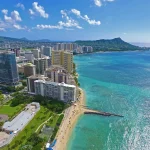
Waikiki Beach offers some of the gentlest, longest roller waves in the Pacific. Rent a longboard near Canoes surf break, or book an afternoon catamaran sail right off the sand. The view of Honolulu against the volcanic backdrop from the water is unmatched.
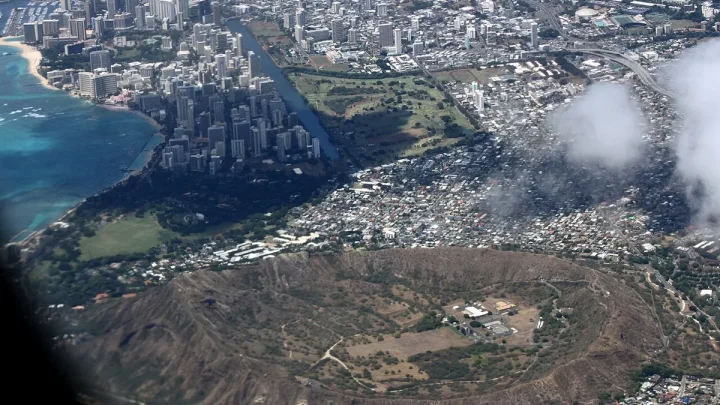
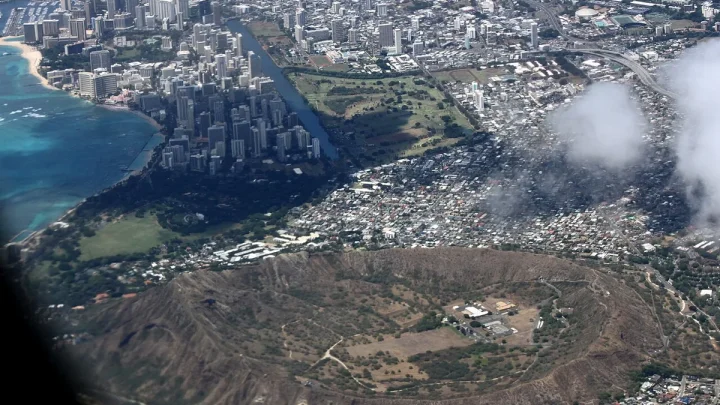
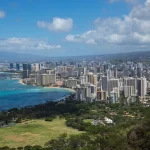
For a scenic view from above, hike the Diamond Head State Monument (Leahi). The trail climbs 560 vertical feet along switchbacks and military tunnels to the crater rim. Non-residents must book a timed entry voucher before arriving.
Route 2: The Windward Coast and Lush Mountain Ridges
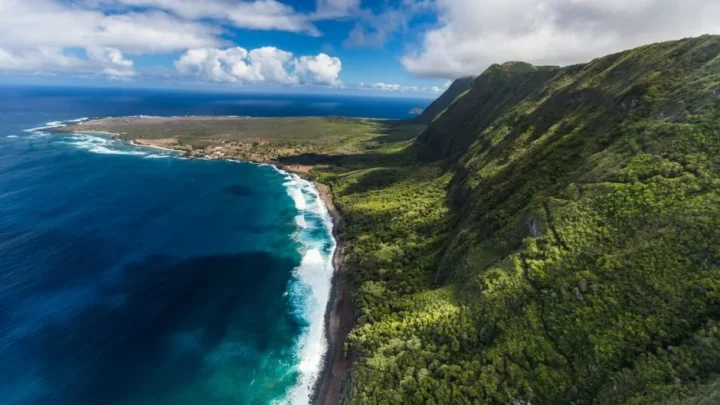
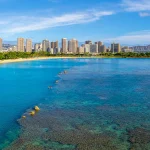
The Windward side sits beneath the sheer, emerald cliffs of the Koolau Range. Trade winds deliver regular rain showers here, keeping the landscape lush and the water bright turquoise.
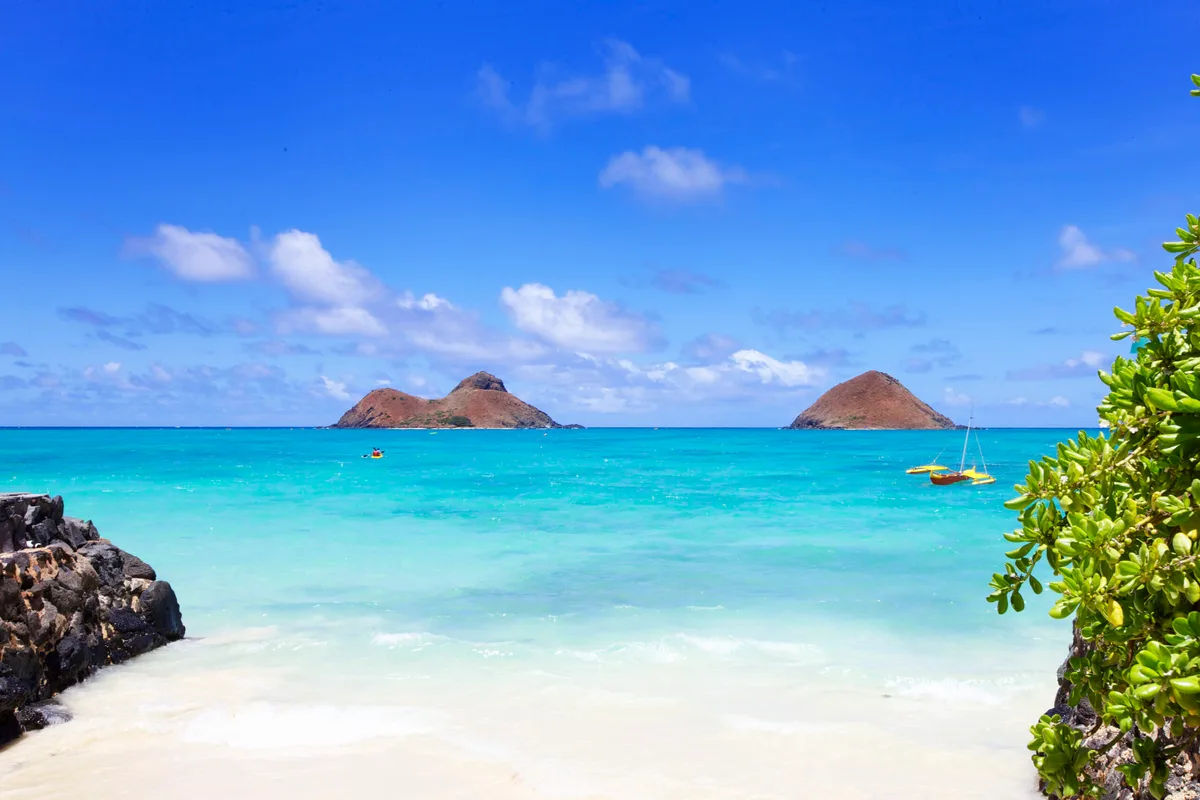
Image source: Bing (Web (fair-use with source credit))
Kayaking, Snorkeling, and White-Sand Beaches
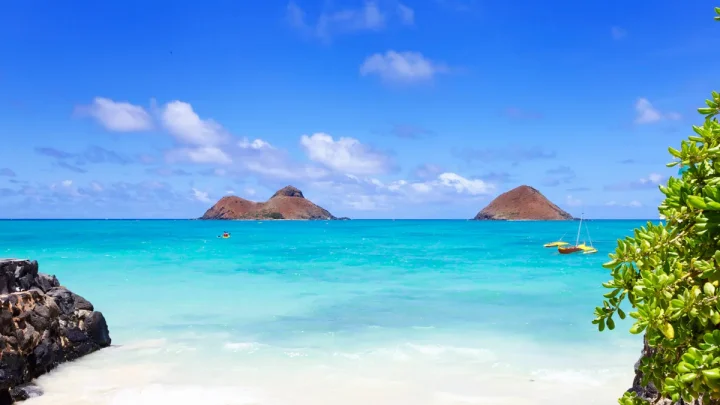
Kailua Beach and Lanikai Beach feature powdery white sand and shallow, reef-protected waters. If you want an active morning, rent a tandem kayak in Kailua town. Paddle out to the Mokulua Islands (Moku Nui), an offshore seabird sanctuary with a protected landing beach.
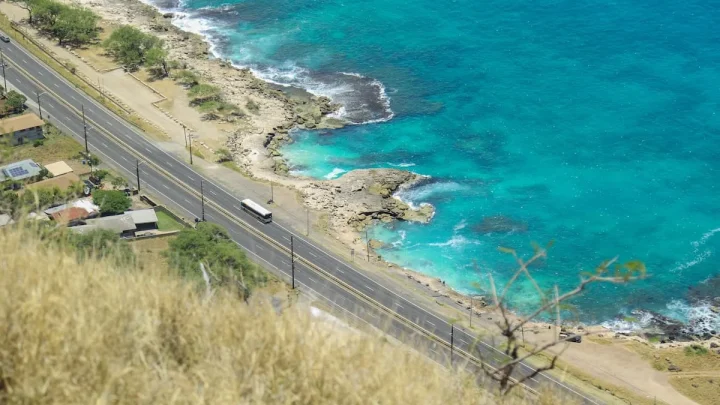
Further south along the coastal road lies the Makapuʻu Point Lighthouse Trail. This fully paved 2-mile round-trip walk offers sweeping views of the windward coastline. It is also one of the premier shore-based whale watching spots during winter migration.
Dramatic Lookouts and Sacred Valleys
Drive inland through the Nuʻuanu Pali Lookout. Gale-force trade winds funnel through this mountain pass, which marks the site of the historic 1795 Battle of Nuʻuanu. The view stretches from Kaneohe Bay down to Chinaman's Hat (Mokoliʻi).
In Kaneohe, visit Hoʻomaluhia Botanical Garden to explore 400 acres of tropical flora arranged by geographic origin. Nearby, the Byodo-In Temple rests at the foot of the cliffs in the Valley of the Temples. The temple is a non-denominational scale replica of a 900-year-old wooden Buddhist temple in Uji, Japan.
Route 3: The North Shore Surf Loop and Country Roads
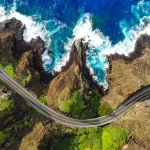
The North Shore operates at a slower, country pace. A single two-lane road connects legendary surf breaks, historical plantation settlements, and famous food trucks.
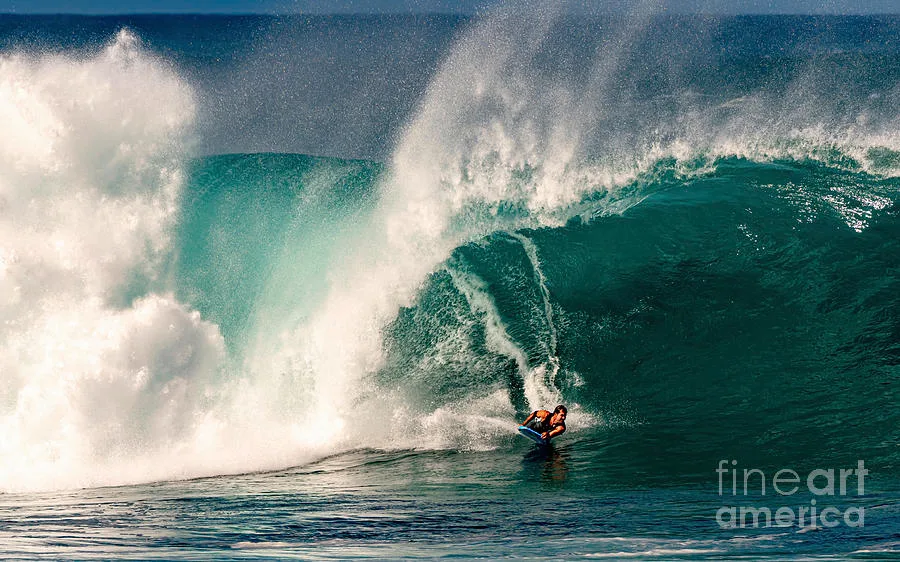
Image source: Web (Bing) / nathalianbastnews.blogspot.com (Web image (fair-use with source credit))
Winter Swells vs. Summer Snorkel Spots
Ocean conditions dictate your North Shore activity list. During the winter, head to Ehukai Beach to watch professional surfers tackle the Banzai Pipeline. Sunset Beach and Waimea Bay also showcase historic, towering surf.
Always follow safety warnings posted by the Hawaii Department of Land and Natural Resources and local lifeguards.
In the summer months, the ocean flattens into a lake-like state. Waimea Bay turns into a calm swimming haven. Just up the road, Shark's Cove offers rocky volcanic tide pools filled with parrotfish, green sea turtles (honu), and butterflyfish.
Wear sturdy water shoes to protect your feet from sharp lava rock.
Roadside Grindz, Shave Ice, and Historic Haleiwa
No North Shore run is complete without stopping at the Kahuku shrimp trucks along the northern tip of the island. Plates come piled high with local butter-garlic shrimp, white rice, and lemon wedges.
Finish your loop in historic Haleiwa town. Walk through the plantation-style surf shops, art galleries, and boutiques. Cool off with a shave ice topped with tropical fruit juices, sweetened condensed milk (a snow cap), and vanilla ice cream in the base.
Route 4: The Leeward Coast and Dramatic West Side Escapes
The Leeward Coast sits on the western side of the Waianae Mountain Range. This region receives the least rainfall on the island, making it a reliable refuge when trade winds bring clouds to the eastern shores.
Calm Lagoons and Off-the-Beaten-Path Coves
The Ko Olina resort area features four man-made ocean lagoons linked by a paved 1.5-mile shoreline path. Large rock seawalls protect these coves from rough open-ocean swells. That makes them ideal for families with small children or nervous swimmers.
Public parking is limited, so plan to arrive before 8:30 AM to secure a designated guest stall.
Further north past the town of Waianae, you will find Pokai Bay. A wide breakwater shelters this wide crescent beach, keeping waters flat throughout the year. It offers some of the best stand-up paddleboarding conditions on the island.
Coastal Sunset Drives Along the Waianae Coast
Driving Farrington Highway north leads you past sheer volcanic valleys and quiet, rugged beaches like Makaha. Makaha Beach is historically significant as a birthplace of modern big-wave surfing.
The road eventually ends at Kaena Point State Park. From the road's end, you can hike a flat, unpaved coastal trail along the lava rock bluffs. The trail terminates at an predator-fenced nature preserve protecting nesting Laysan albatrosses and native coastal plants.
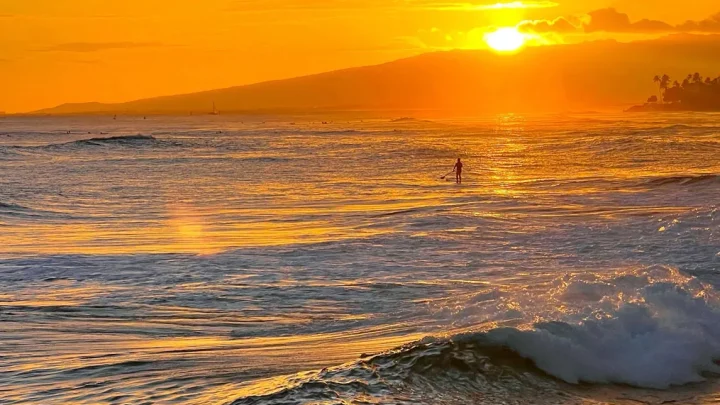
Sunset views from this westernmost tip are among the most dramatic on Oahu.
Practical Oahu Rules: Reservations, Permits, and Ocean Safety
A smooth trip requires navigating state reservation systems and respecting local conservation laws. Missing your booking window can mean missing out on key sites entirely.
- Hanauma Bay Nature Preserve: Non-resident tickets release online exactly 48 hours in advance at 7:00 AM HST. They routinely sell out in under five minutes. The park is closed on Mondays and Tuesdays for marine habitat recovery.
- Diamond Head State Monument: Non-residents must reserve a 2-hour entry slot and parking pass up to 30 days in advance through the state park system.
- Pearl Harbor (USS Arizona Memorial): Tickets release on Recreation.gov in two waves: 56 days in advance and a smaller rolling batch 24 hours prior.
- Reef-Safe Sunscreen Laws: Hawaii state law bans sunscreens containing oxybenzone and octinoxate. Pack mineral-based sunscreens made with zinc oxide or titanium dioxide to protect coral ecosystems.
- Wildlife Distance Regulations: Federal and state laws require staying at least 10 feet away from green sea turtles (honu) and 50 feet away from endangered Hawaiian monk seals.
Ocean safety demands constant attention. Rip currents and powerful shorebreaks are common at beaches like Sandy Beach and Waimea Bay. If a beach does not have an active lifeguard tower, assess conditions carefully before entering the water.
When in doubt, do not go out.
Oahu Planning FAQ: Common Real-World Questions Answered
How many days do you need to explore Oahu?
Five to seven days is the ideal trip length. This allows you to spend dedicated days on the South Shore, Windward Coast, and North Shore without rushing. It also leaves room for travel days and spontaneous stops without overloading your daily itinerary.
Do you need to rent a car on Oahu?
You do not need a car if you stay in Waikiki and plan only urban activities. However, renting a car for at least two or three days is essential for exploring the North Shore, Windward lookouts, and remote hiking trails along the mountain ridges.
What is the best month to visit Oahu?
April through May and September through November offer the best balance. These shoulder months feature warm ocean temperatures, fewer crowds, and lower lodging rates. Winter brings world-class surf viewing, while summer brings calm waters for snorkeling.
Is Hanauma Bay worth the hassle of booking?
Yes, Hanauma Bay offers the most accessible, high-density reef snorkeling on the island for beginners. The clear waters and shallow coral shelves host hundreds of fish species. If you miss a booking, consider Shark's Cove during summer as a free, walk-in alternative.
🄠Field-Tested Gear: Oahu Ocean Adventures & Water Sports
Whether snorkeling protected reefs at Hanauma Bay, sailing off Waikiki, or exploring North Shore coves, safeguard your electronics and skin with marine-grade gear:
- Heavy-Duty Waterproof Dry Bag Backpack with Phone Pouch:Check Waterproof Ocean Dry Bags on Amazon →
- UPF 50+ UV Sun Protection Long-Sleeve Rash Guard:Check UPF 50+ Sun Protection Rash Guards on Amazon →
*FTC Disclosure: As an Amazon Associate, Hawaii Travel Bureau earns from qualifying purchases. Learn more about our field-tested travel research methodology.*

Similar Posts