What Airport Do You Fly Into for Oahu, Hawaii?
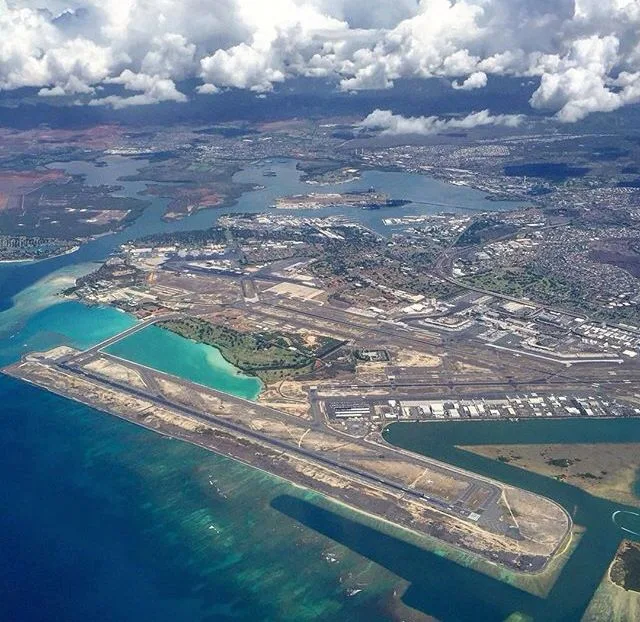
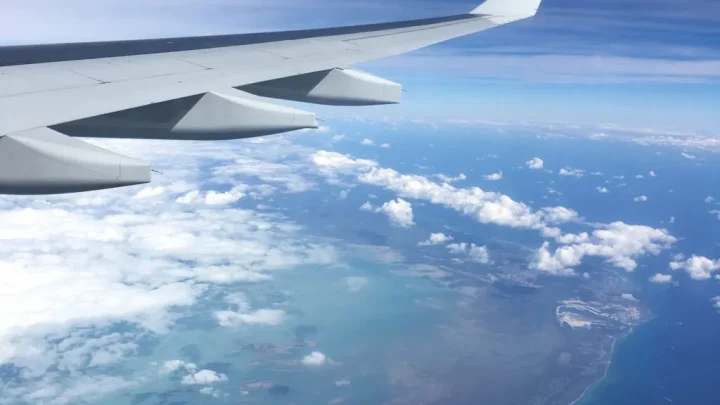
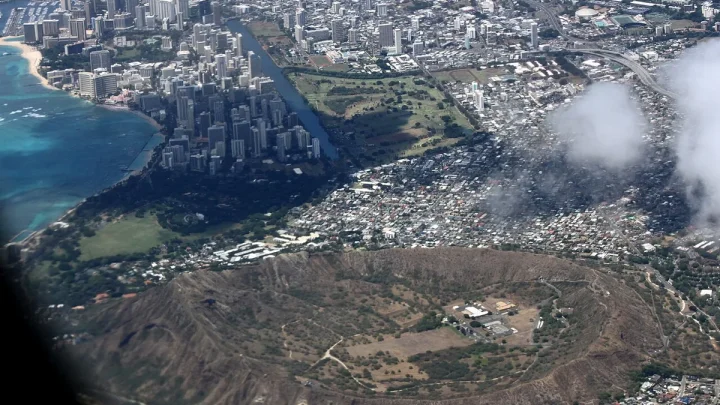
If you are wondering what airport for oahu you need to book, there is only one commercial answer. Every major commercial flight lands at Daniel K. Inouye International Airport in Honolulu.
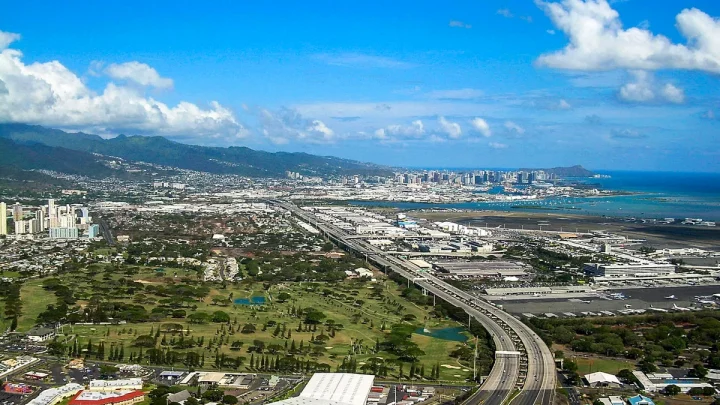
This primary hub handles transpacific routes, international arrivals, and quick interisland hops. The airport sits roughly 8.5 miles west of Waikiki along the southern shore. Navigating the facility is straightforward once you understand its layout and terminal system.
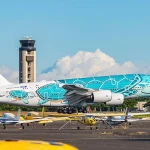
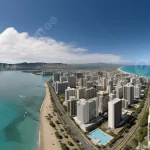
Image source: Web (Bing) / br.pinterest.com (Web image (fair-use with source credit))
Quick Answer
Daniel K. Inouye International Airport is the sole commercial airport on Oahu. Its airport code is HNL.
The facility sits in Honolulu, about eight miles from Waikiki. All major domestic, international, and interisland airlines land here. Terminal assignment depends entirely on your chosen airline.
The Primary Gateway: Daniel K. Inouye International Airport (HNL)
Daniel K. Inouye International Airport operates under the airport code HNL. Most locals and booking engines refer to it simply as Honolulu International Airport.
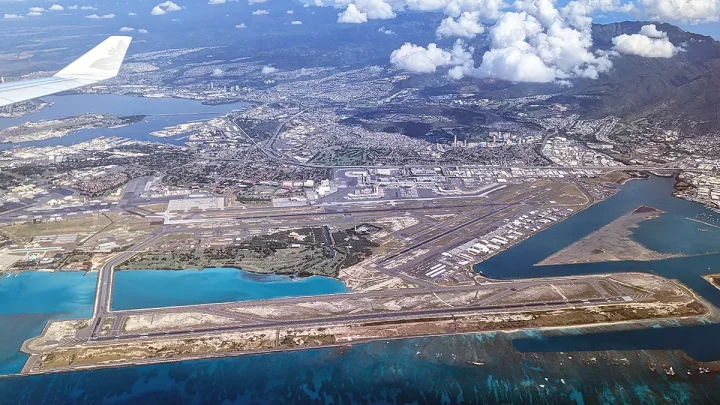
The facility spans over 4,500 acres along Oahu's southern coastline, right next to Joint Base Pearl Harbor-Hickam.
The airfield features four active runways, including the famous Reef Runway built directly over the water. As of 2026, HNL serves as the central aviation hub for the entire state of Hawaii. It processes millions of passengers each year traveling from North America, Asia, Oceania, and neighboring Hawaiian islands.
Smaller airfields exist on the island, but they do not serve standard commercial flights. Kalaeloa Airport handles general aviation and military support. Dillingham Airfield on the North Shore caters to gliders and skydiving operations.
For standard airline travel, HNL is your only destination.
You can verify terminal maps and live gate updates directly through the Hawaii Department of Transportation Airports Division.
Terminal Breakdown: Matching Your Airline to the Right Arrival Gate
HNL divides commercial operations across three distinct passenger terminals. Knowing your terminal ahead of time makes pickup arrangements and rental car connections much easier.
       [ Terminal 1 ]                 [ Terminal 2 ]             [ Terminal 3 ]
   Hawaiian & Mokulele (Main)      Mainland & International      Commuter Flights
   Baggage Claims 1-11            Baggage Claims 16-31          Dedicated Claim
Terminal 1: Hawaiian Airlines Hub
Terminal 1 serves as the dedicated hub for Hawaiian Airlines. It manages all neighbor-island shuttle flights as well as Hawaiian Airlines routes to the US mainland and international cities.
The terminal includes the modern Mauka Concourse, which features updated gates and air-conditioned waiting areas. Baggage claims 1 through 11 are located on the ground level of this building.
Terminal 2: Mainland and International Carriers
Terminal 2 is the largest facility at the airport. It accommodates all other major US domestic airlines and every international carrier.
If you fly on United, Delta, American, Alaska, or Southwest Airlines, you will arrive at Terminal 2. Baggage claims 16 through 31 occupy the ground floor of this complex.
| Terminal | Primary Airlines | Arrival Gate Range | Baggage Claim Area |
|---|---|---|---|
| Terminal 1 | Hawaiian Airlines | Gates A1–A20, B1–B5 | Claims 1–11 (Ground Level) |
| Terminal 2 | Alaska, American, Delta, Southwest, United, International | Gates C1–C9, D1–D2, E1–E10, F1–F2, G1–G10 | Claims 16–31 (Ground Level) |
| Terminal 3 | Mokulele Airlines (Commuter) | Gate H | Terminal 3 Direct |
Terminal 3: Commuter Flight Facility
Terminal 3 is a separate, single-story facility located east of the main complex. It handles small commuter turboprop operations, primarily operated by Mokulele Airlines.
This building sits along Aolele Street and has its own dedicated parking area and check-in desk.
The Arrival Workflow: From Open-Air Concourses to Baggage Claim
Arriving at HNL feels noticeably different from mainland airports. Much of the facility uses open-air corridors, covered walkways, and landscaped outdoor courtyards.
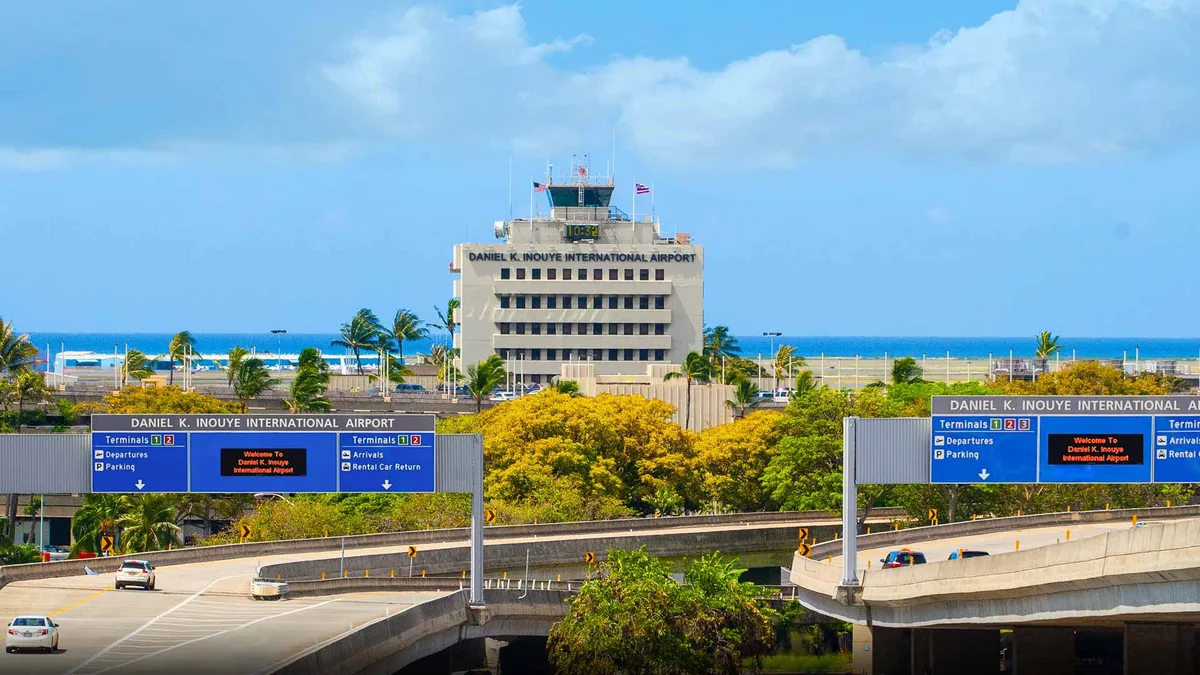
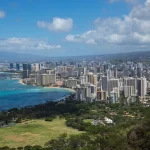
Image source: Bing (Web (fair-use with source credit))
Follow this sequential workflow after stepping off the jet bridge:
- Deplane and follow overhead directional signs. Walk along the second-level concourse toward the central terminal exits.
- Use the transit options if needed. If your flight arrives at distant gates in the E or G concourses, you can board the Wiki Wiki shuttle bus on the third level to reach the main terminal.
- Head down to ground level. Take the central escalators or elevators down to the baggage claim area.
- Locate your flight carousel. Check the electronic display boards near the escalators to confirm your luggage carousel number.
- Collect oversized items. Surfboards, golf clubs, and child car seats arrive at dedicated oversized luggage doors located next to the standard carousels.
Interisland arrivals move rapidly through this process. If you land on a quick flight from Maui or Kauai, you can often reach the curb within fifteen minutes of landing. Mainland arrivals take longer due to heavy passenger volumes and higher luggage counts.
Ground Transportation Decision Matrix: Reaching Waikiki, Ko Olina, or the North Shore
Your ground transit plan depends on your final resort destination and travel budget.
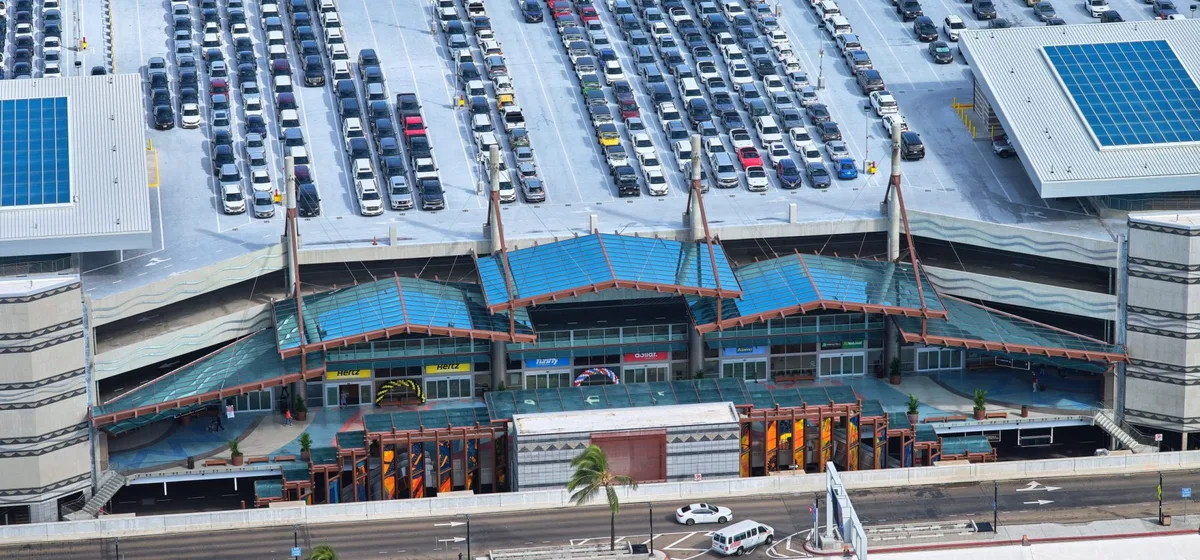
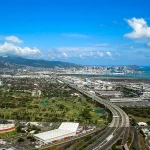
Image source: Web (Bing) / weitz.com (Web image (fair-use with source credit))
If You Are Staying in Waikiki
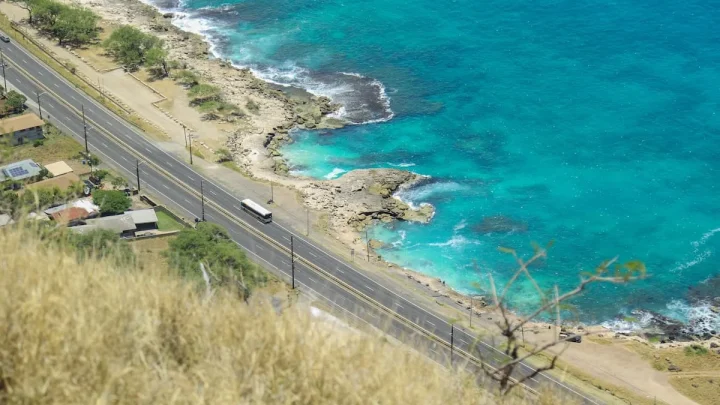
Waikiki sits about nine miles east of the airport. If you plan to remain at your resort most of the week, skip the rental car to avoid hotel parking fees that often exceed fifty dollars per night.
- Rideshare (Uber / Lyft): Head to the second-level departures roadway. Pickup zones sit across from Terminal 1 (near lobby 2) and Terminal 2 (near lobbies 5 and 8). Rides cost roughly thirty to forty-five dollars.
- Shared Shuttles: Pre-booked shuttle services like Roberts Hawaii provide direct shared transport to hotel lobbies.
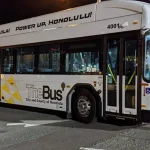
- Public Transit: TheBus Route 20 runs directly from the airport upper level into Waikiki for three dollars per rider. Note that luggage must fit on your lap or beneath your seat.
If You Are Staying in Ko Olina or the North Shore
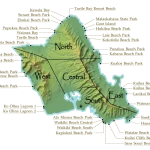
Ko Olina sits twenty miles west, while the North Shore sits twenty-seven miles north. A rental car is strongly recommended for these destinations.
- Rental Cars: Walk across the roadway from Terminal 2 to the multi-story Consolidated Rent-A-Car (CONRAC) facility. All major rental brands operate inside this central structure.
- Private Transfers: Pre-arranged private vans offer direct service if you want to avoid driving after a long flight.
Pitfalls to Avoid: Traffic Bottlenecks, Terminal 3 Traps, and Oversized Bags
Navigating Oahu transportation involves a few unique local quirks. Watch out for these common friction points:
- The H-1 Freeway Rush Hour: Eastbound traffic toward Honolulu backs up severely between 6:00 AM and 8:30 AM. Westbound traffic toward Kapolei and Ko Olina crawls between 3:30 PM and 6:30 PM. Plan your airport transfer times accordingly.
- The Terminal 3 Isolation: Terminal 3 does not connect to Terminals 1 and 2 behind security. If you transfer between Mokulele and a mainland carrier, you must collect your bags, exit to the street, and take an airport shuttle between buildings.
- Oversized Baggage Delays: Luggage handlers process surfboards, strollers, and golf bags manually. Expect these items to take twenty to thirty minutes longer than standard rolling suitcases.
- Rideshare Pickup Mix-ups: Rideshare drivers cannot pick up passengers on the lower baggage claim level. You must ride the escalator up to Level 2 and cross the median to the marked pickup zones.
Departure Protocol: Rental Returns, USDA Agricultural Screenings, and TSA Checkpoints
Departing from HNL involves an extra security layer that catches many mainland travelers off guard. Give yourself at least two and a half hours for domestic mainland flights, and three hours for international departures.
Follow this sequence to ensure a smooth departure day:
- Return your rental vehicle. Follow airport road signs directly into the CONRAC garage structure. Take the elevator down to the ground level and cross the roadway to the main terminal lobbies.
- Clear the USDA agricultural inspection. You must run all checked baggage through a pre-flight X-ray scanner before stepping in line at the airline check-in counter. Inspectors screen for untreated plants, fresh fruits, soil, and specific pests to protect mainland agriculture.
- Check your bags and collect boarding passes. Present your tagged bags at your airline ticket counter on Level 2.
- Pass through TSA screening. Screeners check your carry-on items. You will clear a second agricultural checkpoint right before entering the gate concourse to verify carry-on bags.
For detailed guidelines on restricted produce and plant export rules, consult the official USDA Animal and Plant Health Inspection Service guidelines before packing.
Interisland departures skip the intensive agricultural screening required for mainland routes. If you are flying only between Oahu, Maui, Kauai, or the Big Island, proceed directly to regular ticket counters and TSA security lanes.
Frequently Asked Questions About Flying Into Oahu
What is the three-letter airport code for Oahu?
The official three-letter airport code for Oahu is HNL. It stands for Honolulu, representing Daniel K. Inouye International Airport.
You will use this code when searching for commercial flights, checking baggage, or booking rental cars across all major travel sites.
Does Oahu have more than one commercial airport?
No, Oahu has only one commercial airport. Daniel K. Inouye International Airport (HNL) handles every scheduled commercial airline flight on the island.
Other airfields, like Kalaeloa and Dillingham, cater strictly to military, private charter, or recreational skydiving operations.
How far is the Honolulu airport from Waikiki Beach?
The airport is approximately 8.5 miles west of Waikiki Beach. Driving time takes roughly 20 minutes without traffic. During peak morning and afternoon rush hours along the H-1 Freeway, that same drive can easily take 45 to 60 minutes.
Do I need a passport to fly to Oahu from the US mainland?
No, US citizens do not need a passport to fly between the mainland and Hawaii. Hawaii is the 50th US state, so standard domestic travel rules apply. You only need a valid REAL ID driver's license or state-issued identification card.
How early should I arrive at HNL for my flight home?
Arrive at least two and a half hours before domestic flights to the US mainland. You must complete a mandatory agricultural bag inspection before checking luggage with your airline. Arrive three hours early for international flights, and 90 minutes early for interisland hops.

Similar Posts