What to Eat in Oahu: Best Local Foods You Must Try
Deciding what to eat in Oahu can feel overwhelming when you see the sheer variety of roadside stands, food trucks, and neighborhood counters across the island. Honolulu alone offers hundreds of spots serving distinct culinary traditions honed over generations. You need a practical plan to track down the most iconic meals without spending your entire vacation stuck in resort traffic.
In our research across local menus and historical records, the island's dining scene splits cleanly between ancestral Native Hawaiian staples and plantation-era local comfort foods. Knowing the difference between these styles helps you plan better food stops along your daily driving routes. Here is your complete guide to island specialties, neighborhood counters, and ordering essentials as of 2026.
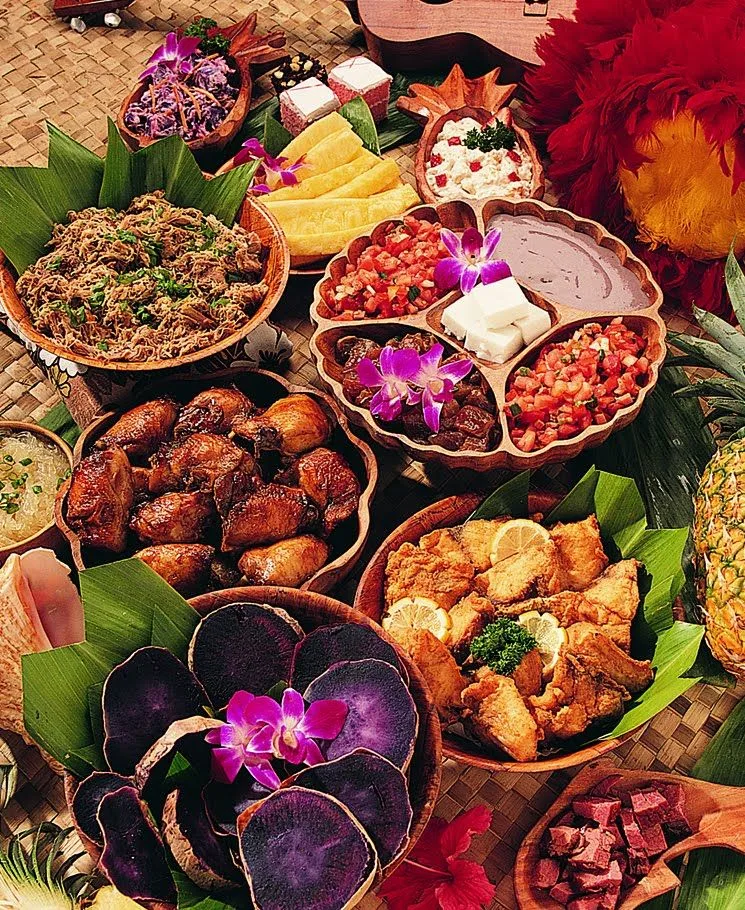
Image source: Web (Bing) / flsoo.moonlakefarm.com (Web image (fair-use with source credit))
Quick Answer
Deciding what to eat in Oahu comes down to regional specialties. Eat fresh ahi poke and hot malasadas around Honolulu and Kapahulu. Pick up traditional poi and kalua pork along the Windward Coast.
Head to the North Shore for butter garlic shrimp and shave ice. Grab a two-scoop plate lunch for an affordable midday fuel stop.
The Oahu Food Landscape: Traditional Hawaiian vs. Local Comfort Classics
Understanding Oahu food starts with separating traditional Native Hawaiian cuisine from modern local food. They are two distinct food cultures that share space on the island.
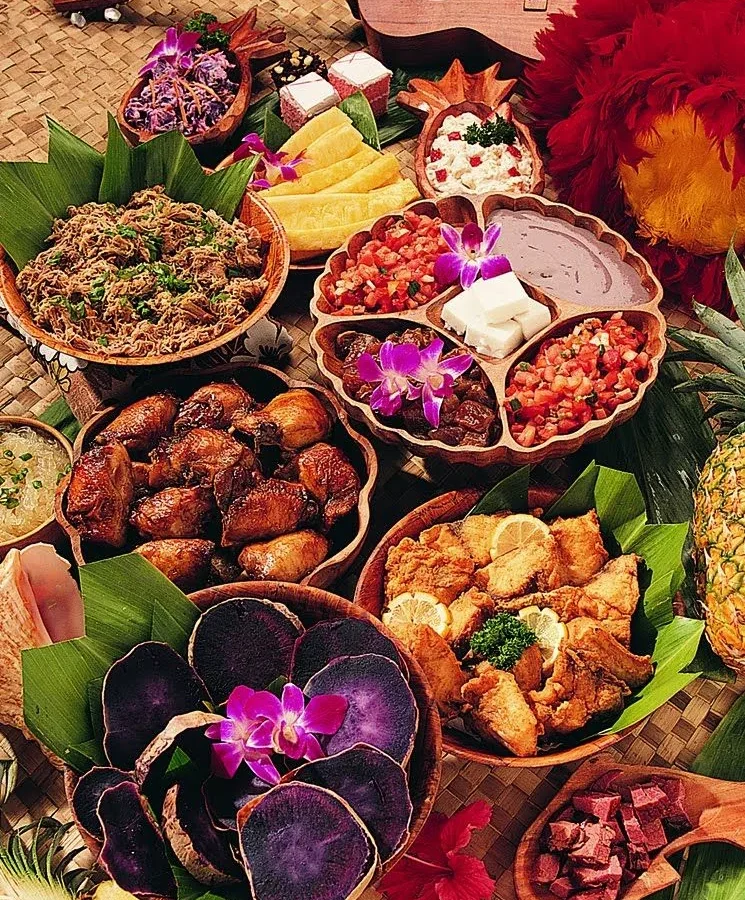
Traditional Hawaiian food centers on ancestral crops and cooking techniques developed centuries ago. Key staples include kalua pig cooked slowly in an underground oven (imu), lau lau (pork and salted butterfish wrapped in luau and ti leaves), and lomi salmon. The core foundation of the meal is poi, a nutrient-dense paste made from steamed and mashed taro root (kalo).
Research by the University of Hawaiʻi highlights kalo as a central pillar of Hawaiian agriculture and cultural heritage.
Local food, on the other hand, grew out of Hawaii's multi-ethnic plantation era in the late 19th and early 20th centuries. Immigrant laborers from Japan, China, Portugal, the Philippines, and Korea shared meals in the fields. This fusion gave birth to dishes like the loco moco (white rice topped with a hamburger patty, fried egg, and brown gravy), spam musubi, chicken katsu, and saimin.
| Cuisine Category | Core Flavor Profile | Key Dishes | Where to Look |
|---|---|---|---|
| Traditional Hawaiian | Earthy, savory, salty, steamed | Kalua pig, lau lau, poi, lomi salmon, pipikaula, haupia | Hawaiian food counters, luau venues, poi factories |
| Local Plate Lunch | Rich, sweet-savory, fried, saucy | Loco moco, mochiko chicken, chicken katsu, spam musubi | Drive-ins, neighborhood diners, beachside food trucks |
| Fresh Seafood (Poke) | Briny, sesame, clean, spicy | Shoyu ahi, limu poke, spicy tuna, tako poke | Dedicated poke shops, neighborhood fish markets |
Oahu Food Itinerary Matrix: Choosing What to Eat by Region and Time of Day
Driving across Oahu without a food strategy usually means settling for generic resort options or waiting in long mid-day lines. Use this workflow matrix to match your meals to where your road trip takes you throughout the day.
If you start your morning in Honolulu, prioritize hot Portuguese malasadas or warm spam musubi from a local counter. These grab-and-go items travel easily and keep you energized for early morning hikes.
If your afternoon route takes you up the Windward Coast toward Kaneohe, make a dedicated stop for traditional poi, squid luau, and kalua pork. If you continue driving to the North Shore near Kahuku and Haleiwa, shift your appetite toward butter-soaked garlic shrimp plates and fine shave ice.
- Early Morning (7:00 AM to 9:00 AM): Grab hot malasadas in Kapahulu or fresh baked manapua in Chinatown before the lines peak.
- Midday Lunch (11:00 AM to 1:00 PM): Target an authentic plate lunch drive-in or pick up fresh poke by the pound near Kalihi.
- Afternoon Snack (2:00 PM to 4:00 PM): Cool down on the North Shore with micro-shaved shave ice topped with azuki beans and condensed milk.
- Evening Dinner (5:30 PM to 8:00 PM): Sit down for saimin noodle soup, garlic chicken, or a full Hawaiian combination spread.
Honolulu and South Shore Route: Pristine Poke, Saimin, and Cult-Favorite Bakeries
Honolulu and the surrounding South Shore neighborhoods serve as the island's primary culinary engine. Kalihi, Kapahulu, and Kaimuki house many of the state's most decorated generational food institutions.
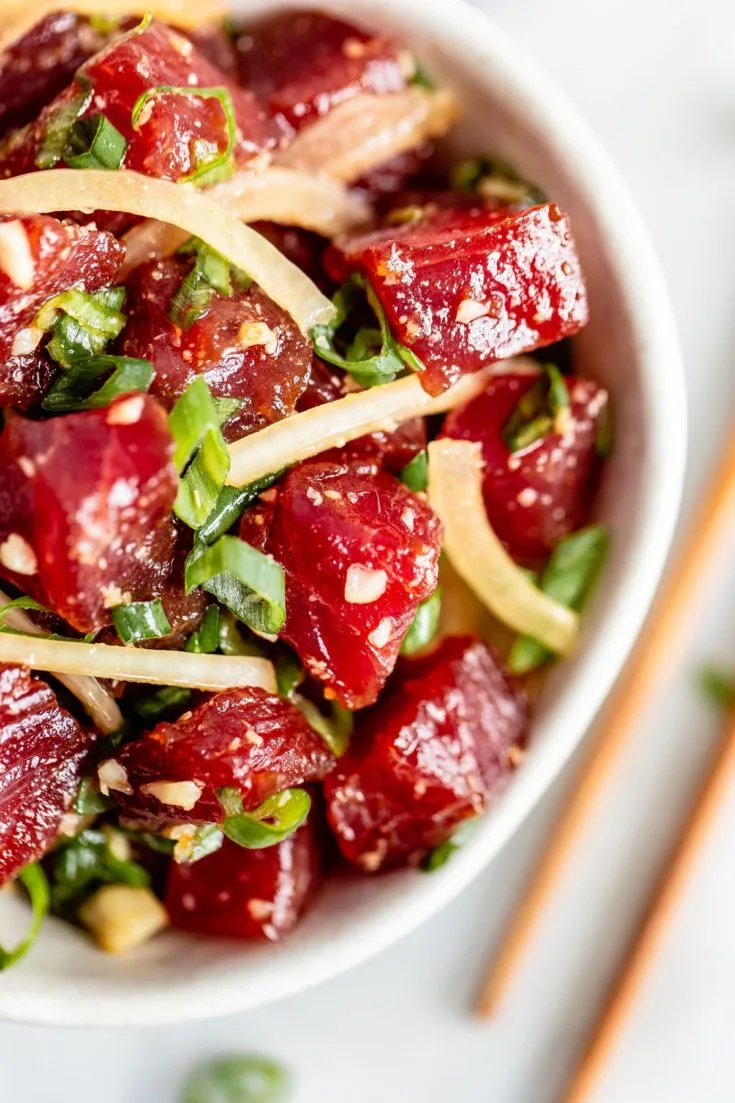
Image source: Web (Bing) / tutorials.hudgecreative.com (Web image (fair-use with source credit))
Poke is non-negotiable when exploring the South Shore. Authentic Hawaiian poke is markedly different from mainland bowls. You will not find heaps of kale, edamame, or quinoa here.
Instead, local counters feature freshly cut cubes of yellowfin tuna (ahi) tossed gently with shoyu, sesame oil, scallions, sea salt, and ogo seaweed. Pick up poke by the pound at neighborhood fish markets and eat it fresh over warm white rice.
For hot comfort food, seek out saimin. Saimin is Hawaii's original noodle soup, featuring soft wheat egg noodles in a light dashi broth topped with char siu pork, sliced green onions, and steamed fish cake (kamaboko).
No South Shore trip is complete without visiting historic local bakeries. Portuguese malasadas, which are hot yeast donuts fried crisp and rolled in sugar, are best eaten straight out of the box. You should also look for Coco Puffs, which are buttery pastry puffs filled with chocolate pudding and topped with thick chantilly frosting.
Windward to North Shore Coastal Run: Fresh Poi, Garlic Shrimp, and Velvety Shave Ice
Heading north along Kamehameha Highway reveals a different style of eating focused on coastal road stops, farm stands, and food truck parks.
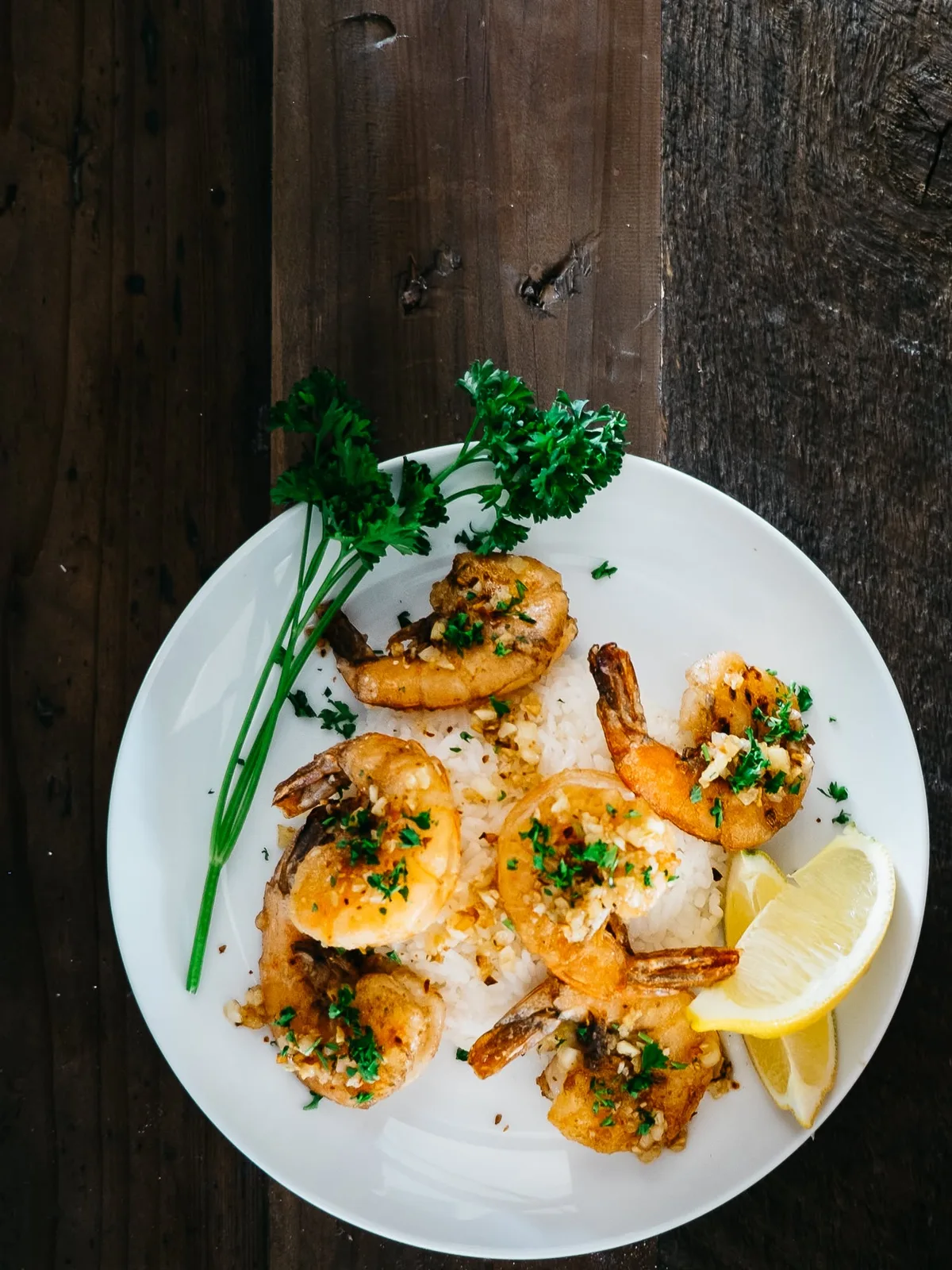
Image source: Web (Bing) / in.pinterest.com (Web image (fair-use with source credit))
Along the lush Windward side, stop near Kaneohe or Kaaawa for freshly pounded poi paired with kalua pig or squid luau. Squid luau combines tender squid or octopus with taro leaves simmered slowly in rich coconut milk. The creamy, savory sweetness pairs perfectly with the starchy tang of fresh poi.
As you round the northern tip of the island near Kahuku, roadside shrimp trucks dominate the landscape. The classic Kahuku-style shrimp plate features shell-on shrimp sautéed in generous amounts of minced garlic, butter, and lemon juice, served alongside two scoops of white rice to soak up the sauce.
Finish your coastal drive in historic Haleiwa town with traditional shave ice. High-grade Hawaiian shave ice uses razor-sharp blades to shave ice into a fine, snow-like texture that absorbs fruit syrups entirely.
- Waiahole Area: Best for traditional Hawaiian combo plates, fresh poi, and sweet haupia pudding.
- Kahuku Truck Clusters: Best for garlic butter shrimp plates, fried shrimp, and fresh coconut water.
- Haleiwa Town: Best for shave ice topped with sweetened condensed milk (snow cap) and li hing mui plum powder.
How to Order Like a Local: Plate Lunch Anatomy, Okazuya Delis, and Etiquette
The standard plate lunch is the undisputed centerpiece of day-to-day eating across Oahu. Understanding how to order one ensures you get the exact portions and sides you want.
A standard plate lunch consists of three components: your chosen meat entrée, two rounded scoops of medium-grain white Calrose rice, and one scoop of chilled macaroni salad. If you have a lighter appetite, order a "mini plate," which drops the serving to one scoop of rice and one smaller portion of protein. When you cannot decide on a single meat, ask for a "mixed plate" to combine two different entrées like teriyaki beef and chicken katsu.
Okazuya counters offer another classic ordering style. These Japanese-Hawaiian delis feature glass display cases filled with individual prepared items. You point to what you want, and the staff packs your box piece by piece with items like cone sushi, chow fun noodles, fried fish cakes, and tempura vegetables.
According to retail data tracked by the Hawaii State Department of Agriculture, local farm sourcing across grocery delis and counters remains strong. Keep these simple ordering guidelines in mind at casual counters:
- Always carry cash, because many historic hole-in-the-wall shops and roadside trucks do not accept credit cards.
- Add a dash of house-made chili pepper water to your plate lunch to cut through the rich gravy and fried proteins.
- Eat poke the day you buy it rather than storing it in a hotel fridge overnight, as chilled refrigeration dulls the delicate texture of fresh ahi.
Tourist Traps and Timing Mistakes: What to Avoid When Dining on Oahu
Planning your meals around Oahu requires knowing when to visit and what to skip. Falling into common tourist routines costs you valuable vacation time and results in mediocre meals.
The biggest mistake is eating exclusively inside the Waikiki resort zone. While Waikiki offers high-end dining, casual resort spots charge double the price for watered-down versions of local classics. Driving just ten minutes out of the tourist center into Kapahulu, Moiliili, or Kalihi connects you with generational family kitchens that offer vastly better quality at half the price.
Watch out for peak line hours at famous roadside stands and bakeries. Popular spots on the North Shore and in Kapahulu routinely draw 45-minute lines between 11:30 AM and 1:30 PM. Arrive before 11:00 AM or after 2:00 PM to order quickly without standing under the direct midday sun.
- Check Daily Operating Hours: Many legendary neighborhood counters open early in the morning and close by 2:00 PM once daily prep runs out.
- Avoid Previously Frozen Poke: Look for labels that say "fresh local ahi" rather than "previously frozen" (tashiro) to get the best melt-in-your-mouth texture.
- Do Not Skip the Mac Salad: Authentic plate lunch counters take intense pride in their house-made macaroni salad, so try it before requesting extra rice substitutions.
Frequently Asked Questions About Oahu Food
What is the most famous food to eat in Oahu?
Fresh ahi poke, traditional kalua pig, and local plate lunches are the most famous foods across Oahu. Visitors should also try sweet treats like hot malasadas and finely shaved shave ice topped with sweetened condensed milk and tropical fruit purees.
How much does an average meal cost on Oahu?
Casual meals on Oahu are very affordable if you stick to neighborhood counters. A standard plate lunch runs between 12 and 18 dollars, fresh poke costs 22 to 32 dollars per pound, and sweet snacks like malasadas or shave ice cost between 2 and 8 dollars.
Where do locals eat on Oahu?
Locals primarily eat in residential and light-industrial neighborhoods like Kalihi, Kapahulu, Kaimuki, and Pearl City. These areas are packed with unassuming strip-mall okazuya counters, drive-in diners, and independent poke markets rather than commercial chain restaurants.
What makes Hawaiian poke different from mainland poke?
Hawaiian poke features fresh, thick-cut cubes of raw yellowfin tuna lightly seasoned with soy sauce, sesame oil, Hawaiian sea salt, and seaweed. It is served simply over warm rice without heavy toppings like kale, edamame, corn, or excessive squirt bottles of spicy mayo.
Do I need reservations for casual Oahu eateries?
No, the vast majority of iconic Oahu eateries operate as casual walk-up counters, drive-ins, and roadside food trucks where reservations are not accepted. Only high-end resort restaurants and upscale Hawaii Regional Cuisine dining rooms require advance booking.
🌺 Field-Tested Gear: Oahu Food Tours & Beach Picnics
From sampling fresh poke from local fish markets to grabbing plate lunches at North Shore food trucks, keeping perishables cool and dining on the beach requires durable, eco-friendly gear:
- Insulated Soft Cooler Travel Backpack (Leakproof):Check Insulated Travel Cooler Backpacks on Amazon →
- Collapsible Reusable Travel Utensils & Bamboo Straw Set:Check Reusable Travel Utensil Sets on Amazon →
*FTC Disclosure: As an Amazon Associate, Hawaii Travel Bureau earns from qualifying purchases. Learn more about our field-tested travel research methodology.*

Similar Posts