Is Waikiki on Oahu? Where It Is & What to Know
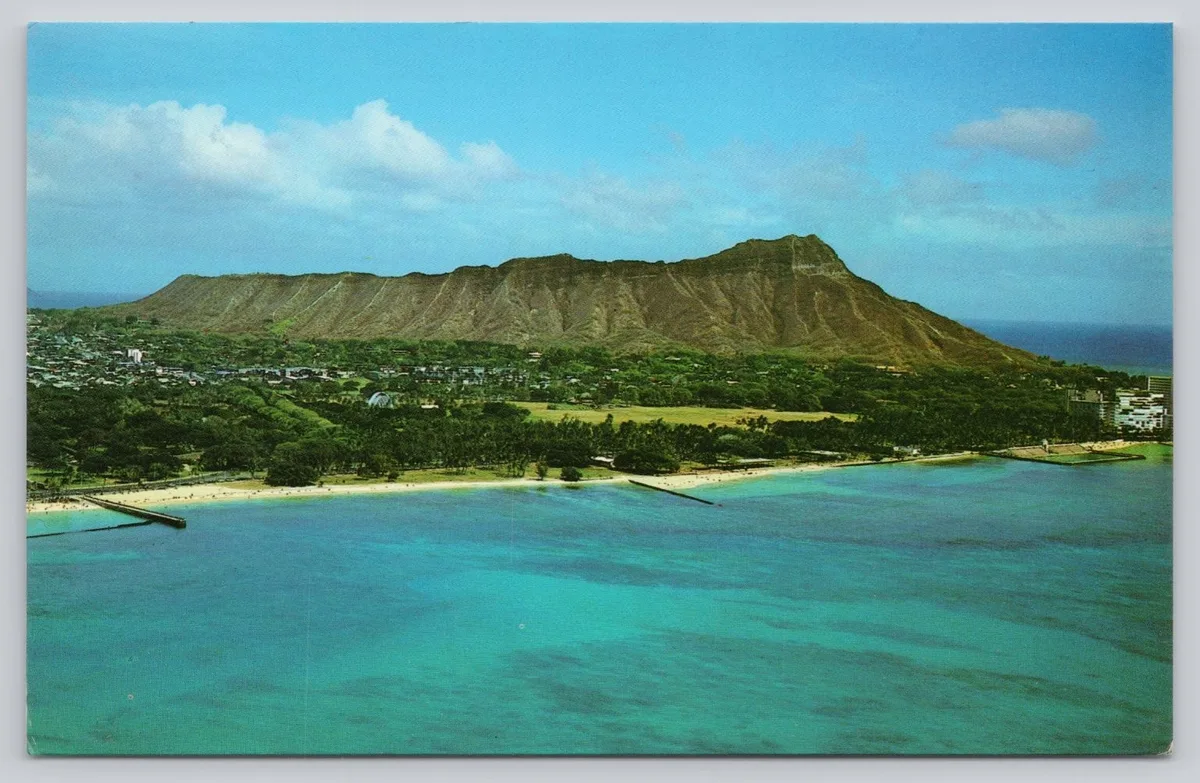
Planning a trip to Hawaii often starts with a simple geography question: is Waikiki on Oahu? If you feel confused by the overlap between island names, city names, and resort areas, you are not alone. Many first-time visitors struggle to visualize where Waikiki sits within the Hawaiian island chain.
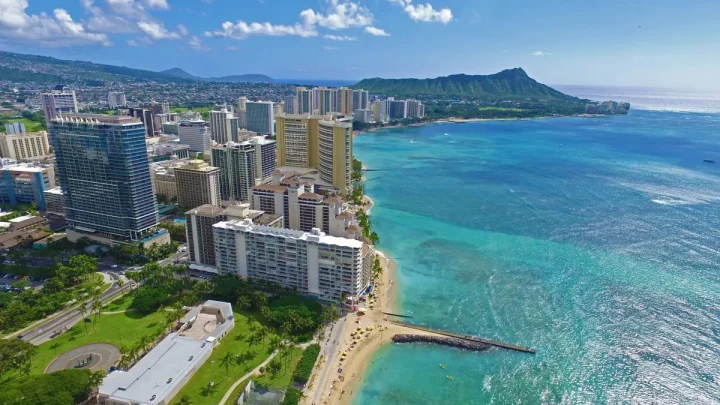
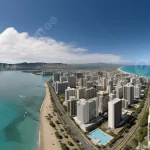
Yes, Waikiki is a world-famous beachfront neighborhood located directly on the south shore of Oahu. The neighborhood covers roughly 1.5 square miles and sits about nine miles southeast of Daniel K. Inouye International Airport.
Understanding this layout will help you plan your flights, lodging, and daily travel across the island.
Image source: Web (Bing) / ebay.com (Web image (fair-use with source credit))
Quick Answer: Yes, Waikiki Is on the Island of Oahu
Waikiki is located on the south shore of Oahu.
It is an urban neighborhood inside the city of Honolulu.
Oahu is the third-largest island in the state of Hawaii.
Waikiki is not an independent island or a standalone city.
It sits nine miles east of Honolulu International Airport.
Untangling Hawaii Geography: The Island, the City, and the Neighborhood
To understand where Waikiki fits, you have to look at how Hawaii organizes its land. The Hawaiian archipelago consists of eight major islands. Oahu is the third-largest island by land area, but it is home to roughly two-thirds of the state population.
When people talk about visiting Hawaii, they often mix up island names with municipal names. Understanding the administrative hierarchy makes navigating your travel plans straightforward.
The Hierarchy: State, Island, City, and District
Hawaii uses a nested geographic structure. Here is how Waikiki fits from top to bottom:
- State: Hawaii (the entire island chain)
- Island: Oahu (the physical landmass known as "The Gathering Place")
- County / City: City and County of Honolulu (an administrative entity covering the entire island of Oahu)
- Urban Core: Honolulu (the metro area spanning the south shore)
- Neighborhood: Waikiki (the specific 1.5-square-mile coastal resort district)
Every part of Waikiki is inside Honolulu, and all of Honolulu is on the island of Oahu.
Waikiki vs. Honolulu: Understanding the Difference
Many travelers use "Honolulu" and "Waikiki" interchangeably, but they are not the same thing. Honolulu is a large, working metropolis. It contains government buildings, shipping ports, historic landmarks, and residential suburbs.
Waikiki is simply one compact neighborhood within Honolulu. Downtown Honolulu features the state capitol building and historic Iolani Palace. Waikiki, by contrast, contains the high-density strip of beachfront hotels, restaurants, and retail shops along Kalakaua Avenue.
Visual Orientation: Where Waikiki Sits on Oahu's South Shore
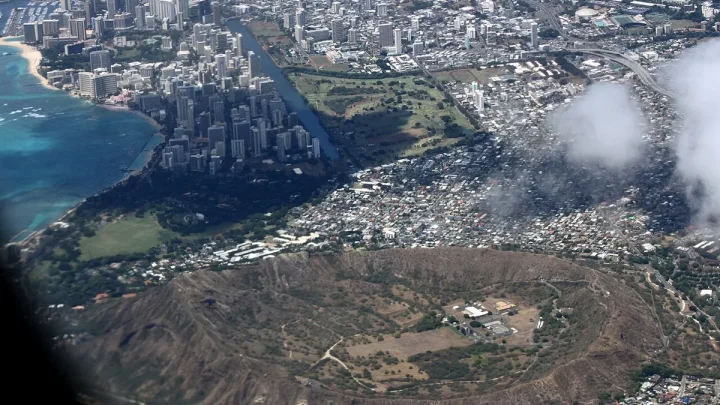
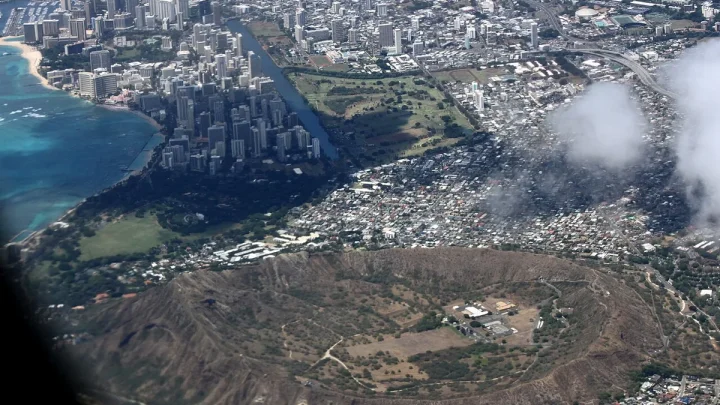
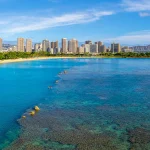
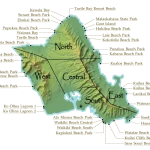
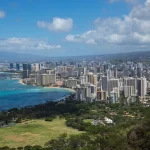
If you look at an island map of Oahu, Waikiki sits along the leeward south coast. This position shields the area from heavy trade-wind rains, giving it warm, sunny weather throughout the year.
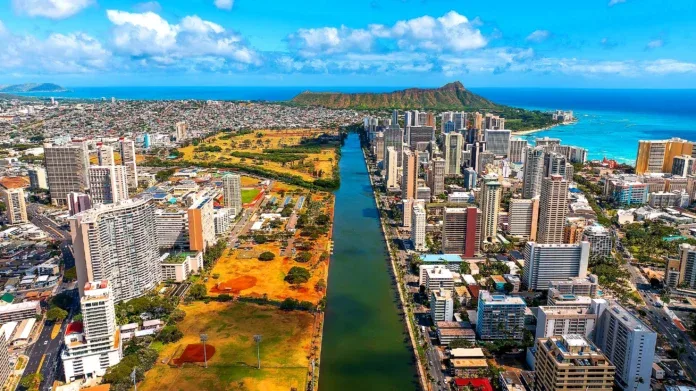
Image source: Bing (Web (fair-use with source credit))
The Exact Boundaries of Waikiki
Waikiki is clearly defined by distinct natural and man-made borders:
- North and West: The Ala Wai Canal forms an inland water barrier that separates Waikiki from the rest of urban Honolulu.
- South: The Pacific Ocean lines the entire lower edge of the district.
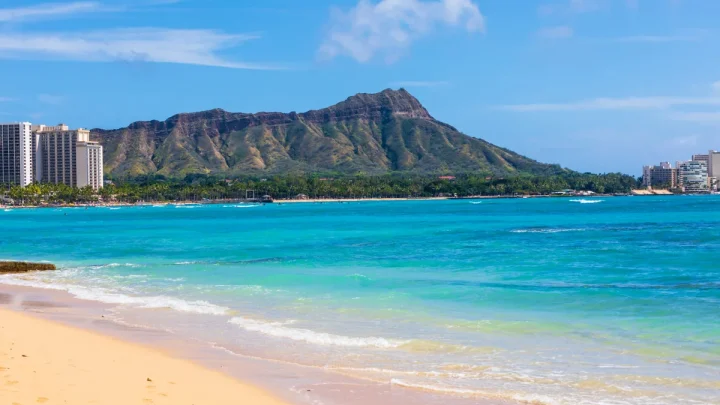
- East: Kapahulu Avenue and the base of Diamond Head (Leahi) mark the eastern end of the neighborhood.
Because the Ala Wai Canal wraps around its inland perimeter, Waikiki feels almost like an island within the island. You enter and exit through a few primary bridges along McCully Street, Kalakaua Avenue, and Kapahulu Avenue.
The Two-Mile Coastline: Breaking Down Waikiki's Distinct Beaches
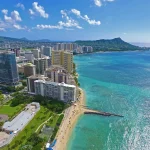
Waikiki Beach is not a single, continuous stretch of sand. It is a series of interconnected shoreline sections spanning roughly two miles:
- Duke Kahanamoku Beach: Sits on the far western end near the Hilton Hawaiian Village lagoon. It offers wide sand areas and calm, shallow water.
- Fort DeRussy Beach: Bordered by open green park spaces, making it less crowded than central hotel zones.
- Royal Hawaiian Beach: Located directly in front of historic luxury resorts. This area serves as the primary hub for catamaran sails and surf lessons.
- Kuhio Beach: Features concrete ocean walls that create calm, enclosed swimming enclosures.
- Queen's Surf Beach: Sits further east near Kapiolani Park, popular for snorkeling and bodyboarding.
- San Souci (Kaimana) Beach: Anchors the eastern end near Diamond Head. It provides a quieter, residential atmosphere.
Getting to Waikiki from the Airport and Navigating the Area
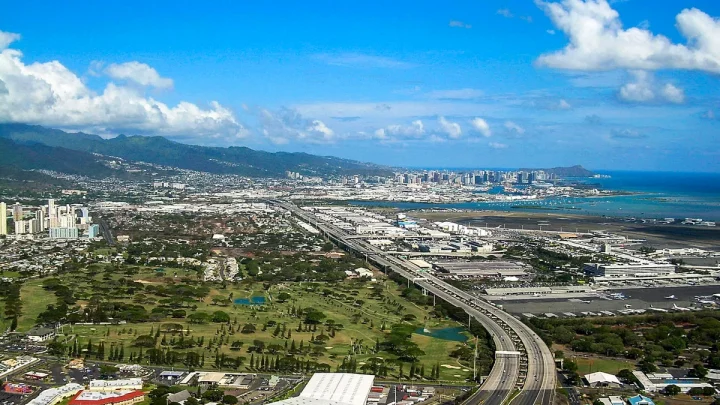
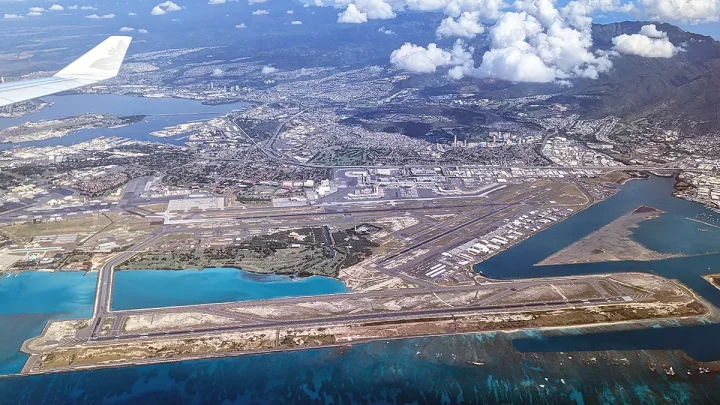
All commercial flights to Oahu arrive at Daniel K. Inouye International Airport (HNL). The airport sits west of downtown Honolulu, making Waikiki an easy trip after you land.
Distance, Drive Times, and Routes from HNL
The drive from HNL to central Waikiki is approximately nine miles. Under normal midday driving conditions, the trip takes 20 to 30 minutes.
During weekday afternoon rush hours (roughly 3:30 PM to 6:30 PM), travel times can extend past 45 minutes. Drivers follow Interstate H-1 East or the lower Nimitz Highway corridor before taking Exit 23 onto Punahou Street or McCully Street into the neighborhood.
Transit Options: Rental Cars vs. TheBus, Shuttles, and Walking
Because Waikiki is flat and dense, you do not need a rental car for your entire stay. In fact, parking at Waikiki hotels regularly costs between $45 and $70 per night as of 2026.
| Transit Method | Best For | Typical Cost | Travel Time from HNL |
|---|---|---|---|
| Rideshare (Uber / Lyft) | Direct hotel drop-off with luggage | $30 – $55 | 20 – 35 minutes |
| Shared Airport Shuttle | Solo travelers on a moderate budget | $20 – $25 per person | 35 – 55 minutes (multiple stops) |
| TheBus (Public Transit) | Light travelers and budget planners | $3.00 single ride ($7.50 day cap) | 50 – 65 minutes |
| Rental Car | Exploring the North Shore and Windward coast | $50 – $110/day + parking fees | 20 – 35 minutes |
According to route schedules managed by the City and County of Honolulu, public transit routes 19 and 20 run directly between airport terminals and Waikiki's Kuhio Avenue corridor. Within the neighborhood, walking or using municipal Biki bike-share stations is often faster than driving.
Waikiki vs. the Rest of Oahu: How the Neighborhood Compares
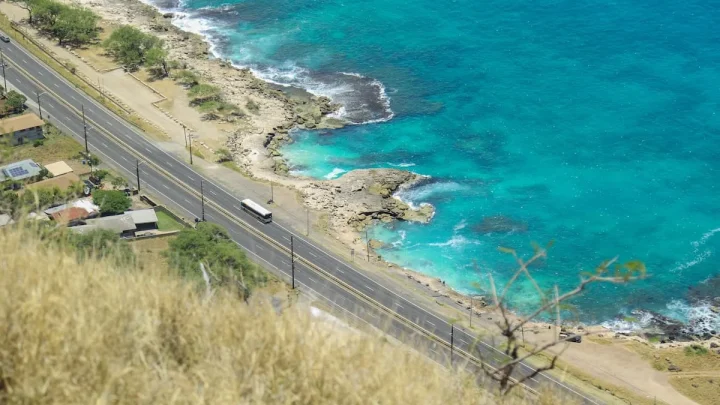
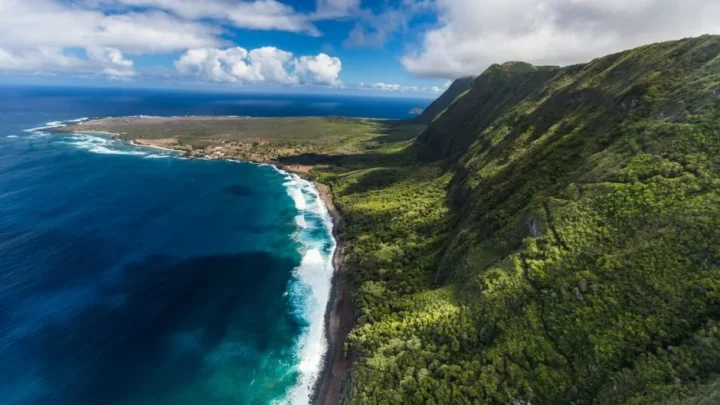
Oahu offers distinct regional microclimates and cultures. Waikiki represents the energetic resort core, but the rest of the island delivers very different environments.
Image source: Bing (Web (fair-use with source credit))
Waikiki vs. North Shore, Windward Coast, and Leeward Side
To plan your trip effectively, consider how Waikiki contrasts with Oahu's other main regions:
- The North Shore: Famous for historic Haleiwa town and legendary winter surf breaks like Pipeline and Sunset Beach. It has a rustic, two-lane road feel with zero high-rise hotels.
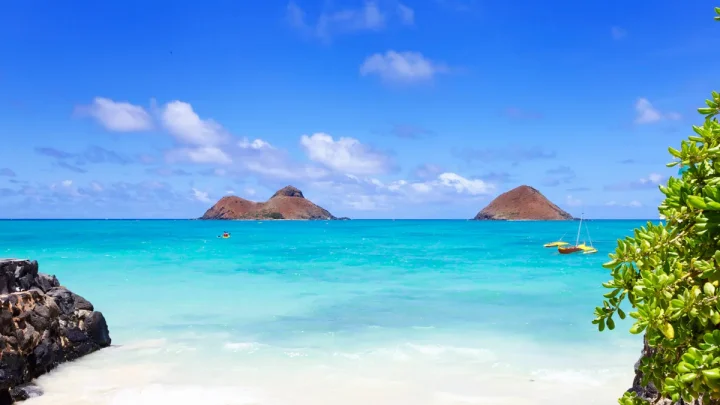
- The Windward (East) Coast: Home to Kailua and Lanikai beaches. It features lush, green landscapes fed by trade-wind moisture and quiet residential communities.
- The Leeward (West) Coast: Features the master-planned resort enclave of Ko Olina. It offers quiet man-made ocean lagoons, but sits further away from Honolulu's cultural sites.
Official visitor guidelines from the Hawaii Tourism Authority emphasize exploring outside the main resort corridor to experience Oahu's diverse natural settings and historic preservation sites.
Side-by-Side Regional Comparison
| Region | Vibe & Setting | Key Attractions | Drive Time from Waikiki |
|---|---|---|---|
| Waikiki (South) | Urban resort, bustling nightlife, walkable dining | Waikiki Beach, Diamond Head, Honolulu Zoo | 0 minutes |
| North Shore | Laid-back surf culture, food trucks, rural coast | Waimea Bay, Haleiwa Town, Banzai Pipeline | 45 – 60 minutes |
| Windward Coast | Lush mountain backdrops, residential, soft sand | Lanikai Beach, Kailua Beach Park, Ho'omaluhia | 30 – 40 minutes |
| Ko Olina (West) | Gated luxury resort, quiet swimming lagoons | Disney Aulani, Four Seasons, Ko Olina Lagoons | 40 – 55 minutes |
Should You Stay in Waikiki? Pros, Cons, and Traveler Profiles
Deciding whether to book your hotel in Waikiki comes down to the kind of vacation you want. Waikiki offers high energy and unbeatable convenience, but it is not the right fit for everyone.
The Advantages of Basing Your Trip in Waikiki
Staying in Waikiki gives you direct access to world-class amenities without needing a car. You can walk out of your hotel lobby directly onto the sand, rent a surfboard, and grab dinner within a three-block radius.
The area also serves as the main hub for island tours, catamarans, and surf schools. If you prefer active nightlife, live Hawaiian music, and diverse dining options ranging from casual food trucks to high-end seafood, Waikiki delivers that density.
Drawbacks to Keep in Mind
The biggest trade-off is the sheer volume of visitors. Waikiki Beach can feel crowded during peak morning and afternoon hours.
High-rise hotels dominate the skyline, giving the area an urban resort feel rather than a secluded tropical retreat. Additional expenses like daily resort fees ($35 to $60 per day) and overnight hotel parking can inflate your travel budget quickly.
Who Waikiki Is Best For
- First-Time Hawaii Visitors: Waikiki provides a soft landing with plenty of walkable infrastructure and tour pickups.
- Car-Free Travelers: You can rely entirely on walking, rideshares, and public transit without feeling stranded.
- Beginner Surfers: Gentle, rolling breaks at Canoe's and Queen's surf spots are ideal for first-timers.
- Travelers Wanting Solitude (Better Outside Waikiki): If you want empty shorelines and quiet jungle cabins, consider staying on Oahu's North Shore or exploring the neighbor islands of Kauai or Maui.
Frequently Asked Questions About Waikiki and Oahu
Is Waikiki its own island?
No, Waikiki is not an independent island. It is a coastal neighborhood inside the city of Honolulu, which sits on the south shore of Oahu.
Can you walk around Waikiki without a car?
Yes, Waikiki is one of the most walkable resort districts in the United States. You can easily access beaches, grocery markets, retail shopping, and dining entirely on foot within a flat 15-minute walk.
How far is Waikiki from Pearl Harbor?
Pearl Harbor National Memorial is located approximately 11 miles northwest of Waikiki. Driving takes about 25 to 40 minutes depending on morning highway traffic along Interstate H-1 West.
What is the difference between Oahu and Maui?
Oahu is the most populated Hawaiian island and features the bustling metro area of Honolulu alongside quiet rural shores. Maui is less populated and known for sprawling luxury resort zones, dramatic volcanic valleys, and the Road to Hana.
Do you have to pay to use Waikiki Beach?
No, all beaches in the State of Hawaii are free and open to the public by law up to the upper high-water mark. You can walk onto any section of Waikiki Beach without paying an entrance fee.
🌺 Related Waikiki & Honolulu Exploration Guides:

Similar Posts