What to Pack for Oahu: The Ultimate Hawaii Checklist
Figuring out what to pack for Oahu is trickier than tossing a few swimsuits into a duffel bag. Between salty trade winds, muddy mountain ridges, and strict local beach regulations, the wrong gear will leave you uncomfortable fast. You need items that handle shifting microclimates without weighing down your luggage.
The island features dramatic weather shifts, where annual rainfall ranges from 17 inches in leeward Honolulu to over 150 inches along the windward ridges. Packing breathable synthetics and specialized footwear ensures you stay prepared for coastal sun and sudden mountain downpours. Here is how to build your ideal island kit.
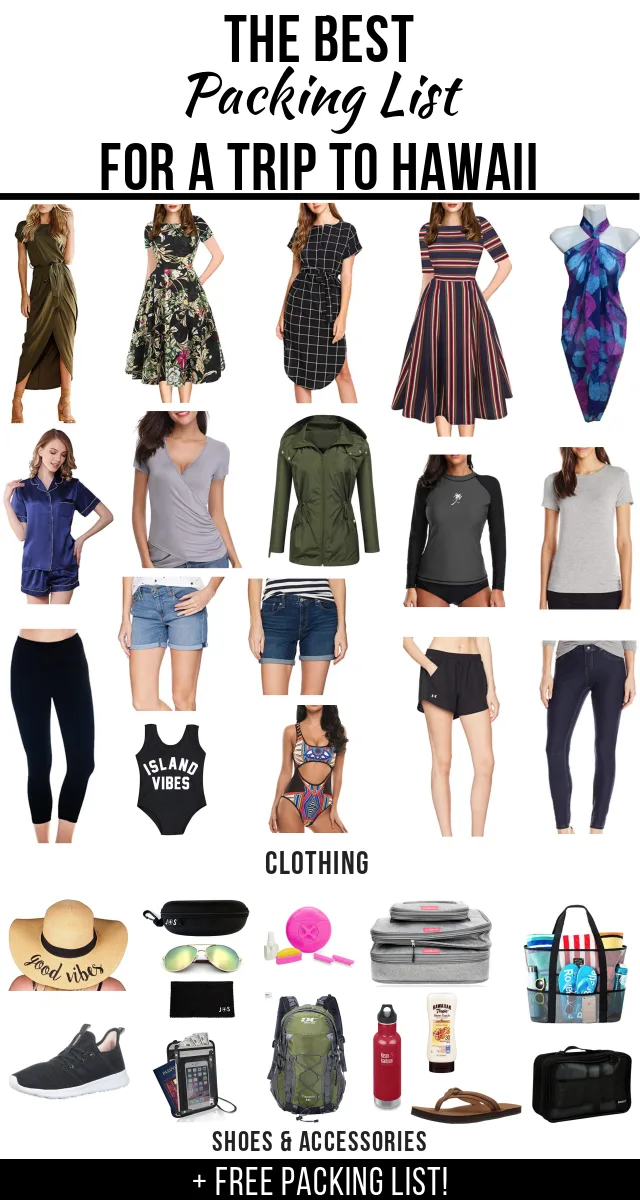
Image source: Web (Bing) / pinterest.com (Web image (fair-use with source credit))
Quick Answer
To pack for Oahu, focus on lightweight synthetic clothing and ocean-ready gear. Pack UPF 50+ rash guards, boardshorts, and breathable linen outfits. Bring dark-colored trail runners for muddy ridge hikes.
You will need non-nano zinc oxide sunscreen that complies with Hawaii laws. Add a 10L dry bag, polarized sunglasses, and a reusable water bottle.
The Oahu Reality Check: Microclimates, Elevation, and Daily Packing Needs
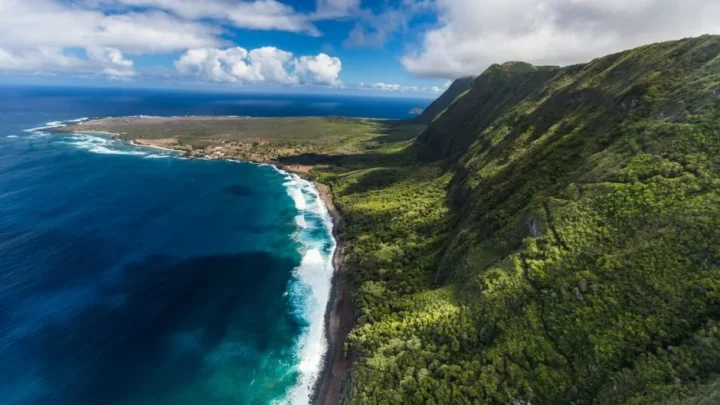
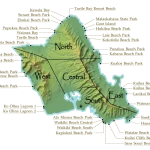
Oahu is not a single uniform weather zone. The island is split by two mountain ranges, the Koʻolau and the Waiʻanae, which create distinct microclimates across short driving distances.
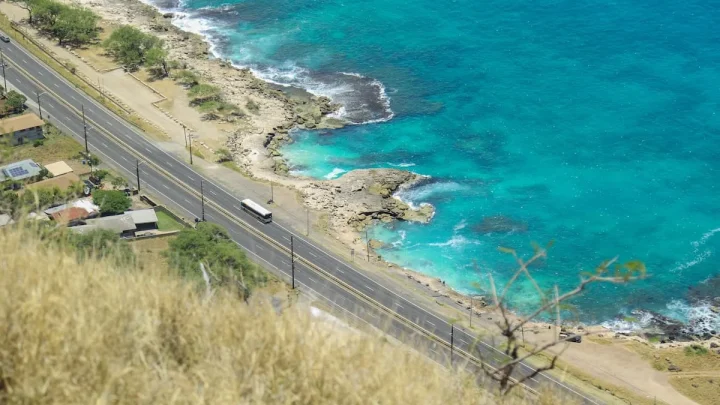
If you spend the day on the leeward coast near Ko Olina or Waianae, expect hot, dry conditions with constant sun. If you head over to the windward side near Kailua or Kaneohe, trade winds bring frequent passing showers. Mountain peaks like the Pali Lookout are often ten degrees cooler and intensely windy.
- Leeward Coast (West): Dry, sunny, high UV exposure. Pack extra mineral sunscreen and wide-brim hats.
- Windward Coast (East): Frequent brief showers, steady breezes. Bring a compact 2.5-layer rain shell.
- North Shore: High winter surf, relaxed town vibes. Pack sturdy beach sandals and casual swimwear.
- Central Ridges and Mountains: Cooler temperatures, wet trails, thick red clay. Dark technical hiking gear is essential.
Because of these shifts, versatile layering matters far more than heavy clothing. Pack thin, quick-drying layers that you can swap as you drive between coasts.
The Core Clothing Capsule: What Works in Island Heat and Humidity
Island humidity regularly sits above 70 percent. Standard heavy cotton t-shirts and denim hold moisture, stay damp for days, and cause severe chafing. As of 2026, modern performance fabrics and airy natural weaves are the gold standard for tropical travel.
| Clothing Item | Ideal Material | Recommended Quantity | Why It Works |
|---|---|---|---|
| Sun Shirts / Rash Guards | UPF 50+ Poly-Spandex | 2 | Blocks extreme UV rays in and out of the water. |
| Trail / Casual Shorts | 4-Way Stretch Ripstop Nylon | 3 | Dries rapidly after rain showers or beach stops. |
| Evening / Town Outfits | 100% Linen or Tencel | 2 to 3 | Breathable, relaxed, and fits local resort dress codes. |
| Base Layer Underwear | Moisture-wicking Synthetic or Merino | 5 to 6 | Prevents skin chafing during humid outdoor hikes. |
| Lightweight Rain Shell | Packable DWR-Coated Nylon | 1 | Repels sudden tropical showers without trapping heat. |
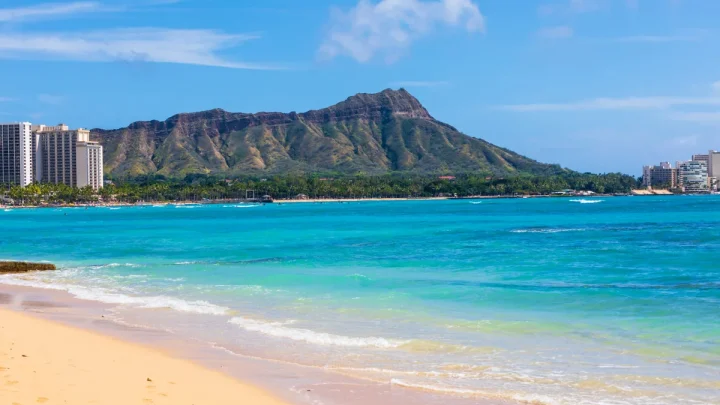
Keep your casual evening wear simple. Oahu dress codes are relaxed almost everywhere. An aloha shirt or clean linen top paired with tailored shorts or a sundress works for high-end restaurants in Waikiki.
Footwear Decision Tree: Navigating Red Dirt Trails, Wet Reefs, and City Pavement
Footwear is where most island travelers make critical mistakes. Oahu trails feature iron-rich volcanic clay that permanently stains white sneakers a deep orange-red. At the same time, rocky ocean entries demand solid underfoot protection.
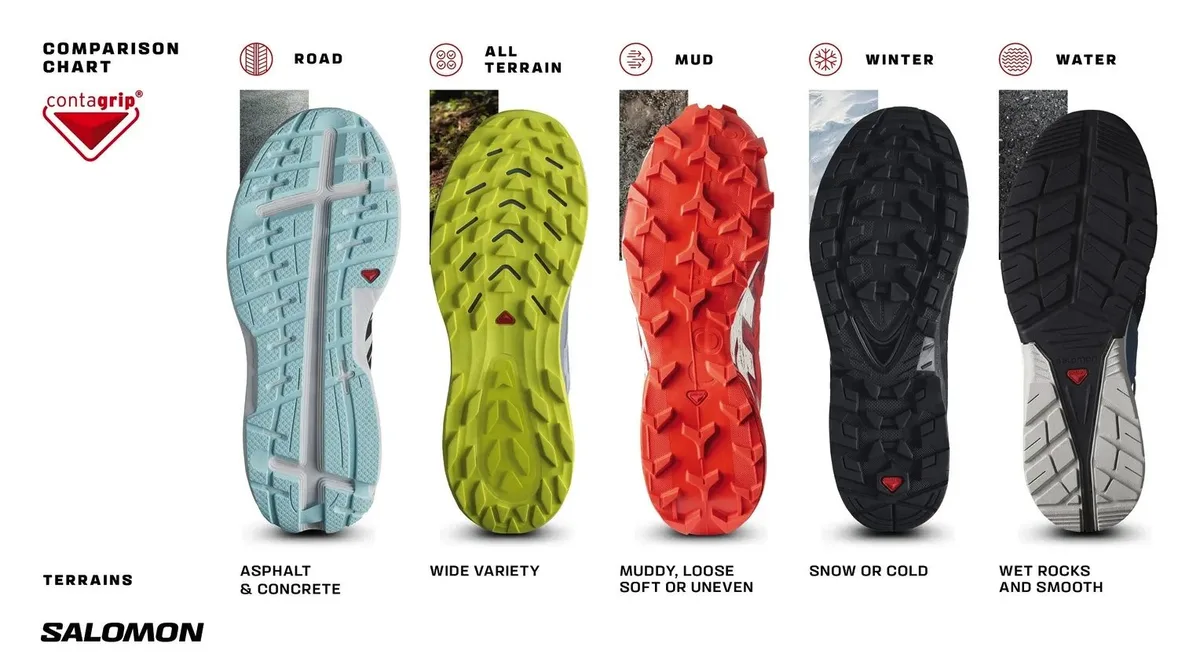
Image source: Bing (Web (fair-use with source credit))
- If you plan to hike trails like Lanikai Pillbox or Kuliʻouʻou: Wear dark trail runners with deep 4mm to 5mm rubber lugs. Heavy waterproof boots trap heat and sweat, while trail runners breathe and dry quickly.
- If you are exploring rocky tide pools or Sharks Cove: Use strap-in water sandals with grippy outsoles. Avoid flimsy slip-on water booties that let sharp coral sand collect under your arches.
- If you are walking around town or dining: Slip-on shoes or local rubber flip-flops, known locally as slippers, are ideal.
Remember the local custom across Hawaii: always slip off your footwear before entering someone's home or private vacation rental.
Activity Gear Workflow: Snorkeling, Ridge Hiking, and Beach Days
A smooth day on Oahu requires packing gear that transitions between land and water. Stashing damp towels or sandy gear into your primary luggage creates odor problems fast.
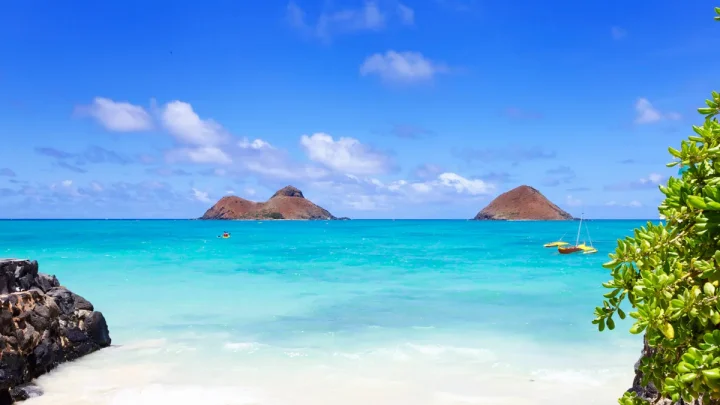
A 10L to 20L roll-top dry bag is your most important accessory. It protects cameras and rental car keys during kayak trips to the Mokulua Islands. It also doubles as a separate storage bag for wet swimsuits on the drive back to your hotel.
- Snorkel Equipment: A personal dry-top snorkel and silicone-skirt mask provide a better fit than worn-out rental gear.
- Insulated Water Bottle: A 24oz or 32oz vacuum-insulated flask keeps water ice-cold in hot rental cars.
- Microfiber Pack Towel: Takes up one-fourth the space of a hotel bath towel and dries in thirty minutes under the sun.
- Submersible Phone Pouch: Choose an IPX8 certified pouch to protect electronics from salt spray and fine sand.
Hawaii Legal and Safety Rules: Mineral Sunscreen Bans to Bag Restrictions
Hawaii enforces strict environmental and safety regulations that directly impact your packing list.
Under Hawaii Act 104, sunscreens containing oxybenzone and octinoxate are banned from sale across the state to protect fragile coral reefs. You must pack non-nano zinc oxide or titanium dioxide mineral formulas. Look for broad-spectrum labels that specify water resistance for up to 80 minutes.
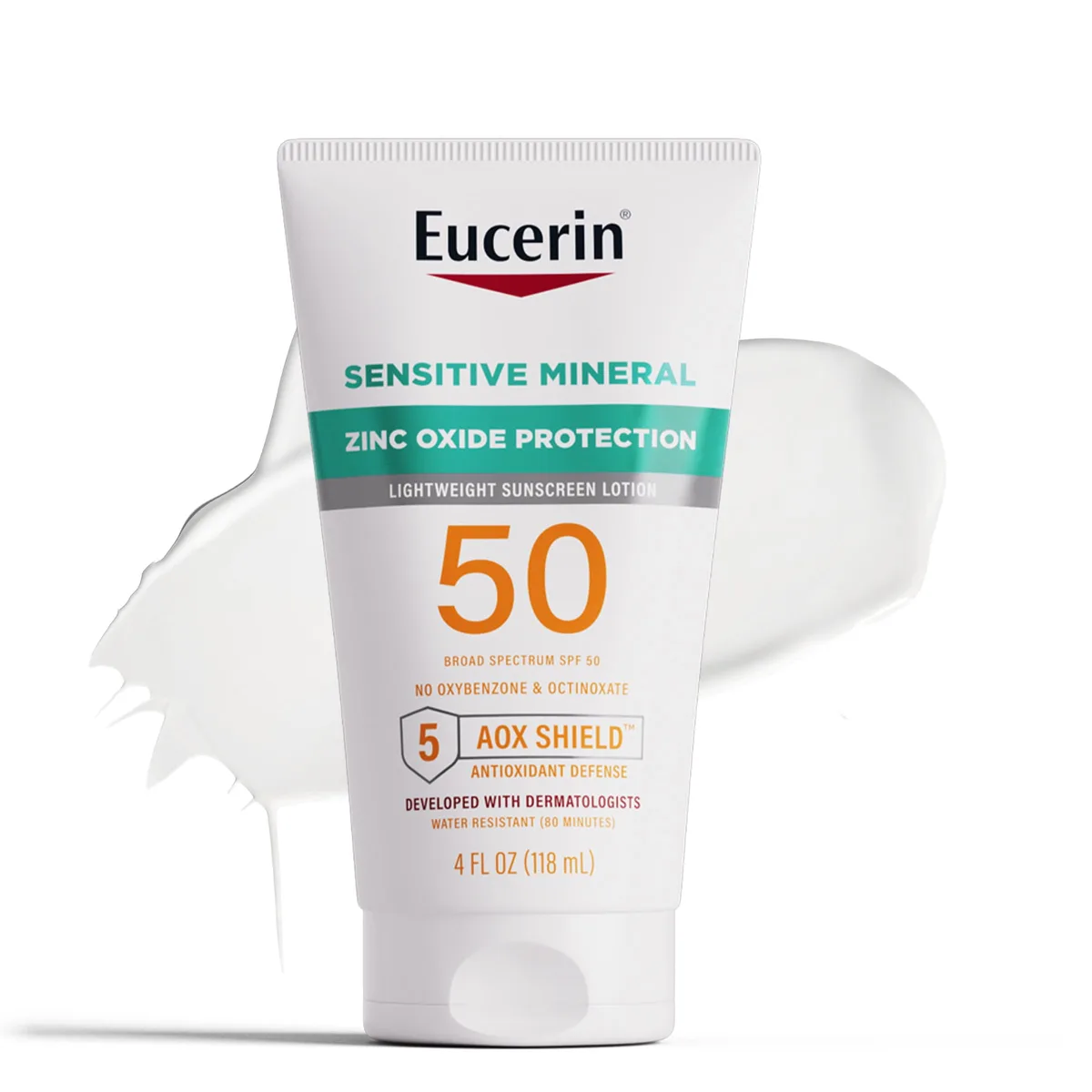
Image source: Web (Bing) / walmart.com (Web image (fair-use with source credit))
If you plan to visit the USS Arizona Memorial, check the strict security rules enforced by the National Park Service. Pearl Harbor prohibits all bags, purses, backpacks, and diaper bags measuring larger than 1.5 x 2.25 x 5.5 inches. Pack your clear water bottle, wallet, and camera gear so they can be carried entirely by hand.
Finally, keep rental car safety in mind. Never leave backpacks, dry bags, or shopping totes visible in your car at trailheads or beach parks. Always stow your gear out of sight in the trunk before you arrive at your destination.
Five Oahu Packing Mistakes to Avoid (And What to Do Instead)
Packing for the islands requires leaving several common mainland travel habits behind. Avoiding a few simple traps will save your clothes and keep your pack light.
- Mistake: Packing white sneakers for outdoor hikes. Red volcanic dirt bonds to fabric and will never wash out completely. What to do instead: Pack dark trail runners or dedicated trail shoes with black or brown outsoles.
- Mistake: Relying on heavy denim jeans and thick cotton tees. Tropical humidity prevents heavy cotton from drying overnight in hotel rooms. What to do instead: Bring lightweight linen shirts and synthetic blends that breathe and dry fast.
- Mistake: Bringing banned chemical sunscreens from home. Non-compliant bottles with oxybenzone or octinoxate damage coral ecosystems. What to do instead: Buy local mineral formulas made with non-nano zinc oxide upon arrival.
- Mistake: Overpacking formal dinner wear. Oahu dining culture is famously relaxed even at upscale Waikiki restaurants. What to do instead: Pack one or two smart aloha shirts or linen sundresses paired with clean sandals.
- Mistake: Forgetting a separate wet storage system. Throwing damp rash guards into your main luggage ruins clean clothes with mildew odor. What to do instead: Carry a dedicated 10L roll-top dry bag inside your daypack.
Frequently Asked Questions About Packing for Oahu
Do I need heavy hiking boots for Oahu?
No, you do not need heavy leather hiking boots. Trail runners with aggressive rubber lugs are much lighter, grip slick mud better, and dry far faster after stream crossings.
What should I wear to a luau or upscale dinner?
Upscale casual attire works for nearly every dinner venue on Oahu. Men can wear a button-up aloha shirt with tailored shorts or light trousers. Women can wear a breezy maxi dress or linen set with dress sandals.
Can I buy reef-safe sunscreen on the island?
Yes, grocery stores and surf shops across Oahu stock approved mineral sunscreens. Buying sunscreen after landing ensures your formula complies fully with local reef protection laws.
How many swimsuits should I pack for a week?
Pack two to three swimsuits for a week-long stay. High humidity slows down air drying, so rotating between suits ensures you never have to pull on cold, damp swimwear in the morning.
Are water shoes necessary for swimming on Oahu?
Water shoes are not necessary for sandy beaches like Kailua or Waikiki. You will need strap-in sandals or water shoes for rocky entries and tide pools at places like Sharks Cove.
The Complete Packing Decision Matrix by Activity and Season
Your final packing list shifts slightly depending on the time of year and your daily agenda. Winter months bring large ocean swells to the North Shore and cooler mountain breezes, while summer offers calmer waters and hotter leeward temperatures.
| Travel Focus | Core Clothing | Essential Gear | What to Skip |
|---|---|---|---|
| Winter Season (Nov to Apr) | Packable rain shell, light fleece, rash guards | Dry bag, polarized sunglasses, trail runners | Heavy winter coats, rain boots, umbrellas |
| Summer Season (May to Oct) | Breathable linen, extra swimsuits, UPF 50+ tees | Mineral sunscreen, insulated water flask, snorkel set | Heavy denim, synthetic fleece jackets |
| Ridge and Mountain Hiking | Dark ripstop shorts, moisture-wicking socks | Lugged trail runners, hydration pack, headlamp | White shoes, cotton gym socks, jeans |
| Snorkeling and Water Sports | Boardshorts, rash guards, seamless swimwear | IPX8 phone pouch, microfiber towel, dive mask | Flimsy flip-flops, standard hotel towels |
| Town and Waikiki Dining | Collared aloha shirts, linen sundresses | Clean slip-on shoes, compact shoulder bag | High-heeled shoes, formal suits, ties |
Focus on versatility for every piece you place in your suitcase. If an item cannot handle both humid daytime heat and sudden tropical trade wind showers, leave it at home.

Similar Posts