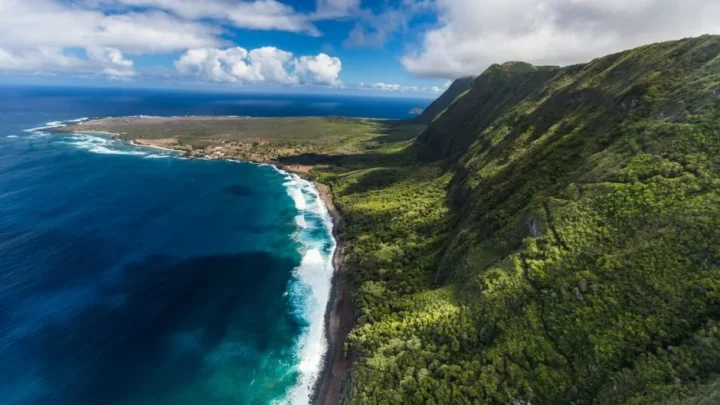
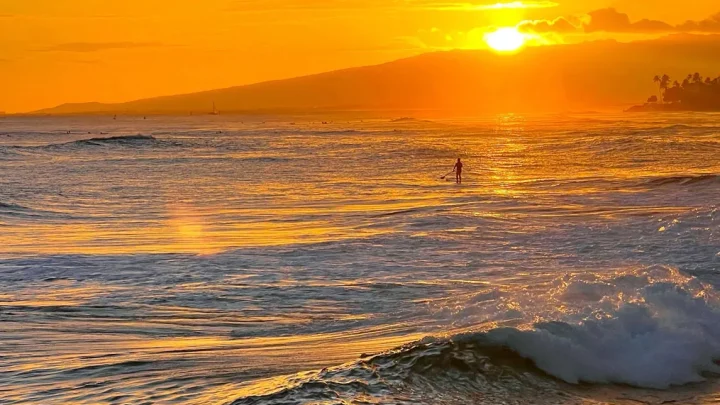
Where to Hike in Oahu: Best Trails & Epic Views
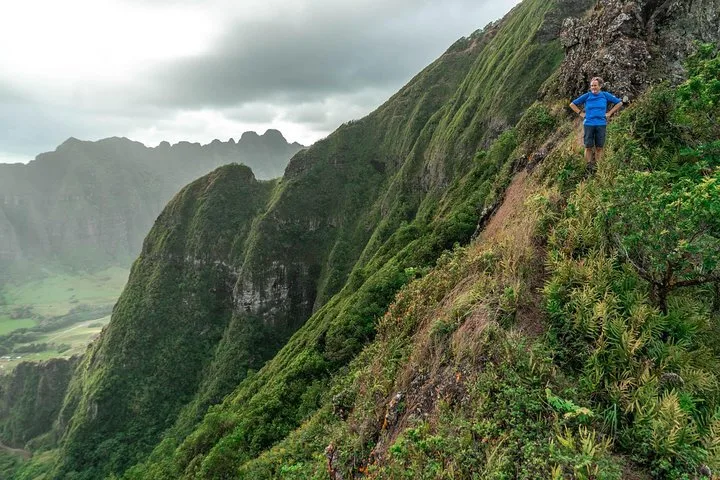
Finding where to hike in Oahu depends entirely on your group and the daily weather. The island has dry coastal paths, slick rainforest valleys, and steep volcanic ridges. Picking the wrong trail can turn a fun morning into a muddy slog.
The island features over 100 miles of sanctioned routes managed by the Hawaii DLNR Na Ala Hele program. Microclimates shift within a few miles, so coastal heat and mountain downpours often happen at the same time. Understanding trail conditions, elevation gain, and footwear needs ensures a safe outing.
Image source: Web (Bing) / tripadvisor.com (Web image (fair-use with source credit))
Quick Answer
Knowing where to hike in Oahu starts with your fitness level. Beginners should choose Makapuʻu Point or Waimea Valley. Intermediate hikers love the views on the Lanikai Pillbox Trail.
For a tough leg workout, climb Koko Crater Tramway. Choose Manoa Falls for a shaded rainforest walk.
How to Pick the Right Oahu Trail for Your Trip
Choosing a route comes down to two major factors: microclimates and group fitness. Oahu is split by two major mountain ranges: the Koʻolau Range in the east and the Waiʻanae Range in the west.
The windward (eastern) side of the island catches trade winds. This creates lush valleys, frequent rain showers, and muddy trails. The leeward (western and southern) side stays hot, dry, and sunny.
If the forecast calls for rain over the mountains, head to a leeward coastal path instead.
Time of day also dictates your experience. Ridge hikes offer almost zero shade and get blisteringly hot by 9:00 AM. In contrast, valley trails sit under dense forest canopies that keep temperatures down, though bugs become active after midday.
As of 2026, several popular trailheads also require advance parking reservations for non-residents. Check local park rules before driving to the trailhead.
The Decision Matrix: Matching Your Group to the Right Terrain
Use this decision table to quickly filter Oahu trails based on who is in your group and what experience you want.
| Trail Name | Trail Type | Distance / Gain | Best For |
|---|---|---|---|
| Makapuʻu Point | Paved coastal path | 2.0 miles / 500 ft | Families, strollers, whale watching |
| Waimea Valley | Paved botanical walk | 1.9 miles / 110 ft | Beginners, cultural history, waterfall swim |
| Lanikai Pillbox | Dirt ridge scramble | 1.8 miles / 650 ft | Sunrise views, intermediate hikers |
| Koko Crater | Railway tie incline | 0.9 miles / 990 ft | High-intensity workout, fitness seekers |
| Manoa Falls | Rainforest gravel path | 1.7 miles / 630 ft | Lush scenery, easy valley walking |
If your group includes small kids or older adults, stick to paved paths with guardrails. If everyone in your party wants sweeping ocean vistas and does not mind steep steps, pick a coastal ridge. If you want waterfalls and thick jungle, head into the windward valleys with trail shoes that you do not mind getting dirty.
Best Easy and Family-Friendly Trails (Paved Walks and Gentle Slopes)
Makapuʻu Point Lighthouse Trail
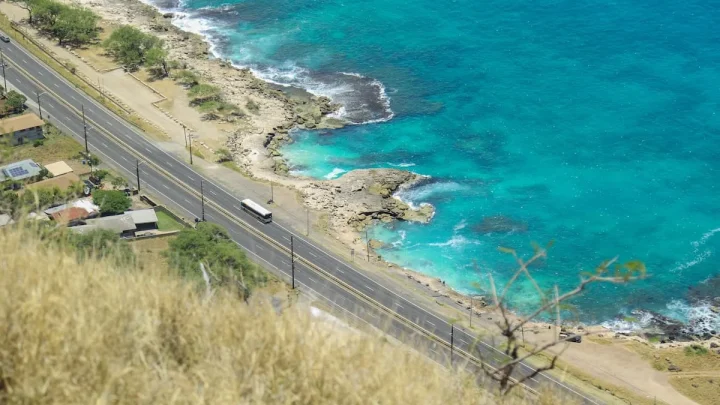
This southeastern coastal route is fully paved from the parking lot to the summit viewing platforms. It is ideal for families pushing sturdy strollers or anyone looking for steady footing.
The path climbs gradually along the sea cliffs, offering panoramic views of the windward coastline and offshore seabird sanctuaries like Mānana Island. Between December and April, this is one of the best shore-based spots on Oahu to see migrating humpback whales. Bring binoculars, water, and sun protection, as the entire route is exposed to direct sun.
Waimea Valley Trail
Located on the North Shore, Waimea Valley offers a flat, paved walk through world-class botanical gardens and historical Hawaiian living sites.
The trail ends at a 45-foot waterfall where visitors can swim when daily conditions allow. Life jackets are mandatory and provided by lifeguards on duty. This trail requires an admission fee, but it provides well-maintained restrooms, changing facilities, and smooth walking surfaces suitable for all ages.
Best Ridge and Workout Hikes (High Incline and Coastal Views)
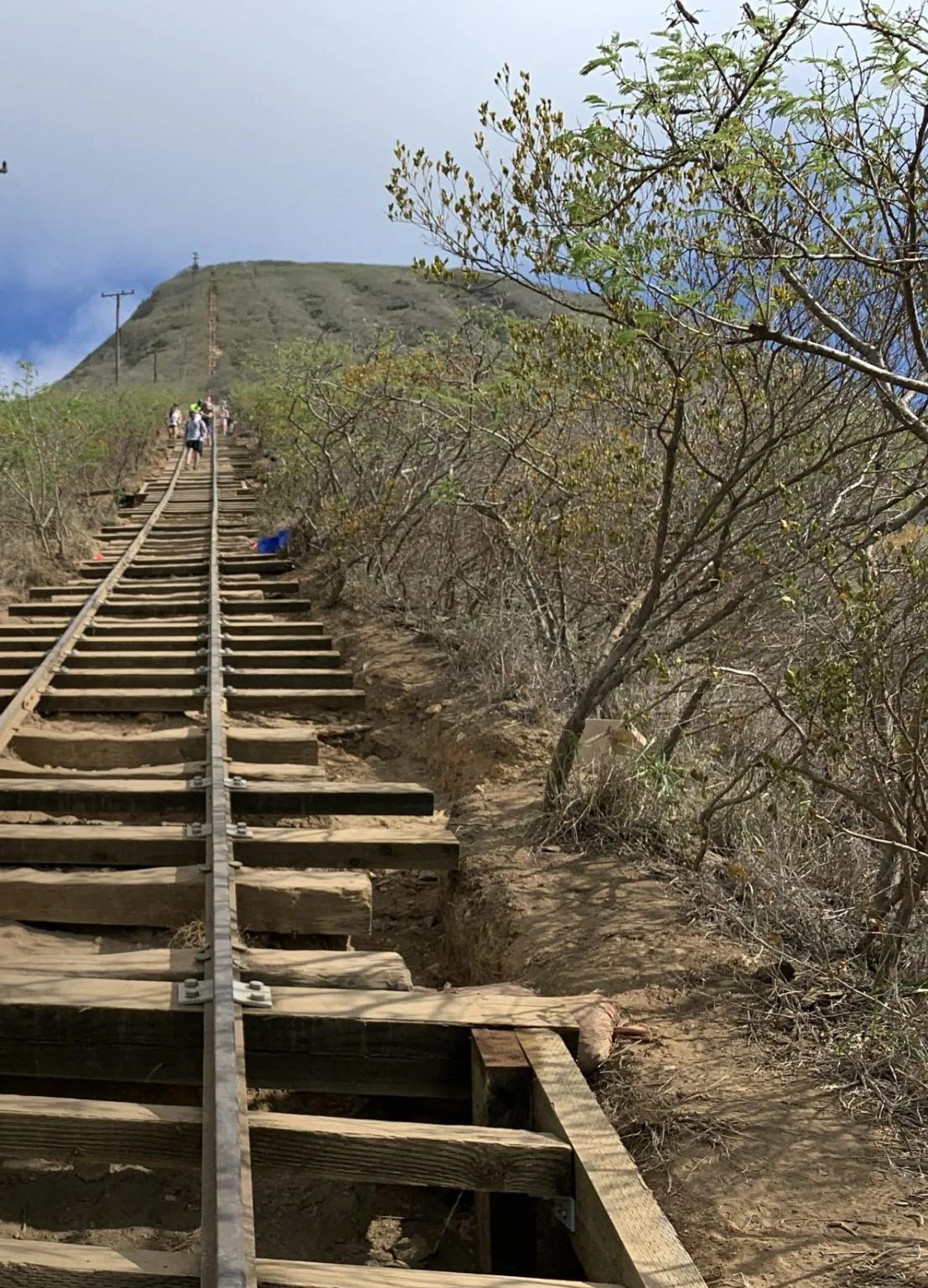
Image source: Web (Bing) / honolulu.gov (Web image (fair-use with source credit))
Koko Crater Tramway (Koko Head)
Koko Head is Oahu's premier outdoor stair climb. The trail follows the remnants of a World War II railway track straight up the side of a volcanic crater.
You will climb 1,048 wooden railroad ties to reach the old military bunker at the summit. About halfway up, the trail crosses a bridge section where the ground drops out beneath the ties. A bypass path sits to the right if you want to avoid heights.
Start this hike before 7:00 AM or near sunset to avoid extreme heat. Bring at least two liters of water per person.
Lanikai Pillbox (Kaʻiwa Ridge Trail)
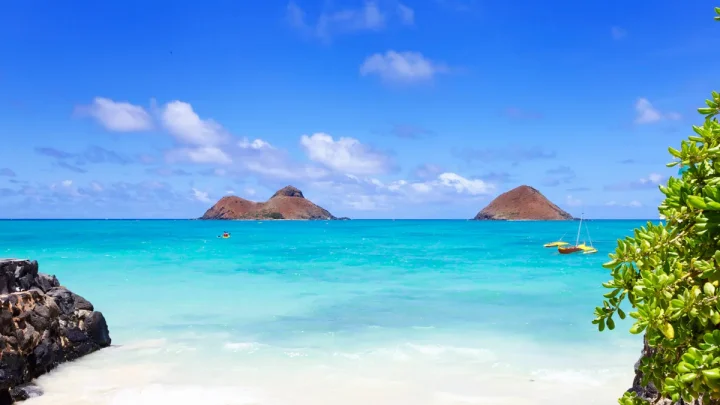
Kaʻiwa Ridge provides some of the best turquoise water views in Hawaii. The trail overlooks Lanikai Beach and the Mokulua Islands.
The route starts with a steep, dusty dirt scramble that requires good footwear traction. As you follow the spine of the ridge, you will reach two concrete military observation pillboxes. It is one of the island's most famous sunrise locations.
Keep in mind that loose gravel makes the descent slippery, so take short, controlled steps on the way down.
Best Rainforest and Waterfall Trails (Shade and Stream Crossings)
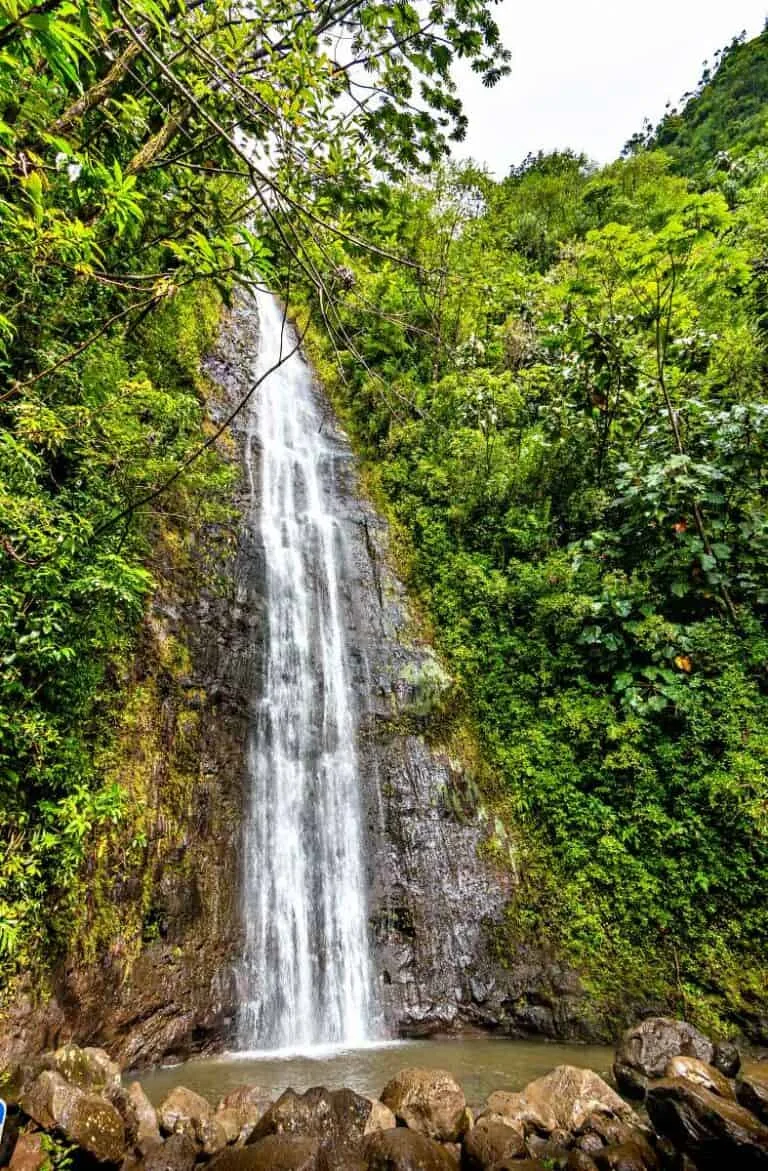
Image source: Web (Bing) / travelhawaiiwithus.com (Web image (fair-use with source credit))
Manoa Falls Trail
Manoa Falls sits in a classic rainforest valley just twenty minutes from downtown Honolulu. The trail winds through towering eucalyptus trees, wild ginger, and dense bamboo groves before terminating at a 150-foot waterfall.
The path is well-graded with gravel and wooden boardwalks, making it accessible for most fitness levels. However, the valley receives heavy daily rainfall, so standing water and slick mud are common. Swimming in the pool below the waterfall is prohibited due to falling rock hazards and waterborne bacteria.
Apply insect repellent before entering the trailhead.
Judd Memorial Trail
If you want a shorter, less crowded jungle loop, Judd Trail in the Nuʻuanu Valley delivers. It features a scenic Norfolk pine grove and a rocky stream crossing.
The loop measures roughly one mile and crosses Nuʻuanu Stream at the start. After heavy rain, the stream can rise quickly, so turn back if the water moves too fast over the rocks. The dirt path winds through thick roots and muddy hollows, leading to the Jackass Ginger Pool, a popular freshwater swimming hole.
Wear shoes with deep rubber treads to handle wet tree roots.
Critical Oahu Trail Rules: Permits, Safety, and Illegal Routes
State regulations and local laws protect both hikers and fragile island ecosystems. The Hawaii Department of Land and Natural Resources strictly enforces trail closures. Violating these rules can lead to heavy fines, court appearances, or dangerous rescue situations.
Closed and Illegal Trails
Do not attempt the Haʻikū Stairs (often called the Stairway to Heaven) or Sacred Falls. The Haʻikū Stairs are closed to the public, actively dismantled, and guarded by security. Trespassing here can trigger citations exceeding $1,000 under Hawaii Revised Statutes.
Sacred Falls remains permanently shut due to a fatal rockfall disaster. Never bypass state warning signs, locked gates, or perimeter fences.
Non-Resident Reservation Requirements
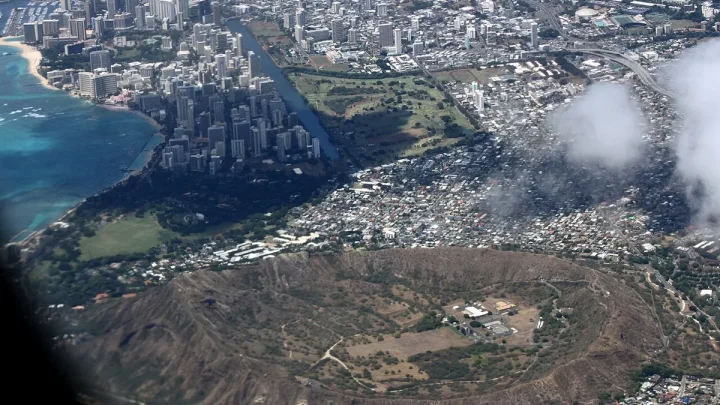
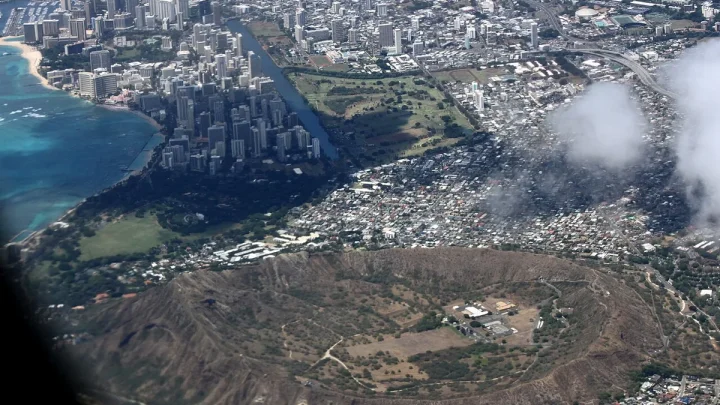
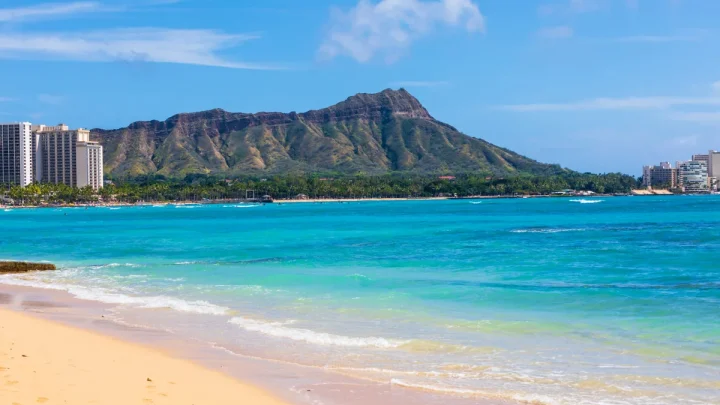
Popular state monuments require advance bookings for out-of-state visitors. If you plan to hike Diamond Head (Lēʻahi), you must reserve entry and parking time slots online before arriving. Entry fees are $5 per person, while standard vehicle parking costs $10.
Hawaii residents with a valid state ID or driver's license enter without reservations or fees.
Natural Trail Hazards
Island terrain brings unique environmental risks that differ from mainland hiking:
- Flash Floods: Heavy rain in the upper Koʻolau mountains causes valley streams to surge within minutes. Never cross brown, rushing water.
- Leptospirosis: This bacterial infection thrives in Hawaiian freshwater streams and pools. Avoid swimming if you have open cuts or scrapes.
- Crumbling Basalt: Volcanic rock fractures easily under body weight. Never trust loose rock holds on steep ridge sections.
Essential Preparation and Local Trail Etiquette
Proper preparation keeps you safe and helps protect Oahu's native forests. The combination of intense tropical sun and sudden rain showers means standard gym gear is often insufficient.
Gear and Hydration Essentials
Pack at least two liters of water for any ridge hike. Coastal routes like Makapuʻu and Koko Crater have zero shade and radiant ground heat. Wear trail running shoes or hiking boots with deep lugs.
Smooth-soled running sneakers will slip on wet red clay. Pack a lightweight rain shell, reef-safe sunscreen, a charged phone, and a small first-aid kit.
Preventing Rapid ʻŌhiʻa Death
Native Hawaiian forests face a severe threat from Ceratocystis fungi, known as Rapid ʻŌhiʻa Death. This disease kills native ʻōhiʻa lehua trees across the islands.
- Clean all dirt and mud off your boots before arriving at the trailhead.
- Spray your footwear with 70 percent rubbing alcohol before and after each hike.
- Stay on marked trails to avoid damaging tree root systems.
Trailhead Security and Parking Courtesy
Rental vehicle break-ins happen frequently at remote trailheads. Never leave bags, sunglasses, electronics, or valuables in your car, even hidden under seats or in the trunk. When parking in residential neighborhoods near trailheads like Lanikai Pillbox, keep noise down, do not block driveways, and obey posted tow-away zones.
Frequently Asked Questions About Hiking on Oahu
What is the best time of day to hike on Oahu?
Early morning between 6:00 AM and 8:00 AM is best. You will avoid the intense midday sun, secure limited parking spots, and encounter cooler temperatures. Ridge hikes quickly become uncomfortable after 9:00 AM due to direct sun exposure.
Can you hike Diamond Head without a reservation?
No, out-of-state visitors must book a timed reservation online through the Hawaii State Parks portal. Reservations open 30 days in advance. Hawaii residents with a valid state ID do not need a reservation and enter for free.
Are Oahu hiking trails safe for solo hikers?
Yes, popular sanctioned trails like Makapuʻu Point, Manoa Falls, and Diamond Head are safe for solo hikers due to high foot traffic. Avoid remote, unmaintained ridge scrambles when hiking alone. Always share your planned route and turnaround time with someone off the trail.
What should you wear for hiking in Oahu?
Wear lightweight, moisture-wicking clothing and shoes with deep rubber traction. Avoid brand-new white shoes because wet red dirt causes permanent stains. Bring a hat, UV-blocking sunglasses, and a packable rain shell for sudden valley downpours.
Is the Stairway to Heaven hike legal to do?
No, the Haʻikū Stairs are completely illegal and closed to the public. The City and County of Honolulu actively patrols the site. Trespassing carries citations up to $1,000, potential criminal charges, and strict local law enforcement.
Stick to open state trails instead.

Similar Posts