What to Visit in Oahu: Must-See Sights & Hidden Gems
Deciding what to visit in Oahu often feels overwhelming because the island packs dramatic mountain ridges, historic landmarks, and world-famous surf breaks into a compact area. Many travelers make the mistake of cramming distant sites into chaotic, cross-island drives. A better approach groups your stops by distinct geographic regions.
Driving from Waikiki to the North Shore can easily take over an hour each way during peak traffic along the two-lane Kamehameha Highway. By organizing your itinerary around natural travel corridors, you spend more time on the beach and less time sitting in traffic. Here is how to plan your stops efficiently.
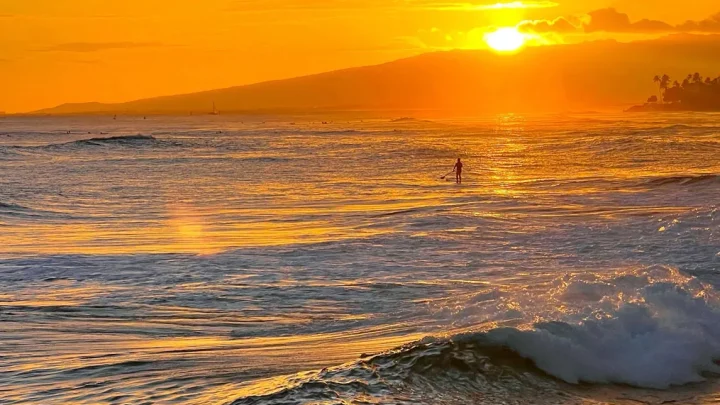
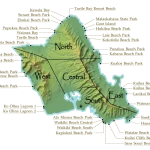
Image source: Web (Bing) / fineartamerica.com (Web image (fair-use with source credit))
Quick Answer
Deciding what to visit in Oahu depends on your specific travel style. First-time travelers should explore Pearl Harbor and hike Diamond Head. Beach lovers will want to see Lanikai Beach and Hanauma Bay.
Winter visitors can watch the massive surf along the North Shore. Always group your daily stops by region to avoid traffic delays.
The Oahu Geography Problem: Why Most Visitors Plan Their Days Backwards
Oahu is shaped by two major volcanic mountain ranges, the Koʻolau Range in the east and the Waiʻanae Range in the west. These towering green ridges create physical walls across the island. Because of this terrain, you cannot simply cut directly across the island on backroads.
Most visitors stay in Waikiki or Honolulu on the south shore. When travelers try to visit Diamond Head in the morning, grab lunch on the North Shore, and catch an afternoon kayak rental in Kailua, they spend four hours stuck in gridlock.
To make the most of your trip, divide the island into four distinct quadrants: South Shore, Windward Coast, North Shore, and Central/Leeward. Dedicate entire days or half-days to a single quadrant. This simple adjustment keeps you on the sand instead of behind a steering wheel.
How to Choose Your Stops: The 4 Trip-Defining Variables
Every traveler arrives with a different idea of the perfect Hawaiian vacation. Use these four factors to filter the island's vast attraction list down to what fits your style.
Season and Ocean Conditions
Ocean conditions on Oahu change dramatically depending on the time of year. From November through April, powerful North Pacific storms send massive ocean swells toward the North Shore. Beaches like Waimea Bay, Sunset Beach, and the Banzai Pipeline see 15- to 30-foot waves that are thrilling to watch but unsafe for casual swimming.
From May through September, the North Shore flattens out into a calm, crystal-clear sheet of water. This makes summer the prime window for snorkeling at Shark’s Cove and swimming at Waimea Bay. Conversely, the South Shore experiences its best surf swells during the summer months.
Rental Car vs. Public Transit
If you plan to spend most of your time in Honolulu and Waikiki, you do not need a rental car. The local bus system, known as TheBus, is reliable and connects urban centers, the Bishop Museum, and Ala Moana Center easily.
If you want to explore the scenic lookouts of the Windward Coast, the rural fruit stands of the North Shore, or remote hiking trailheads, a rental car is essential. Parking in Waikiki hotels can cost upwards of $40 to $60 per night, so consider renting a car for only the specific days you plan to leave the city.
Trip Length and Pacing
With three to four days on the island, stick to the heavy hitters. Focus your time on the South Shore and take one dedicated day trip up the Windward Coast to the North Shore.
With six to eight days, you can slow down and explore each region thoroughly. A longer trip allows you to spend full days exploring botanical gardens, swimming in calm lagoons, and browsing historic plantation towns without rushing.
Activity Level and Group Dynamic
Traveling with toddlers or mobility-limited family members requires gentle, paved experiences. Excellent low-strain stops include the Ko Olina Lagoons, the flat walking paths of Byodo-In Temple, and scenic drives up the Pali Highway.
Active hikers and adventurous groups can instead prioritize steep volcanic scrambles like the Koko Crater Railway Trail or guided offshore kayak trips to the Mokulua Islands.
Region-by-Region Breakdown: What to Visit in Each Quadrant
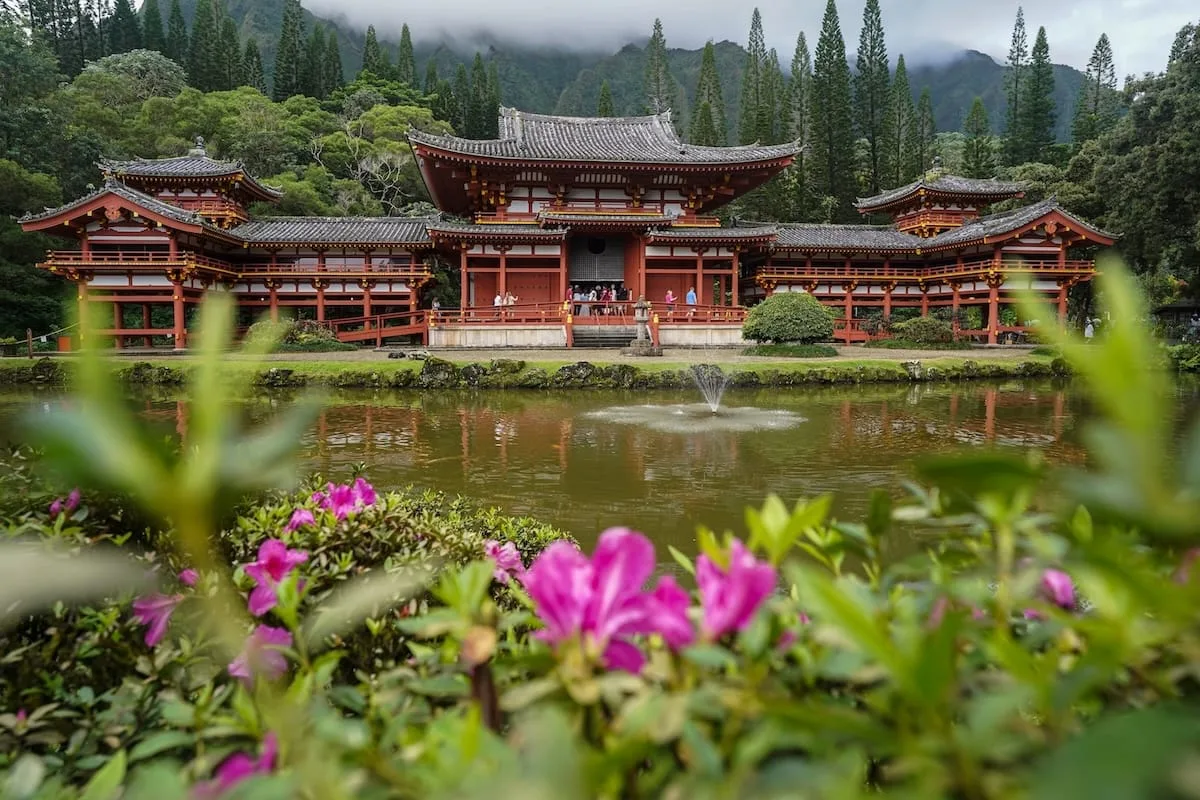
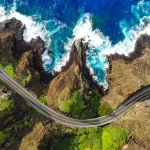
Image source: Bing (Web (fair-use with source credit))
Honolulu & South Shore: History, Urban Energy, and Iconic Landmarks
The South Shore is the historical, cultural, and economic heartbeat of Hawaii. It offers a mix of urban excitement, deep history, and world-famous oceanfront views.
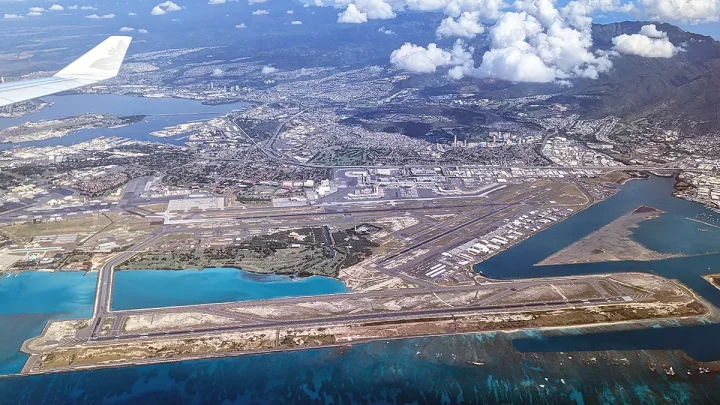
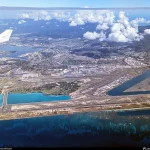
- Pearl Harbor National Memorial: This is the most visited historic destination on the island. The site includes the USS Arizona Memorial, the Battleship Missouri Memorial, and the Pacific Fleet Submarine Museum. Managed by the National Park Service, it provides a sober, detailed look at the events of December 7, 1941.
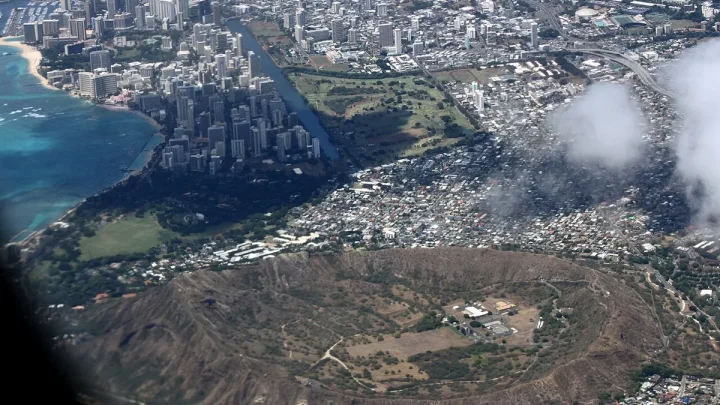
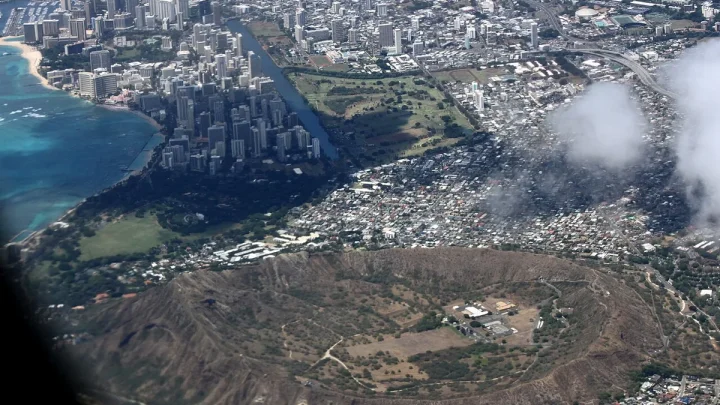
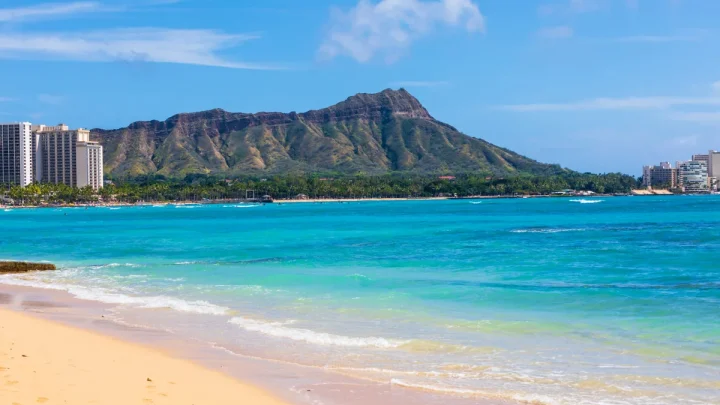
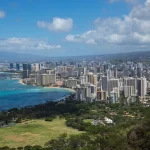
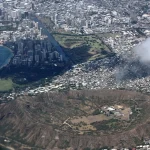
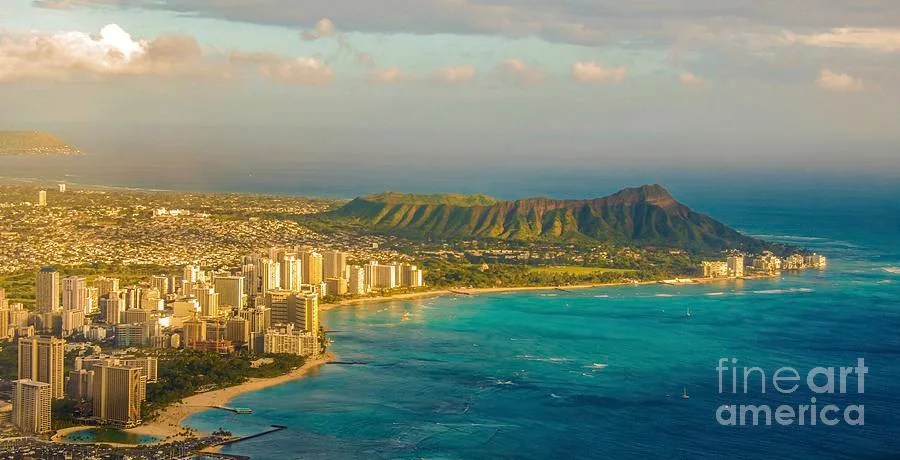
- Diamond Head State Monument (Lēʻahi): A classic volcanic tuff cone overlooking Waikiki. The 1.6-mile round-trip trail leads hikers through historic military tunnels and up steep stairs to a panoramic summit bunker.
- ʻIolani Palace: Located in downtown Honolulu, this is the only official royal palace on United States soil. It served as the residence of the Hawaiian Kingdom's monarchs until the overthrow of the monarchy in 1893.
- Bishop Museum: The premier natural and cultural history institution in the Pacific. It houses the world's largest collection of Polynesian cultural artifacts and biological specimens.
Windward Coast (East): Dramatic Cliffs, Turquoise Bays, and Lush Gardens
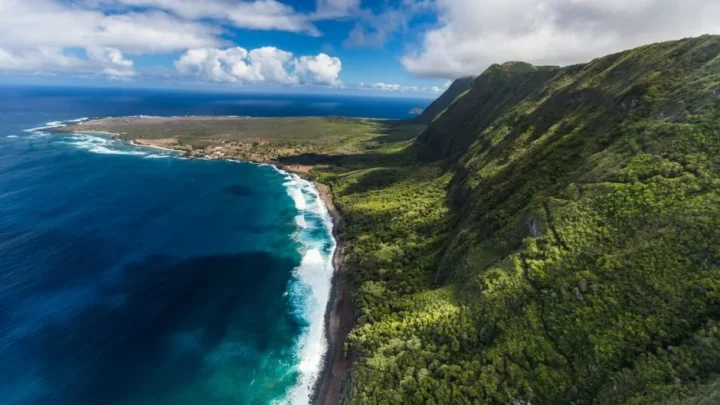
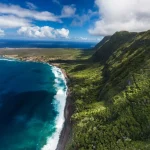
The eastern side of the island sits at the base of the fluted Koʻolau cliffs. Trade winds bring frequent passing showers, keeping this coast intensely green and vibrant.
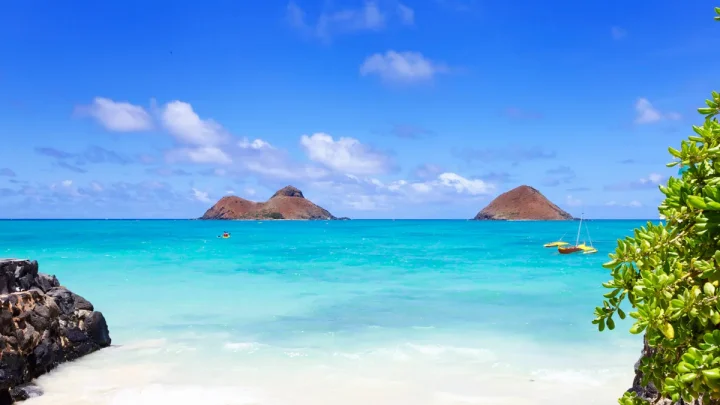
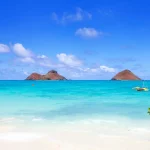
- Lanikai Beach & Kailua Beach: Lanikai is frequently ranked among the best beaches in the world. It features powdery white sand, calm turquoise waters, and views of the twin Mokulua Islands offshore. Parking is strictly residential, so plan to arrive early.
- Hanauma Bay Nature Preserve: A protected marine life conservation district formed inside a sunken volcanic crater. It offers beginner-friendly snorkeling with hundreds of tropical fish species and green sea turtles.
- Byodo-In Temple: Tucked away in the Valley of the Temples Memorial Park, this non-denominational temple is a smaller-scale replica of a 900-year-old temple in Uji, Japan. It sits against a backdrop of sheer mountain walls, surrounded by koi ponds and peacocks.
- Hoʻomaluhia Botanical Garden: A 400-acre lush preserve in Kāneʻohe featuring plants from major tropical regions around the world, a serene lake, and dramatic mountain views.
The North Shore: Surf Culture, Historic Towns, and Food Trucks
The North Shore operates at a noticeably slower, more rural pace. It is defined by its historic surf culture, roadside fruit stands, and laid-back coastal communities.
- Haleʻiwa Historic Town: The gateway to the North Shore, filled with plantation-era buildings, local art galleries, surf boutiques, and famous shave ice spots.
- Waimea Bay & Waimea Valley: Waimea Bay features a wide golden beach with turquoise water in the summer and massive surf breaks in the winter. Directly across the road, Waimea Valley offers a paved botanical walk that leads to a freshwater waterfall where swimming is permitted when conditions allow.
- Shark’s Cove (Pupukea Marine Life Conservation District): A rocky marine basin that offers some of the best free snorkeling on the island during calm summer months.
- North Shore Shrimp Trucks: A cluster of roadside food trucks outside Haleʻiwa and in Kahuku that serve fresh garlic butter shrimp, spicy poke, and tropical smoothies.
Central Oahu & Leeward Coast: Agricultural Heritage and Rugged Horizons
Central Oahu contains the broad plateau between the island's two mountain ranges, while the Leeward (west) coast is dry, sunny, and rugged.
- Dole Plantation: A popular family stop in central Oahu featuring a massive pineapple garden maze, the Pineapple Express train tour, and fresh pineapple soft serve.
- Ko Olina Lagoons: Four man-made, rock-protected ocean lagoons on the southwest coast. The calm, shallow waters make them ideal for families with young children.
- Kaʻena Point State Park: The westernmost tip of Oahu, accessible only via a coastal dirt trail from either the north or west side. It is a protected sanctuary for nesting seabirds and native Hawaiian monk seals.
The Mandatory Booking Timeline: Permits and Timed-Entry Drops
To manage visitor traffic and protect natural resources, several of Oahu's top attractions require advance reservations. Missing these booking windows is the quickest way to disrupt your trip. As of 2026, state and federal booking protocols are strictly enforced at the gate.
The table below outlines current non-resident reservation requirements, advance booking windows, and entry fees:
| Attraction | Advance Booking Window | Non-Resident Entry Fee | Official Booking Platform |
|---|---|---|---|
| Hanauma Bay Nature Preserve | 48 hours prior at 7:00 AM HST | $25 per person (free under 12) | Honolulu Parks & Rec Portal |
| Diamond Head State Monument | 30 days rolling advance | $5 per person, $10 per car | Hawaii DLNR State Parks |
| USS Arizona Memorial (Pearl Harbor) | 8 weeks prior, plus next-day drops at 3:00 PM HST | Free ($1 reservation fee) | Recreation.gov |
| Kualoa Ranch Tours | 2 to 4 weeks prior | Varies by tour ($55 to $150+) | Kualoa Ranch Official Site |
Always double-check reservation rules on the official Hawaii Department of Land and Natural Resources portal before finalizing your daily itinerary. Missing a timed-entry slot usually means you will be turned away at the park entrance.
Four Tailored Oahu Itinerary Workflows
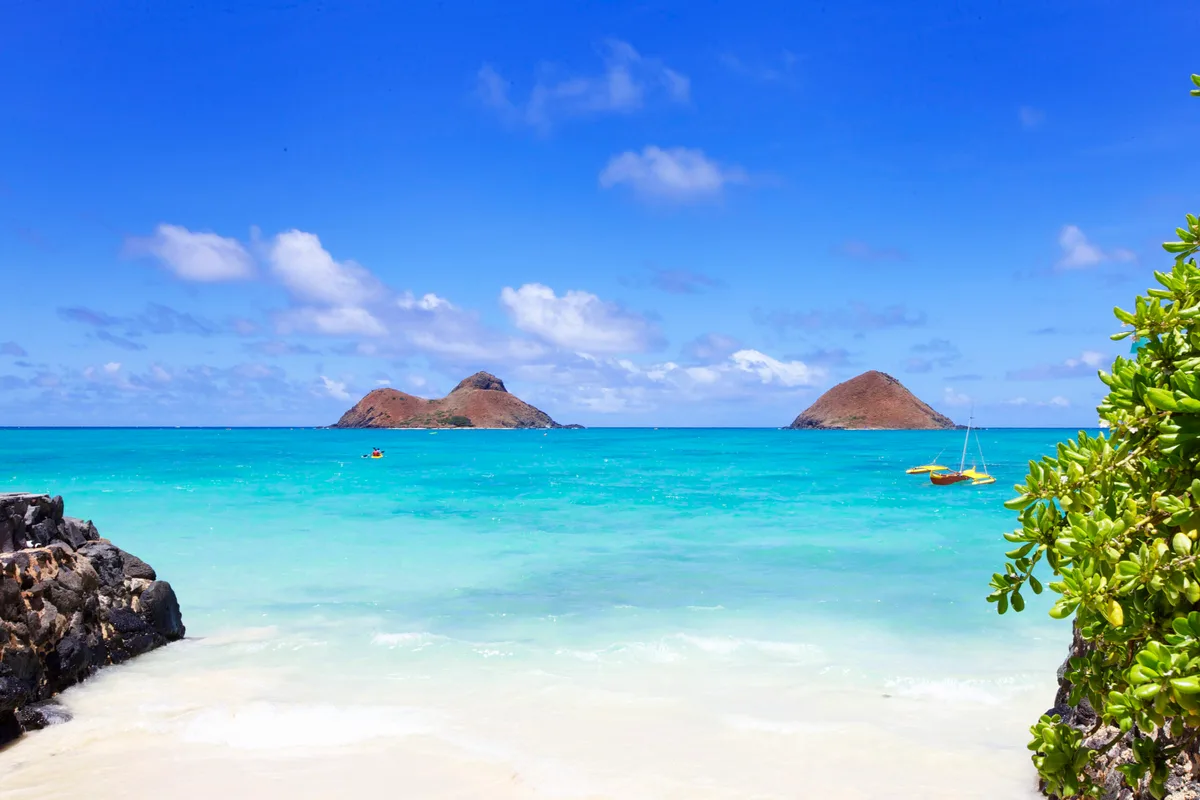
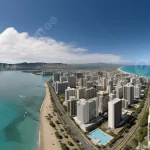
Image source: Web (Bing) / oahutripplanner.com (Web image (fair-use with source credit))
Choosing the right daily schedule depends on your travel companions and personal pace. Here are four proven routing workflows to match common travel goals.
Workflow A: The First-Time Classic (5 to 7 Days)
- Day 1 (Waikiki & South Shore): Settle into your hotel. Walk along Waikiki Beach and catch the sunset at Kapiʻolani Regional Park.
- Day 2 (History & Skyline): Book a morning slot at Pearl Harbor for the USS Arizona Memorial. Head back toward Honolulu for lunch, then hike Diamond Head during your afternoon reservation window.
- Day 3 (Windward Coast): Drive the scenic Pali Highway to Byodo-In Temple. Spend the afternoon relaxing on the soft sand at Kailua Beach Park.
- Day 4 (The North Shore Loop): Leave early up Interstate H-2. Explore Haleʻiwa town, grab garlic shrimp from the food trucks, and visit Waimea Bay.
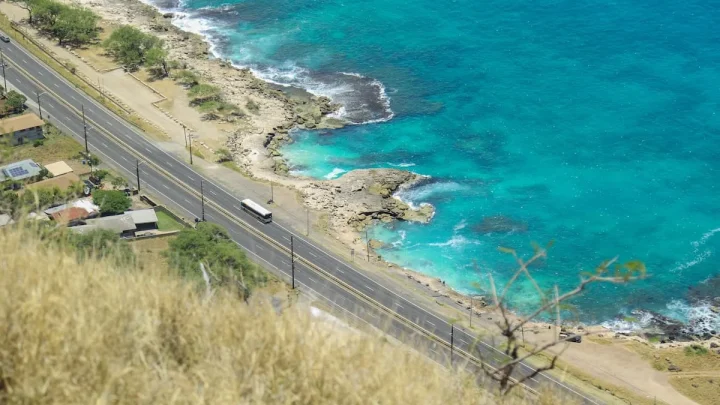
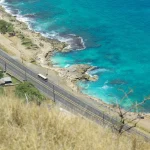
- Day 5 (East Oahu Lookouts): Drive Route 72 past Halona Blowhole and Sandy Beach. Finish with an early morning hike up the paved Makapuʻu Point Lighthouse Trail.
Workflow B: The Outdoor Hiker and Snorkeler
- Day 1 (Reefs & Craters): Secure a 7:00 AM slot at Hanauma Bay Nature Preserve for pristine morning reef visibility. In the afternoon, tackle the steep stairs of Koko Crater.
- Day 2 (Rainforests & Ridges): Hike through the bamboo groves along the Mānoa Falls Trail. Follow it with an afternoon kayak rental to the Mokulua Islands off Lanikai Beach.
- Day 3 (North Shore Snorkeling): If visiting during summer, snorkel the tidal pools at Shark’s Cove. Hike the coastal path out to Kaʻena Point State Park before sunset.
Workflow C: The Relaxed Family-Friendly Route
- Day 1 (Protected Lagoons): Spend the day at Ko Olina Lagoons. The calm, man-made coves have zero shore break, making them safe for small children.
- Day 2 (Trains and Waterfalls): Ride the Pineapple Express train at Dole Plantation in the morning. Head to Waimea Valley for an easy, paved botanical walk to the falls.
- Day 3 (Marine Discovery): Visit the Waikiki Aquarium, then spend the afternoon playing in the shallow waters of baby-friendly Ala Moana Beach Park.
Workflow D: The Car-Free Waikiki Explorer
- Day 1 (Waikiki Strip): Walk along Kalakaua Avenue, swim at Queens Beach, and take a beginner surf lesson in the gentle rolling breaks.
- Day 2 (Cultural Transit): Take TheBus Route 2 or Route 13 to the Bishop Museum and ʻIolani Palace in downtown Honolulu.
- Day 3 (Catamaran & Park Walks): Book an afternoon catamaran sail directly off Waikiki Beach, followed by an evening stroll through the gardens at Ala Moana Center.
Crucial Oahu Travel Mistakes and Safety Rules to Keep in Mind
A successful trip requires respecting local ecosystems, laws, and ocean power. Keep these key safety rules in mind while exploring the island.
- Check the Jellyfish Calendar: Box jellyfish regularly arrive on south-facing shores (including Waikiki and Ala Moana) roughly 8 to 10 days after a full moon. Check lifeguard warning signs before entering the water.
- Protect the Coral Reefs: Hawaii state law bans sunscreens containing oxybenzone and octinoxate. Use only mineral-based sunscreens made with non-nano zinc oxide or titanium dioxide to avoid damaging fragile coral ecosystems.
- Maintain Wildlife Buffers: Federal and state laws require visitors to keep a safe distance from native wildlife. Stay at least 10 feet away from Hawaiian Green Sea Turtles (Honu) and at least 50 feet away from endangered Hawaiian Monk Seals resting on the sand.
- Never Leave Valuables in Rental Cars: Trailhead parking lots at places like Makapuʻu Lookout, Kaʻena Point, and Pali Lookout are known targets for car break-ins. Take your bags, passports, and electronics with you every time you park.
- Stay on Legal Trails: Popular closed hikes like the Haʻikū Stairs (Stairway to Heaven) carry steep criminal trespassing fines up to $1,000. Stick to official trails managed by the state Na Ala Hele trail system.
Frequently Asked Questions About Visiting Oahu
How many days are ideal for visiting Oahu?
Five to seven days is the ideal trip length for most visitors. This gives you enough time to explore Pearl Harbor, hike Diamond Head, spend a full day on the North Shore, and relax on the Windward Coast without feeling rushed.
Do I need a rental car for my entire Oahu trip?
No, you do not need a car if you stay in Waikiki and plan to rely on walking, rideshares, and public transit. However, renting a car for two or three days is highly recommended for exploring the North Shore and Windward beaches.
Can you swim on the North Shore during the winter?
Swimming on the North Shore is generally unsafe between November and March due to massive ocean swells and powerful shore breaks. Winter is perfect for watching professional surfers, while summer offers calm, pool-like conditions for swimming and snorkeling.
What is the best month to visit Oahu?
April, May, September, and October offer the best balance of pleasant weather, manageable crowd levels, and lower accommodation rates. These shoulder months avoid the heavy summer family rush and the busy winter holiday travel season.

Similar Posts