Is Oahu a City or an Island? The Real Answer
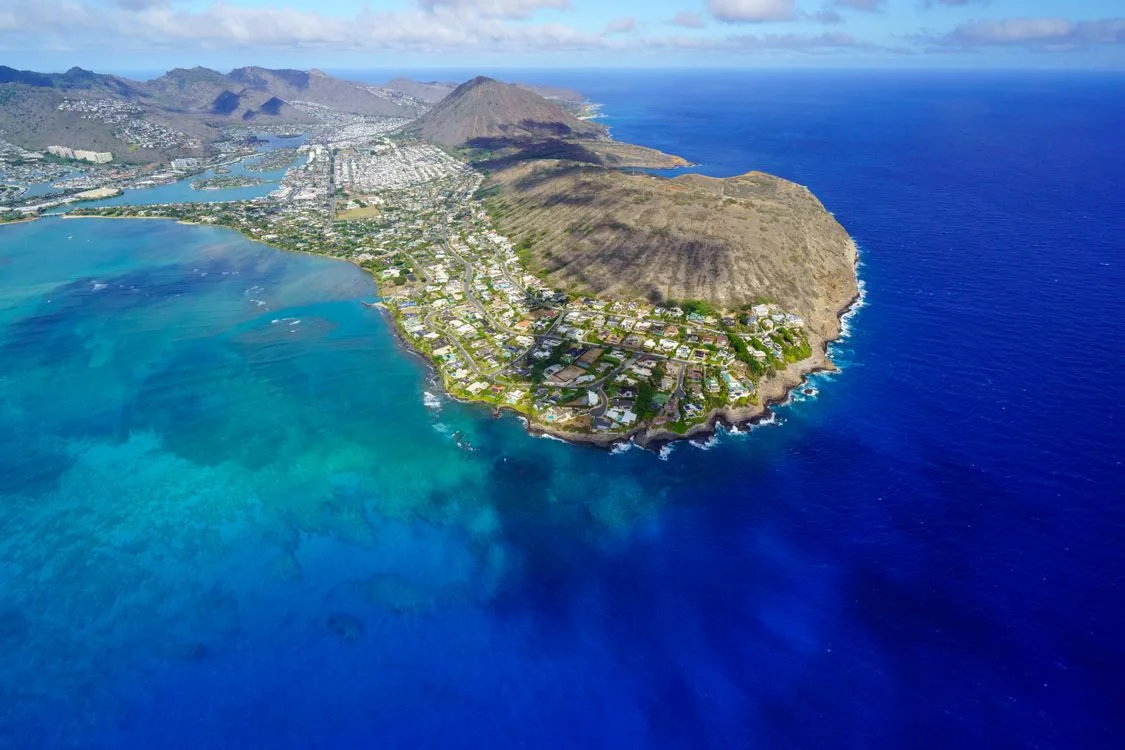
When you look at a map of Hawaii, figuring out whether Oahu is a city or an island can be confusing. The straightforward answer to whether Oahu is a city is no, Oahu is a physical island, but it legally functions under a single municipal government.
The island covers roughly 597 square miles of land and is home to nearly one million residents. Because Hawaii does not use standard town-level municipal governments, understanding how this landmass is organized requires looking at how local public administration operates.
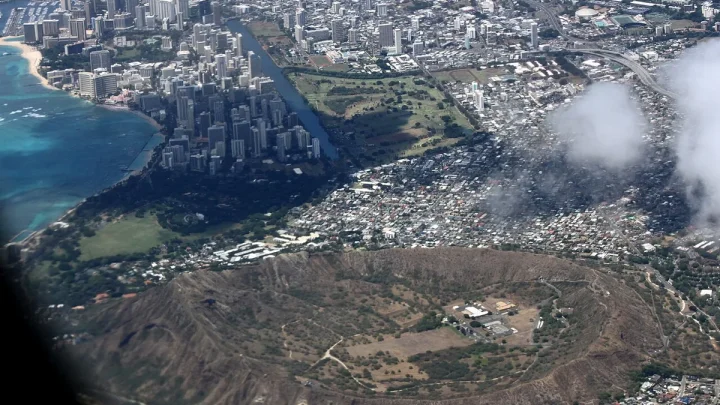
Image source: Bing (Web (fair-use with source credit))
Quick Answer
Oahu is not officially an independent city. It is a physical island in the state of Hawaii. The entire island is governed as the City and County of Honolulu.
No separate municipal city governments exist on the island. All local public services operate under one unified county government.
The Short Answer: Is Oahu an Island, a City, or Both?
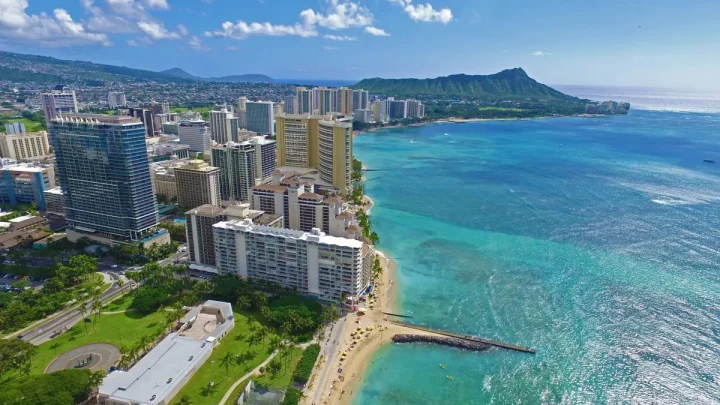
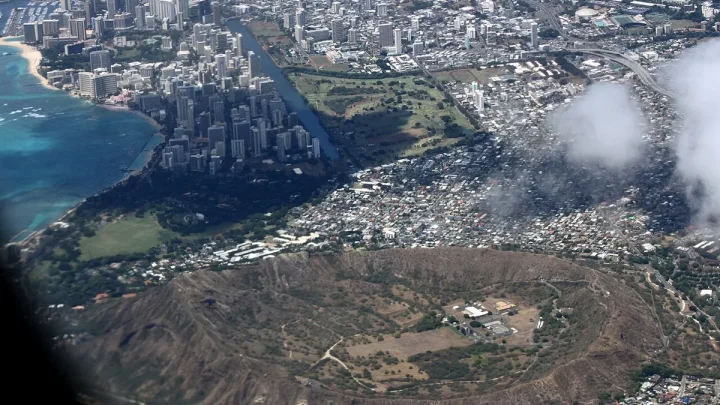
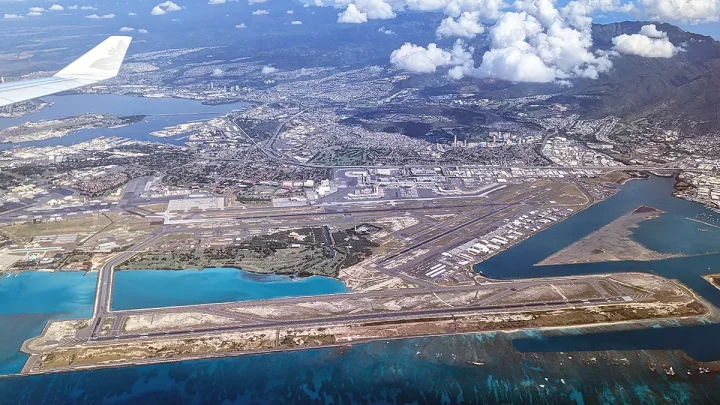
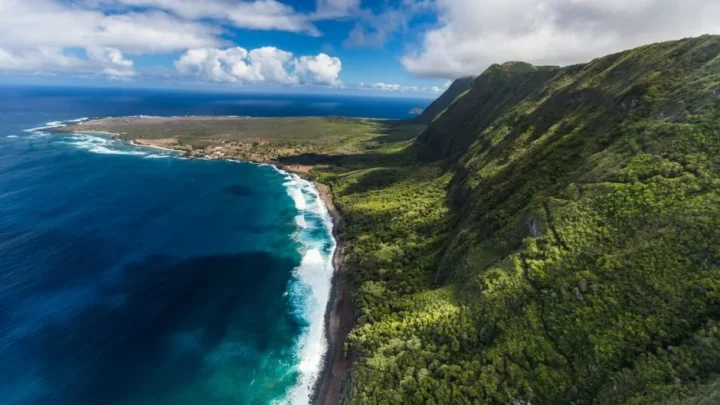
Geographically, Oahu is an island. It is the third largest of the Hawaiian Islands by land area and the most populated. It features distinct mountain ranges, separate coastlines, and dozens of individual communities stretching from the North Shore down to Waikiki.
Administratively, Oahu functions as a single city. There are no separate town halls in places like Kailua, Haleiwa, or Pearl City. The entire island falls under one local government entity called the City and County of Honolulu.
This structure creates everyday confusion for visitors and new residents. When people talk about Oahu, they are referring to the physical landmass. When people talk about municipal services, local ordinances, or public utilities, they are dealing with the city government that covers the whole island.
How Hawaii’s Consolidated City-County Structure Actually Works
Hawaii manages local civics differently than most mainland US states. The state does not have independent townships, incorporated villages, or separate city councils within its counties. Instead, the state is split into basic county jurisdictions.
The island of Oahu is governed entirely by the City and County of Honolulu. This consolidated municipal government combines city and county duties into one system. A single mayor and a nine-member city council oversee policies for all 597 square miles.
Because of this unified structure, basic services are never split between local towns:
- Law Enforcement: The Honolulu Police Department covers every neighborhood on the island.
- Fire Protection: The Honolulu Fire Department manages all fire stations across every coast.
- Public Works: Road maintenance, zoning rules, and building permits flow through one central agency.
- Public Transit: Island transit operates under one municipal division rather than regional town systems.
The Context Framework: When Oahu Counts as an Island, a City, or a County
To understand which term to use, look at the specific context of your situation. The table below outlines how Oahu is categorized across different uses.
| Context | Proper Classification | What It Covers |
|---|---|---|
| Physical Geography | Island | The volcanic landmass, mountain ranges, and beaches |
| Legal & Civic Governance | Consolidated City-County | The municipal government holding legal jurisdiction |
| Federal Census Data | County & CDPs | The county unit, divided into statistical places |
| Postal Logistics | Regional Delivery Zones | Individual community names paired with ZIP codes |
If you are hiking a ridge, checking surf reports, or discussing regional weather, Oahu is an island.
If you are paying property taxes, applying for a building permit, or following local parking laws, you are dealing with the City and County of Honolulu.
For demographic tracking, the U.S. Census Bureau treats the entire island as Honolulu County. To track population clusters, the bureau designates individual towns as Census-Designated Places rather than independent cities.
Oahu vs. Honolulu: Breaking Down the Key Differences
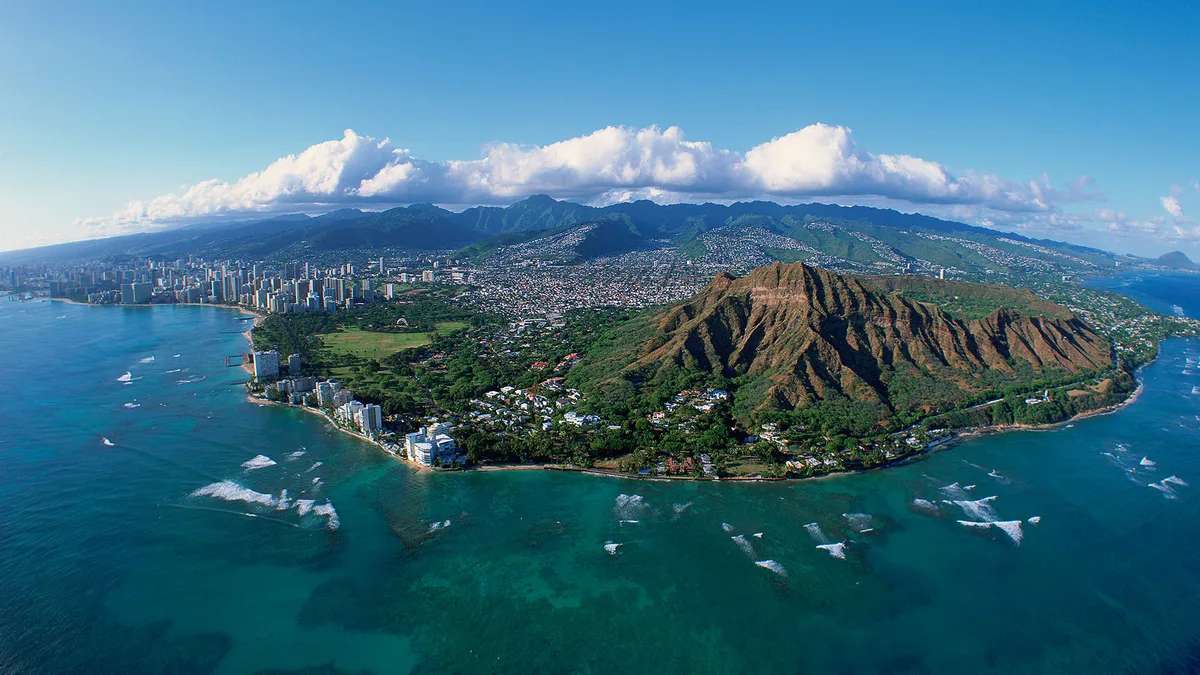
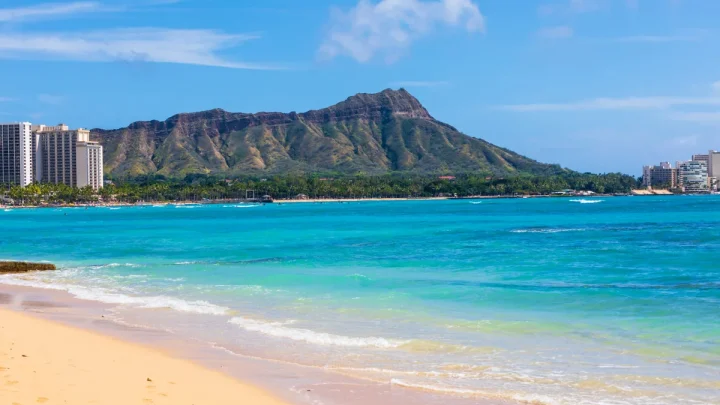
Image source: Web (Bing) / windows10spotlight.com (Web image (fair-use with source credit))
Many people treat the names Oahu and Honolulu as interchangeable terms. While they overlap legally, they refer to different concepts in everyday conversation.
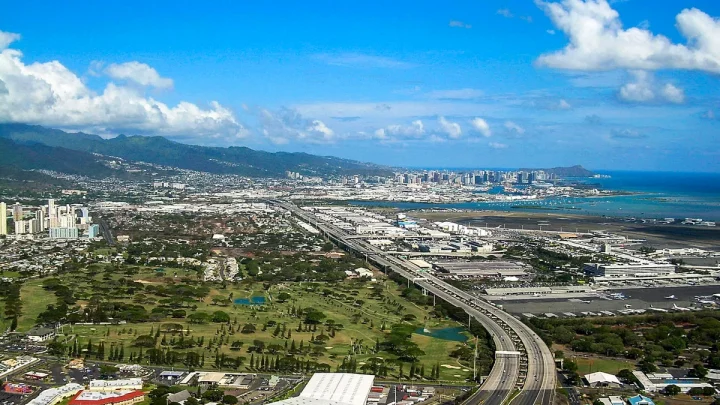
Oahu refers to the total geographical land area. This includes the urban high-rises on the south shore, the rural farmlands in central valleys, and the coastal surf towns along the North Shore.
Honolulu has two definitions depending on the conversation:
- The Legal Municipality: The complete government boundary covering all of Oahu.
- The Urban Core: The specific metropolitan district on the south shore containing Downtown, Waikiki, Kakaʻako, and the commercial port.
When locals say they are heading into Honolulu, they usually mean the dense urban center on the south shore. If someone lives in Kaneohe or Wahiawa, they do not consider their neighborhood to be the town of Honolulu, even though they pay their taxes to the City and County of Honolulu.
Practical Impacts: What the City-Island Setup Means for Travel, Transit, and Mail
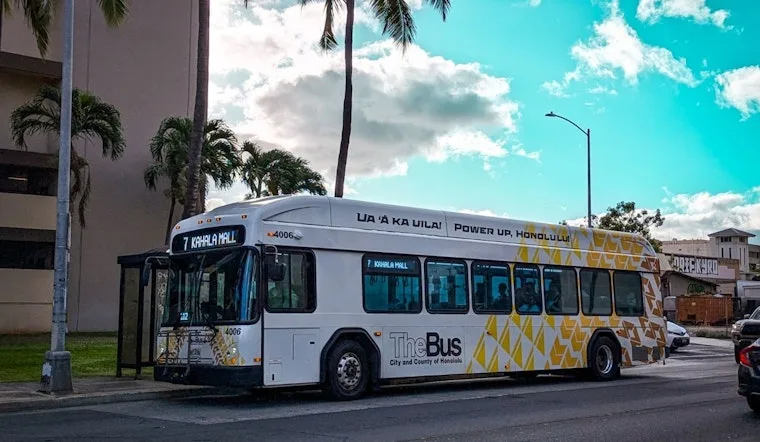
Image source: Web (Bing) / hoodline.com (Web image (fair-use with source credit))
The consolidated city-island setup makes logistics straightforward once you understand the system.
Public transportation runs on an island-wide network. The city's bus network, known as TheBus, operates routes connecting rural beaches to downtown transit centers. As of 2026, the Skyline light rail network continues expanding under the Honolulu Authority for Rapid Transportation, providing unified transit across central and west Oahu under the same municipal umbrella.
Navigating postal addresses is where the system feels unusual:
- Mailing Addresses: The United States Postal Service uses community names like Kailua, Kapolei, or Haleiwa alongside standard ZIP codes to route mail accurately.
- Legal Location: Even though your mail might say Kailua, HI, you are still inside the municipal boundaries of Honolulu.
- Emergency Services: Calling 911 connects you to a central dispatch that routes island-wide resources directly to your location without cross-jurisdiction delays.
Common Mistakes Travelers and New Residents Make
A frequent error is assuming that booking a hotel outside the city center means leaving Honolulu's administrative jurisdiction. If you stay in a resort in Ko Olina or a rental in Haleiwa, you remain inside the City and County of Honolulu. Local municipal ordinances, short-term rental rules, and beach alcohol bans apply island-wide.
Another point of confusion involves school districts and public administration. In most US states, individual cities operate independent school districts and local municipal courts. In Hawaii, all public schools fall under a single statewide system managed by the Hawaii State Department of Education.
You will not find independent town school boards anywhere on Oahu.
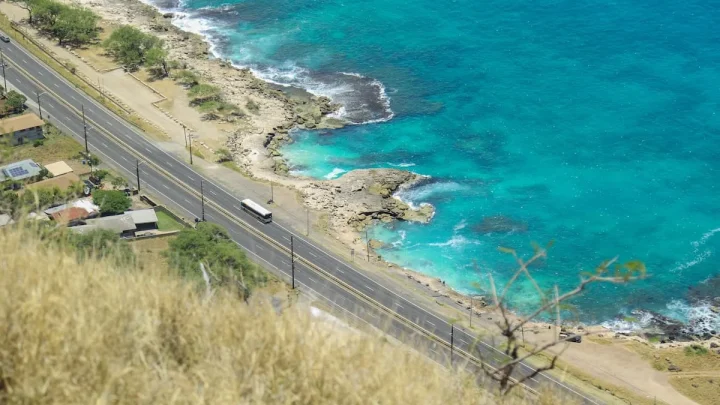
Rental car drivers also often expect municipal toll booths or separate town traffic authorities when driving between regions. In reality, highway rules and local traffic enforcement stay consistent across every coastline. The Honolulu Police Department patrols both the high-density H-1 freeway downtown and the rural two-lane highways along the North Shore.
Frequently Asked Questions About Oahu’s Status
Is Honolulu the same thing as Oahu?
Honolulu is the name of the consolidated city-county that governs the entire island of Oahu. In casual conversation, people use Honolulu to describe the downtown urban core and Waikiki. Oahu refers to the entire physical island with all of its separate towns, mountains, and coastlines.
What is the capital of Oahu?
Oahu does not have its own individual capital because it is an island rather than a state. However, the city of Honolulu, located on Oahu's southern coast, serves as the official state capital of Hawaii. It is the seat of both state and county government.
Does Oahu have separate towns with their own mayors?
No, Oahu does not have independent towns with separate mayors or city councils. The entire island operates under one mayor and a single nine-member city council. Neighborhoods like Kailua, Kaneohe, Pearl City, and Haleiwa are unincorporated communities without independent municipal local governments.
Why do mailing addresses list different cities on Oahu?
The United States Postal Service uses distinct place names to organize mail delivery routes across the island. Using names like Kapolei or Kailua on an envelope helps postal carriers identify sorting zones. These labels reflect postal routes rather than legally independent town borders.
Is Waikiki its own city?
Waikiki is not an independent city. It is a specific beachfront neighborhood located within the urban core of Honolulu on Oahu's south shore. It operates entirely under the jurisdiction, zoning laws, and public services of the City and County of Honolulu.
Summary Guide: How to Categorize Oahu in Any Situation
Determining whether to treat Oahu as an island or a city depends entirely on what you are trying to accomplish.
Use this quick decision workflow to choose the right term:
- If your focus is travel, geography, or outdoors: Treat Oahu as an island. Use regional names like the Windward Side, Leeward Coast, Central Oahu, or the North Shore when planning drives, checking surf conditions, or booking tours.
- If your focus is civic, legal, or municipal: Treat Oahu as a city. Follow the regulations, permits, and municipal codes set by the City and County of Honolulu.
- If your focus is sending mail or setting GPS points: Use the local community name and ZIP code recognized by the postal service, such as Kailua, HI 96734 or Honolulu, HI 96815.
Understanding this balance keeps travel planning simple and clarifies how local civic life runs across Hawaii's most populated island.

Similar Posts