Is Oahu Actually Nice? What to Know Before You Go
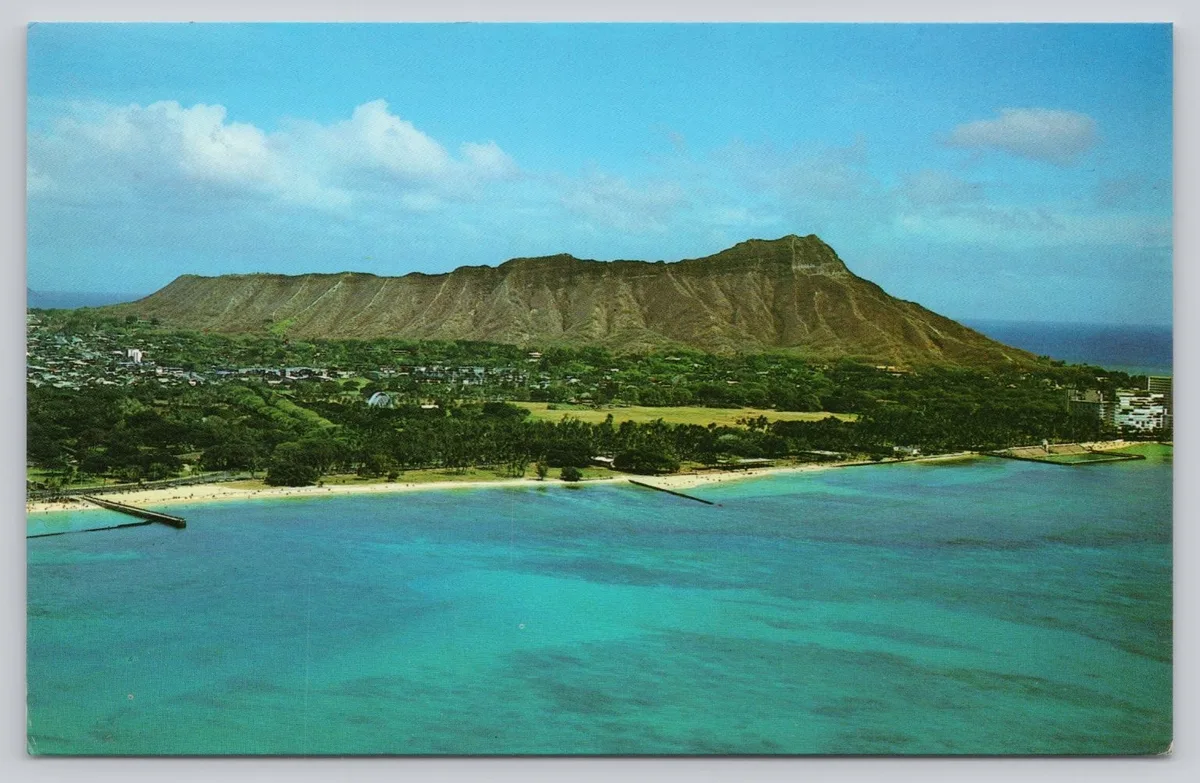
When planning a trip to Hawaii, you might ask yourself: is oahu nice, or is it just an overcrowded tourist trap? The island gets mixed reviews because travelers often arrive expecting an empty wilderness and find a bustling metropolis instead. In reality, Oahu delivers whatever vacation style you choose if you know where to go.
Oahu houses nearly 80 percent of the state population across just 597 square miles. That unique density creates world-class dining and rich cultural history alongside quiet, razor-sharp mountain peaks. Let us walk through how to decide if Oahu matches your travel style.
Image source: Web (Bing) / ebay.com (Web image (fair-use with source credit))
Quick Answer
Yes, Oahu is nice for travelers who want culture, food, and beaches. The island offers dramatic mountain landscapes and historic landmarks. Honolulu provides convenient public transit and excellent dining.
Peaceful coastal towns sit just 40 minutes outside the city. Travelers seeking total solitude may prefer a more rural neighbor island.
The 4 Oahu Decision Filters: Is It Right for Your Travel Style?
To figure out whether you will enjoy Oahu, run your vacation expectations through these four practical filters.
Filter 1: Urban Energy vs. Total Seclusion
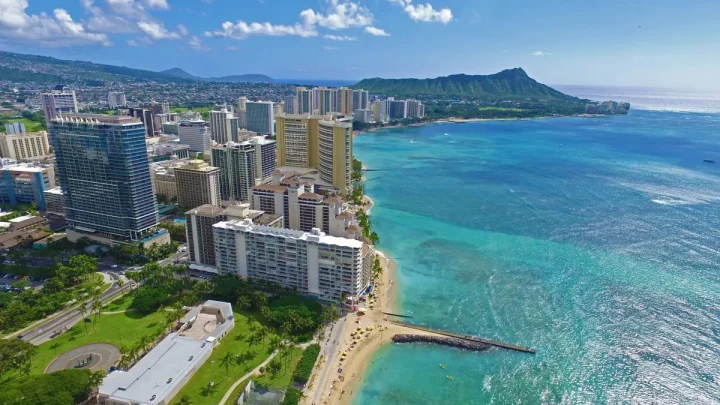
If you enjoy walkable cities with bustling beach walks, Oahu is ideal. Waikiki features high-end shopping, beachside cocktail bars, and street performers. If you want a sleepy cabin where you never hear traffic, you will likely find Honolulu frustrating.
Filter 2: Logistics, Transit, and Car-Free Travel
If you prefer not to drive on vacation, Oahu is the only Hawaiian island where that works easily. You can rely on rideshares and the city bus system, known as TheBus. If you rent a car, keep in mind that downtown hotel parking often costs $40 to $65 per night.
Filter 3: Food Scene and Cultural History
If you travel to eat, Oahu easily outperforms the other islands. You will find traditional Hawaiian plate lunches, Japanese ramen shops, and modern Pacific Rim restaurants. Oahu is also home to major historic sites, including the Pearl Harbor National Memorial and Iolani Palace.
Filter 4: Ocean Conditions and Seasonal Swells
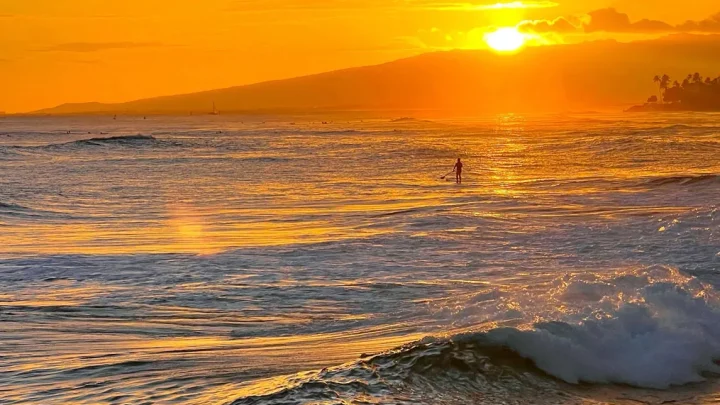
If you visit between November and February, the North Shore experiences massive 30-foot surf swells. These waves are incredible for watching professional surf competitions, but swimming is unsafe there in winter. If you want calm family swimming in winter, the protected South Shore lagoons remain gentle year-round.
The Different Faces of Oahu: Where You Stay Changes Everything
Your experience on Oahu depends heavily on your base camp. Each coastline offers a distinct climate, landscape, and pace of life.
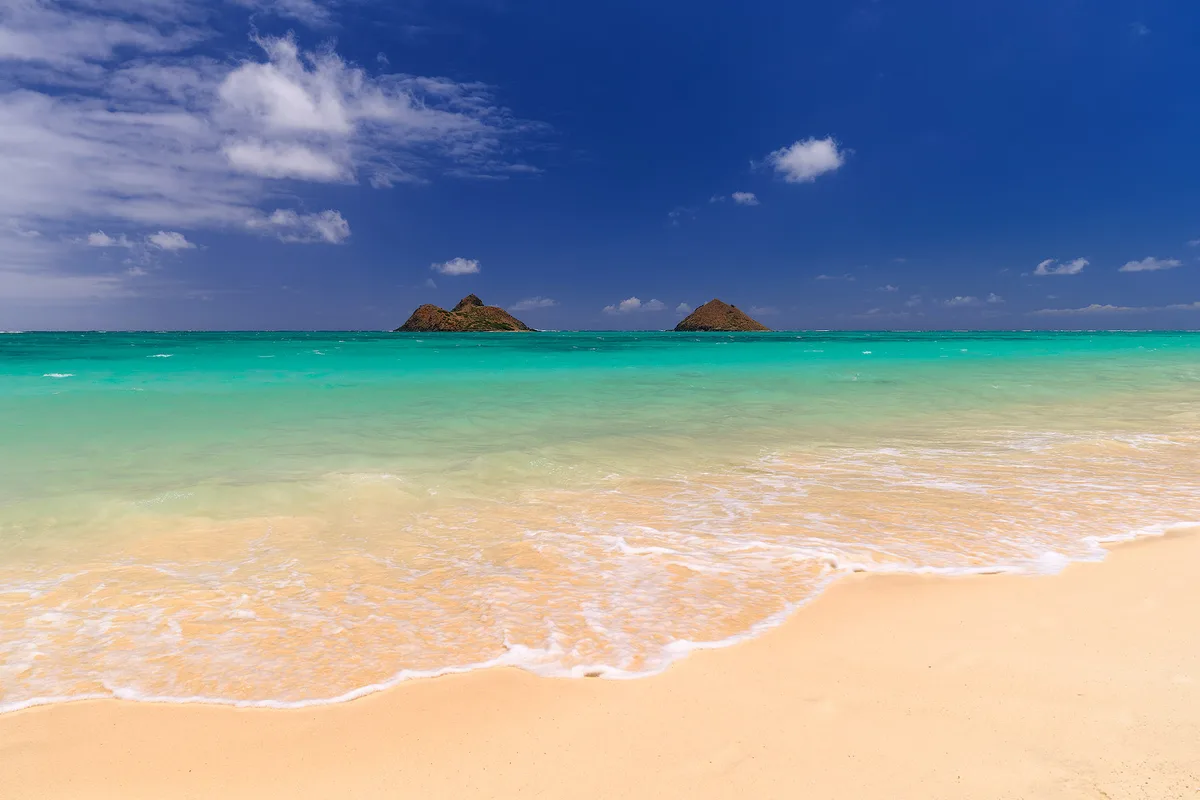
Image source: Web (Bing) / andrewshoemaker.com (Web image (fair-use with source credit))
| Region | Overall Vibe | Best For | Typical Drive from Airport |
|---|---|---|---|
| South Shore (Waikiki/Honolulu) | Urban, energetic, walkable | First-timers, foodies, nightlife | 20 minutes |
| Windward Coast (East) | Lush, residential, scenic | Soft-sand beaches, sunrise views | 35 minutes |
| North Shore | Laid-back, rustic, surf-centric | Big waves, food trucks, quiet nights | 50 minutes |
| Leeward Coast (Ko Olina) | Manicured, sunny, relaxed | Family resort stays, calm lagoons | 30 minutes |
South Shore: High Energy, Walkability, and World-Class Food
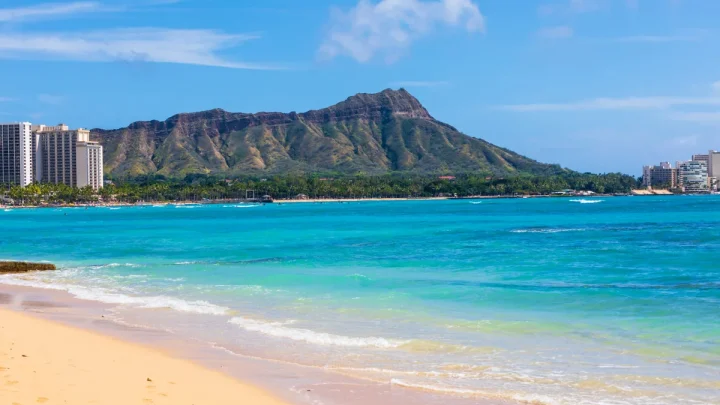
The South Shore centers around Waikiki and downtown Honolulu. You get calm swimming waters, endless dining choices, and vibrant nightlife. It feels like a tropical version of Manhattan or Miami.
Windward Coast: Emerald Peaks and Postcard Beaches
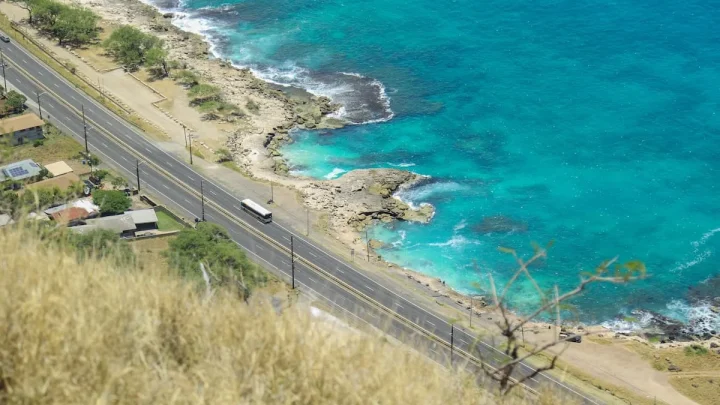
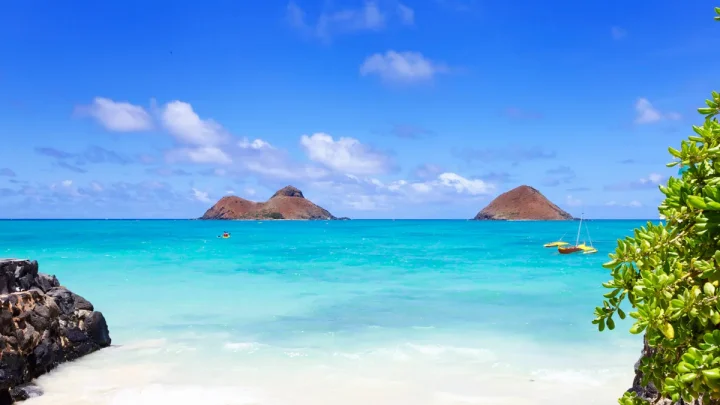
The eastern coast sits against the dramatic Koʻolau mountain range. Towns like Kailua and Kaneohe offer a slower, residential pace. This area features powder-soft sand at Lanikai Beach and lush rainforest hikes.
North Shore: Surf Heritage, Food Trucks, and Slower Rhythms
The North Shore is famous for historic Haleiwa town, garlic shrimp trucks, and surf breaks like Banzai Pipeline. Buildings cannot exceed two stories here, which preserves a rural feel.
Leeward Coast: Sunny Resorts and Rugged Coastlines
The western coast receives the least rainfall on the island. The Ko Olina resort area features luxury properties and protected ocean lagoons that are ideal for small children.
The Real Downsides: What First-Time Visitors Hate About Oahu
Oahu is a stunning island, but it is not flawless. Knowing the main pain points ahead of time will save you from major vacation disappointment.
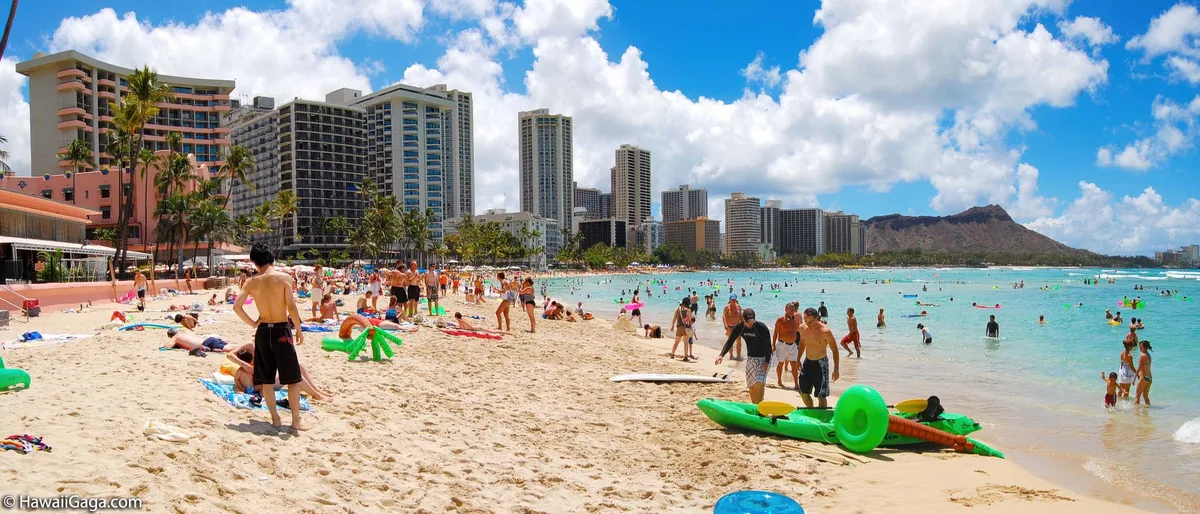
Image source: Web (Bing) / hawaiigaga.com (Web image (fair-use with source credit))
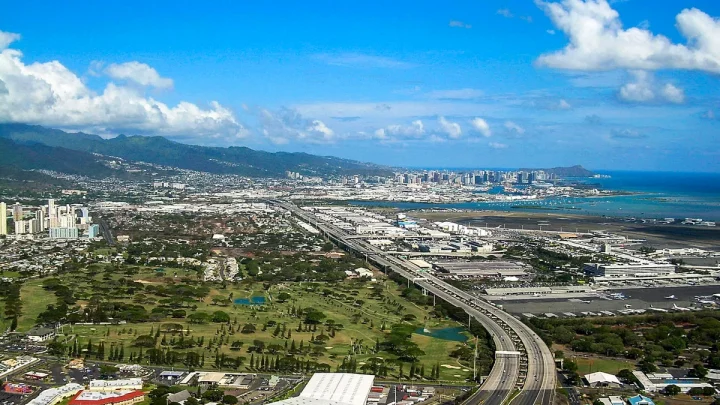
- Commuter Traffic: The H-1 freeway experiences heavy gridlock during morning and afternoon commute hours. A drive across the island can double in time if you travel during rush hour.
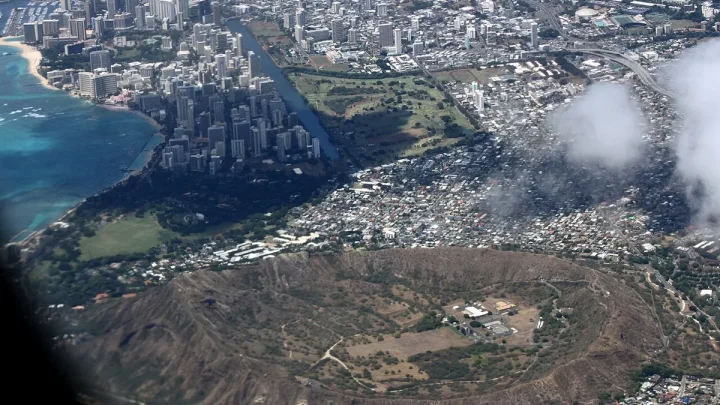
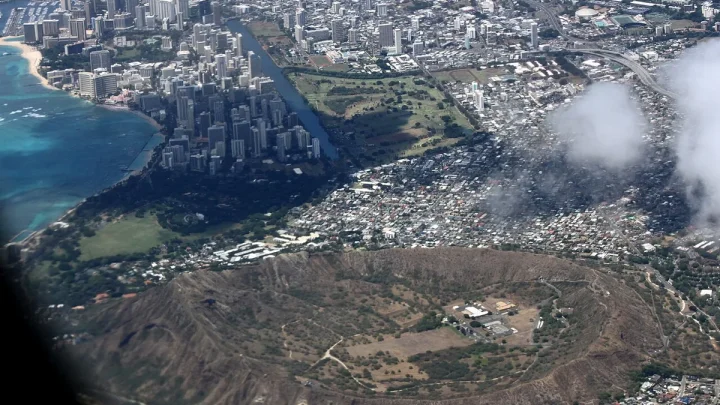
- Crowds at Key Sites: Popular spots require careful planning. The Hawaii Department of Land and Natural Resources requires advance reservations for out-of-state visitors at Diamond Head State Monument and Hanauma Bay.
- Commercialization: Parts of Waikiki feel heavily commercialized with luxury brand boutiques and chain restaurants. If you want untamed jungle right outside your hotel room, this setting will feel too commercial.
- Wildlife Rules and Fines: Hawaii strictly protects marine life. Per guidance from NOAA Fisheries, you must stay at least 10 feet away from Hawaiian green sea turtles and 50 feet from Hawaiian monk seals.
Oahu vs. Maui, Kauai, and the Big Island: Side-by-Side Breakdown
How does Oahu stack up against the rest of Hawaii? As of 2026, flight routes and island infrastructure make Oahu the most accessible destination, but each island serves a different travel personality.
| Island | Best Vacation Style | Landscape Highlights | Car Requirement |
|---|---|---|---|
| Oahu | Balance of city and nature | Volcanic craters, historic bays, urban beaches | Optional in Waikiki; helpful elsewhere |
| Maui | Resort luxury and whale watching | Volcanic summits (Haleakala), scenic drives | Essential |
| Kauai | Quiet nature and hiking | Dramatic sea cliffs (Na Pali), deep canyons | Essential |
| Big Island | Adventure and geological variety | Active volcanoes, black sand beaches, lava fields | Essential |
Choose Oahu if you want variety. You can hike a rugged ridgeline at 7:00 AM, eat award-winning sushi for lunch, and relax at a beach bar by sunset. Choose Kauai or Maui if your primary goal is avoiding tall buildings and heavy crowds.
5 Costly Mistakes That Ruin an Oahu Trip (and What to Do Instead)
Many bad reviews of Oahu come down to poor planning rather than the island itself. Here are the five most common trip mistakes and how to avoid them:
- Staying only in Waikiki: Spending an entire week on Kalakaua Avenue means you only see high-rises and busy shopping centers. Rent a car for at least two days or book a tour to see the Windward and North Shores.
- Ignoring ocean warning signs: Beaches like Sandy Beach and Makapuʻu feature powerful shorebreaks that cause serious injuries every year. Always check with county lifeguards and stick to calm, protected waters if you are not an experienced body surfer.
- Forgetting permit deadlines: Booking windows for popular state parks fill up fast. Diamond Head permits open 30 days ahead, while Hanauma Bay slots open just two days ahead at 7:00 AM local Hawaii time. Set calendar reminders so you do not get locked out.
- Driving into town during morning rush hour: Commuter traffic runs eastbound toward Honolulu from 6:00 AM to 8:30 AM, and westbound out of Honolulu from 3:30 PM to 6:00 PM. Schedule your road trips in reverse to stay ahead of the flow.
- Packing banned sunscreens: Hawaii state law prohibits over-the-counter sunscreens containing oxybenzone and octinoxate to protect coastal coral reefs. Buy mineral sunscreens made with zinc oxide or titanium dioxide before you arrive, or pick them up at a local shop.
Frequently Asked Questions About Visiting Oahu
Is Oahu nice compared to Maui?
Yes, Oahu is nice if you value food variety, cultural landmarks, and walkable areas. Maui provides a quieter resort atmosphere with fewer high-rises. If you want city convenience and diverse sights, pick Oahu.
If you want secluded luxury, pick Maui.
Do I need a car when visiting Oahu?
No, you do not strictly need a rental car if you stay in Waikiki. The area is highly walkable, and public transit runs frequently across the city. You can rent a car just for day trips to explore the outer coasts.
How many days are enough for an Oahu vacation?
Five to seven days give you enough time to explore the main regions of the island. This timeline lets you spend two days in Honolulu, two days on the North and Windward shores, and one day relaxing at the beach.
Is Oahu safe for tourists?
Yes, Oahu is generally very safe for visitors. Violent crime rates are low across major resort areas. The primary safety concerns are ocean conditions and vehicle break-ins at isolated hiking trailheads.
Never leave valuables visible in a parked car.
The Final Verdict: How to Decide If Oahu Gets Your Vacation Days
Oahu is a great destination if you approach it with the right expectations. It is not an untouched private island, but rather a dynamic mix of Polynesian heritage, modern city living, and dramatic volcanic scenery.
If you want an affordable range of hotel options, world-class dining, easy logistics, and iconic sights like Pearl Harbor, Oahu is the best choice in Hawaii. If you plan your route around peak traffic hours and explore beyond Honolulu, you will discover why it earned the title of The Gathering Place.

Similar Posts