Where to Find Puka Shells on Oahu: Best Beaches
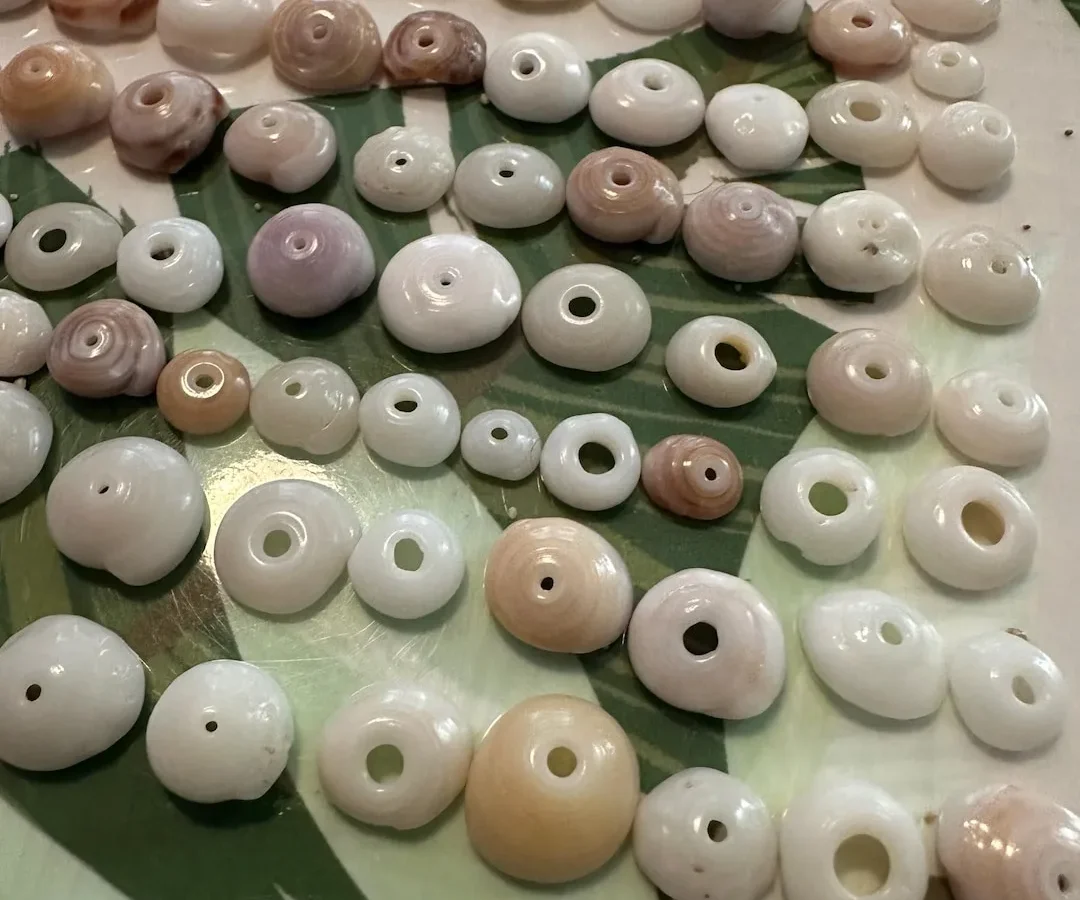
If you are searching for where to find puka shells on Oahu, you need to look past the manicured tourist sands. Natural puka shells are not distributed evenly across the island, and finding them requires understanding coastal wave energy.
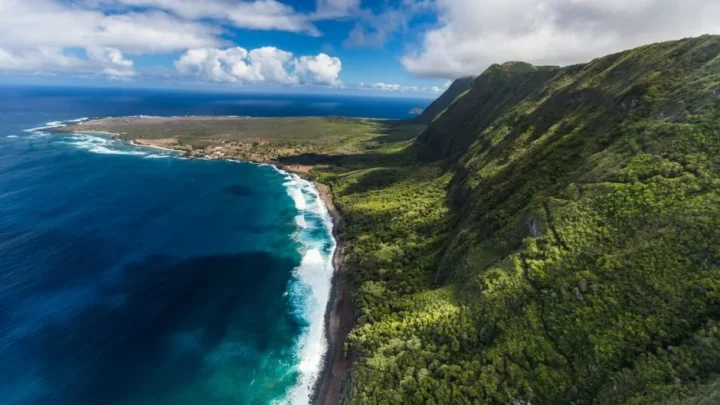
Wave data from the National Oceanic and Atmospheric Administration shows that Oahu experiences intense seasonal swell shifts that grind cone snail tops into smooth discs. Knowing where this wave energy meets coarse coral gravel will make or break your hunt.
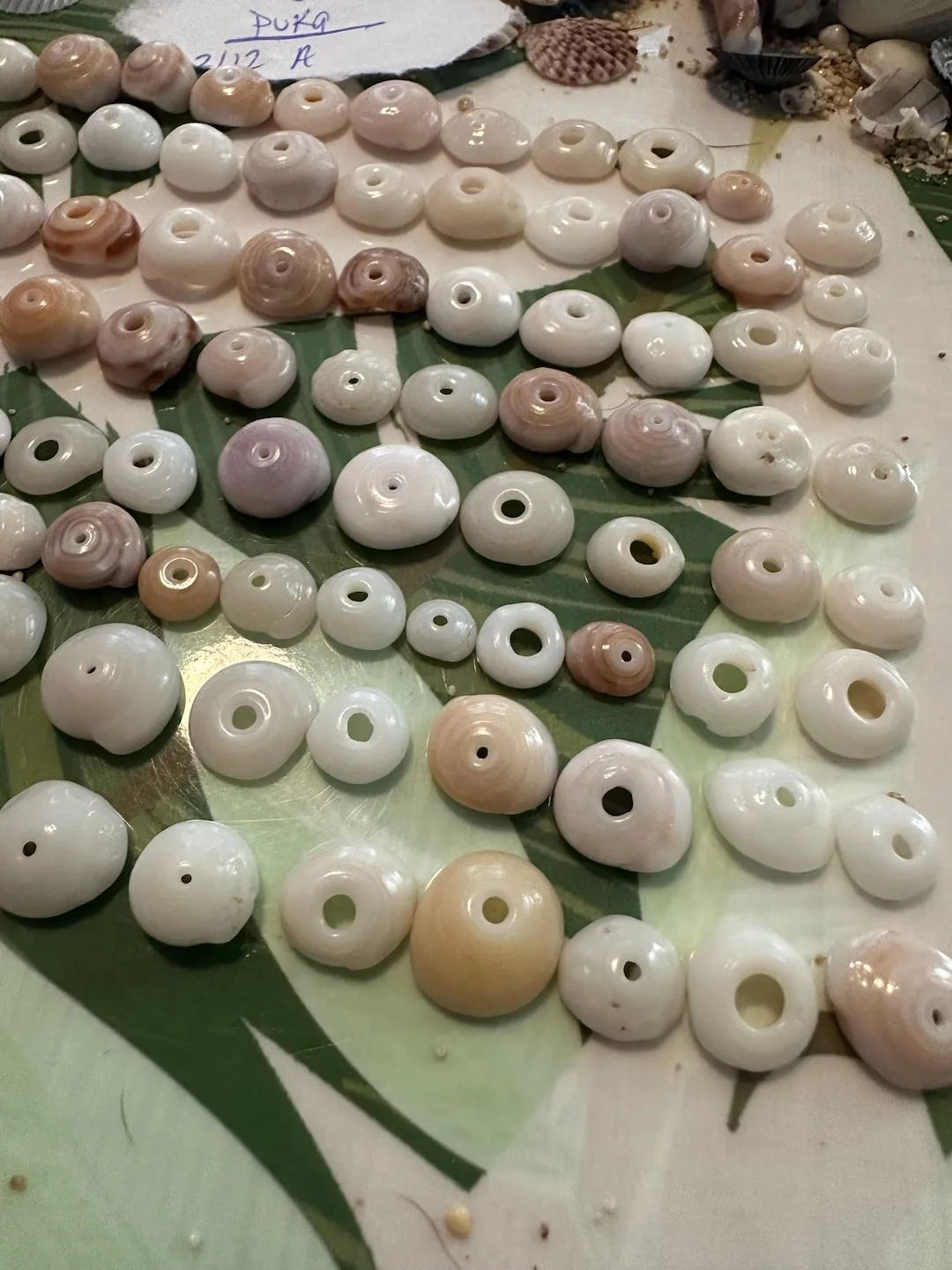
Image source: Web (Bing) / etsy.com (Web image (fair-use with source credit))
Quick Answer
🌺 Local Island Guide Quick Answer
The best places to find puka shells on Oahu are North Shore beaches like Sunset Beach and Ke Iki Beach during winter. West-side spots like Yokohama Bay offer great hunting during summer. Look in coarse shell gravel troughs right along the low-tide wash line.
The Science of a Real Puka: What You Are Actually Looking For
A puka shell is not an entire seashell. It is the naturally worn top portion of a predatory sea snail from the family Conidae. When a cone snail dies, its heavy calcium shell tumbles in the surf for years.
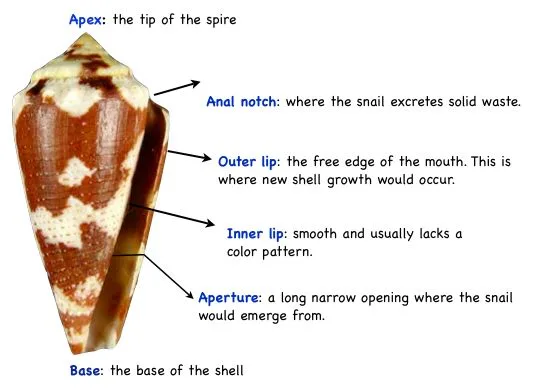
Image source: Web (Bing) / pinterest.com (Web image (fair-use with source credit))
Anatomy of a Natural Cone Shell Apex
The spire or apex is the thickest, densest part of a cone snail. As the surf pounds the shell against lava rock and reef, the thin outer body breaks away first.
Continued wave action rolls the remaining spire against coarse sand. This friction wears down the tip until a natural hole opens in the center. The Hawaiian word "puka" translates directly to "hole" or "perforation."
Genuine Pukas vs. Fake Beads and False Lookalikes
True beach-tumbled pukas have distinct physical markers that separate them from modern mass-produced substitutes:
- Symmetrical inner wear: Natural surf action smooths the central hole into a gentle, rounded funnel rather than a sharp cylinder.
- Density and weight: Genuine cone apexes are heavy for their size because they consist of compacted calcium carbonate.
- Spiral ridges: The underside of a real puka reveals a subtle, whorled spiral structure.
- No mechanical drill marks: Craft store versions feature straight, uniform drill holes made with carbide bits.
Timing the Tides and Swells: When Oahu's Shell Beds Open Up
Finding puka shells requires precise timing. The ocean deposits these heavy fragments only under specific surf and tide conditions.
                  [ Check Surf Forecast ]
                             |
         +-------------------+-------------------+
         |                                       |
  [ Winter: Nov - Mar ]                   [ Summer: May - Sep ]
         |                                       |
  Target North Shore                      Target West / South Shore
  (Sunset, Ke Iki, Waimea)                (Yokohama, Diamond Head)
         |                                       |
         +-------------------+-------------------+
                             |
               [ Check Daily Tide Charts ]
                             |
              Arrive 1-2 Hours Before Low Tide
                             |
             Scan Coarse Pea-Gravel Troughs
Seasonal Swell Cycles (Winter North vs. Summer South)
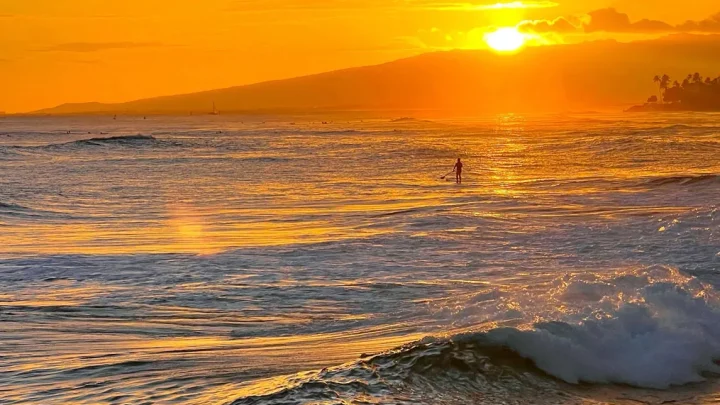
Oahu experiences two dominant swell patterns every year. Between October and March, massive North Pacific storms drive 10 to 30-foot waves into the North Shore. This extreme energy churns deep offshore gravel beds and throws fresh material onto the sand.
From May through September, southern hemisphere storms send 3 to 8-foot waves into the South Shore and West Side. During this window, southern reefs release older deposits while North Shore beaches become flat and sandy.
The Sweet Spot Tide Window and Wave Drop
Plan your hunt around the falling tide. Arrive roughly one to two hours before peak low tide, when the water retreats to reveal hidden gravel beds.
The ideal time to hunt is immediately following a declining swell. Massive waves toss gravel high up the slope. As the surf backs down, the receding wash strips away fine sand and leaves dense puka discs exposed on top of the gravel line.
The Oahu Puka Hunter's Decision Framework
Different beaches serve different skill levels and ocean conditions. Use this framework to choose your location based on current weather and surf.
| Beach Location | Best Season | Gravel Density | Difficulty / Shorebreak Hazard |
|---|---|---|---|
| Sunset Beach | Winter / Spring | High | High (Heavy winter shorebreak) |
| Ke Iki Beach | Winter | Very High | Extreme (Dangerous shorebreak) |
| Yokohama Bay | Summer / Fall | Medium-High | Moderate |
| Makaha Beach | Spring / Summer | Medium | Moderate |
| Diamond Head Beach | Summer | Low-Medium | Low (Shallow reef walk) |
Where to Go Based on Swell Angle and Season
- If the North Shore swell is over 10 feet: Avoid the immediate water edge. Search high along the upper winter berm at Sunset Beach where large waves drop debris.
- If the North Shore is flat (Summer): Head west to Yokohama Bay or Makaha. The Leeward coast keeps a steady wash without dangerous winter conditions.
- If you want shallow, calm wading: Head to the reef shelves near Diamond Head Beach Park during a negative low tide.
The Best Beaches for Finding Puka Shells on Oahu
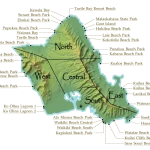
Certain coastlines on Oahu consistently concentrate cone shell fragments due to underwater reef topography and strong currents.
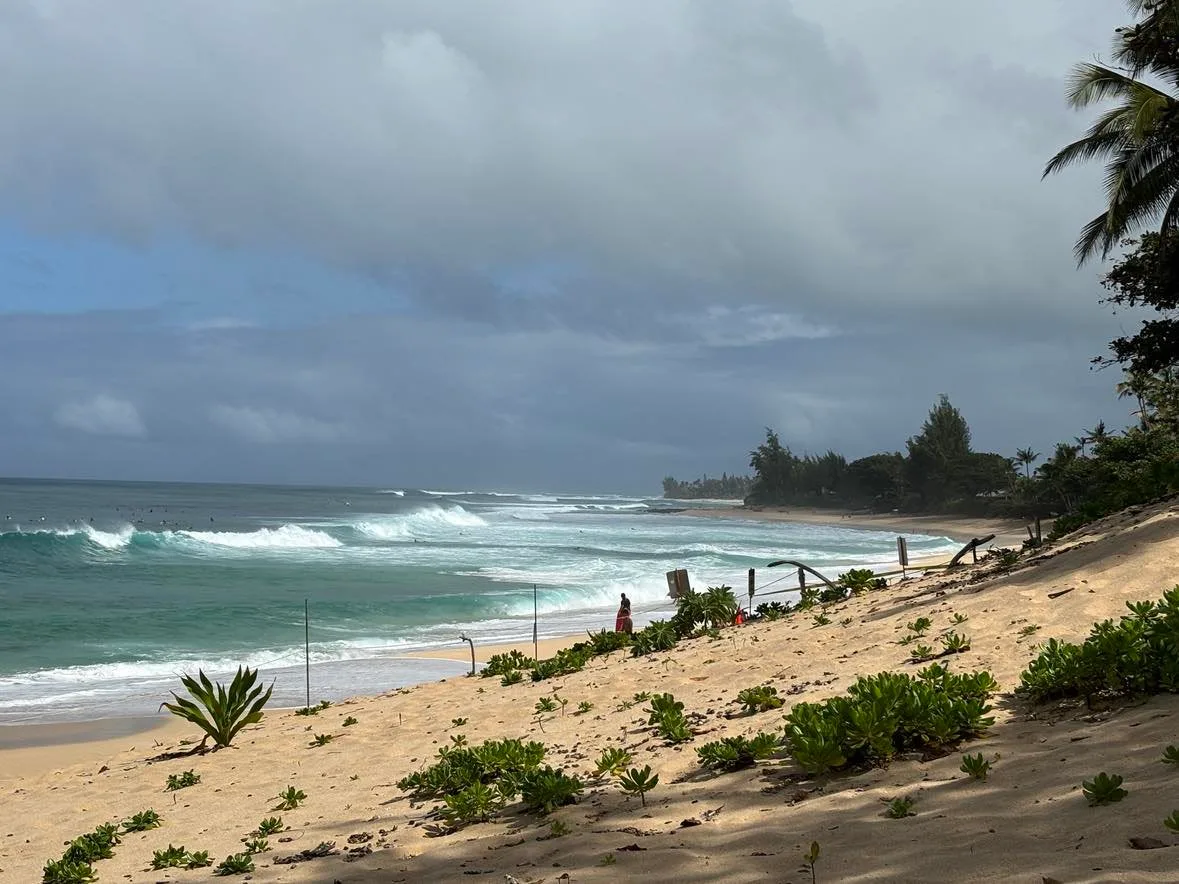
Image source: Bing (Web (fair-use with source credit))
North Shore: Sunset Beach, Ke Iki, and Waimea Troughs
The two-mile stretch between Sunset Beach and Ke Iki Beach is Oahu's premier shelling corridor. Deep offshore trenches funnel wave energy straight onto steep sand berms.
Look for the distinct gravel ledges that form at the base of the shorebreak slope. Ke Iki features coarse, heavy gravel beds where jumbo pukas (over 12mm) frequently turn up. Waimea Bay can also hold pockets along its northern rocky edge after big winter sets subside.
West Side (Leeward): Yokohama Bay and Makaha Pockets
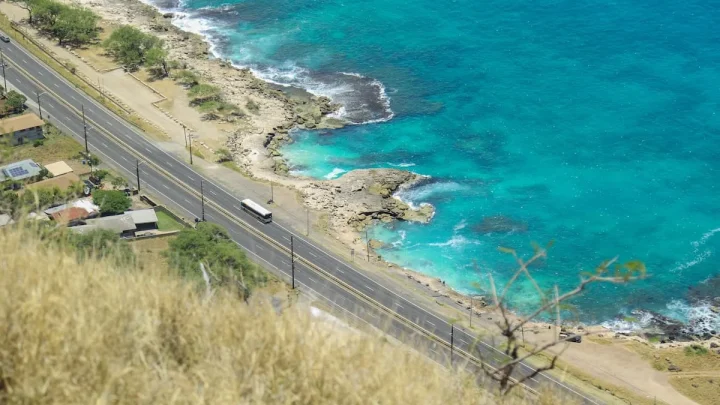
Yokohama Bay (Keawaula Beach) sits at the far end of the Farrington Highway. This beach features exposed outer reefs that break down large populations of Conus snails.
The gravel here collects in micro-pockets around the base of exposed lava rock outcroppings. Makaha Beach also produces smooth, golden-hued pukas near the center of the bay following late spring swells.
South Shore & Hidden Spots: Diamond Head Cliffs and East-Side Outliers
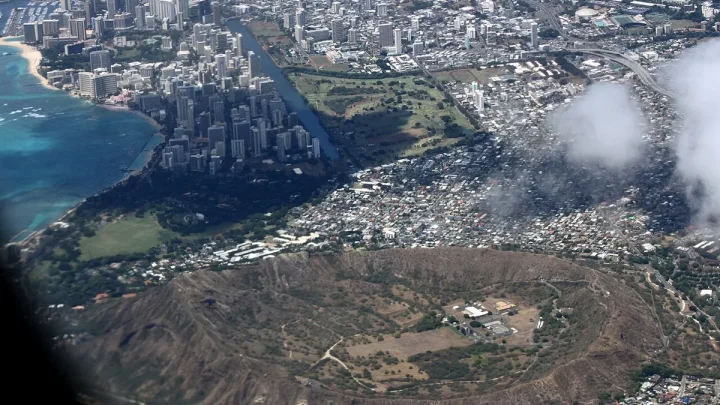
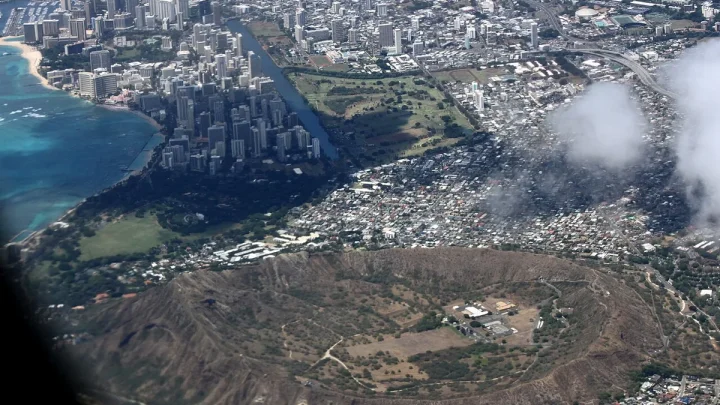
The South Shore rarely yields the heavy volume seen on the North Shore, but Diamond Head Beach Park is an exception. The shallow reef flats off the cliffs trap smaller "seed" pukas (3 to 5mm).
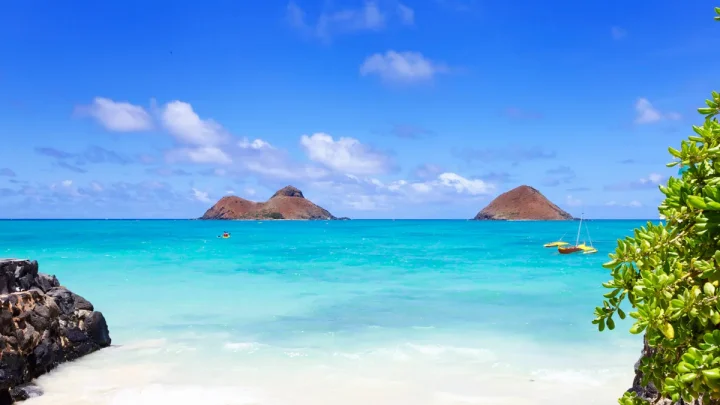
These miniature shells collect in the sandy pockets between old coral heads. On the windward side, fine sand generally covers most beds, making spots like Kailua or Lanikai poor choices for serious shelling.
The Search Workflow: How to Spot and Sift Pukas on the Sand
Successful shell hunting is a process of elimination. Walking along dry, fine sand will rarely yield results because heavy calcium fragments sink beneath light sand grains.
Reading the Wash Line and Gravel Pockets
Ignore areas with uniform, powder-fine white sand. Instead, look for dark bands of coarse grit that resemble cracked corn or pea gravel.
Puka shells share the same specific gravity as coral fragments measuring 4mm to 12mm. Wherever you see gravel of that exact size collecting in ridges along the slope, you are standing in the strike zone. Focus your attention on the wet wash line where retreating water briefly rolls the gravel flat.
The Sifting Method (Without Ruining Your Back)
Bending over while walking leads to quick fatigue. A structured sit-and-sift approach works best for thoroughly working a productive gravel patch:
- Locate a stable gravel bank: Find an elevated pocket just above the active wave wash.
- Sit facing the ocean: Keep your eyes up periodically to watch incoming waves for safety.
- Use a sweeping finger motion: Spread the top layer of gravel out across a two-foot area. Do not dig deep, as pukas settle near the top of freshly washed gravel beds.
- Scan for circular outlines: Train your eyes to spot the concentric circle pattern and hollow center rather than looking for color alone.
- Scoop and reset: Once you clear the surface layer, scoop a handful of fresh gravel from the lower wash and repeat.
Cleaning, Polishing, and Preserving Your Finds
Raw shells straight from the beach often look chalky and dull once they dry. Salt crystals and organic ocean film hide the true colors beneath the surface.
The Freshwater Salt Purge
Do not use bleach or harsh household chemicals on puka shells. Strong acids and chemical oxidizers strip the natural enamel and dissolve calcium carbonate.
- Soak in tap water: Submerge your finds in a bowl of fresh water for 24 to 48 hours. This draws trapped marine salt out of the shell pores.
- Scrub with a soft bristle brush: Use an old toothbrush and mild dish soap to clear sand grit from the center puka hole.
- Air dry thoroughly: Let the shells dry on a towel away from direct, high heat.
Natural Conditioning and Long-Term Care
Apply a single drop of mineral oil or jojoba oil to a clean microfiber cloth. Gently rub each shell between your fingers.
The light oil absorbs into the microscopic grooves of the calcium matrix. This brings out the deep caramel, cream, or speckled tiger patterns without creating a sticky coating. Wipe away any excess oil so dust does not cling to the shell.
Ethics, Island Rules, and Ocean Safety
Shell collecting on Oahu comes with legal responsibilities and personal safety risks that every beachcomber needs to respect.
Hawaii Sand and Shell Laws (DLNR Guidelines)
Under Hawaii Revised Statutes and guidelines from the Hawaii Department of Land and Natural Resources, commercial sand mining and large-scale removal of beach material is strictly illegal.
You may collect small amounts of loose, empty shells for personal use. Never take an occupied shell. Always check inside the cavity to ensure a living hermit crab or snail is not inside.
Leave live creatures in their tide pool habitats to preserve the reef ecosystem.
Respecting Shorebreak and Marine Life
Never turn your back on the ocean while searching gravel beds. North Shore winter waves break with tremendous force right on the sand ledge.
Rogue wave sets can sweep up the sand slope without warning. If you see high-surf warning signs posted by island lifeguards, stay well above the high-tide line. As of 2026, county ocean safety teams strongly enforce water boundaries during major winter swells.
Frequently Asked Questions About Puka Shell Hunting on Oahu
Are puka shells rare on Oahu?
Genuine, naturally formed puka shells are uncommon compared to broken coral pieces. While fine sand is abundant everywhere, thick cone shell apexes with natural, wave-worn holes only collect in specific high-energy surf corridors along the North and West shores.
What is the best time of day to find puka shells?
The best time of day depends on the tide chart rather than the clock. Plan your search for one to two hours before peak low tide. Low tide exposes the heavy gravel banks that remain hidden under rolling water during high tide.
Can you take puka shells from Oahu home on a plane?
Yes, you can bring small quantities of empty, naturally collected puka shells home for personal use. Keep them in your carry-on or checked luggage. Commercial collection or taking large buckets of beach sand is prohibited by state law.
Why do some beaches have no puka shells at all?
Beaches with wide barrier reefs or calm waters lack the violent wave action required to break and roll cone snails. Soft-sand beaches like Kailua and Waikiki grind shells into powder rather than depositing heavy intact spires in gravel troughs.
What is a false puka shell?
A false puka is a shell piece that looks round but comes from another marine species. Broken cowrie bases, worn auger spirals, and flattened sea urchin plates often have natural holes. However, they lack the dense, spiral structure of a true cone snail apex.
🥾 Field-Tested Gear: Hawaii Trail & Sightseeing Protection
From rugged Kualoa filming valleys to sharp volcanic ridgelines, tackle Oahu’s premier attractions safely with trail-proven footwear and sun protection:
- High-Traction Breathable Water Hiking Shoes:Check Quick-Dry Water Hiking Shoes on Amazon →
- UPF 50+ UV Sun Protection Long-Sleeve Rash Guard:Check UPF 50+ Sun Protection Shirts on Amazon →
*FTC Disclosure: As an Amazon Associate, Hawaii Travel Bureau earns from qualifying purchases. Learn more about our field-tested travel research methodology.*
🌺 Related Hawaii Sights, Culture & Filming Guides:

Similar Posts