10 Premier Hawaiian Cultural & Historic Landmarks: Volcanoes, Pearl Harbor & Sacred Valleys

Picking the top 10 Hawaii tourist attractions places is less about ranking and more about whether you can actually get in. Most first-timers build a list from postcards, then find out half of it needs a reservation booked weeks ahead. The list that fits your trip is shorter than the list that fits the internet.
As of 2026, the National Park Service releases USS Arizona Memorial tickets 60 days out, and Hawaii's Division of State Parks requires advance non-resident bookings at Diamond Head and Waianapanapa. Those systems alone reshape how you plan your days. Here's how to build a list that actually holds up on the ground.
Quick Answer
🌺 Local Island Guide Quick Answer
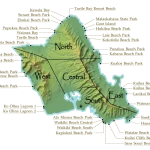
The top 10 Hawaii tourist attractions places cluster on four islands. Pearl Harbor, Diamond Head, Hanauma Bay, and the North Shore headline Oahu. Maui brings the Road to Hana and Haleakala National Park.
The Big Island adds Hawaii Volcanoes National Park and Mauna Kea. Kauai closes it out with the Na Pali Coast and Waimea Canyon. Book permits first, then build each day around one anchor.
Why the Top 10 Hawaii Attractions List Almost Never Fits Your Trip
Most Hawaii rankings sort by beauty. Your trip runs on logistics.
Three things decide whether an attraction works for you: whether you can get a reservation, how far it sits from your hotel, and how much of the day it eats. Ignore any of those and you'll spend your vacation driving past things you meant to see.
The reservation squeeze
Five headline attractions now require advance booking.
- Pearl Harbor National Memorial: USS Arizona Memorial timed tickets release 60 days ahead through the National Park Service.
- Hanauma Bay Nature Preserve: non-resident slots online only, released two days ahead.
- Diamond Head State Monument: non-resident entry and parking booked through Hawaii's Division of State Parks.
- Haleakala sunrise: separate summit reservation on top of park entry.
- Waianapanapa State Park: timed entry for non-residents on the Hana Highway.
Miss the release window and each one turns into a walk-up gamble. On Oahu, that gamble usually loses.
Why three stops a day rarely happens
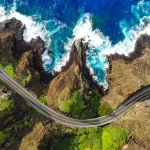
Drive times on these islands lie to you. The Road to Hana covers roughly 64 miles and still takes a full day, with 620 curves and 59 bridges. Diamond Head sits close to Waikiki, so it fits a half day.
Haleakala is a two-hour climb from most resorts before you even park.
Pick one anchor per day. Add a nearby stop if time allows. That's the pattern that keeps working.
The 10 Attractions That Actually Deliver and What Each One Asks of You
Every pick below earns its spot. None of them are free of cost or effort.
Oahu
- Pearl Harbor National Memorial: half day minimum. Arrive early, expect airport-style security, no bags.
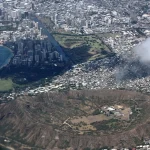
- Diamond Head State Monument: 1.6 miles round trip, 560 feet of climb, hot and shadeless after 9 a.m.
- Hanauma Bay Nature Preserve: best snorkeling for beginners, mandatory briefing video, closed some days.
- North Shore: winter brings 20-foot plus waves at Waimea Bay and Banzai Pipeline. Summer turns it calm and swim-friendly.
If you only have three days on Oahu, that's your four. Waikiki Beach is where you sleep, not a destination.
Maui
- Road to Hana: the full-day drive. Leave before 7 a.m., skip the return in darkness.
- Haleakala National Park: sunrise needs a permit, but midday visits skip the crowd and still hit 9,740 feet at the summit house.
Molokini Crater and Waianapanapa are strong add-ons if you have a fourth day.
Island of Hawaii
- Hawaii Volcanoes National Park: Kilauea, Chain of Craters Road, Thurston Lava Tube. Give it a full day.
- Mauna Kea: the summit sits at 13,803 feet. You need a true 4WD above the Visitor Station.
Punalu'u Black Sand Beach pairs well with a Volcano day.
Kauai
- Na Pali Coast State Wilderness Park: boat, helicopter, or the 11-mile Kalalau Trail. Permits required for camping.
- Waimea Canyon State Park: roughly 10 miles long and up to 3,600 feet deep, best in morning light.
Poipu Beach is your easy swim day between the two.
Side by Side: Cost, Time, Reservations, and Difficulty at a Glance
Here's the comparison that actually decides your itinerary.
| Attraction | Typical Cost | Reservation | Time Needed |
|---|---|---|---|
| Pearl Harbor (Arizona Memorial) | Free ticket, tours $30+ | Yes, 60 days out | 3 to 5 hours |
| Diamond Head | $5 walk-in, $10 per vehicle | Non-resident entry | 2 hours |
| Hanauma Bay | $25 per adult | Yes, 2 days out | Half day |
| Road to Hana | Free drive, tours $150 to $250 | No | Full day |
| Haleakala summit | $30 per vehicle plus $1 permit | Sunrise only | 4 to 6 hours |
| Hawaii Volcanoes NP | $30 per vehicle, 7 days | No | Full day |
| Mauna Kea summit | $200 to $250 guided | Guided only above station | 6 to 8 hours |
| Na Pali Coast boat | $150 to $300 | Yes | Half day |
Which ones need permits, timed entry, or 4WD
Pearl Harbor, Hanauma Bay, Diamond Head, Haleakala sunrise, and Waianapanapa run on timed entry. Mauna Kea needs a real 4WD, not an AWD crossover. Na Pali camping needs a state permit, and Kalaupapa on Molokai allows no independent entry at all.
Half day versus full day
Half day: Diamond Head, Hanauma Bay, North Shore, Waimea Canyon, Na Pali boat. Full day: Road to Hana, Volcanoes National Park, Mauna Kea. Treat Haleakala as a long half day unless you chase sunrise.
Build around the full-day items first. Everything else fills the gaps.
Best Attraction Picks by Traveler Type and Trip Length
The right ten for you depends on who's coming and how long you have.
First-timers on five to seven days
Pick two islands, not four. Oahu plus Maui is the safest pairing. You get Pearl Harbor and Diamond Head on one side, then the Road to Hana and Haleakala on the other.
Two-thirds of your days go to anchors, the rest to beaches and food.
Families with young kids
Diamond Head is doable but hot. Hanauma Bay suits kids who can snorkel. Skip the full Road to Hana loop with toddlers, and skip Mauna Kea summit entirely.
The Polynesian Cultural Center and Kualoa Ranch absorb a full day with minimal driving.
Adventure travelers and divers
Na Pali Coast, Kalalau Trail, Molokini, and the manta ray night snorkel in Kona are your core four. Hawaii Volcanoes National Park replaces beach time with lava fields and craters at 4,000 feet.
Cruise port days and short layovers
One day in Honolulu means Pearl Harbor or Diamond Head, not both. In Kahului, you're closer to Iao Valley than Hana. On the Kona side, book a manta snorkel and stay near the pier.
Island vs Island: Oahu, Maui, Kauai, and the Big Island Compared
Each island wins at something different. Choosing wrong costs you days.
Oahu is the easiest first island. Flights are cheap, hotels are plentiful, and everything runs on a schedule you can plan around. It's also the busiest, with Waikiki traffic that eats afternoons.
Maui splits the difference. Resorts, reefs, and the Hana Highway sit within an hour of each other. It's the best pick if you want scenery without roughing it.
West Maui near Lahaina is still recovering from the August 2023 wildfires, so check current closures before you book.
Kauai is the nature island. Na Pali and Waimea Canyon beat anything else in the state for raw scenery. It's also the smallest and slowest, with fewer hotel rooms and less nightlife.
The Big Island is the biggest and most varied. You get active volcanoes, black sand beaches, coffee farms, and snow-capped summits in one trip. You also drive a lot, since Kona and Hilo sit about 95 miles apart.
Molokai and Lanai beat all four if you want quiet. Both have limited lodging and few restaurants, so plan accordingly.
Booking Sequence and Costs: What to Lock In First
Book in the same order every time, and you'll stop losing reservations to faster planners.
60 days out. USS Arizona Memorial tickets open exactly 60 days ahead on recreation.gov. Meanwhile, lock your interisland flights and rental car. Rental fleets on Maui and Kauai sell out during peak season, and prices climb the closer you get.
30 days out. Reserve Haleakala sunrise, Diamond Head, and Waianapanapa. Confirm your Road to Hana tour if you're not self-driving.
Two days out. Hanauma Bay non-resident slots release 48 hours ahead. Set an alarm. They clear in minutes.
The morning of. Check park closures, surf advisories, and road conditions before you leave. Confirm your fuel gauge too.
The costs most people forget
Entry fees are the small part.
- Rental car: $60 to $120 per day, higher in summer and over the holidays.
- Resort and destination fees: $25 to $45 per night on top of the room rate.
- Interisland flights: $60 to $150 each way per person, more with bags.
- Fuel on the Big Island: budget extra, since Kona to Volcano is about 95 miles each way.
A seven-day two-island trip for two typically lands between $3,500 and $6,000 before food.
Rental car rules that catch visitors out
Your rental agreement may ban certain roads outright. Check it before you drive to Mauna Kea or past Hana.
Above the Mauna Kea Visitor Information Station at 9,200 feet, you need a true 4WD with low range. An AWD crossover doesn't count, and rental companies will void coverage if you take one up. The University of Hawaii Center for Maunakea Stewardship manages summit access and posts current road status.
Mistakes, Safety, and Cultural Etiquette to Get Right
This is the section that keeps people out of the hospital and out of trouble.
Ocean safety
Hawaii's beaches kill more visitors than any other hazard. Rip currents pull swimmers sideways, not down, so swim parallel to shore until you're clear.
North Shore surf in winter hits 20 feet and higher at Waimea Bay and Banzai Pipeline. That's a spectator sport, not a swimming one. Box jellyfish show up on south shores roughly 8 to 10 days after a full moon.
Check lifeguard warning boards before you get in.
Altitude at Mauna Kea and Haleakala
Altitude sickness is real above 8,000 feet. Symptoms include headache, nausea, dizziness, and shortness of breath. Descend if they hit.
Mauna Kea summit sits at 13,803 feet, and health guidance discourages the summit for young children, pregnant travelers, and anyone with heart or lung conditions. Haleakala tops out at 10,023 feet and affects people too. Hydrate, eat, and limit your time at the top.
Road hazards
The Road to Hana has 620 curves and 59 bridges, many of them one-lane. Local drivers know it. Pull over and let them pass.
Never tackle the back road past Hana in a standard rental car, and don't drive the return leg in the dark.
Sunscreen, wildlife, and respect
- Oxybenzone and octinoxate sunscreens are banned from sale in Hawaii. Buy mineral or reef-safe formulas before you arrive. The Hawaii Department of Health explains the law.
- Don't touch honu (green sea turtles), Hawaiian monk seals, or dolphins. Federal law protects all three.
- Never remove sand, rocks, or coral. Locals notice, and it's illegal on state beaches.
- Heiau are sacred sites. Stay outside roped areas and respect kapu signs.
Frequently Asked Questions
How many days do you need for the top Hawaii attractions?
Plan 10 to 14 days for four islands, or 7 days for two. Each full-day anchor eats a whole day, and travel between islands eats a half. Two islands in a week is comfortable.
Four in a week is exhausting and mostly spent in airports.
What's the single best attraction if you only have one day?
Pearl Harbor if you're on Oahu, the Road to Hana if you're on Maui. Both deliver the most for a single day. Book Pearl Harbor tickets 60 days out, or leave for Hana before 7 a.m. to beat the tour buses.
Do you need reservations for Diamond Head, Hanauma Bay, and Haleakala?
Yes for all three. Diamond Head requires non-resident entry booking through Hawaii State Parks. Hanauma Bay releases non-resident slots 48 hours ahead.
Haleakala needs a separate sunrise reservation plus park entry. Walk-ups usually get turned away.
Is the Road to Hana worth a full day?
Yes, if you enjoy the drive itself. It's roughly 64 miles with 620 curves and 59 bridges. The waterfalls, black sand beach, and rainforest stops are the payoff.
Skip it if winding roads make you carsick, since there's no easy exit once you start.
Which island has the best beaches versus the best volcanoes?
Maui has the strongest beach lineup, with Kaanapali, Poipu-style calm water, and Molokini snorkeling nearby. The Big Island wins for volcanoes, with active Kilauea inside Hawaii Volcanoes National Park. Oahu splits the difference, and Kauai beats all of them for scenery over sand.
🥾 Field-Tested Gear: Hawaii Trail & Sightseeing Protection
From rugged Kualoa filming valleys to sharp volcanic ridgelines, tackle Oahu’s premier attractions safely with trail-proven footwear and sun protection:
- High-Traction Breathable Water Hiking Shoes:Check Quick-Dry Water Hiking Shoes on Amazon →
- UPF 50+ UV Sun Protection Long-Sleeve Rash Guard:Check UPF 50+ Sun Protection Shirts on Amazon →
*FTC Disclosure: As an Amazon Associate, Hawaii Travel Bureau earns from qualifying purchases. Learn more about our field-tested travel research methodology.*
🌺 Related Hawaii Sights, Culture & Filming Guides:

Similar Posts